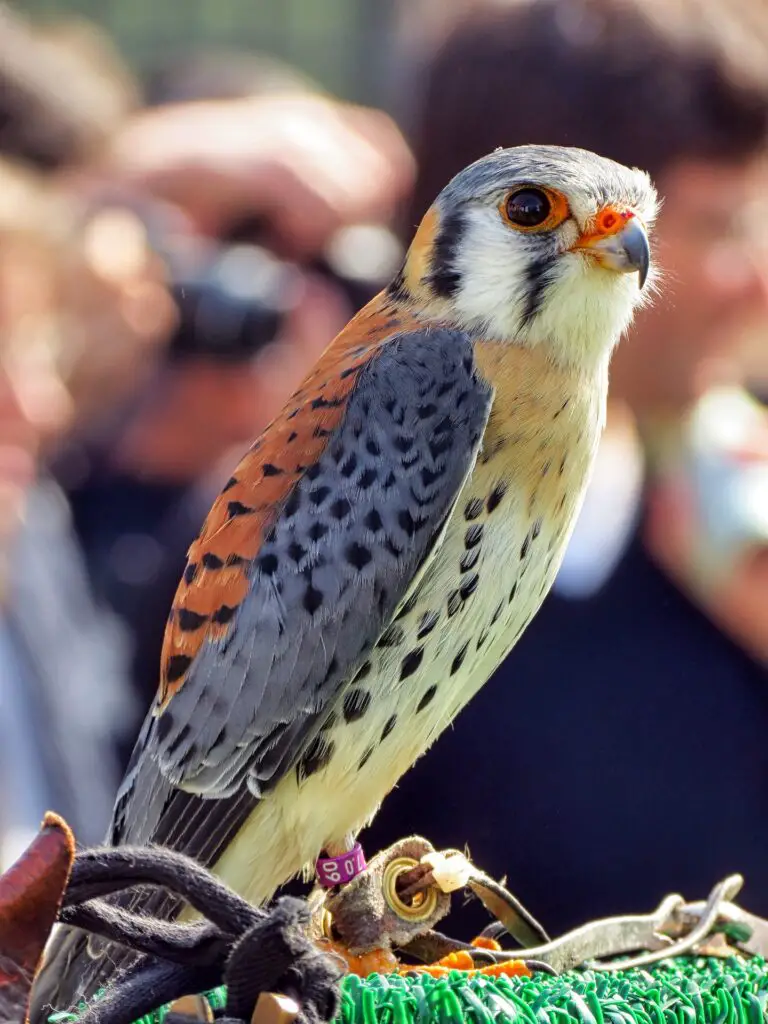
The American Kestrel, known for its striking appearance and adaptability, is a fantastic choice in falconry. I’ve found that their hunting skills and ability to thrive in various habitats make them both a captivating companion and a skilled predator. Training involves techniques like manning and lures training, while proper care ensures good health. If you’re interested in falconry, there’s much more for me to share from my experiences working with these remarkable birds.
- Scientific name: Falco sparverius
- Family: Falconidae
- Diet: Insects, small mammals, birds, and reptiles
- Lifespan: Around 5 years in the wild, up to 15 years in captivity
- Habitat and Range: Open fields, meadows, deserts, and urban areas across North and South America
- Temperament: Agile, alert, and territorial
- Size: 8–12 inches (20–31 cm) in length
- Weight: 3–6 ounces (80–165 grams)
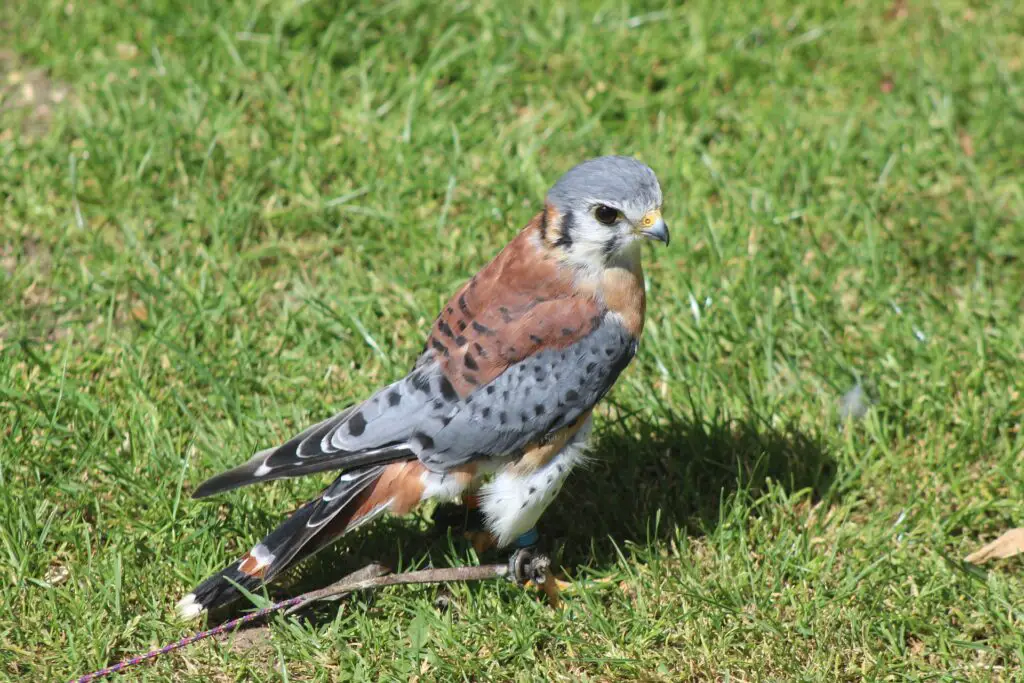
- Color: Rusty red, gray, and black with distinct facial markings
- Wingspan: 20–24 inches (51–61 cm)
- Wing Shape: Long and pointed
- Tail Shape: Long and square with a black terminal band
History of American Kestrels in Falconry
The American kestrel, North America’s smallest falcon, has a fascinating role in modern falconry. While falconry itself dates back thousands of years, the American kestrel became prominent in North America as the sport gained traction following its introduction by European settlers.
Known for their agility, intelligence, and striking plumage, kestrels are often considered an ideal bird for beginner falconers. Their small size and manageable nature make them easier to train compared to larger raptors, and they excel at hunting small prey like sparrows and starlings. In falconry, they are prized for their ambush-hunting style and adaptability.
Despite their popularity, owning and training an American kestrel requires proper permits due to protections under the Migratory Bird Treaty Act. Today, these birds continue to captivate falconers with their charm and skill, serving as a gateway for many into the ancient art of falconry.
Taxonomy and Classification
Though often overlooked, the taxonomy and classification of the American Kestrel (Falco sparverius) reveal fascinating insights into its evolutionary history and ecological niche. Understanding its taxonomic hierarchy enhances species identification, allowing us to appreciate its unique role in the ecosystem. Here’s a quick overview of its classification:
| Rank | Classification |
| Domain | Eukaryota |
| Kingdom | Animalia |
| Phylum | Chordata |
| Class | Aves |
| Order | Falconiformes |
Native habitat and range
This small falcon thrives in open fields, grasslands, and urban areas, showcasing its diverse geographic range.
| Habitat Type | Geographic Range |
|---|---|
| Open Fields | Throughout the U.S. |
| Grasslands | Great Plains (U.S.) & Southern Canada |
| Urban Areas | Major cities in the U.S. |
| Agricultural Land | Throughout much of the U.S., especially Central & Eastern regions |
Social structure and hunting behavior
Their social dynamics include:
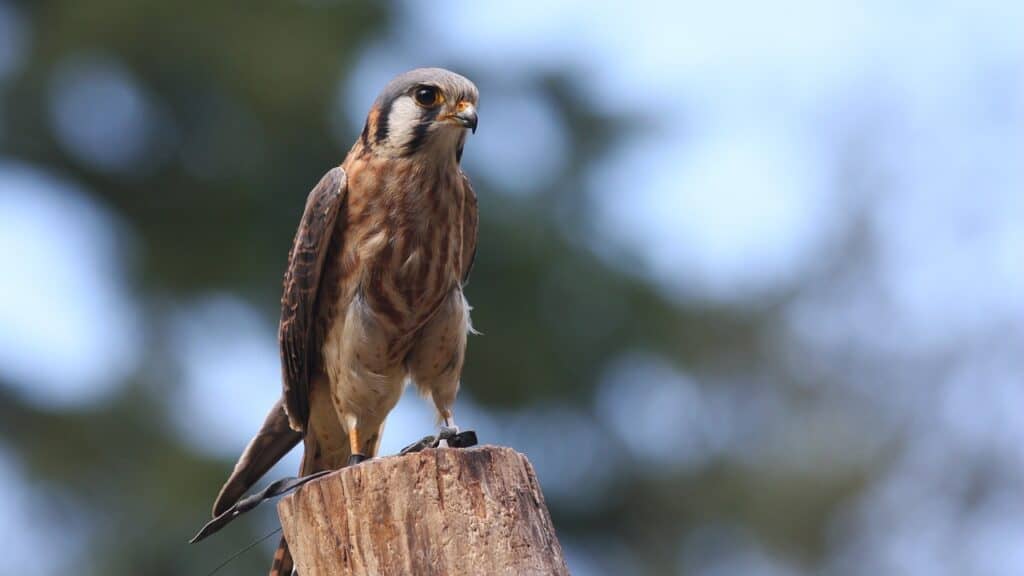
- Territoriality: Kestrels often establish and defend specific hunting territories.
- Pair Bonding: Mated pairs work together, sharing hunting duties and raising young.
- Hunting Strategies: They employ varied techniques, from hovering to ground-swooping.
Lifespan and Health of American Kestrel
Lifespan in the wild vs. captivity
From my knowledge, the lifespan of the American Kestrel (Falco sparverius) varies significantly between wild and captive environments, reflecting the challenges and advantages each setting presents.
- Wild Lifespan: Typically, kestrels live 3 to 5 years in the wild due to predation and environmental factors.
- Captive Lifespan: In captivity, they can thrive for 14 to 17 years, benefiting from regular care.
- Health Management: Controlled diets and veterinary care contribute to their extended lifespan in captivity.
Understanding these differences highlights the impact of the environment on the American Kestrel’s longevity and overall health.
Common diseases and health concerns by American Kestrel
While American Kestrels (Falco sparverius) are generally resilient birds, they face several common diseases and health concerns that can impact their well-being. After a lot of extensive research, I have gathered some information on their health problems:
- Viral Infections: Highly Pathogenic Avian Influenza (HPAI) is particularly dangerous, often causing death. Other viruses include Falcon Adenovirus and Avipoxvirus.
- Parasitic Infections: They can be infected by hemoparasites (like avian malaria), mites, and nematodes, affecting their health.
- Environmental Contaminants: PBDEs (flame retardants) and PCBs can disrupt their immune and reproductive systems.
- West Nile Virus: They are monitored for this virus due to the risk it poses.
- Habitat and Food: A lack of nesting cavities and pesticide use, which reduces insect prey, threaten populations.
- Metabolic Demands: Kestrels must increase their metabolic rate in cold, wet conditions to stay warm.
Signs of illness and veterinary care
When caring for American Kestrels (Falco sparverius), it’s essential to monitor their health and seek veterinary care immediately if any signs of illness are observed. These may include:
- Lethargy or decreased activity levels
- Loss of appetite or weight loss
- Difficulty breathing or wheezing
- Changes in droppings, such as diarrhea or blood
If treated promptly, many health issues can be resolved and managed successfully in captivity. However, proper care and management are critical for the long-term health of these beautiful birds.

Diet and Nutrition
When I consider the diet and nutrition of the American Kestrel, I focus on both its natural prey in the wild and the specific dietary needs in captivity. Understanding the balance of proteins, fats, and vitamins is crucial for maintaining their health and optimizing their training. Moreover, effective weight management plays a vital role in their performance, influencing their agility and responsiveness during falconry activities.
Natural Diet
The natural diet of the American kestrel (Falco sparverius) primarily consists of insects, small birds, and small mammals like mice and voles. Their dietary preferences vary depending on location and season, showcasing their adaptability as skilled hunters. Here are three key components of their diet:
- Insects: During the summer, kestrels primarily feed on large insects such as grasshoppers, beetles, moths, and dragonflies.
- Small Mammals: In winter, their diet shifts to small mammals, particularly rodents like mice and voles, which are abundant during colder months.
- Birds and Reptiles: They also consume small birds, lizards, and occasionally frogs.
Understanding these elements helps me appreciate their role in the ecosystem and the importance of maintaining their natural habitats for successful hunting and foraging.
Proper Diet in Captivity
A proper diet for an American kestrel (Falco sparverius) in captivity should closely mimic their natural diet in the wild to ensure optimal health. Here’s a breakdown of their dietary needs:
1. Primary Diet
American kestrels are carnivorous and require a diet rich in protein and essential nutrients. Their diet should include:
- Whole Prey (Best Option) – This includes:
- Mice (frozen-thawed)
- Small chicks
- Quail parts or whole quail
- Insects (mealworms, crickets, grasshoppers)
- Supplementary Items
- Small reptiles or amphibians (occasionally)
- Lean raw meat (only as a supplement, not a staple)
2. Feeding Frequency
- Adult kestrels should be fed once or twice daily, depending on their energy needs.
- Juveniles and growing kestrels require more frequent feedings.
- The amount of food should be adjusted based on activity level and weight maintenance.
3. Nutritional Considerations
- Calcium & Vitamins:
- Dusting insects with calcium powder can help prevent deficiencies.
- Whole prey is the best for balanced nutrition since it includes bones and organs.
- Hydration:
- Always provide clean, fresh water for drinking and bathing.
4. Foods to Avoid
- Processed meats or cooked meats
- Foods high in fat or salt
- Dog or cat food
- Raw fish (can cause vitamin B1 deficiency)

Weight Management
Here are three key aspects to consider:
- Regular Monitoring: Keep a close eye on their weight fluctuations to ensure they remain within an ideal range.
- Diet Control: Tailor their diet to provide the necessary nutrients while preventing excessive weight gain.
- Exercise Routine: Implement consistent exercise to promote fitness and agility, which aids in their training success.
Feeding Routine
1. Hatchlings (0-2 weeks old)
- Diet: Small pieces of pinky mice, finely chopped quail, or insects.
- Feeding Frequency: Every 2-3 hours (6-8 feedings per day).
- Amount: Small, bite-sized portions to prevent choking.
- Water: Provided through food; no need for a water dish at this stage.
2. Nestlings (2-4 weeks old)
- Diet: Whole pinky mice, larger insect portions, or small pieces of quail.
- Feeding Frequency: Every 4-5 hours (4-5 feedings per day).
- Amount: Small whole prey items, increasing in size as they grow.
- Water: Shallow dish available at all times.
3. Fledglings (4-6 weeks old)
- Diet: Larger whole prey like fuzzy mice, whole chicks, quail pieces, and insects.
- Feeding Frequency: 3 times per day.
- Amount: 1-2 small whole prey items per feeding.
- Water: Fresh water is available at all times.
4. Juveniles & Adults (6+ weeks old)
- Diet:
- Whole mice, chicks, small quail, and insects.
- Occasional variety (small lizards, grasshoppers).
- Feeding Frequency: Once or twice daily.
- Amount: ~1-2 mice or equivalent-sized prey per day.
- Water: Fresh water for drinking and bathing daily.
Additional Tips:
✔ Monitor weight: I use a gram scale to ensure proper weight maintenance.
✔ Provide variety: Helps prevent deficiencies and keeps the kestrel mentally stimulated.
✔ Avoid overfeeding: Obesity can be harmful, especially for captive kestrels with lower activity levels.
✔ Live prey enrichment (optional): Occasionally offering live insects or mice can encourage natural hunting behaviors.
Care and Maintenance
This aspect is vital to ensure your bird is comfortable and avoids feeling stressed. Creating a low-stress environment is essential to minimize aggression and ensure they thrive in captivity.
Housing: Mews and weathering yards
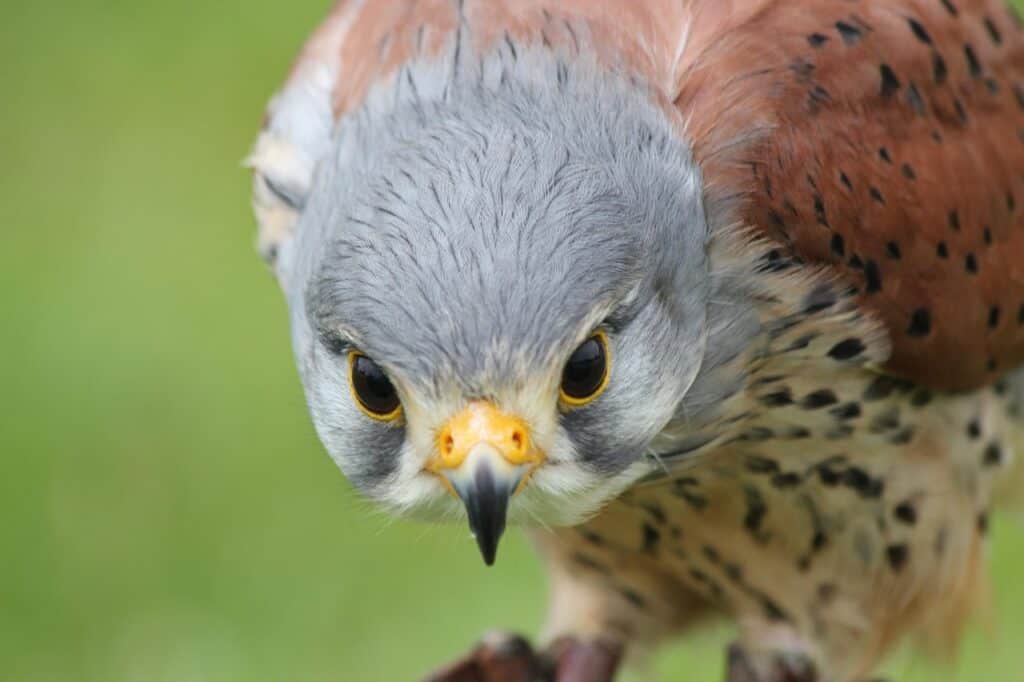
Here are three key considerations for effective mews design and weathering yard setup:
- Space: Provide enough room for the kestrel to stretch its wings and move freely.
- Ventilation: Ensure proper airflow to maintain a comfortable temperature and humidity level.
- Safety: Use sturdy materials and secure fencing to protect against predators.
Perches, Baths, and Environmental Enrichment
Creating an optimal environment for your American Kestrel involves carefully selecting perches, baths, and enrichment activities that cater to its natural behaviors. Here are the essential elements that I always provide:
| Element | Description | Purpose |
|---|---|---|
| Perch Types | Natural wood, synthetic, varied heights | Mimics natural hunting spots |
| Bathing Behaviors | Shallow dishes, frequent misting | Encourages hygiene and comfort |
| Enrichment | Toys, foraging opportunities | Stimulates mental activity |
| Safety | Secure, clean environment | Prevents injury and stress |
| Observation | High vantage points | Allows natural surveying behavior |
Routine health checks and beak/talon maintenance
Regular health checks and proper maintenance of the beak and talons are crucial for the well-being of your American Kestrel. Here’s how I keep my bird in top condition:
- Inspect regularly: I check the beak for signs of overgrowth or injury, ensuring it’s properly aligned.
- Trim as needed: Talon maintenance is vital; I use specialized tools to trim any overgrown talons carefully.
- Provide a grinding surface: I offer rough perches that naturally wear down the beak and talons, promoting health.
Preventing Stress and Aggression in Captivity
Maintaining a healthy environment goes beyond routine health checks and beak or talon maintenance; it involves understanding the behavioral needs of an American Kestrel to prevent stress and aggression in captivity. I prioritize stress management by providing adequate space, minimizing loud noises, and ensuring a consistent routine. Enrichment activities, like varied perches and toys, keep the kestrel mentally stimulated, reducing aggression. Socialization is crucial; I interact with my kestrel daily, fostering trust and familiarity. Lastly, monitoring body language helps me identify signs of stress early, allowing for prompt intervention to enhance well-being and ensure a harmonious relationship.
Training and Handling
When I train an American Kestrel, I start with manning to establish trust and comfort. I utilize specific equipment training to ensure the bird responds well to my commands and adjusts to its environment. Throughout this process, I closely monitor its weight to optimize training effectiveness and prepare for free-flying and hunting scenarios.
1. Equipment Preparation
Before handling the kestrel, ensure you have the right equipment:
- Jesses – Soft, lightweight leather or synthetic material strips attached to the kestrel’s legs for control.
- Swivel & Leash – Prevents tangling when tethered.
- Perches – Varied perches for different training settings (bow perch, block perch, etc.).
- Hood (Optional) – Helps keep the kestrel calm but is not always used in kestrel training.
- Telemetry (Recommended for free flight) – Small transmitter attached to the tail or leg to track the bird.
2. Manning (Taming & Acclimatization)
- Initial Handling:
- Begin in a quiet, dimly lit space.
- Hold the kestrel on the glove and allow it to get used to your presence.
- Offer small food rewards (quail, mice, or day-old chicks) to build trust.
- Introduce Jesses & Leash:
- Gently attach anklets and jesses.
- Connect a swivel and leash to prevent tangling.
- Let the kestrel perch while wearing them to get accustomed.
3. Perching & Stationing
- Use a secure indoor perch while tethered.
- Transition to an outdoor weathering area (supervised).
- Allow the kestrel to fly short distances while tethered before moving to free-flight.
4. Creance Training (Leash Training for Free Flight)
- Attach a long creance line (light rope) to the jesses.
- Gradually increase flight distance by calling the kestrel to the glove.
- Reward every successful return with food.
5. Lure Training (Optional)
- Attach a lure (leather or fur strip) to a string.
- Use the lure as bait while calling the kestrel back to your glove for food.
6. Free Flight & Recall Training
- Once the kestrel reliably flies to the glove, move to free flight in a safe area.
- Use a whistle or call as an auditory recall cue.
- Introduce telemetry tracking before free-flying in open areas.

Weight Control for Training Effectiveness
Maintaining an optimal weight is crucial for the training effectiveness of the American Kestrel in falconry, as it directly influences the bird’s agility, responsiveness, and overall health. I’ve observed that managing weight fluctuation is essential; keeping the kestrel slightly below its ideal weight enhances its motivation to pursue and catch food during training sessions. A bird that’s too heavy may lack the energy and enthusiasm needed for effective learning. By regularly monitoring its weight and adjusting its diet accordingly, I ensure my kestrel remains sharp and responsive, ultimately improving our training outcomes and strengthening our bond.
Legal and Ethical Considerations
Protection Under the Migratory Bird Treaty Act (MBTA)
American kestrels are protected under laws that make it illegal to capture, kill, possess, or sell them or their parts (including feathers, eggs, and nests) without a federal permit.
Permits for Rehabilitation or Falconry
Wildlife rehabilitators and falconers must obtain both federal and state permits to handle or care for kestrels. Falconry regulations vary by state, and kestrels are often used as an entry-level bird for apprentices under strict supervision.
Habitat Protection Laws
Environmental laws protect habitats critical to kestrels, such as grasslands and open fields. Land development projects may require environmental assessments to ensure kestrel populations are not harmed.
Pesticide Regulations
Pesticides, such as rodenticides and insecticides, can harm kestrels through bioaccumulation. Some chemicals have been banned or restricted due to their impact on raptors.
Ethical Considerations
Conservation Responsibility
Declining kestrel populations due to habitat loss and environmental changes highlight the importance of conservation efforts. Ethical stewardship includes preserving open spaces and promoting practices that benefit kestrels.
Wildlife Interactions
Ethical wildlife interactions emphasize observing kestrels in their natural environment rather than interfering with their behavior. Keeping wild kestrels as pets is both unethical and illegal.
Nest Box Programs
Installing nest boxes can support kestrel populations but requires proper monitoring to prevent unintended consequences such as predation or disease spread.
Education and Research Ethics
Research involving kestrels should follow ethical guidelines that minimize stress and disruption to the birds and their habitats.
This version removes all references to external sources while maintaining the structure and clarity of the original content. Let me know if you need further adjustments!
Hunting with an American Kestrel
The part you’ve been waiting for… Hunting with these small but mighty birds is amazing. When hunting with an American Kestrel, I focus on ideal prey species, such as small rodents, insects, and small birds, which perfectly match their hunting capabilities. These kestrels utilize a unique combination of hovering and swift aerial pursuits to capture their quarry. Understanding these techniques enhances the hunting experience and the bond between falconer and bird.
List of Ideal prey species for hunting with American Kestrel
American Kestrels are small, agile falcons that typically hunt smaller prey species. They rely on their speed and precision to catch their food. Here are some ideal prey species for hunting with an American Kestrel:
- Insects:
- Grasshoppers
- Crickets
- Dragonflies
- Beetles
- Moths
- Small Mammals:
- Mice
- Voles
- Shrews
- Small squirrels (occasionally)
- Birds:
- Small songbirds (sparrows, finches, etc.)
- Swallows
- Robins
- Reptiles:
- Small lizards
- Snakes (particularly smaller species)
- Other Prey:
- Small amphibians (frogs, toads)
Hunting techniques
American Kestrels are skilled hunters with various techniques to catch prey. Their hunting style is typically based on agility, speed, and precision. Here are some common hunting techniques they use:
1. Hovering (Kite Hunting)
- Description: One of the most distinctive techniques, American Kestrels hover in mid-air, often facing the wind. By flapping their wings rapidly while staying in one spot, they can scan the ground below for potential prey.
- Prey: This is especially effective for spotting insects like grasshoppers and small mammals like voles.
2. Perch Hunting
- Description: Kestrels often hunt from a perch, such as a tree branch, power line, or fence post. From this vantage point, they can scan the surrounding area for movement. Once they spot potential prey, they swoop down in a quick, direct attack.
- Prey: This is ideal for hunting small birds and mammals.
3. Glide and Dive
- Description: In open areas, kestrels may use a “glide and dive” technique, where they glide over the landscape and suddenly dive at a high speed when they spot prey. This approach often surprises the prey, making it hard to escape.
- Prey: Small rodents, birds, and reptiles.
4. Low-Flying hunting
- Description: The kestrel will fly low over open grasslands or fields, scanning the ground. If they spot something, they dive quickly to catch it. This technique is often combined with their excellent vision to track prey from above.
- Prey: Small mammals, insects, and even small reptiles like lizards.
5. Chase and Pursuit
- Description: If an American Kestrel misses its initial strike or if the prey tries to escape, it will often chase the prey down. The kestrel’s speed and agility allow it to pursue and catch prey that attempts to flee, often involving sharp turns and quick maneuvers.
- Prey: This is more common when hunting fast-flying insects or small birds that can take off quickly.
6. “Snatching” Technique
- Description: Sometimes, especially with insects or small prey, the kestrel will simply snatch the prey from the ground or foliage with its talons without needing a full-on dive.
- Prey: Insects and small mammals, particularly those that are near the ground.

7. Baiting
- Description: Although less common, some falconers have trained kestrels to use bait to attract smaller birds. The kestrel may hover or fly near an area with food to lure prey closer and then strike.
- Prey: This can attract smaller birds, like songbirds.
Advantages and Challenges of American Kestrel in Falconry
Pros:
- Size: American Kestrels are small, making them easy to handle and transport.
- Agility and speed: Their quickness and agility make them efficient hunters, able to chase their prey with precision.
- Bonding potential: With proper care and training, kestrels can form strong bonds with their falconers.
- Versatility: American Kestrels have a wide range of hunting techniques, making them suitable for various types of terrain and prey species.
- Availability: Due to their widespread distribution in North America, obtaining an American Kestrel for falconry is relatively easy compared to other raptor species.
Cons:
- Size limitations: The small size of American Kestrels limits the types of prey they can catch and carry.
- Weather sensitivity: Due to their lightweight, kestrels are sensitive to extreme weather conditions such as strong winds or heavy rain. This can limit hunting opportunities.
- Escape risk: Kestrels are fast flyers and can escape if not properly trained or handled. Their small size also makes them harder to locate once loose.
- Ethical considerations: As with any form of falconry, ethical concerns surrounding the health and welfare of the bird must be considered.
American Kestrels are fascinating birds and valuable assets in falconry. Their unique hunting techniques, versatility, and small size make them ideal for hunting a variety of prey species. However, as with any form of falconry, it is crucial to consider the ethical implications and responsibility that come with owning and training such a magnificent bird of prey. With proper care and training, an American Kestrel can become an invaluable companion for any falconer.
If you’re looking for quality falconry equipment, here are some excellent places and websites to explore:
- Northwoods Falconry: Known as North America’s leading falconry outfitter, they offer a wide range of high-quality, field-tested equipment suitable for both beginners and seasoned falconers. Visit their website for more information: Northwoods Falconry.
- Mike’s Falconry Supplies: This family-owned business has been providing top-notch falconry equipment for nearly 40 years. They offer a diverse selection of products at competitive prices. Check out their offerings here: Mike’s Falconry Supplies.
- Falcon Fabrication: As the UK’s largest supplier of falconry equipment, they have a vast inventory and offer free delivery on orders over a specific amount. Their website provides a secure shopping experience for all your falconry needs: Falcon Fabrication.
- Mac Falcon: Specializing in leather products for falconry, Mac Falcon offers a wide range of high-quality equipment with worldwide shipping. Explore their webshop for unique items: Mac Falcon.
- Western Sporting: This site features comprehensive falconry equipment suitable for all skill levels, including gloves, perches, telemetry systems, and more. Visit them at: Western Sporting.
These resources will provide you with everything you need to get started or enhance your falconry practice!