
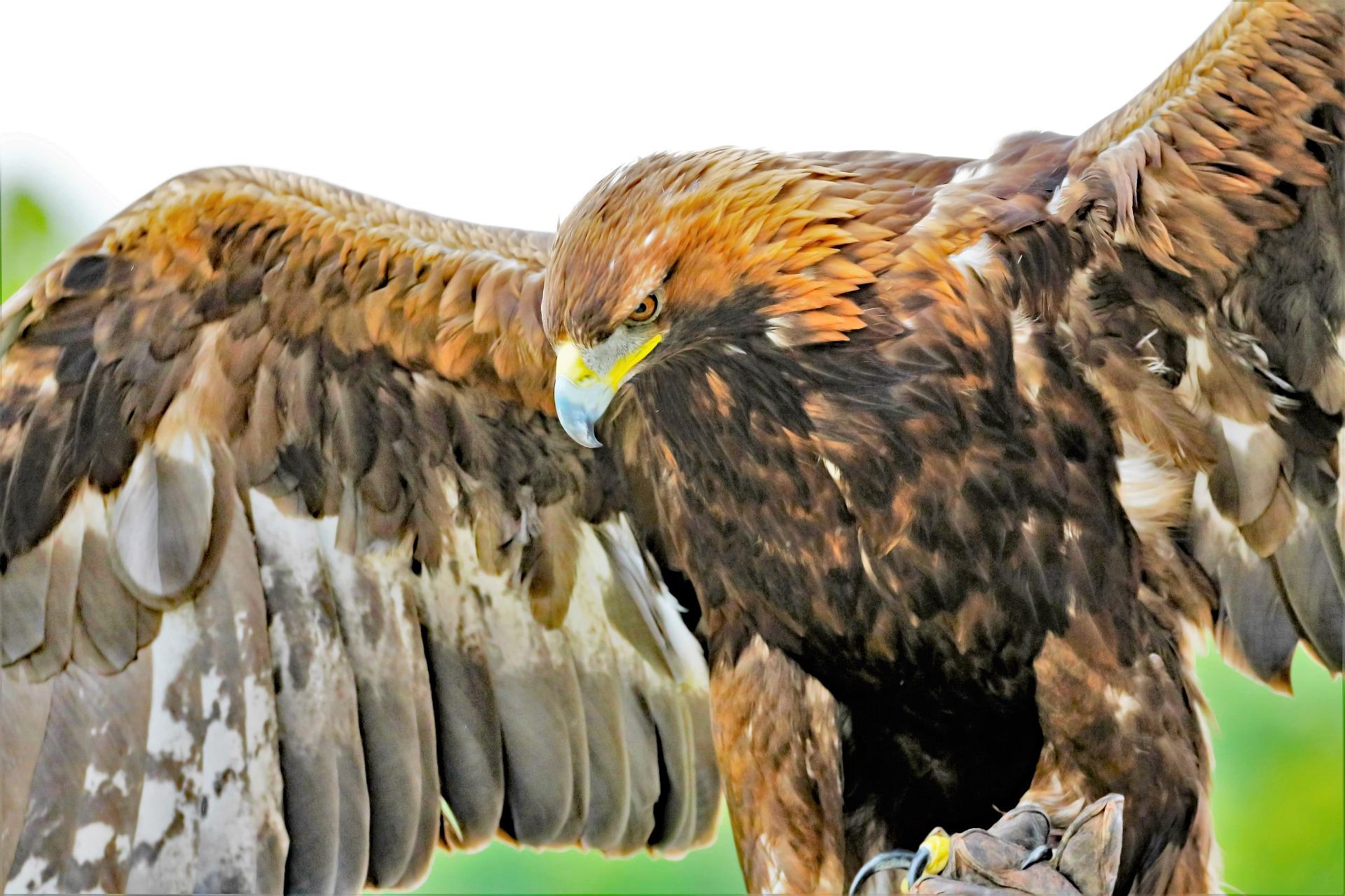
Many people dream of owning a majestic golden eagle, but few ever take the plunge and actually get one. If you’re considering becoming a proud owner of this stunning bird, here are a few things you should keep in mind. In this post, we’ll outline what it takes to own a golden eagle and provide tips on caring for your new pet. Keep reading to learn more!
Yes! A falconer can own a golden eagle as long as they have the proper permits. Golden eagles are considered a protected species in the United States, so special permits must be obtained before owning one. They are not easy to care for, but with the right knowledge and experience, a falconer can successfully keep one as a pet.
Golden eagles require a lot of space and a steady diet of fresh meat, which makes them not the best pet for everyone since they require a lot of space. But if you’re prepared to make the commitment, a golden eagle can be a fascinating and rewarding addition to your life. So let’s take a look at what requirements are needed to get golden.
What licenses or permits are needed to own a golden eagle?
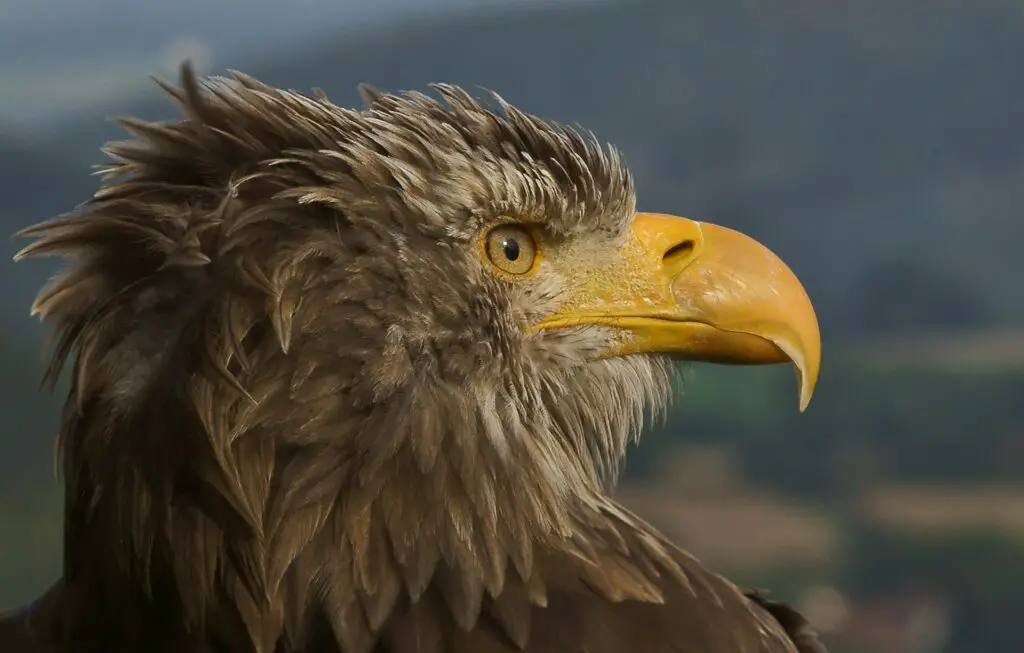
Owning a golden eagle without a permit in the United States is illegal. As members of the Bald and Golden Eagle Protection Act Group, golden eagles are well protected under this act, which prohibits anyone from taking, possessing, buying, selling, or bartering bald or golden eagles, their parts or feathers, or their nests. For a permit to be obtained for the possession of a golden eagle, applicants must show that they will use the eagle for one of the following purposes: scientific research, public display, propagation in captivity, or Native American religious ceremonies. Permits are issued by the U.S. Fish and Wildlife Service. Applicants must also submit to a background check and pass a written exam on eagle biology and management. A person found in possession of a golden eagle without a permit could be fined as well as sentenced to one year in prison.
How are golden eagles used in the falconry industry?
An American golden eagle can reach up to seven feet in wingspan, which is the best vantage point in North America. They are powerful flyers and can reach speeds of up to 150 miles per hour. Golden eagles are also known for their keen eyesight, which allows them to spot small prey from great heights. These characteristics make golden eagles well-suited for the falconry industry and great birds to train and hunt with . Falconry is the practice of hunting large animals with trained birds of prey. Falcons have been used in falconry for centuries, but golden eagles are relatively new to the sport. Due to their size and power, golden eagles are often used for hunting larger game, such as foxes and rabbits. In addition, their keen eyesight allows them to spot games that might be hidden in thick vegetation. As a result, golden eagles have become an increasingly popular choice for falconers looking to add variety to their hunting grounds.
What restrictions are placed on falconers who own golden eagles?
Historically, falconry has been used to hunt raptors, and while it is still practised today, there are many regulations in place to protect these birds. One of the most protected species is the golden eagle, which is native to North America. In order to own one of these birds, falconers must obtain a special permit from the U.S. Fish and Wildlife Service. There are only a few hundred golden eagles in captivity, and they can only be found in zoos or private collections. Falcons that are used for falconry must be captive-bred, and it is illegal to capture wild birds for this purpose. If a golden eagle is found dead, its body must be turned over to the nearest USFWS office so that it can be examined to determine the cause of death. These restrictions help protect this endangered species and ensure they are not being captured or killed for falconry purposes.
What happens if a falconer breaks any of the rules governing the ownership of a golden eagle?
If a falconer breaks any of the rules governing the ownership of a golden eagle, they may be subject to penalties such as a fine or the loss of their license. In some cases, more serious offences may result in jail time. The exact penalties for a given offense will be determined by its severity and the jurisdiction in which it occurred. However, all violations of the rules governing golden eagles are taken very seriously and can have significant consequences for the offender.

How much does it cost to become a licensed falconer in the United States?
In order to become a licensed falconer in the United States, one must first complete an apprenticeship under the guidance of a master falconer. It is common for apprentices to complete training for two years; during that time, they must complete a minimum of 400 hours of training during their apprenticeship. Once the apprenticeship is completed, the applicant must pass a written and practical exam, which includes a demonstration of their skills. The cost of becoming a licensed falconer can vary depending on the individual’s circumstances, but it is typically around $2,000. Some of the associated costs include the cost of purchasing or leasing a bird of prey, in addition to equipment and materials that are needed to operate the bird of prey. However, the investment is well worth it for those passionate about falconry.
While it is legal in some states for a falconer to own a golden eagle, the practice is not without controversy. Some believe it is cruel and inhumane to keep such a large bird in captivity, while others argue that the birds can be well cared for and benefit the falconer and the community. The decision as to whether a falconer should own a golden eagle lies with the individual falconer.