

An eagle is the bird of state in the United States and is protected by law. Therefore, killing, possessing, or selling bald eagles or any of their parts is a criminal act. However, some exemptions to this law allow for limited use of bald eagles. So, can bald eagles be used for Falconry?
The answer is yes, but bald eagles are not for falconers just starting out under particular circumstances. You will need lots of experience and will require a specific license to keep these raptors. However, bald eagles are powerful predators, and with the proper care, they will live a long and happy life with you.
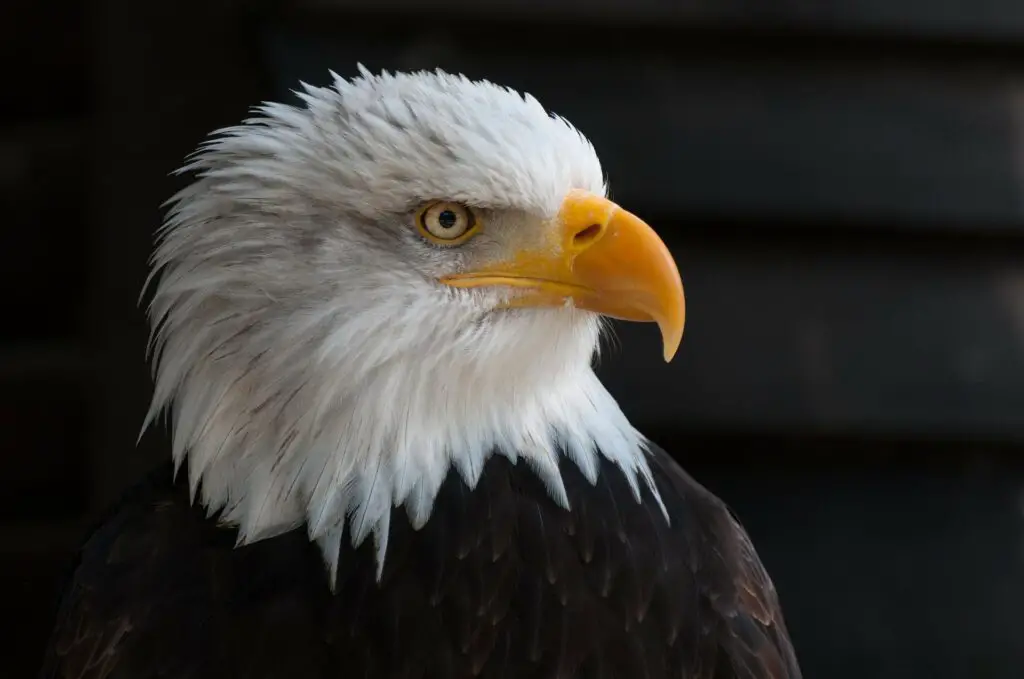
Bald eagles can be magnificent birds to use for Falconry. Their skillset is fantastic for hunting, but it cannot be done if you don’t have the experience, so read on to find out how it’s best to keep these raptors and their best practices.
Bald Eagles in Falconry
If you are thinking about getting a bald eagle for your Falconry, you will need to have an experienced handler with you at all times. These birds are not recommended for beginners due to their size and power. In addition, you will need to obtain a special permit from the US Fish and Wildlife Service in order to keep a bald eagle.
Bald eagles can make great falconry birds with the proper care, housing, and handling. They are powerful predators that can provide many years of enjoyment for experienced falconers.
Are bald eagles hard to train?
Although they are now the national symbol of the United States, bald eagles were once on the brink of extinction. However, their population has rebounded thanks to conservation efforts, and they can now be found in many parts of the country. While they are still protected by law, some people have started to train them for hunting and Falconry. However, bald eagles can be challenging to teach, and starting when they are young is essential.
They are also very sensitive to noise and commotion, so trainers need to be patient and calm. With perseverance, it is possible to get bald eagles to obey simple commands. However, it is crucial to keep up the training regularly, or they will quickly forget what they have learned.
How fast can a bald eagle fly?
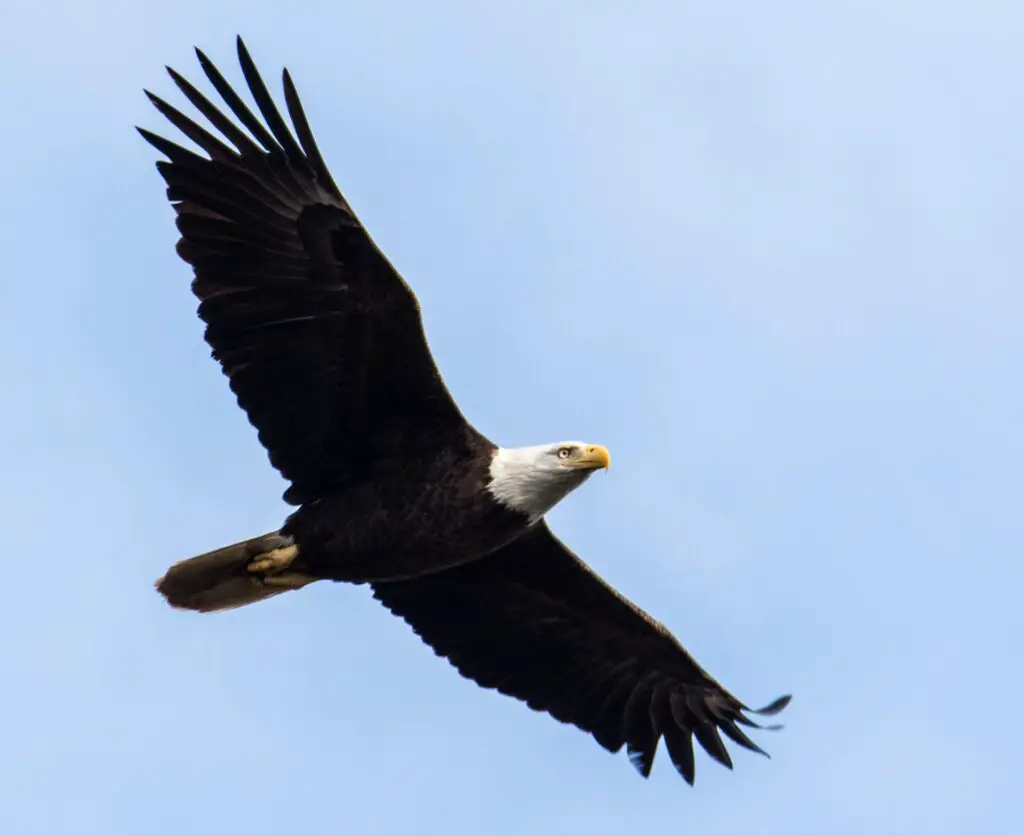
Bald eagles are a North American bird species known for their impressive flying abilities. Speeds can reach 60 miles per hour, making them one of North America’s fastest species of birds. In addition to their rate, bald eagles are also incredibly agile, able to perform acrobatic feats in the air that other raptors cannot match.
This combination of speed and agility makes bald eagles an excellent choice for Falconry, where they can be put to good use in hunting. While bald eagles are not currently endangered, they were once hunted to the brink of extinction. In the present day, they are legally protected, and their numbers are steadily but steadily increasing. Thanks to their impressive flying abilities, bald eagles will continue to be admired by bird lovers for years to come.
What does bald eagles’ diet consist of?
Bald eagles are majestic creatures that have long been a symbol of America. These powerful birds of prey are known for their impressive hunting skills, and their diet consists primarily of fish. The species will, however, also eat small mammals, birds, and carrion if necessary. Their keen eyesight allows them to spot their prey from a great distance and have very sharp talons that help them kill and eat their food. Unfortunately, bald eagles are currently endangered due to a variety of factors, including habitat loss and pesticide poisoning. Therefore, we must take steps to protect these iconic animals and ensure that they remain a part of our country’s ecosystem for generations to come.
Does a bald eagle cost a lot to maintain?
A bald eagle can be used for Falconry, but they are not the best raptor for the sport. They can be challenging to train and require a lot of maintenance. In addition, bald eagles can cost a lot to maintain, as they need a lot of food and space.
Are bald eagles suitable for beginners?
Bald eagles make great starter birds for Falconry. They are easy to train and very responsive to their handler. They are also quite hardy, making them a good choice for those just starting out in the sport.
How large is a bald eagle?
Bald eagles are birds of prey that are the national bird of the United States. They are among North America’s largest raptors, with wingspans reaching up to 7 feet. Easily recognizable by their white heads and tails, they have a call that is often described as sounding like a scream. Bald eagles tend to live near water, as they rely on fish for a significant portion of their diet. Therefore, the bald eagle population since they have been endangered for many years. Today, more than 70,000 bald eagles are thought to be in North America.
What species do bald eagles prey upon?
North America’s bald eagles are visually magnificent and recognizable birds. With their fierce eyes and iconic white head, they are a symbol of strength and power. But these birds are not just for show but also for skilled hunters. Bald eagles prey upon a variety of different species, including fish, rabbits, and other small mammals.

They have also been known to take larger prey, such as deer. While they typically hunt alone, bald eagles will also cooperate with other eagles to form hunting parties. Using this technique, they can kill larger animals that they would be unable to take down alone. The bald eagle is a fierce and powerful predator and an impressive sight to behold.
Bald eagles make amazing raptors for Falconry, but they are not the best choice for everyone. They are powerful and skilled hunters, but they do cost a lot more to maintain than most other raptors. However, suppose you are experienced in handling birds of prey and can afford to care for a bald eagle. In that case, they make an excellent choice for your next hunting partner.