
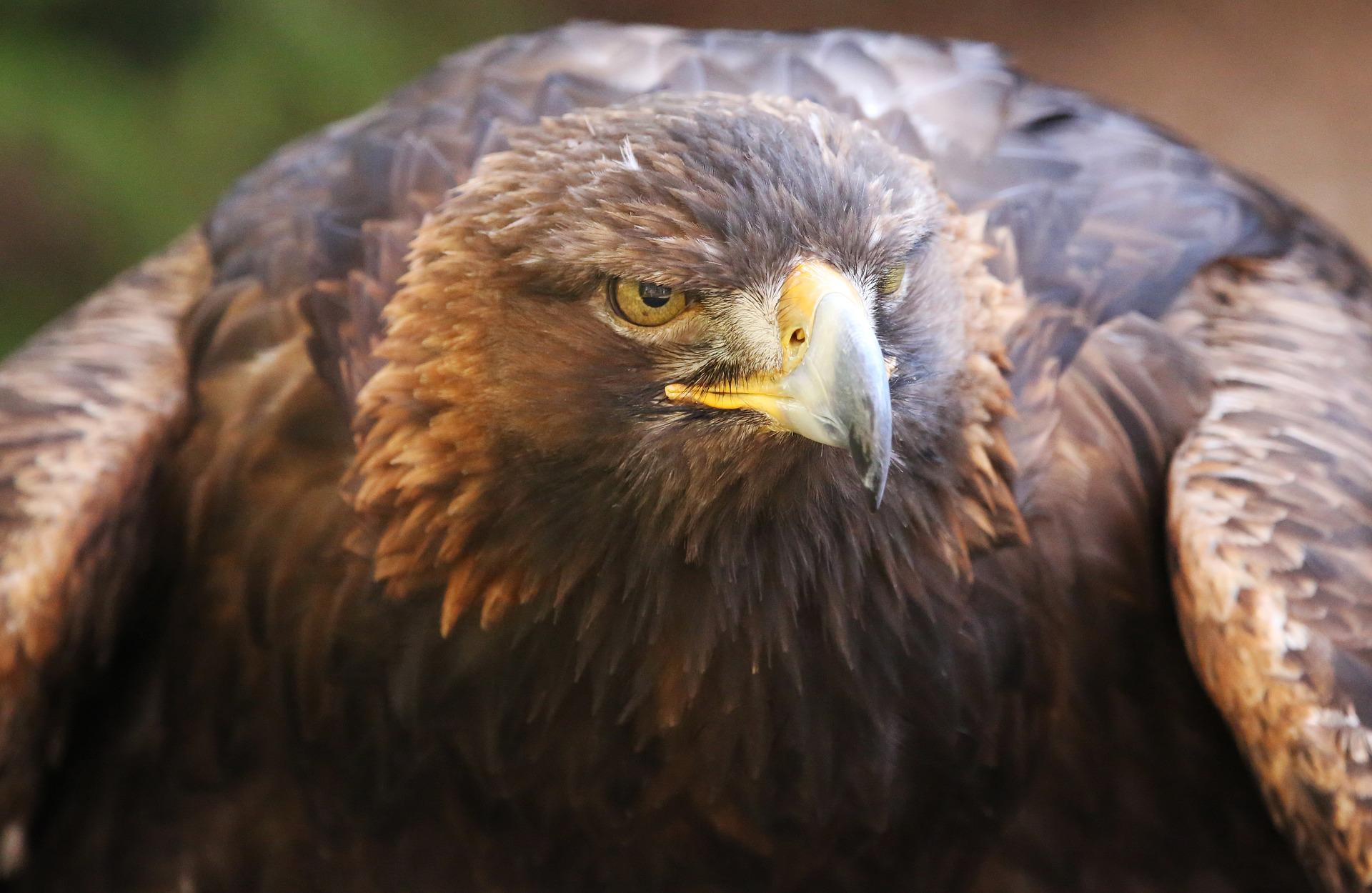
Golden eagles are majestic creatures. Found all over the world, these birds of prey are known for their characteristic golden feathers, which give them their name. But did you know that Golden eagles mate for life? They are one of the only raptor species to do so. But how exactly do they breed, and what is the process?
Golden eagles breed in the wild and in captivity, similar to other raptor species. The female will lay her eggs in a nest, typically high up in a tree or on a cliff ledge. The male will then incubate the eggs, keeping them warm until they hatch. Once the chicks are hatched, the male will continue to care for them, feeding them and keeping them safe.
Breeding golden eagles in falconry is no easy task; these raptors are picking and need their environment as close as possible to that of the wild, so we will cover in the post below all about golden eagles breeding and what stages it happens in; stay tuned.
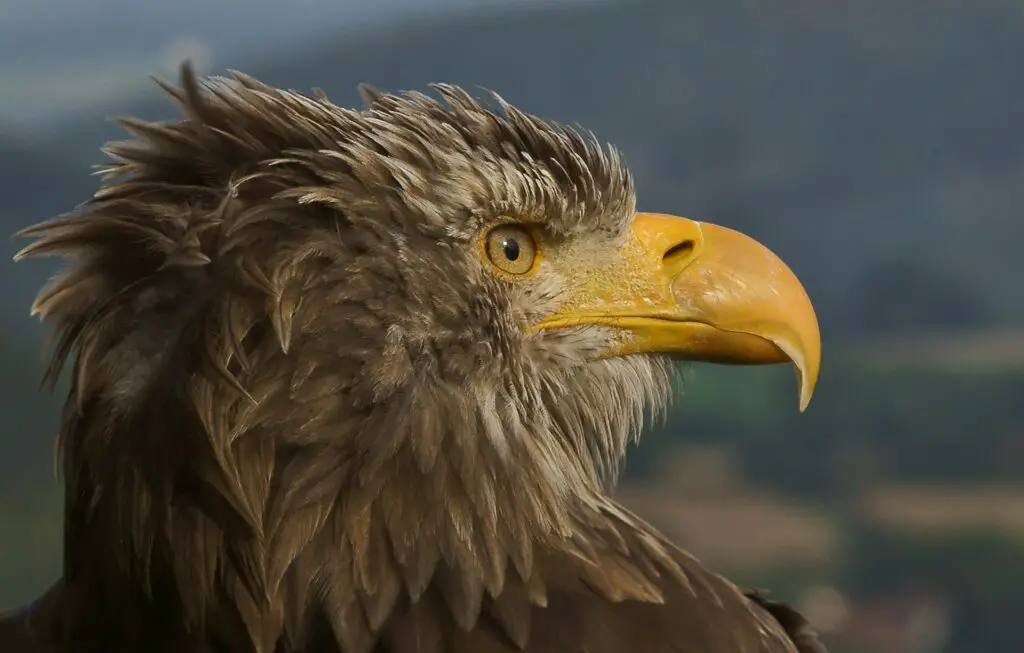
What do you need to breed Golden eagles in captivity? (master falconers only)
In order to breed golden eagles for falconry, you will need a large open area for them to nest, plenty of food for them to hunt, and a mate. Golden eagles generally nest in high places like cliffs or mountains, so you will need to provide an artificial nest for them if you do not have a suitable location. These birds are also known to be very territorial, so you must provide enough space for them to establish their own territory. Once you have a suitable location and food source, you will need to find a mate for your eagle. Golden eagles typically mate for life, so finding a compatible partner is essential. Suppose you are able to successfully breed golden eagles. In that case, you will have a powerful and majestic bird of prey that can provide hours of enjoyment in falconry.
How to prepare the nest box
Before you can breed golden eagles in falconry, you need to take some time to prepare the nest box. This will help to ensure that the eagles have a safe and comfortable place to lay their eggs. First, make sure that the nest box is securely attached to a tree or other support. The one thing you don’t want is for the box to fall and break with the eggs inside. Next, line the bottom of the box with straw or other soft material. This will provide insulation and cushioning for the eggs. Finally, add a few branches or leaves to the nest. This will give the eagles something to grip onto when they are incubating their eggs. By taking these simple steps, you can give your golden eagles the best possible chance of successfully breeding.
The mating process
Breeding Golden eagles in captivity is a complicated process requiring close attention and cooperation from the trainers and the birds. The first step is to select a breeding pair of eagles. The Birds must be compatible in size and temperament and must also be of similar age. Once a suitable pair has been selected, they will be placed in a large aviary where they can get to know each other. The aviary must also have plenty of perches, nesting materials, and food so that the birds can build their nest. Once the nest is created, the female eagle will lay her eggs.
When is the best time to breed Golden eagles?
Golden eagles are a protected species, so their breeding in captivity is strictly regulated. In order to breed golden eagles in captivity, the following climate conditions must be met: a pair of golden eagles must be present; the weather must be cold enough to stimulate egg production but not so cold that it adversely affects egg development, and there must be an adequate food supply. These requirements aim to ensure that the captive breeding population remains healthy and genetically diverse. While the climate requirements for golden eagle breeding may seem strict, they are necessary to ensure that these majestic species continue to thrive for generations to come.
How many eggs will a female lay
Each year, Golden Eagles will produce one to three offspring or eaglets. In captivity, female Golden Eagles have been known to lay up to six eggs per clutch, The reason for this increase is not fully understood, but it is thought that the lack of predators and the abundance of food may play a role, though the average is still two or three. The clutch size usually corresponds to the age and health of the eagle; younger birds typically lay smaller clutches than older ones. It is not uncommon for only one chick to survive to adulthood. This high mortality rate can be attributed to malnutrition, disease, and aggression from other birds.
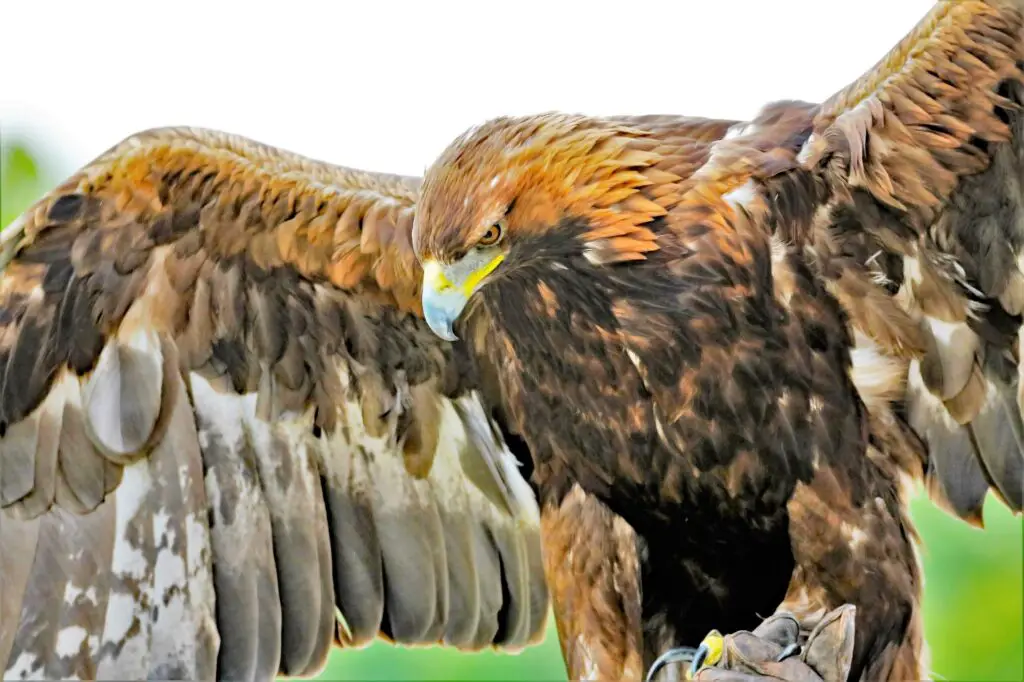
incubation and hatching of the eggs
The incubation and hatching of Golden eagle eggs is a fascinating process. The female eagle will lay her eggs in a nest made out of sticks, leaves, and other materials that she finds around her nest and then incubate them for around 45 days. During this time, she will turn the eggs regularly to ensure that they are adequately warmed. After hatching, the young eagles will spend the next few weeks learning to fly and hunt. Once they can fend for themselves, they will leave the nest and start their own families. While the incubation and hatching process can be challenging for the parents, it is vital to the species’ survival. Without these crucial early weeks, the young eagles would not be able to survive in the wild.
Golden eagles are an essential part of our ecosystem, and it is crucial to protect their breeding grounds. You can help by donating to organizations that work to protect these birds or even volunteering your time. With the help of people like you, we can make sure that golden eagles continue to soar through the skies for years to come.