
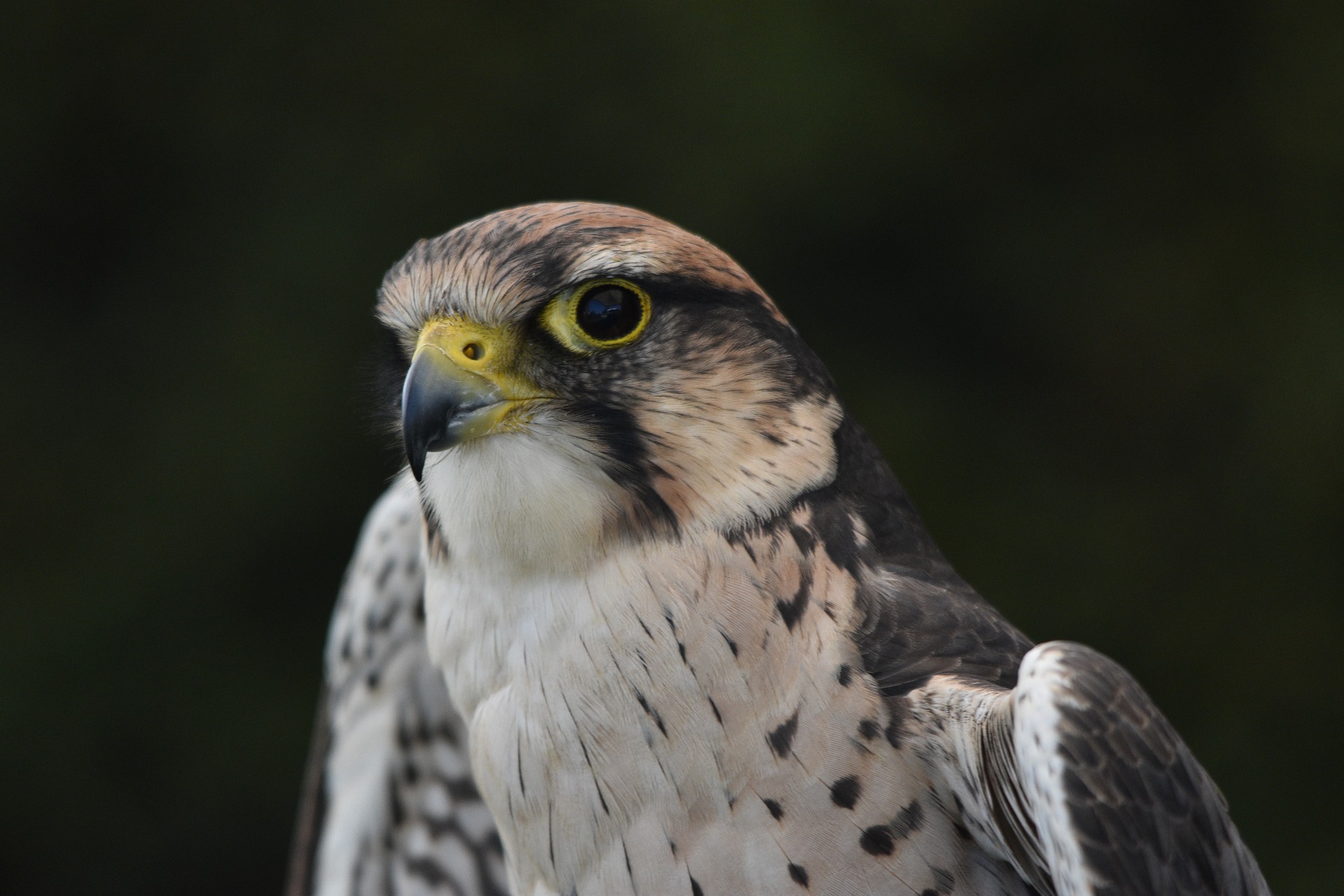
When most people think of falconry, they imagine a Harris hawk or a Peregrine Falcon. But there is another bird often used in this ancient sport – the Merlin. So, are Merlins used in falconry? Let’s take a closer look.
Yes, merlins are used in falconry. Merlins make ideal falconry birds for a variety of reasons. Transporting them is easy because they are small and lightweight. They are also very fast and agile, which makes them great for hunting smaller prey.
Additionally, merlins are relatively easy to train and tame, making them good choices for novice falconers. While they can be used for hunting small game birds, merlins are also effective at taking down larger quarries such as rabbits and hares. As with all bird species used in falconry, it is important to select a well-trained Merlin that is in good health so that you can enjoy many years of successful hunting together!

Why are Merlins preferred for hunting?
There are several reasons why these birds are so well-suited for hunting. First, they are very fast and agile in the air, making them difficult for prey to escape from. Furthermore, they possess excellent eyesight, so they can spot prey at a distance. Also, Merlins are very brave and determined hunters, making them even more effective at catching their prey. The Merlin remains a preferred hunting bird for falconers because of this.
What do Merlins hunt?
Merlins have a wide range of hunting habits, and their diet depends on the area they live in and the time of year. In North America, they typically eat small birds like sparrows and finches. They will also hunt small mammals, such as voles and shrews. In Europe, they mostly eat insects, especially dragonflies. During the breeding season, Merlins will eat more birds so they can feed their chicks. The majority of their diet is made up of whatever is most abundant in their area at the time. However, one thing that all Merlins have in common is that they are expert hunters. They have keen eyesight and can spot prey from great heights. They are also incredibly fast and agile, making them deadly predators.
What equipment do you need to hunt with a Merlin?
In order to hunt with a Merlin, the falconer will need a hood and jesses, which are straps that attach to the bird’s legs. The hood helps to keep the bird calm and focused, while the jesses provide a way to control and safely transport the bird. In addition, the falconer will need a glove or gauntlet, which provides protection from the bird’s sharp talons. Finally, a good pair of binoculars is essential for spotting prey from a distance. With the proper equipment, falconers can enjoy hours of relaxation and excitement while out in nature, connecting with birds in a way that has been practised for centuries.
How often do Merlins hunt?
Most falconers will generally allow their Merlins to hunt several times a week. This provides the bird with much-needed exercise and keeps it from becoming bored or frustrated. It also helps to maintain the falcon’s natural hunting instincts and keep its skills sharp. Hunting frequency may need to be adjusted depending on local conditions, such as prey availability or weather conditions. It is ultimately important to strike a balance between the falconer’s happiness and the Merlin’s health.
Can Merlins hunt at night?
The falcon is a day-hunting bird of prey, so it stands to reason that the Merlin would also be a daytime hunter. However, there are cases where falconers have trained their Merlins to hunt at night. This is because falcons see well at night and can adapt to low-light conditions better than most other birds. In addition, falcons are equipped with specialised feathers that help them to fly quietly and avoid detection. For these reasons, it is possible for Merlins to hunt successfully at night if they are properly trained. However, it should be noted that hunting at night is more challenging than hunting during the day, and not all falconers choose to train their birds for nighttime hunts.
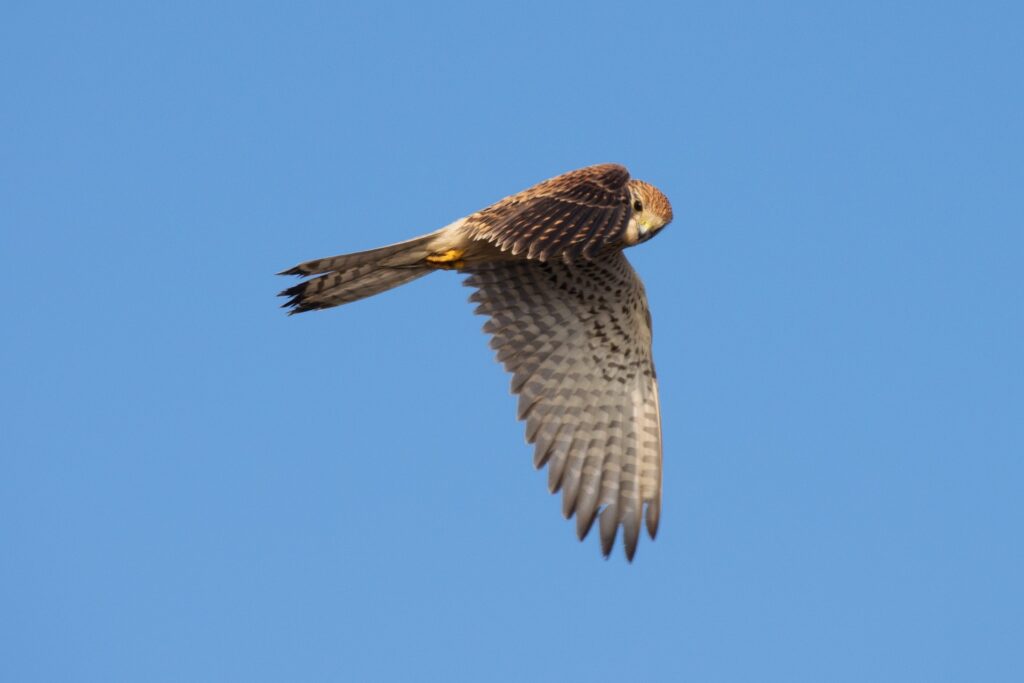
How can you sharpen Merlin’s hunting skills in falconry?
In order to sharpen Merlin’s hunting skills, the falconer must first provide him with opportunities to hunt. This can be done by taking him out on scouting trips to look for potential prey or by setting up live prey for him to hunt in a controlled environment. Once Merlin has a chance to hone his skills, the falconer can take him out on actual hunts. With proper training and practice, Merlin can become an expert hunter, providing his falconer with hours of enjoyment and satisfaction.
Are there any ethical concerns with using Merlins for hunting in falconry?
While falconry was once reserved for the nobility, it is now practised by people from all walks of life. In recent years, falconers have begun to use Merlins for hunting. This small falcon is renowned for its agility and speed, making it an ideal bird for falconry. However, some ethical concerns have been raised about using Merlins for hunting. One worry is that the birds may be under too much stress during hunts, as larger predators constantly chase them. Additionally, there are concerns that Merlins may be harvested for falconry, which could negatively impact wild populations. Overall, there are a few ethical concerns to consider before using Merlins for hunting. However, many falconers argue that these birds make ideal hunting partners and that the benefits of falconry outweigh any potential concerns.
How old does a merlin have to be to hunt?
In falconry, a young merlin is called an eyas. Once the eyas has grown enough to be trained and hunted, it becomes a falcon. The age at which a falconer can begin training an eyas varies depending on the country, but in the United States, it is generally between 4 and 8 weeks old. The falconer will work with the eyas for several months, teaching it how to hunt and showing it how to return to the glove (or fist) when called. Once the falconer feels that the bird is ready, it will be released into the wild to hunt on its own. While some falconers continue to hunt with their birds throughout their lives, others release them after a few years. Ultimately, it is up to the falconer to decide when their bird is ready to hunt independently.