
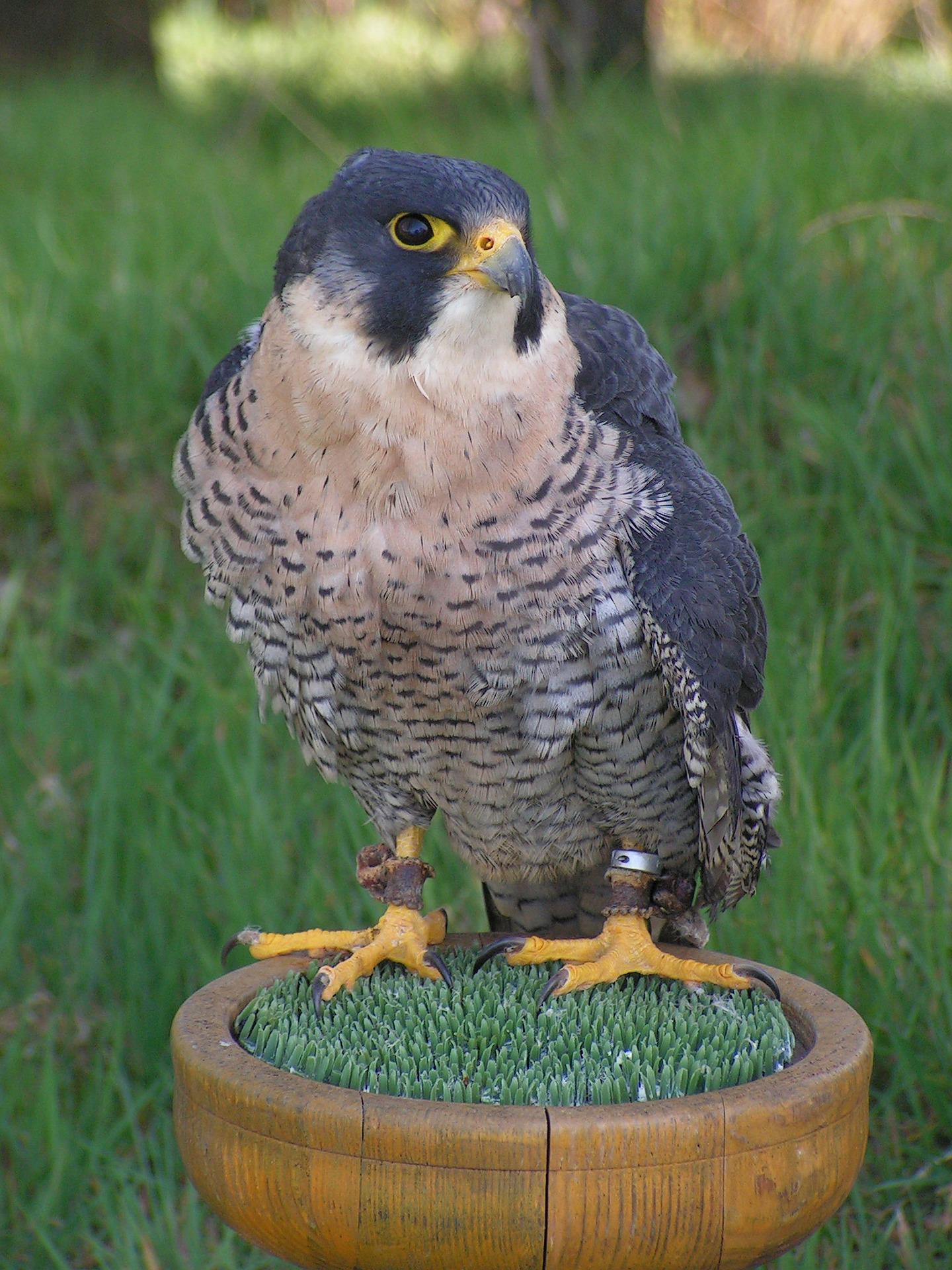
There is a lot of debate surrounding whether or not a peregrine falcon can break the sound barrier. Some falconers say that it is impossible because birds don’t have the same capabilities as planes or other aircraft. But others believe that it is possible and point to the fact that peregrine falcons can travel at more than 240 miles per hour. So which is it?
As fast as a peregrine falcon is, it does not break the sound barrier, as the barrier for sound is around 761-767 mph, while the top speed of a peregrine falcon is recorded as 240 mph, leaving the peregrine substantially short. However, take nothing away from the falcon, as this is still a marvellous speed to reach.

Peregrine falcons are really fast, and this has led to many people asking if it is possible that they can survive, so we will explore if they can, how close they come and what would happen if they did.
What is the sound barrier?
In 1947, Chuck Yeager made history by becoming the first person to fly faster than the speed of sound. But what exactly is the sound barrier? Simply put, it’s an aerodynamic barrier that aircraft must break through to fly at supersonic speeds. In the event that an aeroplane travels at speed faster than sound, the air pressure in front of it builds up to a point where it’s literally pushing the plane back. This is why supersonic flight is so tricky – aircraft have to generate enough force to overcome this “wall” of air. While the sound barrier has been broken many times since 1947, it still presents a significant challenge for pilots and engineers alike. So next time you see an aeroplane soaring through the sky, remember that it’s overcoming a genuinely extraordinary feat of aeronautical engineering.
What is the speed of sound?
The sound waves are vibrations of pressure waves travelling through the air or any other medium. Depending on the medium, sound travels at varying speeds. It is generally believed that sound travels at 330 meters per second (m/s) in the air at room temperature, or 1,130 feet per second (ft/s). In water, it travels at about 1,484 m/s (4,898 ft/s), and in steel, it travels at about 5,960 m/s (19,500 ft/s). The speed of sound is also affected by the temperature of the medium. As the temperature rises, sound speed increases. For example, at 0 degrees Celsius (32 degrees Fahrenheit), the speed of sound in air is 331.5 m/s (1,087 ft/s), but at 20 degrees Celsius (68 degrees Fahrenheit), the speed of sound is 343 m/s (1,125 ft/s).
The speed of sound is an essential factor in many applications. For example, it is used to determine the materials’ thickness, the objects’ size, and the distance of things.
What is a peregrine best speed achieved?
This species of bird of prey typically inhabits open countryside, nesting on cliffs or tall buildings. Divers have recorded Peregrine Falcons diving at speeds over 240 mph, making them one of the fastest animals in the world. While the average cruising speed of a peregrine is around 60 mph, they are capable of reaching much higher speeds when hunting. In fact, the world record for the fastest bird is a peregrine falcon that was clocked diving at 242 mph. Achieving such feats is made possible by their sleek bodies and mighty wings. When hunting, peregrines will often dive from high altitudes, using gravity to reach astonishing speeds. In other words, even though they cannot sustain those speeds for long periods of time, they are more than capable of achieving them when necessary. This is what makes them magnificent birds of prey for falconry. Their mere speed is what puts them on the top of the list for the most sort-out birds by falconers.

What would happen if a peregrine did hit the sound barrier?
What would happen if a peregrine falcon hit the sound barrier? The answer is not pretty:
- The bird would be hit with a sonic boom. This would cause it to be temporarily deaf and could damage its wings and body.
- The force of the sonic boom would cause the bird to lose control and crash.
- The impact of hitting the ground at high speed would likely kill the bird.
In short, hitting the sound barrier would be a disaster for a peregrine falcon. So let’s hope that these fantastic birds never find themselves in that situation!
How short does a peregrine falcon fall short of hitting the barrier?
Among all birds, falcons are the world’s fastest, capable of reaching up to 200 mph before diving down on their prey. However, despite their impressive speed, they still fall short of hitting the barrier by approximately 521-526 mph. This is due to their incredible agility and manoeuvrability, allowing them to change direction quickly and avoid obstacles. Although they are not able to reach the top speed of the barrier, their speed and agility still make them one of the most impressive birds in the world.
Does the sound barrier apply to birds, aircraft, and other vehicles travelling at high speeds through the air?
Does the sound barrier apply to birds, aircraft, and other vehicles travelling at high speeds through the air? According to the results, both yes and no are true. According to recent research, birds do not create a sonic boom when they fly fast because their feathers absorb the shock waves. However, when it comes to manufactured objects like aircraft, the sound barrier does apply. When an aircraft reaches the speed of sound, the shock waves created by the plane are intense enough to cause damage to the aircraft itself. As a result, pilots must be careful when flying at high speeds and take measures to avoid breaking the sound barrier. Although the sound barrier is not a danger for birds, it remains a significant safety concern for aircraft and other high-speed vehicles.
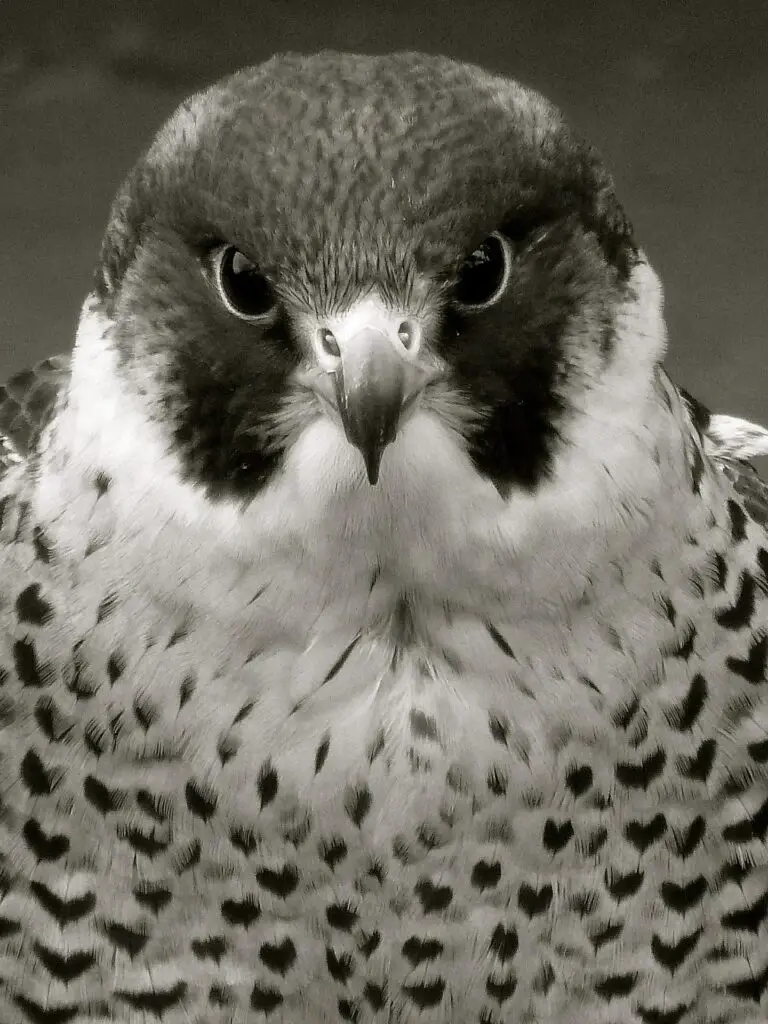
There is no doubt that the peregrine falcon is the fastest animal on the globe. They can achieve speeds of up to 242 miles per hour while diving, making them an incredible sight to behold. However, despite the inability to break the sound barrier, their speed is still awe-inspiring. It is therefore highly recommended that if you ever have the opportunity to see a peregrine in action, don’t miss it – it’s a genuinely fantastic experience.