
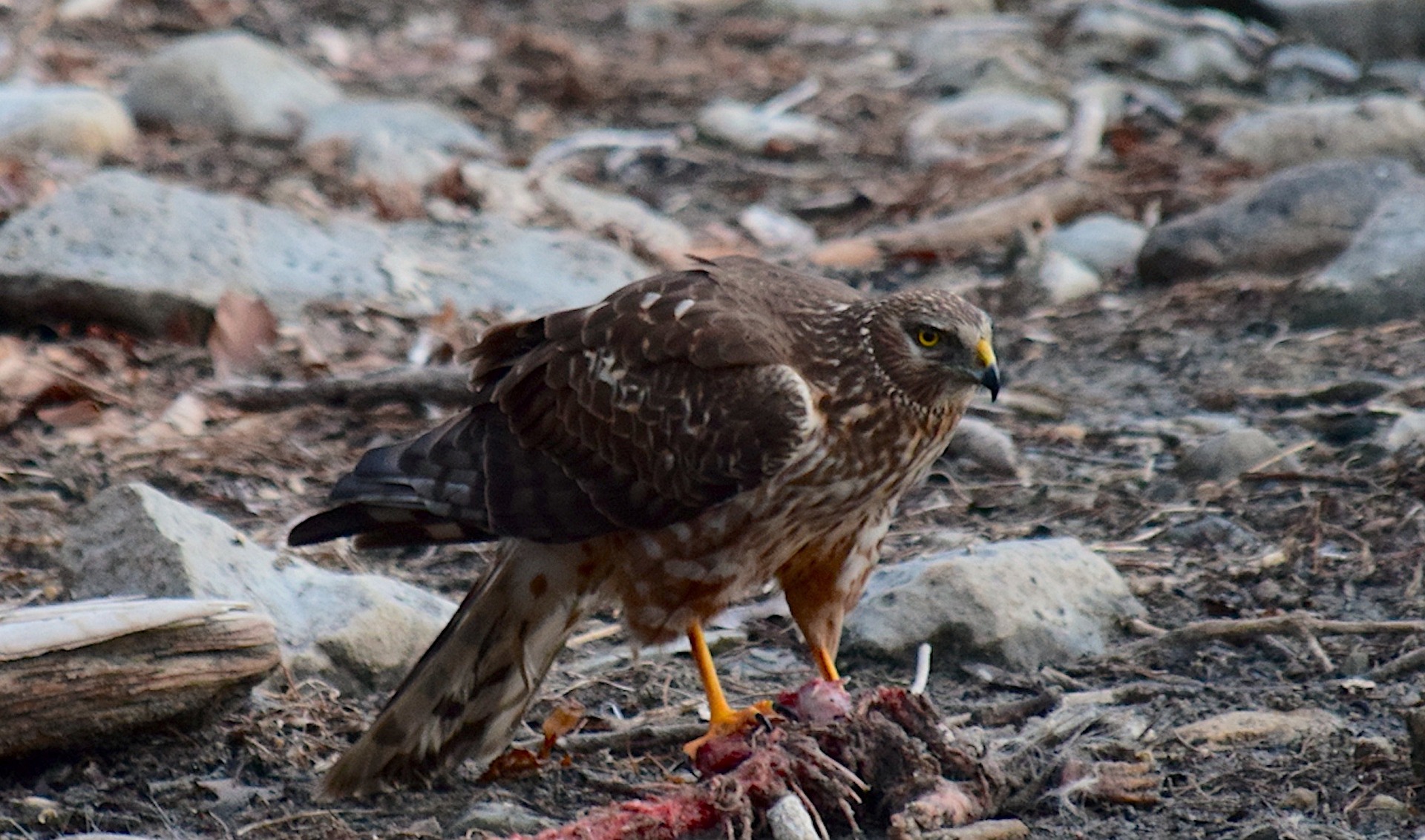
In my experience with red-tailed hawks in falconry, I’ve observed their territorial instincts coming into play. Factors like environmental cues, social dynamics, and training methods all shape this behavior. To manage territorial aggression, it’s crucial to establish authority while nurturing trust, recognize triggers, and simulate hunting scenarios. Understanding these aspects can lead to a stronger partnership between falconer and bird. There’s a lot to learn about the intricate dynamics of red-tailed hawks and their territorial nature, so I aim to help you by sharing my observations from my time keeping red-tailed hawks.
Behavior of Red-Tailed Hawks Towards Other Animals, Falconers, and Their Own Kind.
Red-tailed hawks exhibit distinct behaviors towards other animals, their falconers, and even amongst themselves. With other animals, especially potential prey, they display remarkable hunting prowess, employing stealth and speed. Their interaction is purely predatory, showcasing their role as apex predators within their ecosystem.
Red-tailed hawks can develop strong bonds towards falconers characterized by mutual respect and trust. This relationship is heavily influenced by the falconer’s approach to training and interaction. Patience, consistency, and understanding the hawk’s cues are paramount in fostering this unique partnership. Observing how these birds, while wild at heart, can cooperate closely with humans is fascinating.
The dynamics shift notably when it comes to interactions with other raptors and their own kind. Red-tailed hawks are naturally territorial and may exhibit aggression towards other birds of prey, especially during breeding season or when food is scarce. This territoriality can extend to members of their own species, where disputes over territory are common. However, outside of these stressors, they might coexist peacefully, especially where food is abundant.
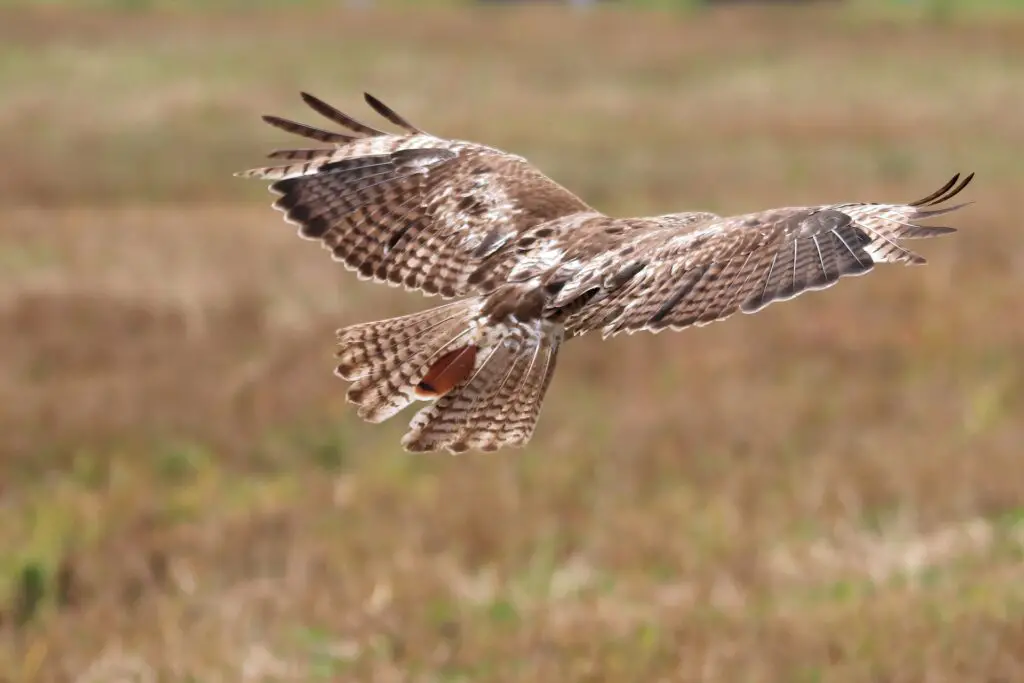
Factors Influencing Territorial Behavior in Red-Tailed Hawks
Environmental Cues
Environmental cues such as weather, food availability, and nesting sites play a significant role in red-tailed hawks’ territorial behavior. During the breeding season, their innate drive to protect their nest and offspring can lead to increased aggression towards perceived threats.
Food availability is also a crucial factor. In areas where prey is scarce, hawks may become more territorial as they compete for resources. On the other hand, in regions with an abundance of food, they may be less territorial and more tolerant of other birds.
Social Dynamics
Social dynamics also influence red-tailed hawks’ territorial behavior. As mentioned earlier, conflicts between members of their own species over territory are common, especially during breeding season. However, social hierarchy can also determine who has access to resources and territory.
Training Methods
In falconry, training methods can have a significant impact on red-tailed hawks’ behavior. Positive reinforcement techniques that focus on building trust and mutual respect can help reduce territorial aggression. On the other hand, harsh or inconsistent training methods can lead to fear and defensiveness in the bird, which may manifest as aggression towards its handler or other birds.
| Factors | Description |
| Environmental cues | External stimuli like other birds or landscape characteristics influence behavior. |
| Social hierarchy | Position in the group can affect how hawks behave towards other birds. |
| Genetic predisposition | Innate tendencies inherited from parents can influence territorial behavior. |
| Prey availability | The abundance or scarcity of prey in an area can impact territorial behavior. |
Managing Territorial Aggression in Red-Tailed Hawks
Establishing Authority While Nurturing Trust
As mentioned earlier, building a strong bond with your red-tailed hawk is crucial for managing their territorial aggression. Establishing yourself as the leader while nurturing trust with your bird is essential. This involves consistent and positive training methods, attentive observation and understanding of the hawk’s body language, and a deep understanding of their natural behavior.
Recognizing Triggers
Recognizing triggers for territorial aggression is also crucial in managing this behavior. Understanding which environmental cues or interactions may trigger aggressive behavior in your hawk can help you anticipate and prevent potential conflicts.
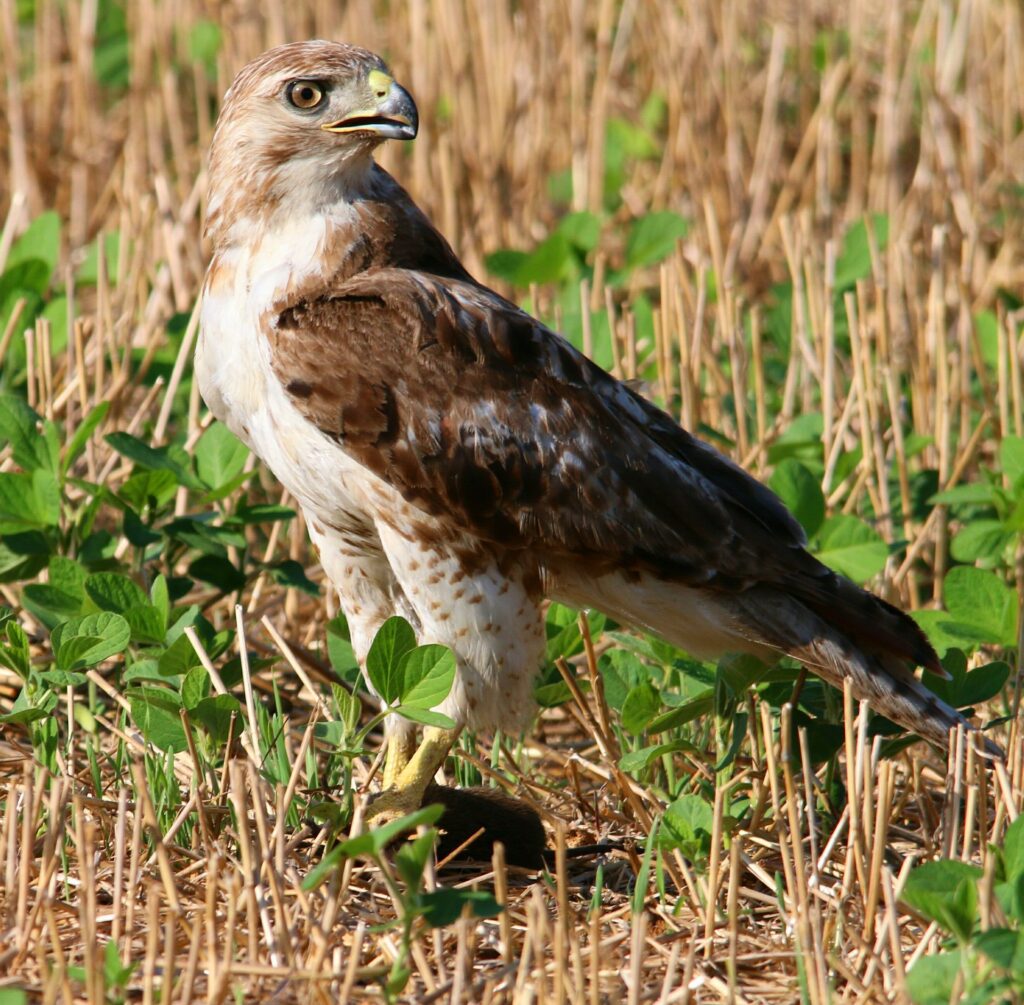
Simulating Hunting Scenarios
In falconry, it’s common to simulate hunting scenarios during training sessions. This not only helps maintain the bird’s natural instincts but also helps release pent-up energy and reduce territorial aggression. It’s important to note that these simulations should be done under the guidance of an experienced falconer, as there is a risk of injury to both the bird and the handler.
A strategic approach combining behavioral understanding and consistent reinforcement techniques is paramount to effectively manage territorial aggression in Red-Tailed Hawks during falconry training. Territorial training demands a delicate balance between establishing authority and nurturing trust. Aggression control begins with recognizing triggers, such as perceived threats to the hawk’s hunting territory.
One can gradually diminish aggressive responses by preemptively addressing these triggers through positive reinforcement and desensitization. Building a strong hunting partnership is crucial; fostering mutual respect and clear communication sets the foundation for a successful bond. Bonding techniques like daily training sessions and interactive play strengthen the human-hawk relationship and reduce territorial tendencies.
In my experience with red-tailed hawks, I have found them to sometimes display territorial behavior. Factors like breeding season and food availability can influence their aggression. However, territorial issues can be minimized with proper training and management techniques. By understanding their natural behaviors, establishing trust and authority, and anticipating triggers, falconers like yourself can develop a successful partnership with these magnificent birds of prey.