
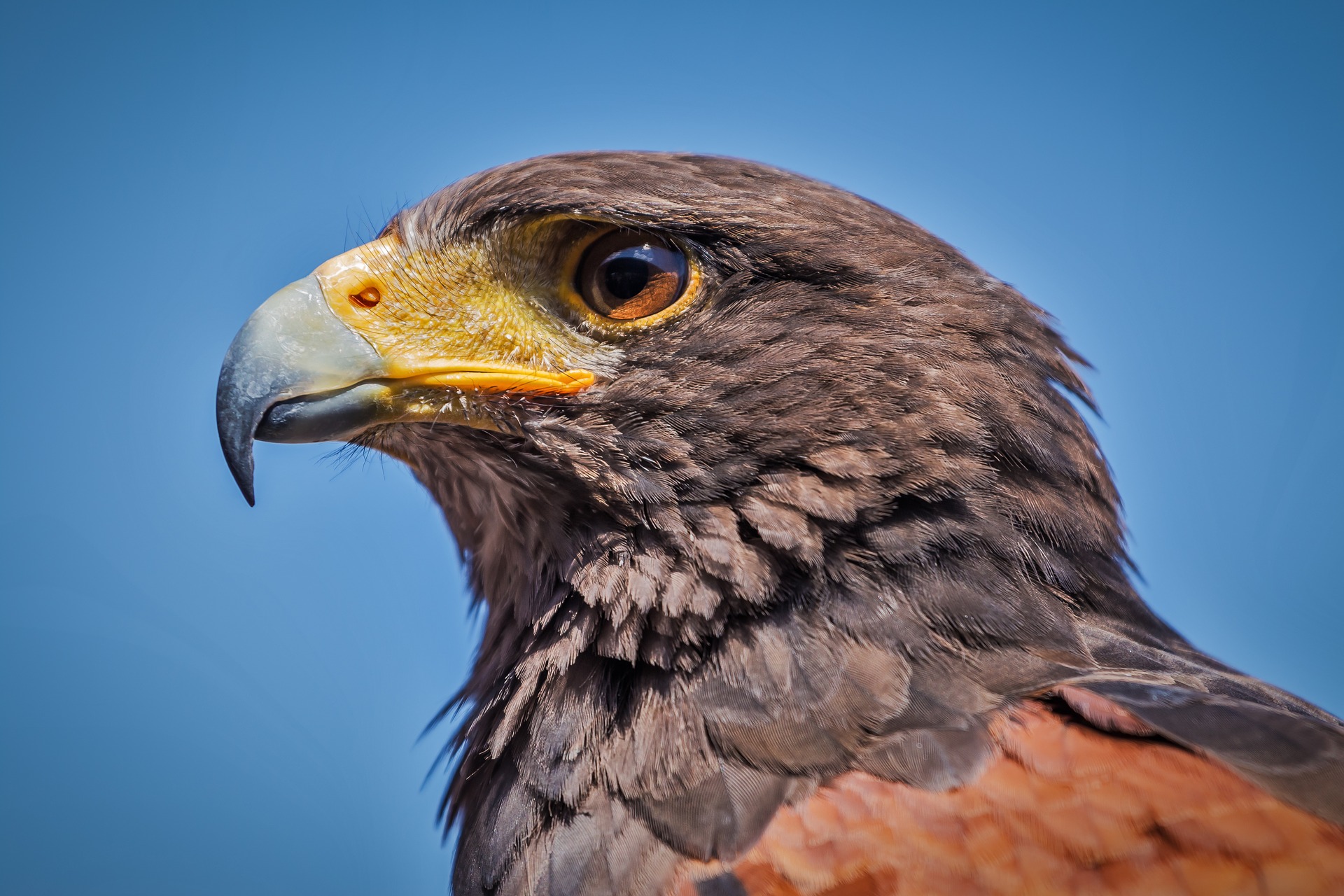
Of all animals in the world, few are as feared as the fox. They’re cunning and ruthless, with a well-earned reputation for being one of nature’s most efficient predators. So what would happen if you put a Harris hawk up against a fox? This blog post will look at some potential outcomes of such a matchup. Spoiler alert: it’s not always clear who would come out on top!
It’s possible, but it would be very difficult. Foxes are much larger than Harris Hawks and have thick fur that protects them from the hawk’s claws. Additionally, foxes are very quick and agile, making them hard to catch. So while it is possible that a Harris Hawk could kill a fox, it would be very unlikely.

While this is undoubtedly an impressive feat, it is essential to remember that Harris hawks are not typically capable of killing foxes on their own. Therefore, if you see a Harris hawk attacking a fox, it is likely that the hawk is working together and hunting as a group.
Do hawks eat foxes?
Hawks are large, carnivorous birds of prey, and they are known to hunt a variety of small animals. This includes rabbits, rodents, and snakes. However, there is no record of hawks preying on foxes. Foxes are actually much larger than the average hawk prey, and they would likely be too difficult for a hawk to take down. Additionally, foxes tend to live in different habitats than hawks, so it is unlikely that the two species would come into contact with each other very often. At the same time, it is possible that a hawk could kill and eat a fox if the opportunity arises, but it is not likely that this would happen on a regular basis. Although given the opportunity, if a hawk comes across a dead or injured fox, it will definitely hunt and eat the fox. Falconers never attempt training their bird to hunt and kill a fox, as this hurt and seriously endangers the bird.
Do hawks kill baby foxes?
While it is certainly possible that hawks could kill baby foxes, there is no definitive evidence that this actually happens. Hawks are predators and sometimes prey on small mammals like rabbits and rodents. However, most hawks are not large enough to take down a full-grown fox, let alone a kit. In addition, hawks will typically hunt during the day, while foxes are more active at night. For these reasons, it’s unlikely that hawks are a significant source of mortality for baby foxes. However, if you are concerned about the welfare of foxes in your area, there are many other things that you can do to help them, such as providing food and water sources or building nesting boxes.
Is a hawk’s success rate higher when hunting in groups or alone?
Hawks are among one of the most skilled predators in the avian world, capable of successfully taking down prey much larger than they are. While they typically hunt alone, there have been instances where hawks have been seen hunting in groups. So, which hunting strategy is more successful?
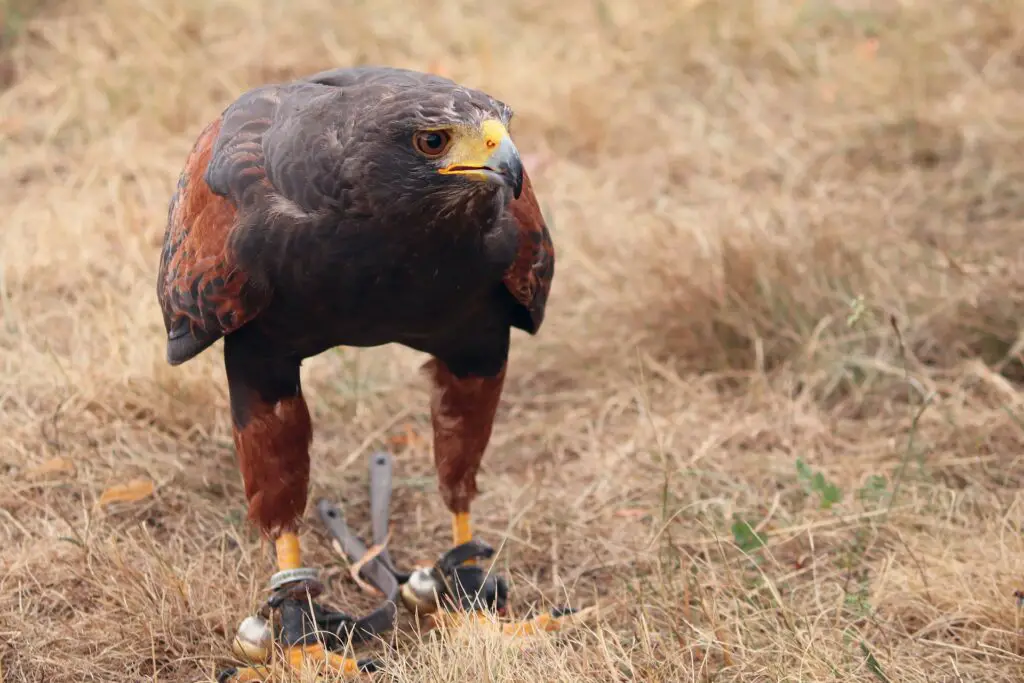
There’s no , as it depends on the situation. If there is an abundance of prey and the hawks are able to work together to corner their prey, then hunting in a group can be more successful. However, if there is only one or two potential prey items and the hawks are competing for them, then it is more advantageous to hunt alone. In general, it seems that hawks are more successful when they hunt in groups in the wild. This could be because there is greater safety in numbers, and hawks can take advantage of the fact that other hawks will flush out prey items from hiding places. Whatever the reason, it is clear that hunting in a group is a successful strategy for hawks. Although hunting with a falconer is a different scenario altogether.
Can a hunting group of hawks kill a fox?
The short answer is yes, a group of hawks can kill a fox. Hawks are predators, and they work together in order to take down their prey. They are also very efficient hunters and can spot a fox from high up in the sky. When they see one, they will circle around and then dive down to attack it. The fox usually tries to run away, but the hawks chase it down and kill it. Sometimes, however, the fox can defend itself and kill one or more of the hawks in the process. So, while it is possible for a group of hawks to kill a fox, it is not guaranteed.
Can a Fox injure a Harris hawk?
A Harris hawk can undoubtedly be injured by a fox. A Harris hawk is a large bird of prey with a wingspan of up to four feet. They are typically found in open habitats, such as deserts or grasslands. Foxes, on the other hand, are small mammals that are found in a variety of habitats all over the world. While they are’nt typically known to be predators of birds, they will attack smaller birds if they are hungry enough. In fact, foxes have been known to kill birds as large as chickens. Given their size difference, it is not surprising that a fox could easily injure or kill a Harris hawk. Therefore, if you see a fox near a Harris hawk, it is vital to keep an eye on the situation and be prepared to intervene if necessary.

Will Harris hawks kill other animals that they don’t usually prey on?
Hawks are predators, and they will kill smaller animals for food. This includes pets such as cats and small dogs. While hawks typically go after wild prey, there have been increasing reports of attacks on domestic pets in recent years. This is likely because of several of factors, including the increased popularity of outdoor pets and the increased presence of hawks in urban areas. Regardless of the cause, it is crucial to be aware that hawks pose a risk to small pets. Therefore, pet owners should take precautions to protect their animals, including keeping them indoors or supervising them when they are outdoors.
In conclusion, hawks are large birds of prey that typically hunt smaller animals such as rabbits, rodents, and snakes. There is no record of hawks preying on foxes, and this is unlikely to happen regularly. But if the hawk is trained for falconry to hunting a specific animal, the falconer may successfully capture the prey with his hawk’s help.