

Yes, Harris hawks can fly in the rain due to their specialized feather waterproofing that repels water efficiently. They adjust their hunting techniques, displaying expertise in managing moisture during flight. Their adaptability allows them to maintain agility and speed in wet conditions, ensuring successful prey catches. The waterproof plumage and natural oil coatings on their feathers prevent water seepage, enabling them to stay warm and agile. While rain poses challenges like weight increase and aerodynamic disruptions, Harris hawks can still fly in the rain, maybe not as well as in clear weather, but they can definitely fly in the rain.
Can Harris Hawks fly in the rain?
When faced with rain, Harris hawks display remarkable adaptability in their flight behavior. On a rainy day, these magnificent birds exhibit unique strategies to cope with the wet conditions. One key aspect of their rainy-day behavior is their feather waterproofing mechanism. The intricate structure of their feathers, combined with natural oils, helps repel water, preventing their feathers from becoming waterlogged. This waterproofing ability allows them to maintain their agility and speed even in wet weather conditions.
In addition to feather waterproofing, Harris hawks also adjust their hunting techniques to suit the rainy weather. Wet weather hunting involves a different approach, as their prey may seek shelter or behave differently in the rain. Harris hawks are known to adapt their hunting strategies to effectively catch their prey even during rainfall.?
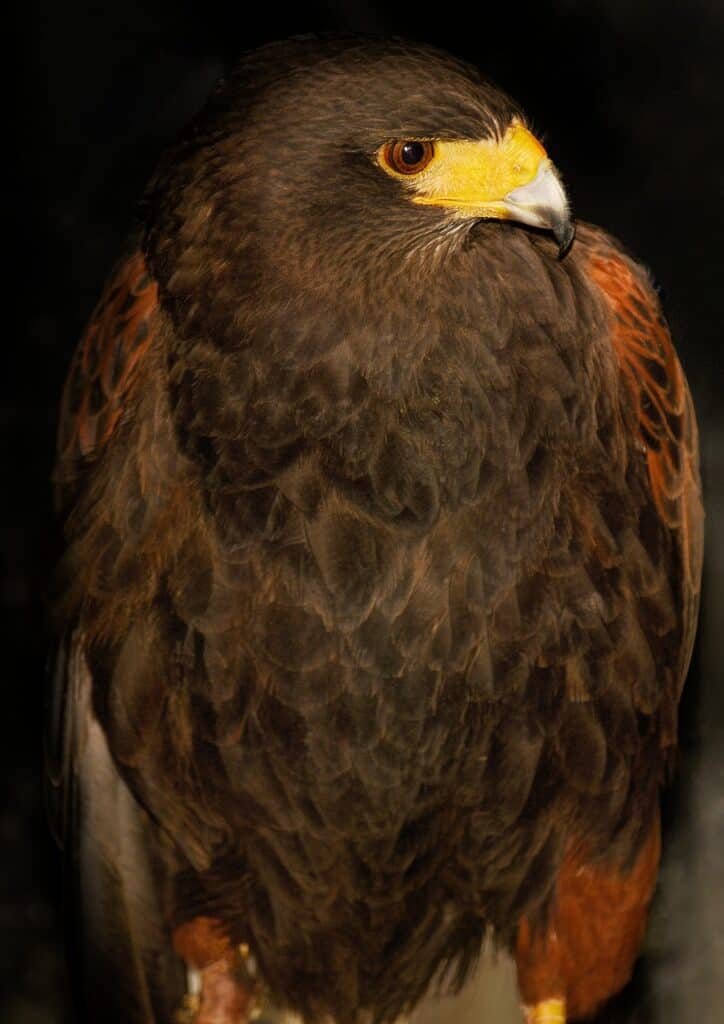
Furthermore, their flight patterns during rainfall showcase their expertise in moisture management. They navigate through the rain with precision, utilizing aerodynamic maneuvers to minimize the impact of the wet conditions on their flight performance. Overall, Harris hawks demonstrate remarkable skills in coping with rainy weather, making them formidable predators even in challenging conditions.
Impact of Rain on Flight Performance
Navigating through rainfall impacts the flight performance of Harris Hawks. Weather conditions play a crucial role in determining the flight capabilities of these birds, especially on rainy days. The aerodynamic challenges posed by raindrops hitting their wings create disturbances in their flight path, requiring swift adjustments to maintain stability and speed. Wet feathers further exacerbate the situation by increasing the weight the birds need to lift during flight, affecting their overall maneuverability.
Observing Harris hawks in rainy conditions highlights their ability to navigate through adverse weather environments, demonstrating their remarkable skills in overcoming aerodynamic obstacles.
Flying Strategies in Adverse Conditions
Employing precise aerial maneuvers, Harris hawks adeptly adapt their flight techniques to overcome challenging weather conditions. Their exceptional aerial agility allows them to navigate through turbulent winds and sudden gusts with remarkable finesse. When faced with adverse weather, such as heavy rain or strong winds, Harris hawks showcase their exceptional weather resistance by adjusting their flight paths and speeds accordingly.
Rain evasion becomes a priority as these birds utilize their keen eyesight and quick reflexes to avoid precipitation, ensuring minimal impact on their flight performance. Their flight endurance is a testament to their resilience in adverse conditions, as they can sustain long flights even when faced with challenging weather patterns. Through strategic precipitation avoidance tactics and their innate ability to adapt to changing environments, Harris hawks demonstrate unparalleled flying capabilities that enable them to thrive in a variety of weather conditions.

Challenges of Flying in the Rain
In adverse weather conditions, the challenge of flying in the rain presents Harris hawks with a test of their aerial capabilities and weather endurance. Rainy weather can significantly impact the flight abilities of these birds of prey, posing several obstacles that they must overcome. Some of the challenges faced include:
- Flight challenges: The rain can create turbulence and strong gusts of wind, making it harder for Harris Hawks to maintain a stable flight.
- Wet feathers: When flying in the rain, Harris hawks’ feathers can become waterlogged, increasing weight and reducing their aerodynamic efficiency.
- Aerial navigation: Rain can impair visibility, making it challenging for these birds to navigate through the air and locate prey or suitable perches.
- Weather patterns: Understanding and adapting to changing weather patterns is essential for Harris hawks to ensure their safety and successful hunting endeavors.
In conclusion, Harris hawks have the ability to fly in the rain due to their natural adaptations and unique flying strategies. While rain may pose challenges for flying, these birds have evolved to navigate through adverse weather conditions with grace and efficiency. Their feathers are designed to shed water and maintain aerodynamic performance, allowing them to continue hunting and soaring even in wet weather.