
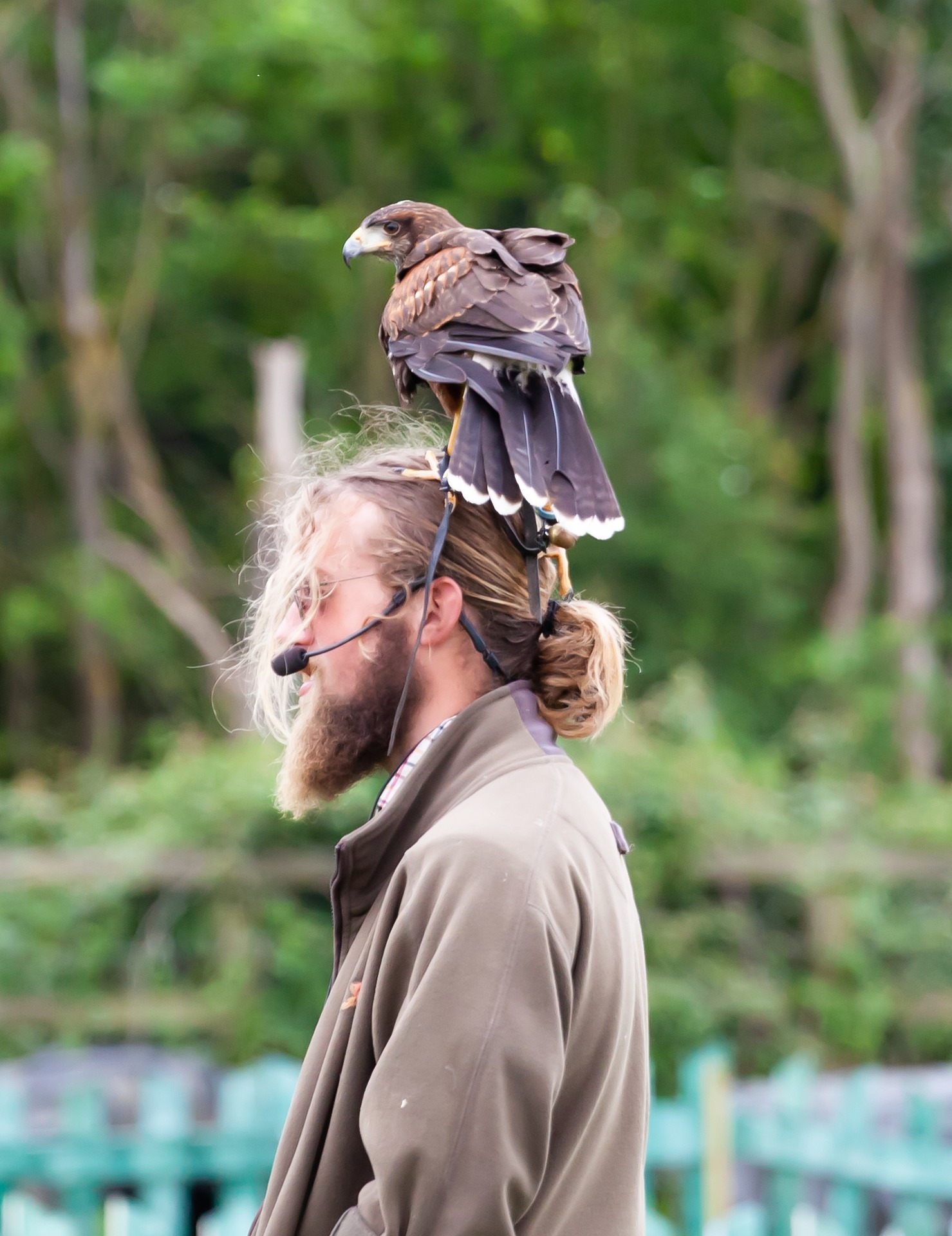
Yes, you must obtain a license to own a Harris Hawk for falconry purposes. It’s crucial to adhere to legal regulations, which include Proper training and spacious aviaries for their well-being, well-balanced diets, and large amounts of attention. Keeping a raptor is a massive responsibility, but If you are interested in getting one or are just curious about the process, have a read over what I laid out, and everything will make sense.
Legal Regulations for Owning a Harris Hawk
The rules and regulations surrounding the ownership and care of Harris Hawks are designed to ensure these birds are given a quality of life that is as close as possible to their natural existence. Owners must have a specialized license, which often involves passing a knowledge test and undergoing a facility inspection to ensure that the aviary meets specific space requirements. For a Harris Hawk, aviaries should be large enough to allow the bird to fly short distances; a minimum size of 8 feet in height, 6 feet in width, and 12 feet in length is recommended. The structure must also protect the birds from adverse weather conditions and potential predators.
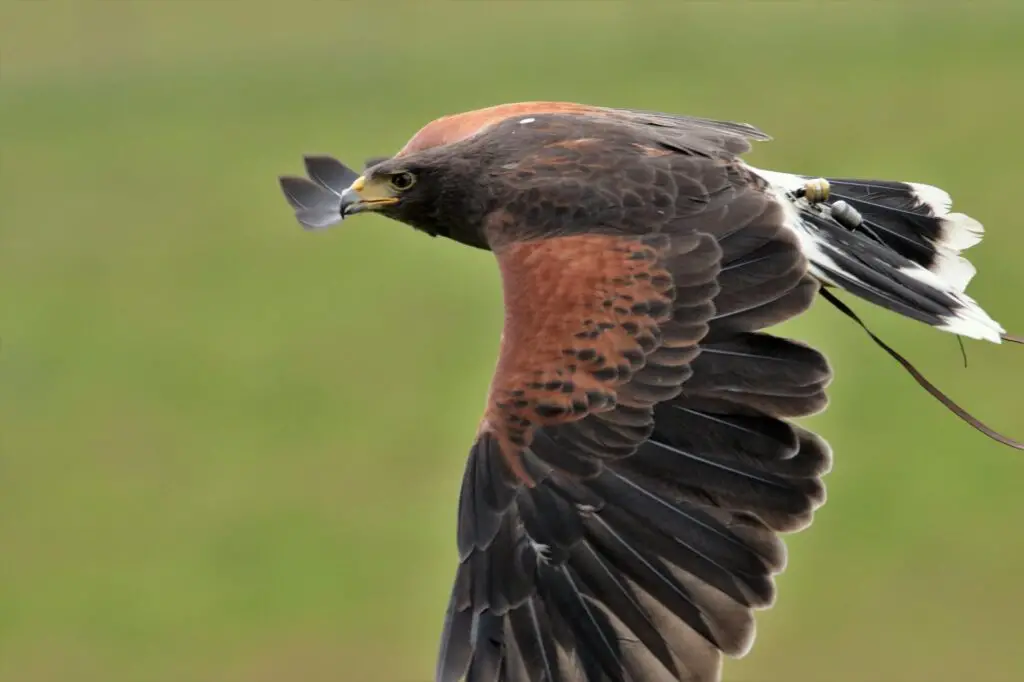
In addition to space and housing guidelines, regulations often stipulate that Harris Hawks should receive a diet mimicking what they would consume in the wild. This diet consists primarily of small mammals and birds. Owners must also commit to regular health checks with a veterinarian experienced in raptor care.
Furthermore, as part of the ownership agreement, individuals may need to demonstrate their commitment to conservation efforts and the preservation of natural habitats. Importantly, falconry regulations vary significantly from one jurisdiction to another, so it’s crucial to consult local wildlife authorities for the most accurate and relevant information.
Licensing Requirements for Harris Hawks in the United States
In the United States, falconers must adhere to regulations set by state and federal authorities. The U.S. Fish and Wildlife Service (USFWS) is responsible for issuing permits at the federal level, while individual states have their own requirements for obtaining a license. Some states may require a general hunting license in addition to a falconry permit, while others may have specific education and training requirements. It’s paramount to note that owning a Harris Hawk without the necessary permits is illegal and could result in severe penalties.
To obtain a federal falconry permit, individuals must first complete an application through the USFWS website. This process includes passing a written examination on raptor identification, care, handling, and submitting a detailed plan for the bird’s care and training. The USFWS also conducts annual inspections to ensure that falconers are meeting all requirements. Failure to comply with federal regulations could result in revocation of the permit and possible legal consequences.
Steps to Obtain a Harris Hawk License
If you’re interested in obtaining a license to own a Harris Hawk for falconry purposes, here are the general steps involved:
- Research applicable laws and regulations in your state.
- Contact local wildlife authorities for specific requirements and application processes.
- Complete any required education or training courses, if applicable.
- Obtain necessary permits and licenses from state and federal authorities.
- Build or acquire a suitable aviary for the bird, following space and housing guidelines.
- Find a qualified veterinarian experienced in raptor care for regular health check-ups.
- Master training techniques and provide mental stimulation for your Harris Hawk.
- Continuously educate yourself on wildlife laws and support conservation efforts.
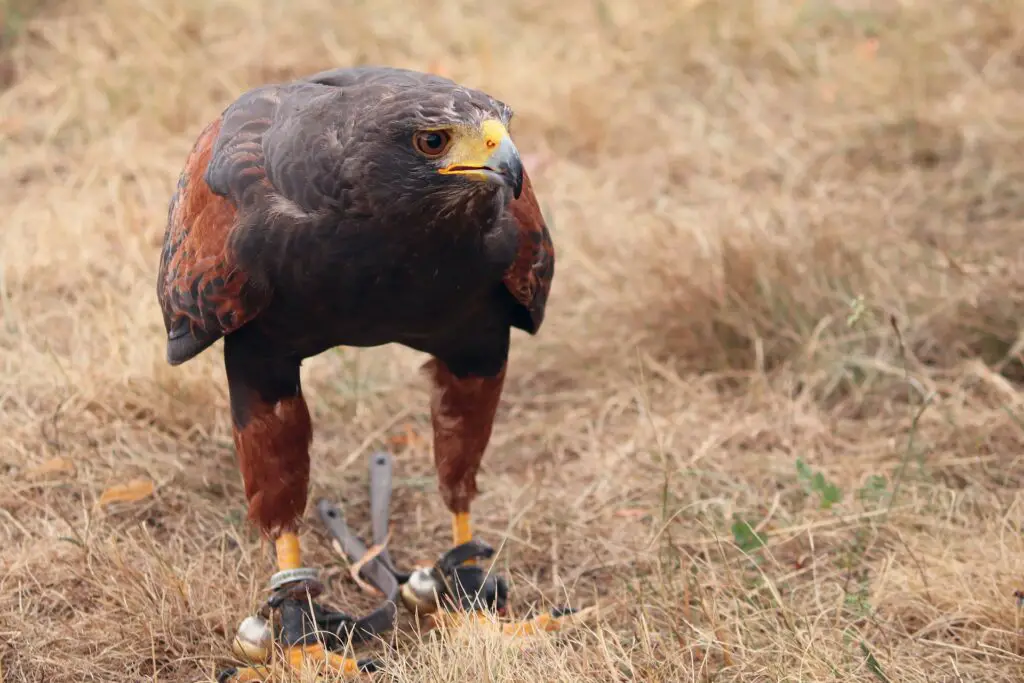
By carefully adhering to these steps and maintaining a commitment to proper care and conservation, individuals can obtain a license to own a Harris Hawk for falconry purposes. However, it’s important to remember that owning any type of bird of prey is a significant responsibility and should not be taken lightly. These magnificent creatures are protected by law, and their well-being must always be the top priority for any owner.
Are Harris hawks protected under federal law?
Yes, Harris Hawks receive protection under both the Migratory Bird Treaty Act and the Bald Eagle Protection Act at the federal level in the United States. As a result, harming or killing these birds is illegal, and trading them requires a specific permit. Ownership also demands the acquisition of proper permits and adherence to stringent regulations. Furthermore, state wildlife laws might offer additional safeguards for Harris Hawks, so check your local guidelines.
Owning a Harris Hawk is a privilege that comes with a profound sense of responsibility, not only to the bird itself but also to the broader principles of wildlife conservation and legal adherence. To thrive in captivity, these magnificent creatures require extensive care, specialized training, and a habitat that mirrors their natural environment. By following the outlined steps and securing the necessary licenses, falconers can ensure they meet all legal and ethical requirements for owning a Harris Hawk.