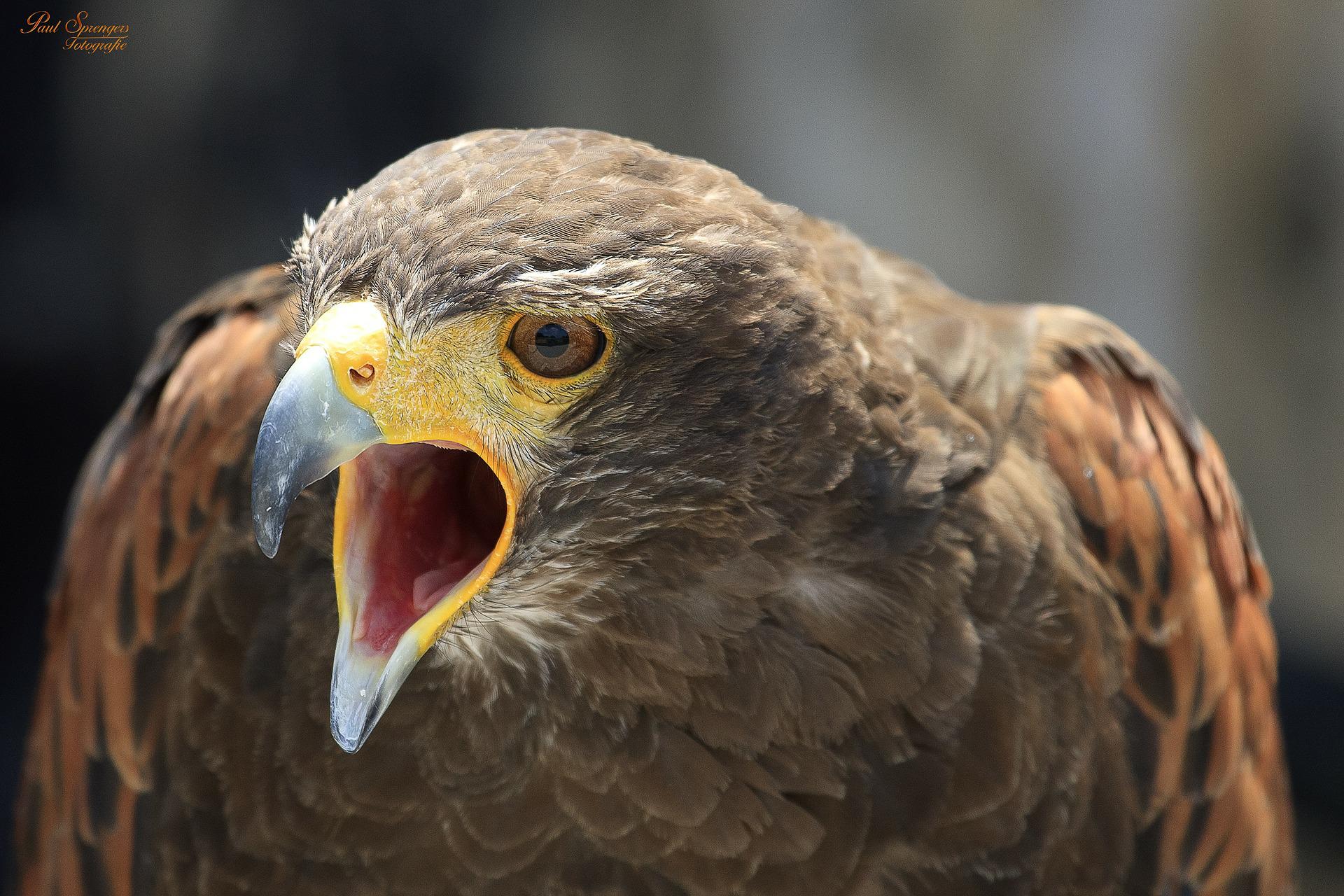
As a seasoned falconer, I can tell you that handling Harris hawks requires specialized gear. Gloves and a hood are crucial for protection and focus during hunts. Leather jesses and swivels ensure precise handling and control. Training equipment like a whistle and falconry bag aid in communication and organized outings. There is usually loads more equipment needed for a Harris hawk, so let me enlighten you about them all with the content below.
Types of equipment used for Harris Hawks
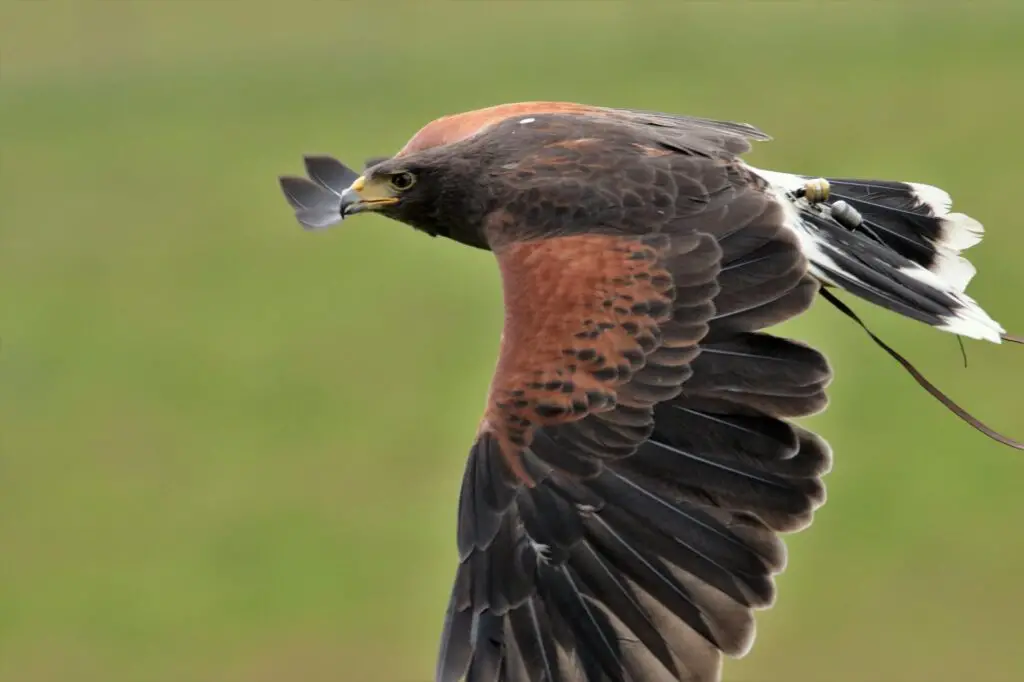
The most common equipment used for a Harris hawk in falconry is :
- Gloves
- Hood
- Leather Jesses
- Swivel
- Leash or Lure Line
- Perches
- Mews
- Bath Pan
- Weathering Area
- Creance
- Scales (for weighing the bird)
- Anklets
- Jess Ties
- Bathing Supplies (such as bird-safe soap)
- Aviary Equipment
- Food Scale
- Lure
- Whistle
- First Aid Kit (specifically for birds of prey)
- Training Equipment (such as training dummies or equipment for flying drills)
Gloves
Gloves are an indispensable piece of equipment in the world of falconry, especially when handling Harris hawks. These birds possess powerful talons capable of inflicting serious injuries, making gloves crucial for the falconer’s protection. Typically made from thick, high-quality leather, gloves shield the falconer’s hands and lower arms during interaction with the bird. They are used when the falconer is handling the hawk, during training sessions, feeding, or merely moving the bird from one location to another. Beyond protection, gloves also provide a comfortable perch for the hawk, assisting in the establishment of trust between the bird and the falconer.
The hood is an indispensable piece of falconry equipment, especially when dealing with Harris hawks. This piece of gear is predominately used to keep the bird calm and stress-free by limiting its field of vision. In the bustling and often unpredictable environment outside, the hood helps to moderate the hawk’s response to stimuli, making transport or waiting periods before a hunt significantly less distressing for the bird. A properly fitted hood covers the hawk’s eyes without discomfort, ensuring that it can be put on or removed with minimal fuss. The use of a hood is critical during training and when introducing the bird to new environments or situations, facilitating a smoother adaptation process and enhancing the overall well-being of the hawk.
Leather Jesses
Leather jesses are a fundamental component of falconry gear, which is paramount when managing Harris Hawks. These slender strips of strong leather are affixed to the bird’s anklets, serving multiple purposes, including restraint, control, and safety. When used correctly, jesses allow a falconer to securely tether a hawk without causing it undue stress or harm. The handling of Harris hawks, known for their agility and power, becomes more manageable with jesses, providing the falconer with a means to gently guide the bird’s movements.
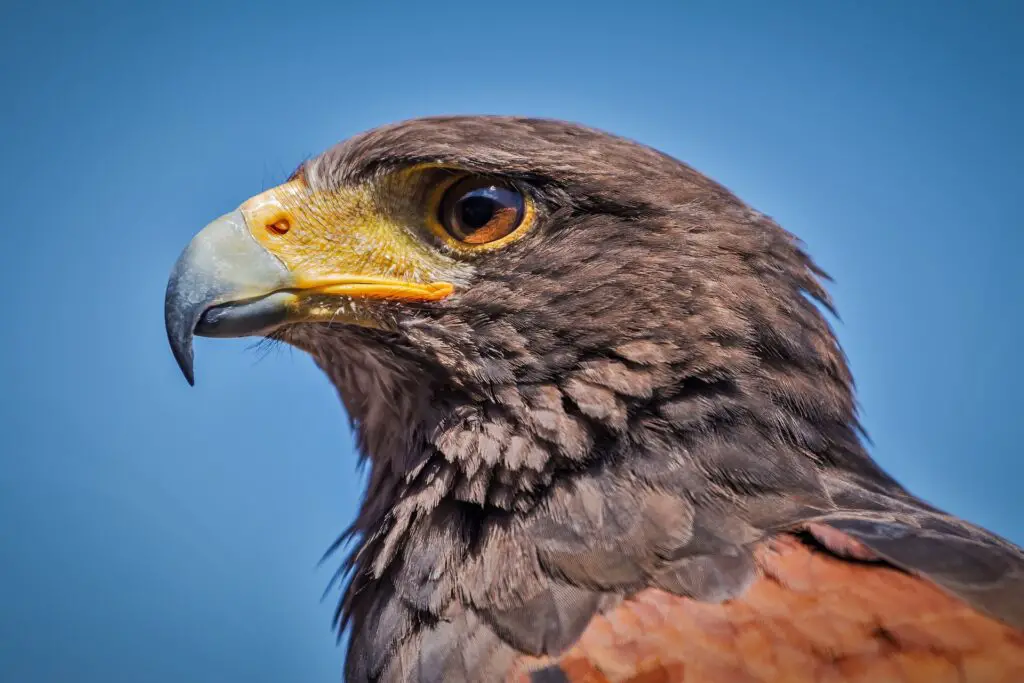
Additionally, they facilitate the attachment of a swivel and leash, which are essential for outdoor training and hunting excursions, preventing the bird from flying off while still allowing it some degree of freedom. Not only do they play a crucial role in the training and management of the hawk, but they also ensure a level of safety for both the bird and the falconer during their interactions.
Swivels
Swivels serve an important function in falconry, especially when managing Harris hawks. These small yet critical pieces of equipment are designed to prevent the leash or jesses from becoming twisted and tangled during a hawk’s movements. Made from sturdy materials like stainless steel, swivels ensure the hawk can turn and move freely without causing itself distress or potential injury. One end of the swivel is attached to the jesses, while the other end connects to the leash.
This setup allows the falconer to maintain control over the bird, whether during training, hunting, or leisure outdoor activities. Swivels are indispensable in promoting the well-being of the bird and ensuring safe handling by the falconer, making them a key piece of gear in the daily management of Harris hawks.
Leash or Lure Line
The leash or lure line is integral to falconry equipment, especially when dealing with Harris hawks. Its primary purpose is to ensure the safety of the raptor during training and hunting activities. The leash, typically made of durable materials like leather or braided nylon, is attached to the bird’s jesses and then to the falconer’s glove or a secure perch, providing a controlled environment for the hawk.
This setup prevents the bird from flying away while allowing for a certain degree of freedom to simulate natural hunting behaviors during training sessions.
On the other hand, the lure line is used specifically in recall training, where a lure (an object resembling prey) is tied to the end of the line and swung in a way that entices the hawk to chase and capture it. This method is essential for honing the bird’s hunting skills and reinforcing the falconer-hawk bond. Both the leash and the lure line are indispensable tools in the training and safekeeping of Harris hawks, facilitating effective learning and ensuring their well-being in various environments.
Perches
Perches are indispensable tools in the falconer’s arsenal when it comes to training and housing Harris hawks. Proper perch placement is crucial for the hawk’s comfort and safety. I recommend having perches of various sizes to encourage natural movements and exercise. The material of the perch is also important; natural wood perches are preferable as they provide a good grip. When determining perch height, consider the hawk’s size and flying habits to prevent injuries. Regular perch maintenance is essential to prevent any foot issues, check for wear and tear, and sanitize perches when needed. Paying attention to these details ensures your Harris Hawk has a comfortable and stimulating environment.

Mews
For any falconer looking to provide the best care for their Harris hawk, having a well-equipped mews is essential. The mews serve as the hawk’s home, a place where it can rest, feed, and feel secure. Here are key points to consider when setting up a mews:
- Mews design: Ensure the mews are well-ventilated with ample natural light.
- Mews construction: Use sturdy materials that can withstand the elements and potential damage from the bird.
- Mews maintenance: Regularly clean the mews to prevent the accumulation of waste and maintain a healthy environment.
- Mews size: Provide enough space for the hawk to move around comfortably.
Creating the right mews setup can significantly impact your Harris hawk’s well-being and overall happiness.
Bath Pan
A bathpan is a remarkably important piece of equipment for any falconer handling Harris hawks. These birds, much like their wild counterparts, require regular opportunities to bathe to maintain good feather condition and overall health. The bath pan should be shallow enough to ensure the hawk can wade without risk yet large enough for it to comfortably spread its wings and splash water over its body. Simply place the bath pan in the hawk’s environment, filled with clean, fresh water, and allow the bird to approach it in its own time.
This not only aids in hygiene by helping to remove dirt, dust, and parasites from the feathers but also provides a source of enrichment, allowing the hawk to engage in a natural, refreshing activity. Regular access to a bath pan can greatly contribute to the physical well-being of Harris hawks and can enhance their mood and activity levels, making it an essential component of their care.
Weathering Area
When creating a weathering area for Harris hawks, it is essential to prioritize the bird’s safety and comfort above all else. Proper weathering techniques benefit the bird’s physical health and stimulate natural behaviors. Setting up the weathering area correctly is crucial; it should provide ample space for the hawk to exercise its wings fully. Regular maintenance, like cleaning perches and ensuring the area is free from hazards, is key to a healthy environment.
Designing the weathering area with natural elements like trees or shrubs can offer enrichment and mimic the hawk’s natural habitat. Location considerations should include easy access for the handler and protection from extreme weather conditions.
Creance
In equipping Harris hawks, utilizing a creance is essential for training and exercising these majestic birds of prey. A creance is a long cord attached to the hawk’s jesses, allowing controlled flight while keeping the bird tethered. Here are some key benefits of using a creance:
- Flying Exercises: Facilitates flight training sessions to enhance the bird’s aerial skills.
- Feather Health: Helps prevent damage to the hawk’s feathers during training sessions.
- Weight Management: Assists in controlling the hawk’s weight by regulating flight distances.
- Training Progress: Enables monitoring and tracking of the hawk’s training progress for optimal results in hunting techniques.
Scales (for weighing the bird)
Utilizing scales to accurately weigh Harris hawks is crucial for monitoring their health and ensuring optimal performance in training and hunting endeavors. Weight management is key to a Harris hawk’s well-being, and precise handling during training sessions is essential for their development. Regularly calibrating and maintaining the scales is vital for accuracy control, as even small deviations can impact the bird’s progress.
By monitoring the hawk’s weight, trainers can assess its flight readiness and track progress effectively. Data tracking through consistent weighing allows for performance evaluation over time, ensuring the bird remains in top condition for hunting and training activities.
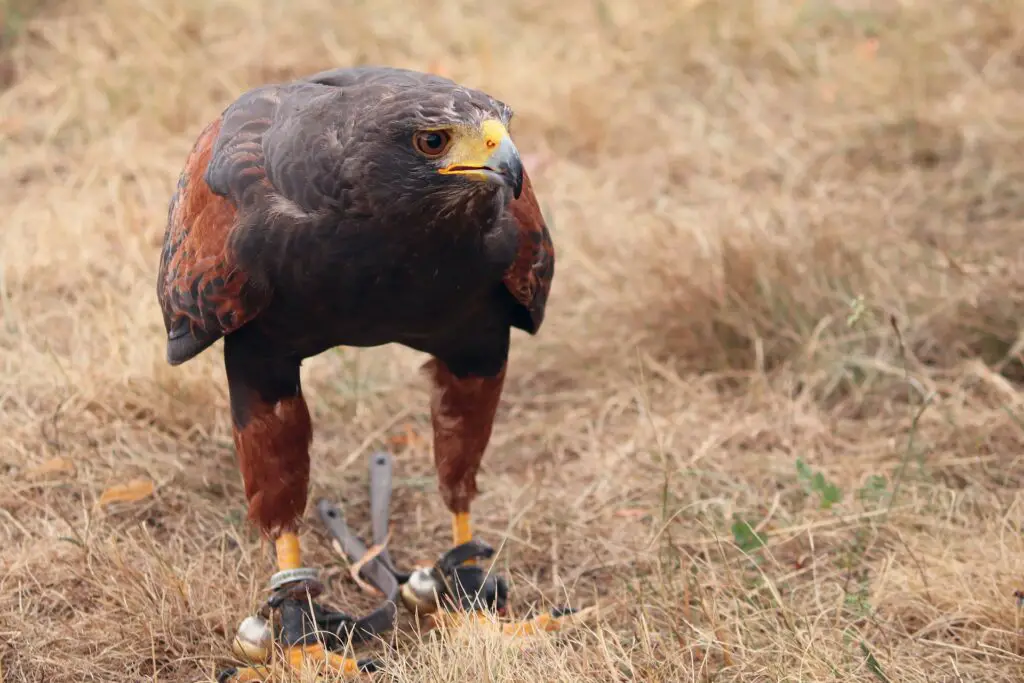
Anklets
Anklets are an essential piece of equipment when handling Harris hawks, serving a critical role in the safety and management of these birds. Crafted from durable leather, anklets are fastened around the bird’s legs, ensuring they can be securely tethered when necessary without causing harm or discomfort. Their use is straightforward: they are attached to the legs above the hawk’s feet, allowing for the attachment of jesses, which in turn can be connected to a leash or creance during training sessions or while the hawk is being handled.
The primary purpose of anklets is to provide a safe means of control over the hawk, reducing the risk of escape while also protecting the bird from potential injuries that could occur if they were to fly off unexpectedly. Anklets, when used correctly, do not impede the natural movement of the Harris hawk, allowing for normal leg and talon function. Essential for both the safety of the bird and the falconer, anklets facilitate a respectful and effective partnership between humans and hawks.
Jess Ties
For Harris hawks, Jess Ties play a vital role in securely attaching the bird to the falconer’s glove during training and hunting activities. Jess ties are essential for bird handling, ensuring a strong connection between the hawk and the falconer. When it comes to training techniques, using well-maintained Jess ties is crucial for safety and control. Regular equipment maintenance is necessary to check for any wear and tear that could compromise the Jess ties’ integrity.
In falconry, ethics dictate that Jess ties should be properly fitted and inspected before each flight, prioritizing the well-being of the bird. Understanding the importance of Jess’s ties in bird handling is fundamental for successful training sessions and ethical falconry practices.
Bathing Supplies
Ensuring a Harris hawk’s bathing routine is effective and enjoyable involves having the right supplies to cater to their specific needs. Feather care is essential, so using a gentle, bird-safe shampoo is crucial. Maintaining the correct water temperature is key; lukewarm water is ideal to prevent shocking the bird. Drying techniques are crucial post-bath; using a soft towel to gently pat the feathers dry is recommended. The bathing frequency varies among hawks, but most benefit from a weekly soak. Monitoring the soaking time is also important; ensuring the hawk doesn’t stay in the water for too long helps prevent any stress. With the right supplies and techniques, bathing can be a positive experience for your Harris hawk.
Aviary Equipment
What essential equipment do you need to provide a comfortable and enriching environment for your Harris hawk in its aviary? When setting up your Harris Hawk’s aviary, consider the following key elements:
- Aviary Design: Ensure the aviary is spacious enough for your Harris hawk to move freely and exercise its wings. Incorporate natural elements like branches and perches to mimic its natural habitat.
- Perch Placement: Strategically place perches at varying heights to encourage flying and perching behaviors, promoting muscle strength and agility.
- Hawk Enrichment: Provide toys, puzzles, and interactive objects to stimulate your Harris hawk mentally and prevent boredom.
- Prey Management: Establish a system for feeding live prey safely and securely to satisfy your hawk’s hunting instincts while maintaining safety protocols.
Food Scale
Have you ever wondered what kind of food scale is essential for accurately measuring and monitoring the diet of a Harris hawk? When it comes to weight management, precision feeding, nutritional tracking, portion control, and dietary monitoring for these magnificent birds of prey, a high-quality digital scale is indispensable. I have found that a food scale with a capacity of at least 10 pounds and measurements in grams or ounces is ideal for accurately portioning out the Harris hawk’s daily food intake. This precision is crucial for ensuring the bird receives appropriate nutrition while avoiding overfeeding. By utilizing a reliable food scale, I can effectively track the Harris hawk’s dietary intake, helping me maintain its health and well-being with precision and care.

Lure
When handling Harris hawks, utilizing an effective lure is crucial for training and falconry purposes. Here are some key items related to lures for Harris Hawks:
- Training Techniques: Lures are essential for teaching Harris Hawks various training exercises and commands.
- Flying Exercises: Lures help in guiding the hawks during flying exercises, aiding in their aerial agility and responsiveness.
- Prey Simulation: Lures mimic the movement of prey, honing the hawk’s hunting instincts and skills.
- Equipment Maintenance: Regularly inspecting and maintaining lures ensures they remain in good working condition for training sessions.
Whistle
Utilizing a well-crafted whistle is essential for effectively communicating with and training Harris hawks in falconry. Whistle training aids in recall, behavior modification, and conditioning. It serves as a vital tool during enrichment activities and playtime, allowing for better interaction and bonding. The whistle is also crucial for flight training and agility exercises, helping to guide the hawk in the desired direction and height.
Different whistle patterns can be used for specific communication signals and commands, facilitating a deeper level of understanding between the falconer and the hawk. Mastering the whistle is a skill that enhances the training process, creating a harmonious partnership between the handler and the bird.
| Whistle Benefits | Description | Importance |
| Recall Training | Aids in calling back | Essential |
| Behavior Modification | Shapes desired actions | Crucial |
| Enrichment Activities | Enhances playtime | Important |
| Flight Training | Guides during flights | Vital |
| Communication Signals | Conveys commands | Indispensable |
First Aid Kit (specifically for birds of prey)
In my experience as a falconer, having a well-equipped first aid kit specific to birds of prey is crucial for Harris hawks’ health and safety during training and handling sessions. Feather handling requires precision scissors to trim damaged feathers without causing further harm. Wing wrapping materials like cohesive bandages are essential to secure and protect injured wings. Beak care tools such as styptic powder can quickly stop bleeding from minor beak injuries.
Talon trimming equipment like nail clippers helps maintain proper talon length to prevent issues with perching or hunting. Nesting materials in the kit ensure that Harris Hawks have a comfortable and safe environment for rest and recovery. A comprehensive first aid kit tailored to these needs is a lifeline for the well-being of these magnificent birds.
Training Equipment (such as training dummies or equipment for flying drills)
What essential training equipment enhances the skills and abilities of Harris hawks during flying drills and training sessions? Here are some crucial tools that play a vital role in honing the capabilities of these magnificent birds:
- Flight Training: Specialized equipment designed to simulate flight patterns and improve aerial agility.
- Telemetry Tracking: Devices that help monitor the hawk’s location and behavior during training sessions.
- Tethered Hunting: Equipment used to simulate hunting scenarios, allowing hawks to practice their hunting skills while in a controlled environment.
- Prey Presentation: Tools for showcasing different types of prey to train hawks on identifying and capturing targets effectively.
Each of these items contributes significantly to the development of a Harris hawk’s flying prowess, hunting instincts, and overall performance. From jesses and leashes to hoods and perches, each piece of equipment serves a vital role in training and handling these magnificent birds of prey. As a seasoned falconer, I can attest to the importance of investing in high-quality equipment that not only meets the needs of the hawk but also enhances the bond between falconer and bird.