
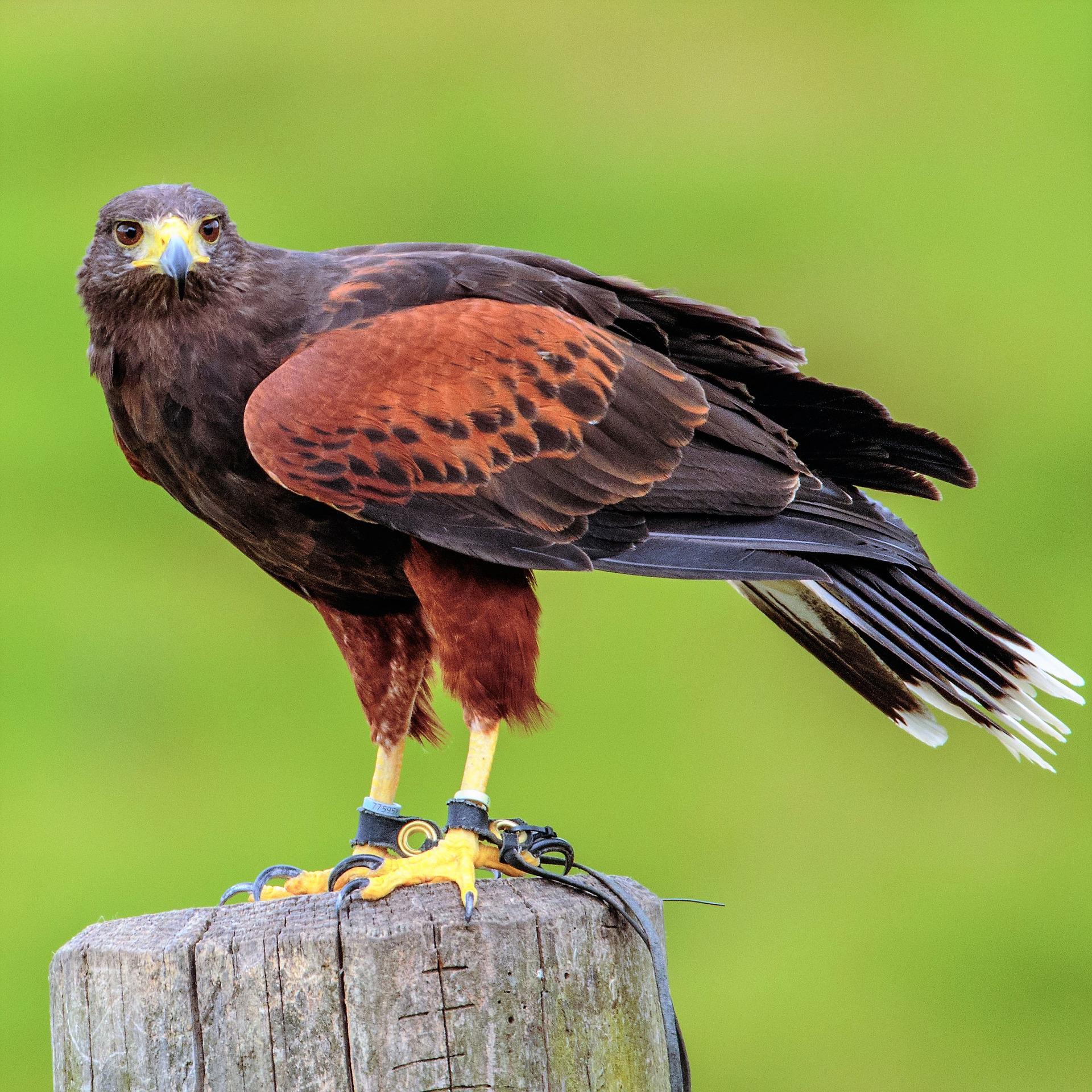
Breeding Harris Hawks is normally seen as a complex endeavour in the world of falconry, but with the right knowledge, it can be a simple yet rewarding experience. Every detail, from legal considerations to nutritional needs, must be carefully planned out to guarantee success. I have had the pleasure of breeding Harris Hawks many times, and based on my experiences, I have designed a process for you to follow, each section providing in-depth knowledge on how to go about breeding these raptors and what is required to do so.
Legal Requirements
Breeding Harris Hawks in falconry requires adherence to specific legal requirements to ensure the ethical and responsible management of these magnificent birds of prey. Obtaining breeding permits is the initial step in the process. These permits are essential as they legally allow individuals to breed Harris Hawks for falconry purposes. Without proper authorization, breeding these birds would be considered illegal and unethical.
Legal documentation is important when breeding Harris Hawks. It is necessary to maintain detailed records of the breeding pairs, hatchlings, and any transfers that occur. This documentation not only assists with compliance and regulations but also aids in tracking the lineage and health history of the birds.
Aviary regulations must be strictly followed when breeding Harris Hawks. The size and conditions of the aviaries must meet specific standards to provide a suitable environment for the birds. These regulations are in place to promote the well-being and safety of the hawks during breeding and rearing.
Breeding restrictions may also apply, limiting the number of breeding pairs an individual can possess. These restrictions aim to prevent overbreeding and ensure that falconers can adequately care for the hawks. Compliance checks are periodically conducted to verify that falconers are adhering to all legal requirements and regulations. Failure to comply with these checks can result in fines or the revocation of breeding permits.
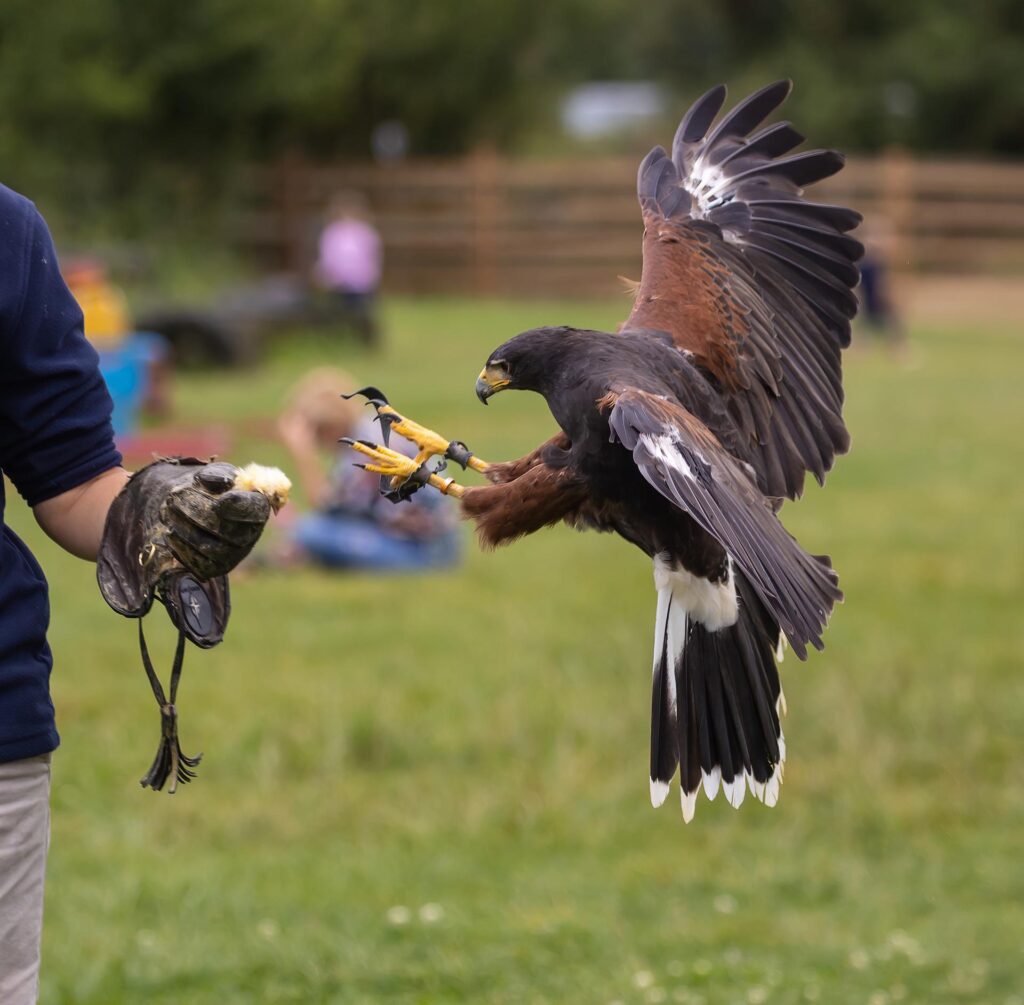
Setting up your breeding environment
Attention to detail is crucial when preparing the breeding environment for Harris Hawks in falconry. Factors like adequate space, protection from predators, and a suitable nesting area are key considerations. Proper perch placement and temperature control play vital roles in creating a conducive breeding atmosphere.
Space
Creating an optimal space for your breeding environment is crucial for the health and well-being of your Harris Hawks. When setting up the space, consider the breeding techniques, parenting skills, incubation period, chick development, and fledgling care. Provide sufficient room for the birds to mate comfortably, ensuring privacy and reducing stress.
The area should mimic their natural habitat, with perches, nesting sites, and suitable substrate for egg-laying. Temperature control is vital during incubation and chick rearing, maintaining warmth without being too hot. Monitoring the space regularly allows for adjustments based on the hawks’ behaviour and needs, ensuring a successful breeding season. A well-designed space is key to the overall success of breeding Harris Hawks in falconry.
To enhance the breeding environment further, you could also consider including natural materials like branches and leaves that mimic the hawks’ wild surroundings. These elements provide enrichment and encourage natural behaviours in the birds. Additionally, creating different zones within the space for different stages of breeding, from courtship to chick rearing, can help optimize the breeding process and ensure the well-being of both the adult birds and their offspring.
Remember, attention to detail in the setup and maintenance of the space can make a significant difference in the success of your Harris Hawks breeding program.

Protection from predators
To ensure the safety and well-being of your breeding Harris Hawks, establishing protection from predators is a fundamental aspect of setting up their environment. Predator prevention is crucial; sturdy aviaries and secure fencing are essential. Nest defence involves placing the nests in elevated, inaccessible locations to shield them from ground-based threats.
Implementing effective hunting strategies, such as providing ample prey and varied hunting environments, can deter potential threats and enhance the hawks’ hunting skills. Camouflage techniques, like providing natural cover or artificial camouflage, can help the hawks blend into their surroundings, minimizing the risk of detection by predators.
Additionally, using alarm calls strategically can alert the birds of prey to potential dangers and promote a sense of vigilance. Integrating these protective measures into the breeding environment will create a safe and secure space for your Harris Hawks to thrive and exhibit their natural behaviours while reducing stress and ensuring their well-being.
Nesting area
Designing the perfect nesting area for Harris Hawks in falconry is pivotal in providing a conducive environment for their breeding. The nesting area, often referred to as an eyrie in the wild, should mimic the natural conditions as closely as possible to encourage breeding behaviours and ensure the well-being of both the parents and their offspring.
Firstly, selecting the right spot within the aviary is critical. It needs to be elevated, replicating the Hawks’ preference for high nesting spots in the wild. This elevation not only simulates a natural setting but also provides a sense of security for the Hawks. The use of platforms or artificial trees can be effective in creating this elevated space. Additionally, positioning the nest in a quieter part of the aviary can reduce stress on the birds during the sensitive breeding period.
When constructing the nest itself, natural materials should be utilized to provide the birds with the means to engage in their instinctive nest-building behaviours. A combination of sticks, leaves, and softer lining materials such as feathers or fur can mimic the hawks’ nesting preferences in the wild. These materials not only offer comfort but also help regulate temperature or humidity within the nest, which is crucial for egg incubation and chick development.
The size of the nest should be ample enough to accommodate the breeding pair and their hatchlings (2-6)comfortably. A diameter of at least 2 feet (60 cm) and a depth of 6 to 8 inches (15 to 20 cm) is recommended. This allows enough room for my hawks to move around without disturbing the eggs or chicks.
Furthermore, ensuring the nesting area remains undisturbed and quiet is paramount. I try limiting human activity near the nest, especially during critical periods such as egg-laying and early chick rearing, which can prevent stress on the breeding pair and promote successful hatching and rearing of chicks.
Perch Placement
When setting up the breeding environment for Harris Hawks in falconry, strategic placement of perches plays a pivotal role in ensuring the birds’ comfort and well-being. Understanding Harris Hawks’ roosting preferences is essential when designing the perch layout. Providing various perches at different heights and orientations helps mimic natural settings and encourages exercise. Placing perches nearby encourages social interaction among the birds, which is crucial for their mental well-being.
Additionally, considering the hunting behaviour of Harris Hawks when situating perches can stimulate their natural instincts and improve their overall fitness. By carefully planning perch placement, I usually significantly enhance breeding success rates and the overall welfare of my Harris Hawks. Attention to detail in perch positioning, such as incorporating branches or varying textures, can enrich the environment, offering the birds diverse experiences and promoting their physical and mental well-being.
Integrating shelters or shaded areas near perches can provide Harris Hawks with retreat spaces for rest and protection from adverse weather conditions, ensuring their overall health and contentment in the breeding environment.
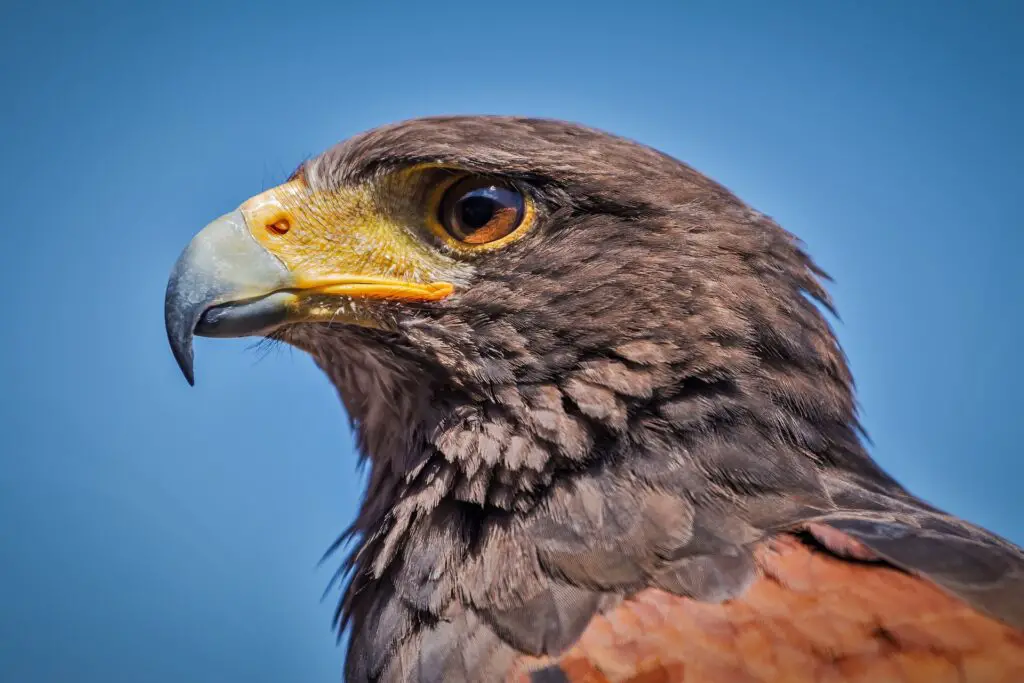
Temperature control
Maintaining a controlled temperature environment is paramount in breeding Harris Hawks for falconry. The sensitivity of these raptors to extreme temperatures necessitates careful monitoring and regulation of their environment to ensure a successful breeding process. Temperature control is vital for several reasons. Primarily, it aids in achieving optimal conditions for egg incubation and the growth of hatchlings. Harris Hawks eggs and young are particularly vulnerable to fluctuations in temperature, which can affect their survival rates and overall health.
I often keep the temperature within the aviary or breeding area stable for breeding Harris Hawks. During the critical period of egg incubation and early chick development, temperatures should ideally be maintained between 35°C and 37°C (95°F to 98.6°F). This range mirrors the natural warmth provided by the parent birds while nesting and is crucial for the proper development of embryos and young chicks.
Furthermore, temperature control helps in preventing the risk of diseases. Excessive humidity combined with high temperatures leads to the growth of harmful bacteria, posing a significant health risk to both adult hawks and their offspring. On the other hand, I’ve found that low temperatures can cause hypothermia and weaken the birds’ immune responses.
Effective temperature regulation can be achieved through the use of insulated aviaries, temperature-controlled heating systems, and shade structures to protect against overheating during warmer months. This attention to detail ensures the Harris Hawks are comfortable and stress-free, thereby enhancing their breeding capability and ensuring the health and growth of the hatchlings.
How to mimic the natural breeding environment
To establish an ideal breeding environment for Harris Hawks in the context of falconry, it is essential to meticulously recreate the conditions prevalent in their native habitats. The influence of natural stimuli becomes pivotal in instigating breeding activities among Harris Hawks.
Replicating these stimuli entails ensuring suitable lighting conditions, temperature variations, and the introduction of other avian species or sounds that mimic their natural surroundings. These elements serve to provoke hormonal shifts crucial for facilitating successful reproduction processes. By attentively mirroring the intricate nuances of their environment, I effectively enhance the breeding outcomes for Harris Hawks.
Environmental enrichment is a key factor to ponder when striving to replicate the authentic breeding habitat of Harris Hawks. This involves furnishing appropriate perches, nesting materials, and ample space for the hawks to partake in instinctive behaviours such as courtship displays and territorial interactions.
By providing diverse, enriching components, falconers play a crucial role in fostering a sense of security and comfort for the hawks within their surroundings, stimulating the activation of their natural breeding instincts.
Understanding the reproductive season of Harris Hawks is essential for replicating their natural breeding environment accurately. These birds typically breed in the spring and summer months, so adjusting light cycles and temperature conditions to align with this period is crucial for encouraging successful breeding behaviour. Additionally, knowing the typical incubation period of Harris Hawks (around 5 weeks) can aid in creating the right conditions for the breeding pair to hatch and rear their young successfully.
Selecting a breeding pair
Replicating the natural breeding environment for Harris Hawks in falconry involves carefully selecting a breeding pair that exhibits compatible traits and behaviours conducive to successful reproduction. When choosing a breeding pair, several key factors must be considered:
- Breeding behaviour: Observing the hawks’ natural breeding behaviours, such as their courtship rituals, nest-building activities, and hunting skills, can offer valuable insight into their readiness to reproduce and their proficiency in successfully raising their offspring in the wild.
- Pair compatibility: It is essential to carefully match hawks that have a good rapport with each other and complement one another in terms of hunting abilities and temperament. Building a strong partnership between hawks ensures successful hunting expeditions and a harmonious dynamic between the birds.
- Genetic diversity: Breeding pairs should be genetically diverse to prevent inbreeding and promote healthier offspring. Genetic diversity is crucial as it helps maintain a broader range of traits within a population, reducing the risk of genetic disorders and ensuring the long-term viability of the species. By ensuring that breeding pairs come from different genetic backgrounds, we can enhance future generations’ overall health and resilience.
- Breeding season: Understanding the optimal breeding season for Harris Hawks is crucial as it plays a significant role in ensuring successful reproduction. By pinpointing the ideal timing and environmental conditions, hawk breeders can maximize their chances of breeding success and maintaining healthy populations of these magnificent birds of prey.
- Egg incubation: Knowledge of egg incubation requirements and techniques is vital to ensure the eggs hatch successfully and the chicks thrive.
Selecting a breeding pair is a critical step in the falconry breeding process, as it lays the foundation for successful reproduction and the growth of a healthy hawk population. By considering these factors, falconers will be able to increase the likelihood of producing strong, thriving offspring in their breeding programs.

How to introduce the breeding pair and what to look out for
So once you’re ready to introduce the pair, these are the main things you should keep an eye out for:
Pair bonding is essential in falconry breeding programs. When introducing a breeding pair of Harris Hawks, it’s crucial to allow them time to establish a bond. Observing their behaviour closely during this period is vital. Look for signs of aggression, avoidance, or, conversely, signs of mutual interest and cooperation. These behaviours can indicate the potential success of the pair.
Mating rituals play a massive role in the bonding process. The falconer should pay close attention to how the hawks interact during these rituals. Healthy mating behaviour includes mutual preening, soft vocalizations, and gentle physical interactions. Any signs of distress or aggression during mating should be carefully monitored and addressed promptly.
Compatibility testing is another crucial aspect of introducing a breeding pair. Testing their compatibility involves observing how they share space, food, and resources. Aggressive behaviour during feeding or territorial disputes could indicate future breeding complications. Ensuring they can cohabit peacefully is vital for a successful breeding program.
Pre-breeding health assessments are essential before introducing the pair. Both hawks should be in optimal health to increase breeding success rates. Regular check-ups, parasite control, and a balanced diet are all necessary to support their reproductive health. Monitoring their overall well-being is key to a successful breeding endeavour.
Nutritional, Weight Management, Data Collection and Healthcare Requirements.
Along with a suitable environment and compatible breeding pair, proper nutrition, weight management, and healthcare are essential components of successful Harris Hawk breeding programs.
Nutritional requirements for birds differ based on their age, reproductive phase, and level of activity. It is advisable to provide a diverse diet that includes whole prey items like mice and rats, high-quality commercial raptor food, and a selection of fresh fruits and vegetables. Additionally, supplementing their nutrition with calcium and multivitamins will play a substantial role in maintaining their reproductive health and overall well-being.
Weight management is a critical aspect of breeding hawks, significantly influencing their fertility and the well-being of their young. For the Harris Hawk, maintaining a healthy weight falls within a range of 750-900 grams for males and 900-1200 grams for females. Consistent monitoring through regular weighing, careful observation of food intake, and adjusting the diet as needed play vital roles in ensuring these magnificent birds stay within their optimal weight range. This attention to detail in weight control is key to supporting the overall health and breeding success of these majestic creatures.
Data acquisition and analysis play a vital role in the healthcare of hawks. By closely monitoring their physical health, falconers can identify trends, detect subtle changes in behaviour or appearance, and pinpoint potential issues before they become major problems. In my opinion, this allows for prompt treatment and preventative measures to be taken, supporting the overall well-being of the Hawks.
Healthcare is a crucial and fundamental element of any successful breeding program. Regular comprehensive check-ups, meticulous parasite control measures, and thorough preventative care practices are imperative to ensure that the hawks maintain optimal reproductive health. It is also vital to conduct vigilant monitoring for any indications of illness or injury, as early detection and swift intervention can effectively prevent potential health complications that might adversely affect breeding outcomes.
Breeding challenges and solutions
Breeding Harris Hawks in falconry presents a unique set of complications that require careful consideration and management by falconers. One significant issue is the timing of breeding efforts, as misaligning with the natural breeding season can lead to low fertility rates or complete breeding failure. Harris Hawks, like many birds of prey, have specific environmental and photoperiod requirements before they become receptive to breeding, necessitating precise control of light and temperature in managed settings.
Another challenge lies in the selection and compatibility of breeding pairs. Even with careful selection based on genetic diversity and temperament, there’s no guarantee that a pair will successfully bond and breed. Incompatibility can lead to aggression, injury, or stress, all of which are detrimental to breeding efforts. Monitoring and possibly adjusting pairings is a time-consuming process that requires patience and expertise.
Environmental control within the breeding facility is also crucial. Adequate nesting conditions, privacy from human and animal disturbances, and proper ambient conditions are necessary to stimulate and maintain breeding behaviours. Failing to provide an environment that mimics their natural habitat as closely as possible can result in breeding reluctance or abandonment of eggs and chicks.
Lastly, managing the health and nutrition of breeding pairs is paramount. Nutritional deficiencies or health issues in either bird can significantly impact fertility, egg health, and the success of incubation and hatching. This means that falconers must not only focus on the immediate health of the birds but also understand and manage their long-term dietary and healthcare needs to ensure successive breeding seasons are possible.
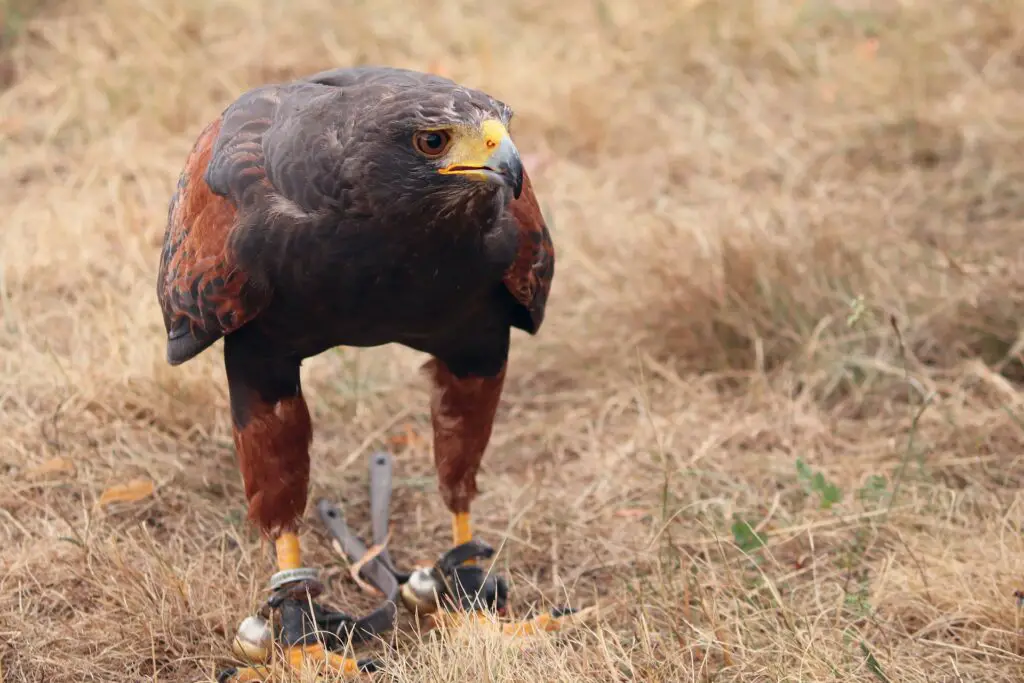
How to know when your raptor is pregnant
Detecting pregnancy in your raptor requires keen observation and understanding of subtle physical and behavioural cues. When breeding Harris Hawks in falconry, it is crucial to be attentive to signs that indicate the bird is pregnant. Here are some key indicators to look out for:
- Nesting behaviour: A pregnant raptor may exhibit nesting behaviour such as rearranging its environment, scratching at the ground, or creating a depression in the substrate.
- Hormonal changes: Increased hormonal levels can lead to changes in the bird’s behaviour, including heightened aggression or restlessness.
- Nest preparation: If the raptor starts gathering materials like twigs, leaves, or feathers, it may be preparing a nest for its eggs.
What is artificial insemination, and how is it done for Harris Hawks
Artificial insemination (AI) is an advanced reproductive technology increasingly employed in the conservation and breeding of birds of prey, including Harris Hawks. This technique is utilized when natural mating is not possible or to enhance genetic diversity within breeding pairs. AI involves the collection of semen from a male Harris Hawk and its subsequent manual introduction into the female’s reproductive tract at the optimal time for fertilization.
The process begins with the careful handling and stimulation of the male to encourage semen donation, often requiring skilled falconers or veterinarians to perform the task without causing distress to the bird. Once collected, the semen’s quality and viability are swiftly assessed under a microscope. The female is then gently restrained, and using a specialized syringe or pipette, the semen is accurately deposited into her oviduct. This procedure demands precision and understanding of the birds’ anatomy to ensure successful insemination and to avoid injuring the bird.
Due to the complexity and sensitivity of this process, it is typically carried out in controlled environments by experienced professionals. Artificial insemination, when done correctly, can significantly boost the genetic diversity and population figures of Harris Hawks in captivity, aiding their conservation and the sustainable practice of falconry.
Breeding Harris Hawks in falconry requires careful planning, attention to detail, and dedication. By ensuring legal compliance, creating a suitable breeding environment, selecting the right pair, and providing proper care and nutrition, you can increase the chances of successful breeding. With the right knowledge and preparation, breeding Harris Hawks can be a rewarding experience.
Frequently Asked Questions
From what age do Harris Hawks reproduce
- Harris Hawks reach sexual maturity between 2 and 3 years of age. However, waiting until they are at least 3 years old is recommended before breeding them; remember that some will take longer than others.
How long will Harris Hawks remain in the breeding cycle?
- Harris Hawks typically have a breeding cycle of 3 to 4 months. This can vary depending on the individual bird and external factors such as climate and nutrition.
What is the best time of year to breed Harris Hawks?
- The best time to breed Harris Hawks is during their natural breeding season, which typically occurs in late winter or early spring.
How many eggs can be expected in a Harris Hawk clutch?
- On average, Harris Hawks will lay 3-4 eggs per clutch. However, the size of the clutch can range from 2-6 eggs.