
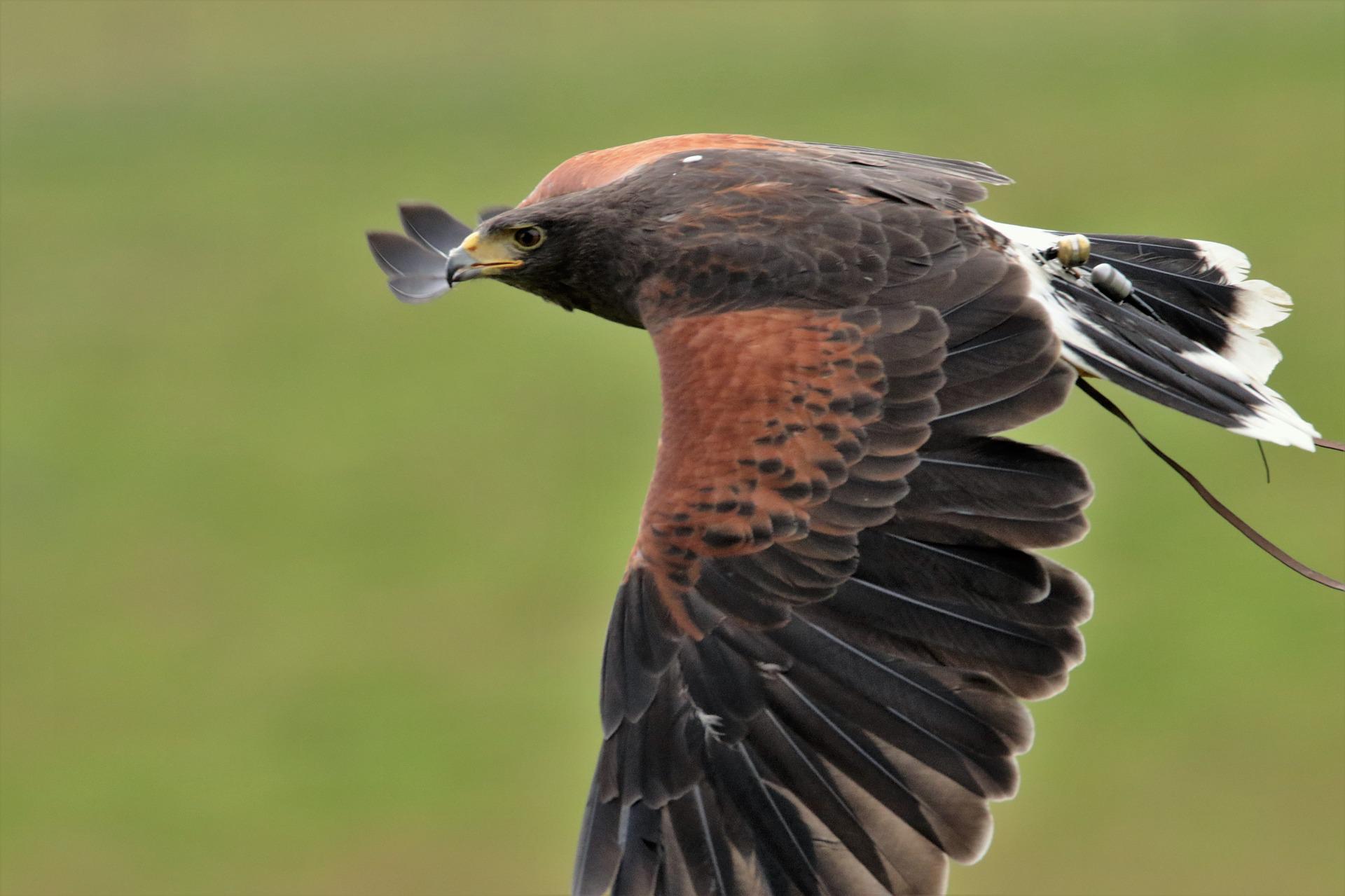
Training a Harris hawk is a dedicated process, typically lasting 3 to 6 months for success. Each milestone reached highlights growth and development in the hawk’s training journey. Daily practice is key in solidifying lessons, while trust-building between handler and hawk requires time and commitment. Using positive reinforcement and consistency aids in shaping desired behaviors.
For quicker results, focus on efficiency and variation in training techniques. Building a strong bond through quality time and understanding the hawk’s cues is vital. Patience, persistence, and reward-based strategies strengthen the bond between falconer and bird. Read on to find out how I accomplished this and ensured that it stuck by repeating the process.

Timeframe for Training Success
Training a Harris hawk typically takes around 3 to 6 months to achieve successful results. Training milestones are crucial markers to track progress. Each milestone signifies growth and development in the bird’s training journey from the initial bonding stage to mastering commands. Daily practice is essential in reinforcing the training lessons. Consistent reinforcement of commands and positive behavior helps solidify the hawk’s training. Patience is required throughout the training process.
Building trust and understanding between the handler and the hawk takes time and dedication. Progress tracking is key to evaluating the effectiveness of the training methods. By keeping detailed records of the hawk’s performance and behaviors, adjustments can be made to ensure continued growth. Successfully training a Harris hawk is a rewarding experience that requires passion, knowledge, and a deep connection with the bird.
Basic Training Techniques
Implementing fundamental training techniques is the cornerstone of fostering a strong bond and effective communication with a Harris hawk. Positive reinforcement is crucial in encouraging desired behaviors, such as returning to the falconer’s glove or following commands during flights. Consistency is key to establishing clear expectations and boundaries, helping the hawk understand what is required of them. Trust building is a gradual process that involves spending quality time together, handling the hawk gently, and respecting its instincts. When working with these intelligent birds, patience pays off, as rushing the training process can lead to setbacks and trust issues. Reward-based training, where the hawk receives treats or praise for good behavior, reinforces positive habits and strengthens the bond between the bird and the falconer.
| Training Techniques | Description |
| Positive Reinforcement | Rewarding desired behaviors with treats or praise |
| Consistency | Establishing clear expectations and boundaries |
| Trust Building | Spending quality time, handling gently |
| Patience | Allowing time for the hawk to learn and adjust |
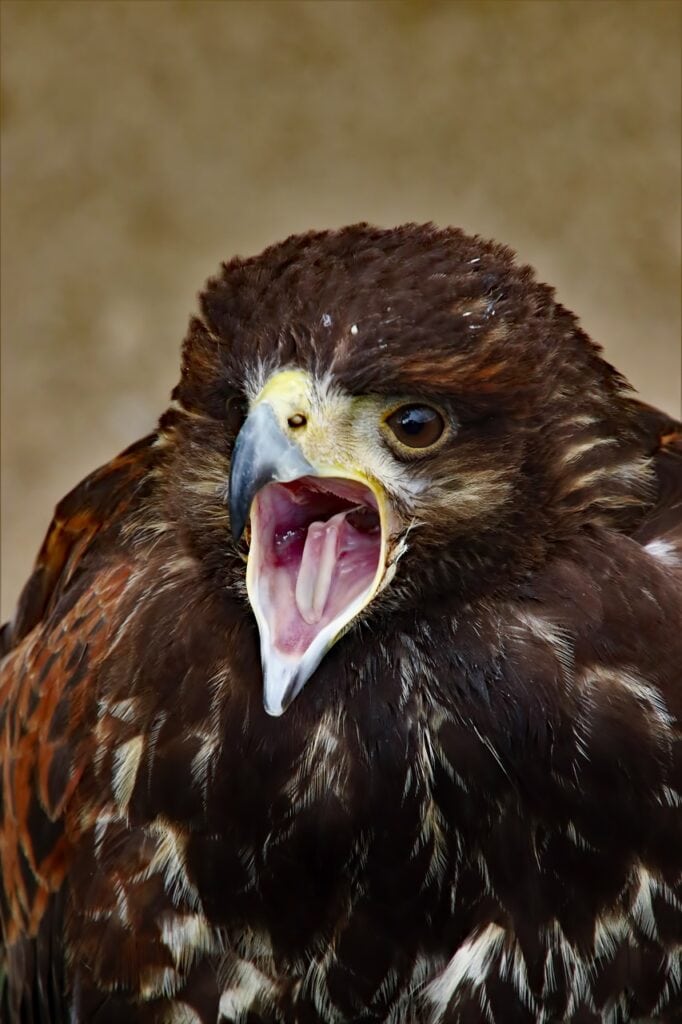
How to reduce training time
To expedite the training process for a Harris hawk, it is essential to focus on optimizing efficiency and maximizing the effectiveness of each training session. Efficiency tips are crucial in ensuring accelerated progress and quick results. One strategy is to keep training sessions short but intense, focusing on quality over quantity. By engaging the Harris hawk in short bursts of training multiple times a day, you can maintain its focus and prevent boredom, leading to rapid learning.
Another time-saving strategy is identifying the hawk’s favorite treats or rewards and using them strategically during training. This motivates the hawk and reinforces positive behavior, speeding up the learning process. Additionally, incorporating new and challenging tasks regularly can keep the hawk mentally stimulated, resulting in quicker progress.
Consistency is key to achieving quick results. Establishing a routine and sticking to it creates a structured environment that promotes learning. Remember, patience and persistence are essential when trying to reduce training time while ensuring effective results.
Bonding With Your Harris Hawk
Regularly spending quality time with your Harris hawk is crucial for fostering a strong bond and enhancing your training experience. Building trust with your bird is the foundation for successful training. Effective socializing techniques, such as positive reinforcement and consistent interactions, are key to developing a deep connection. Understanding your hawk’s communication cues is essential; pay attention to body language and vocalizations to strengthen your bond. When it comes to reinforcement methods, always use positive rewards like treats or praise to encourage desired behaviors. Incorporating flight training strategies into your bonding sessions can further solidify your relationship, as flying together creates a unique sense of partnership. By investing time and effort into bonding with your Harris hawk, you lay the groundwork for a rewarding training journey based on mutual respect and understanding.
| Trust Building | Socializing Techniques | Communication Cues | Reinforcement Methods |
| Spend quality time | Use positive rewards | Learn body language | Reward good behavior |
| Understand your hawk | Consistent interactions | Interpret vocalizations | Use treats and praise |
| Respect your hawk’s pace | Create a routine | Observe reaction | Encourage desired behaviors |
| Be patient and caring | Build a strong connection | Listen attentively | Stay consistent |

Training a Harris hawk requires dedication, patience, and time. By using basic training techniques and building a strong bond with your bird, you can reduce the overall training time. Each hawk’s timeframe for success varies, but with consistent effort and understanding, you can achieve remarkable results. Remember, the journey of training a Harris hawk is a rewarding and fulfilling experience that will deepen your connection with these majestic birds of prey.