
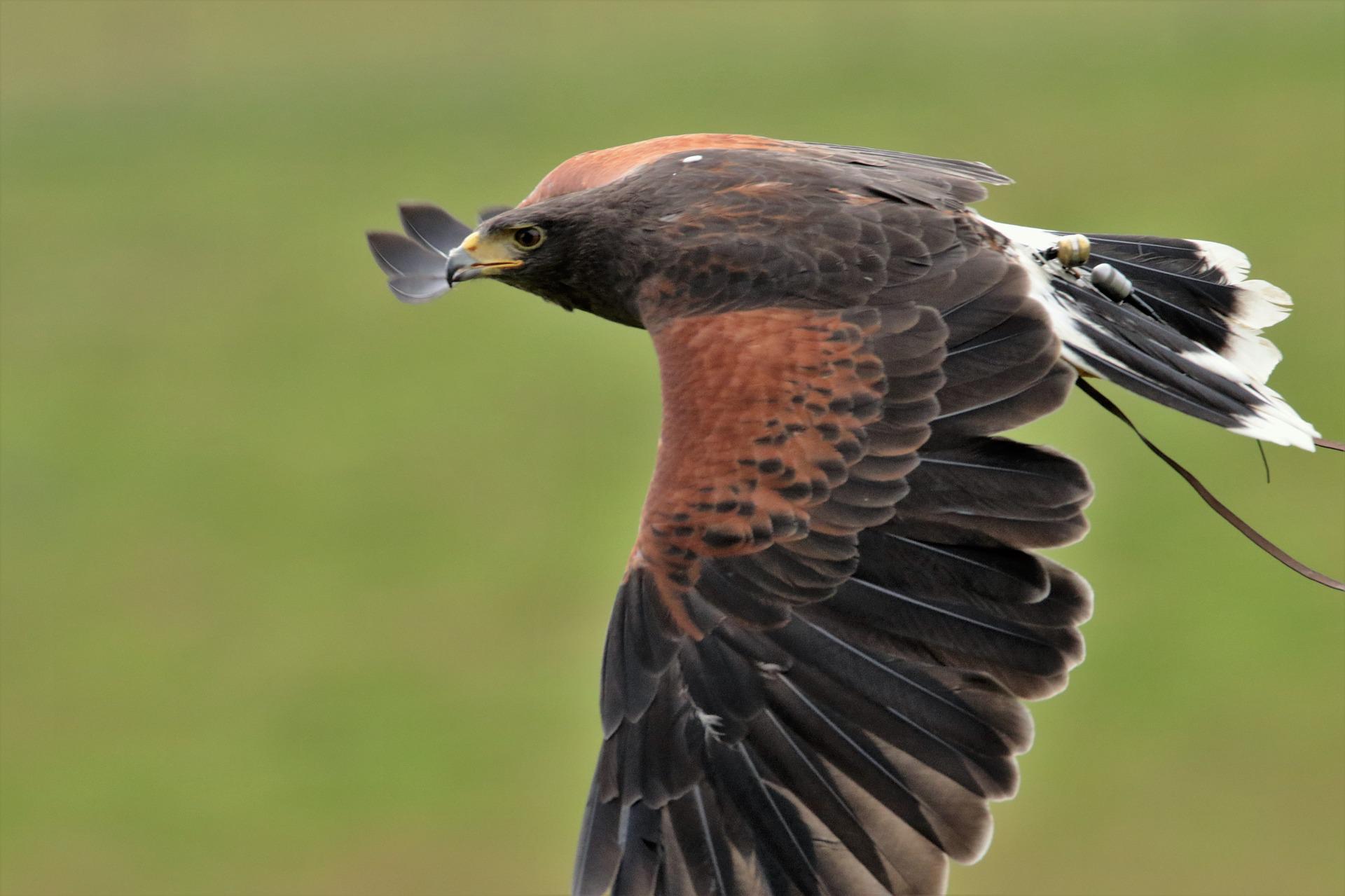
As a falconer, the weight of my Harris hawk is crucial to its care and training regimen. Understanding the optimal weight range for these birds is essential for their well-being and performance in the field. However, achieving and maintaining the ideal weight is a delicate balance that demands careful attention to various factors. From diet composition to exercise routines, every detail ensures that my hawk is in prime condition. Let me share with you how I keep my Harris Hawks within the optimal weight range, with the information that is laid out below.
Harris Hawk Weight Range
Harris hawks typically range from 680 grams to 1.13 kilograms (1.5 to 2.5 pounds), with slight variations depending on age and sex. The average weight for these magnificent birds is around 907 grams (2 pounds), considered their optimal weight for agility in hunting and sufficient energy reserves for flight. As a falconer, monitoring my Harris hawk’s weight fluctuations is critical.

A decrease in weight may signal sickness or stress, necessitating an examination of environmental or dietary factors. On the other hand, an increase in weight could indicate overfeeding or insufficient exercise, requiring adjustments in diet portions or more frequent flying sessions. Daily weight tracking is essential to keep my hawk in top hunting condition. By closely observing my bird’s weight, I ensure its health and preparedness for each hunting trip.
Factors Affecting Hawk’s Weight
The Weight of a Harris Hawk can fluctuate due to several factors such as diet impact, exercise routine, weather conditions, age factor, and breeding season; use this table as a guide when monitoring weight:
| Factors | Impact on Hawk Weight |
| Diet impact | Varied diet can lead to weight fluctuations |
| Exercise routine | Regular exercise can help maintain optimal weight |
| Weather conditions | Extreme weather may affect hunting success and weight |
| Age factor | Weight may change with age and maturity |
| Breeding season | Weight variations may occur during breeding season |
Diet plays a significant role in a hawk’s weight; a well-balanced diet ensures proper nutrition and weight management. An exercise routine is crucial to maintaining a healthy weight and enhancing hunting skills. Weather conditions impact hunting success, which can influence weight changes. As hawks age, their weight may fluctuate, affecting their overall health. Breeding season can also lead to weight variations due to changes in activity levels and food availability.
Monitoring Hawk Weight
Monitoring a hawk’s weight is essential for accurately assessing its health and fitness levels. Weight fluctuations in hawks can indicate underlying issues such as illness, inadequate diet, or stress. Daily monitoring of a hawk’s weight is crucial to track any sudden changes that may require immediate attention. It is essential to ensure that the hawk’s nutritional needs are being met adequately to maintain a healthy weight. Adjusting the diet according to the hawk’s weight requirements is necessary to prevent obesity or malnutrition.
Additionally, understanding the hawk’s exercise requirements is vital in managing its weight effectively. Regular physical exercise helps in weight management and contributes to the hawk’s overall well-being. Monitoring a hawk’s weight is also crucial to identify any potential health concerns from the start, allowing for prompt intervention and treatment if necessary.
Harris Hawk Weight management
Maintaining optimal weight in a Harris Hawk is crucial for ensuring its health and fitness levels are at their best. Diet control plays a significant role in managing a Harris Hawk’s Weight. Providing a balanced diet with the right portion sizes is essential to prevent weight fluctuations. Monitoring the hawk’s food intake is crucial to avoid obesity or malnourishment.
Additionally, incorporating an exercise routine into the hawk’s daily activities is vital for maintaining a healthy weight. A structured fitness regime helps the hawk stay active and agile, contributing to overall weight management. By combining diet control, proper portion sizes, and an exercise routine, I can effectively manage my Harris Hawk’s weight and ensure it remains in top physical condition.
Monitoring and managing the Weight of Harris hawks is essential for their overall health and fitness. Factors such as diet, exercise, and breeding season can impact their weight, making it crucial to keep a close eye on their weight fluctuations. By ensuring they maintain a healthy weight through proper diet and exercise, we can help them thrive in their habitat and ensure their well-being for years to come.