
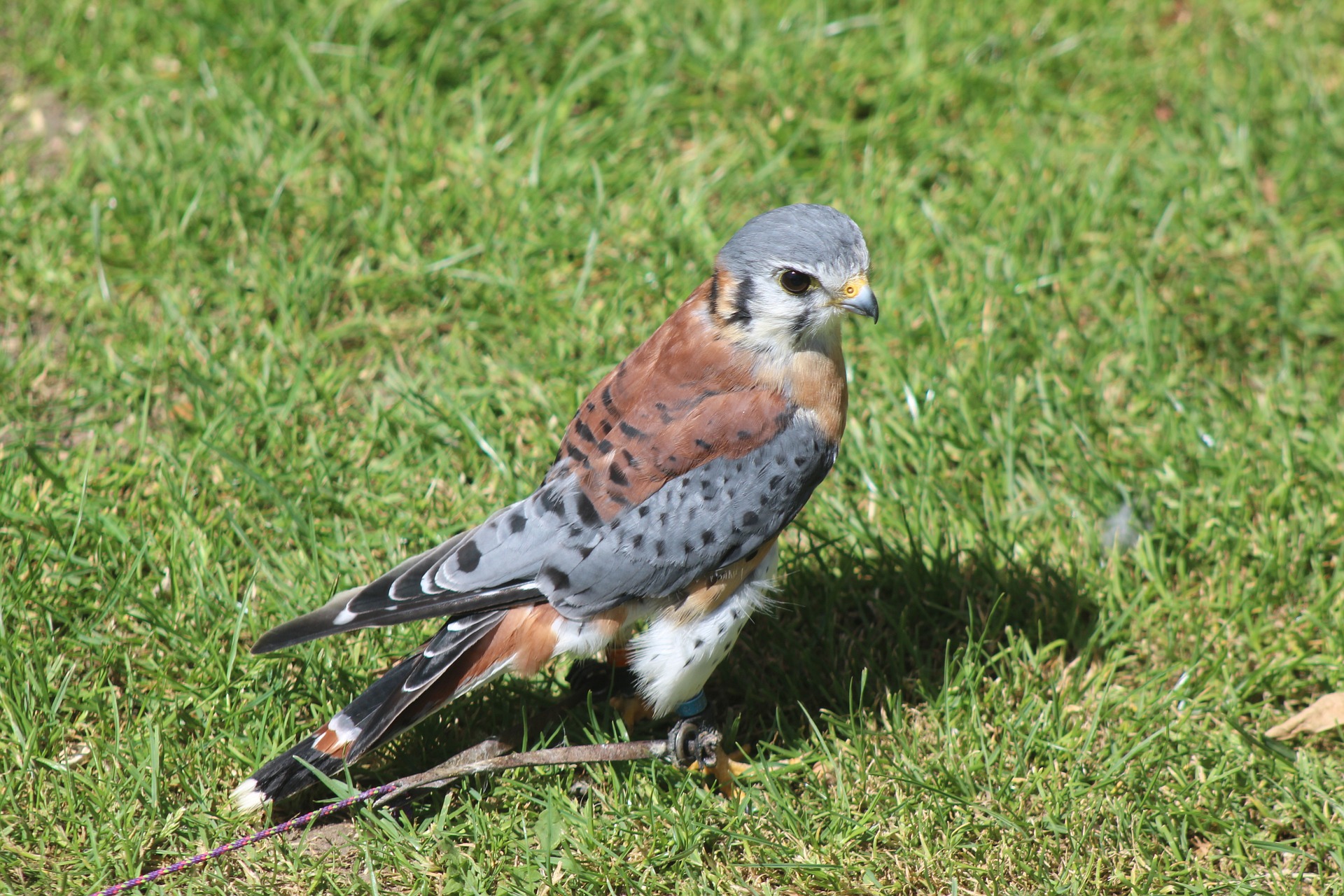
Many people often wonder if falcons are aggressive birds of prey, especially kestrels, which are among the most commonly seen birds in the falconry industry. This blog post will explore whether kestrels are typically aggressive towards other animals and humans. We’ll also take a look at some instances where kestrels have been known to exhibit aggressive behaviour. Finally, we’ll provide tips on dealing with an aggressive kestrel if you encounter one.
Among falcons, kestrels are known for being relatively aggressive compared to other falcons. This aggressiveness can make them difficult to train and hunt with, but it also makes them more effective hunters.
Kestrels typically only become aggressive when they feel threatened or when they are protecting their young. Nevertheless, if a kestrel feels as if its territory has been invaded, it will not hesitate to attack if it feels as though it has been violated. Because of their aggressive nature, kestrels are not typically recommended for beginners in falconry. However, experienced falconers can be valuable assets in the field.
How do kestrels behave around falconers?
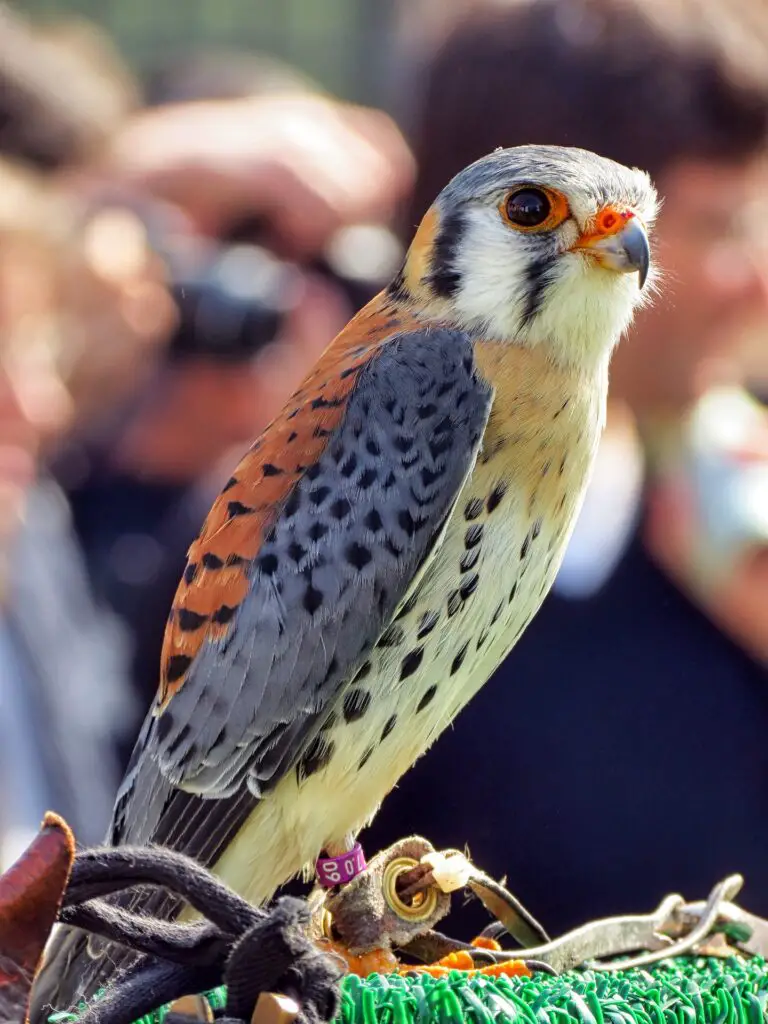
Kestrels are relatively easy to train for qualified and experienced falconers because they are naturally curious and intelligent birds. They quickly learn to associate their falconer with food and treats. Once a kestrel trusts its falconer, it will willingly perch on the falconer’s glove and follow the falconer’s commands. Kestrels can be taught to hunt a variety of prey, including small mammals, birds, and reptiles.
While kestrels make excellent hunting partners, they can also be quite aggressive. They are equipped for hunting prey with sharp talons and beaks before the animals can escape. Unfortunately, when hunting, kestrels sometimes become so focused on their prey that they overlook potential threats. As a result, falconers must take care to avoid being attacked by their own kestrels. However, with proper training and handling, kestrels can be trusted not to harm their falconers.
Is it possible to train an aggressive falcon?
Falconers use a variety of methods to train their birds, including positive reinforcement and operant conditioning. Falconry has been practised for centuries, and many falconers believe that it is possible to train an aggressive American kestrel. Falconers must be patient and skilled in order to successfully train their birds. Some falconers even use live prey to teach their birds how to hunt. Although it takes time and patience, many falconers believe that it is possible to train an aggressive American kestrel.
Are kestrels aggressive towards people or other animals?
When threatened or untrained, kestrels can become aggressive towards humans, even if they aren’t naturally aggressive. Therefore, a falconer must put in significant time and effort to ensure that their bird does not become overly aggressive. With proper training and socialization, kestrels can make great hunting companions and can even be used to help control pests such as rodents and snakes. However, without proper care, kestrels can pose a danger to both people and other animals.
Are there any dangers associated with kestrels, and if so, what are they?
Kestrels are a type of falcon that has been used in falconry for centuries. These birds are known for their hunting prowess, and they have been celebrated in art and literature for their beauty and grace. However, kestrels can also be dangerous, and falconers must take care to avoid being injured by their sharp talons and beak. In addition, kestrels are wild animals, and they may behave unpredictably. As a result, falconers must be experienced and knowledgeable in order to safely handle these birds.
How can you tell if a kestrel is attacking or just defending its territory?
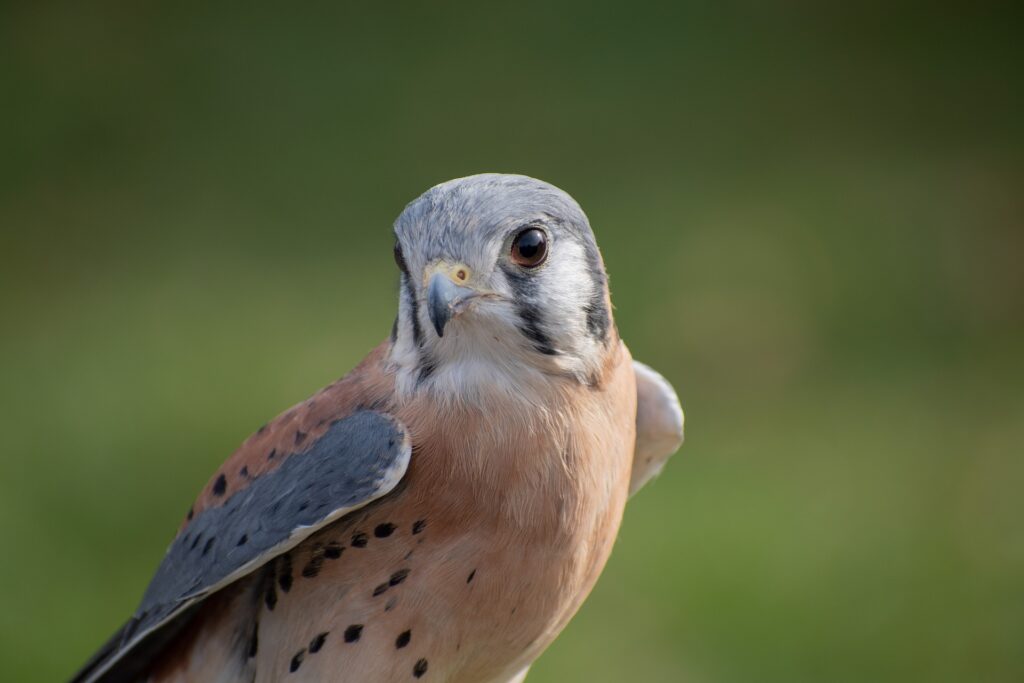
If you see a kestrel hovering in the air or perched on a high vantage point, it is likely that the bird is on the lookout for prey. However, if you see a kestrel flying erratically or diving towards the ground, it is likely that the bird is defending its territory. The kestrel, which is one of the most widely-known falconry birds, is trained to attack prey on command, which is why it is critical for falconers to be capable of telling the difference between an attack and a territorial display when dealing with them. Generally speaking, an attack will be more focused and purposeful, while a territorial display will be more erratic. However, both behaviours can be aggressive, so it is always best to observe from a safe distance.
What should you do if you encounter an aggressive kestrel in the wild?
If you’re lucky enough to spot a kestrel in the wild, you may be surprised by its aggressive behaviour. Kestrels are falcons; they are built for speed and hunting like all falcons. When a kestrel spots its prey, it will dive at high speeds, using its talons to kill and eat the animal. While this behaviour is natural and should not be considered threatening, it can be alarming if you’re not expecting it. If you encounter an aggressive kestrel, the best thing to do is to keep your distance and observe from a safe location. If the kestrel continues to show aggressive behaviour, you may want to contact a falconer or other expert who can help to assess the situation.
Do kestrels pose any danger to humans or pets, and if so, what precautions should be taken to protect them from harm’s way?
While kestrels are not dangerous to humans, they can be a threat to small pets such as rodents and rabbits. If you have a kestrel as a pet, keeping your pet away from other animals is important. In addition, you should also take care to keep your kestrel away from any areas where there might be food or water for other animals. Kestrels are also known to attack humans if they feel threatened, so it is essential to be aware of your kestrel’s body language and to avoid making any sudden movements around them. If you are concerned about the safety of your kestrel, you can always contact a falconer for help.