
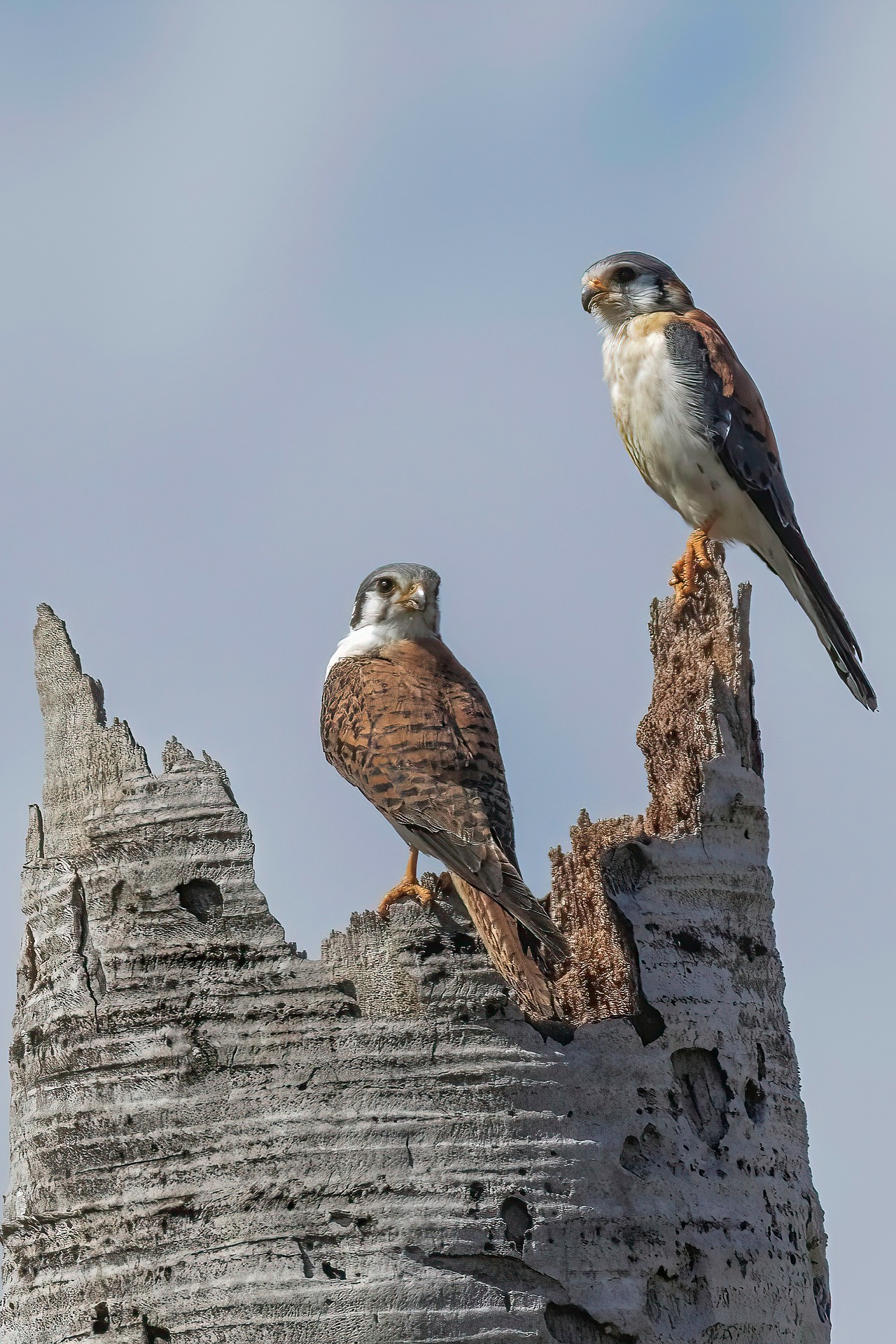
There is something strange happening near the roads. Kestrels, a type of falcon, have been observed hovering near roads in large numbers. Scientists are still working on understanding why they do this, but several theories exist. Some believe that the kestrels are using the roads to orient themselves, while others think they are looking for food. So what is the truth? What do kestrels do near roads?
Kestrels are known to hover near roads for many reasons. One reason is that roads often attract insects. Second, roadsides are famous hunting grounds because they provide a vast open space with fewer obstacles than a forest or field. Lastly, roadsides often contain vegetation attractive to small animals like mice and voles – all of the above are favourite meals for kestrels.
For various reasons, kestrels may hover near roadsides and countrysides, so join me as I will explore the different theories about why Kestrels hover near roads to determine which is most likely correct! And what it means for the birds. So stay tuned to learn more!
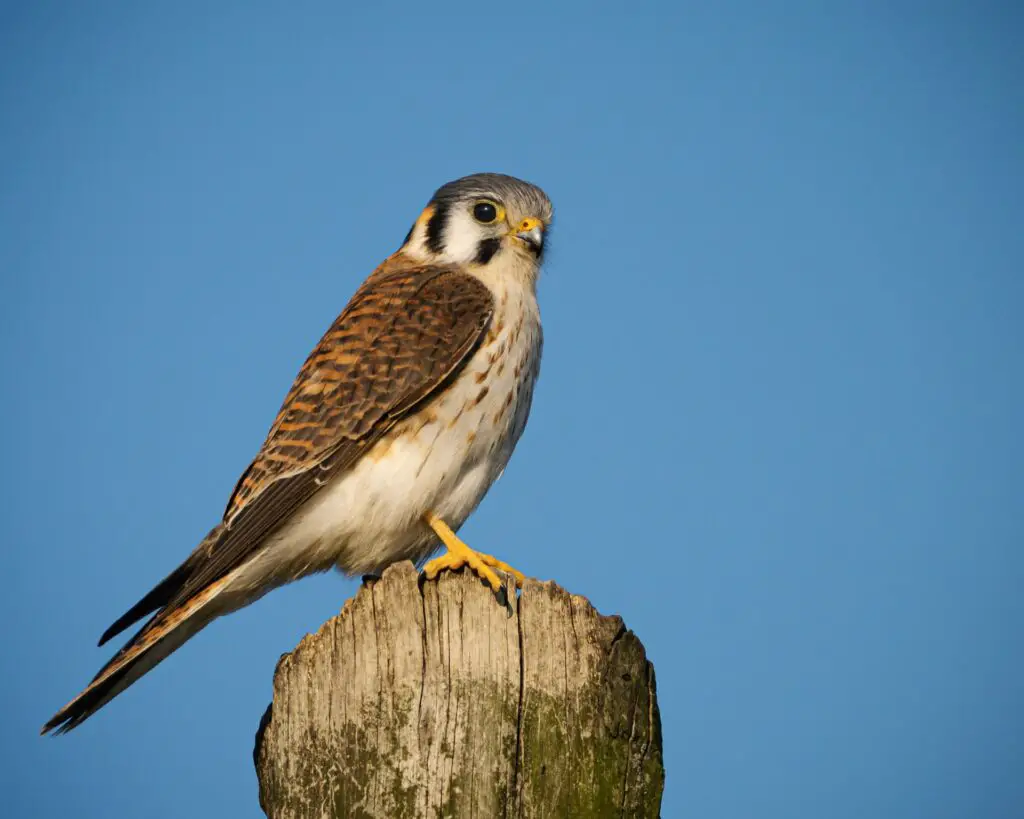
What are the main reasons kestrels hover near roadsides?
Kestrels are a type of small hawk that is often seen hovering near roadsides. While this behaviour may seem odd, there are several reasons why kestrels hover this way. One reason is that kestrels primarily eat small mammals, such as voles and mice. These animals are often found near the edges of roads and fields, making them easy targets for hunting kestrels. Another reason why kestrels hover near roadsides is that these areas offer open spaces with few obstacles. This makes it easier for kestrels to spot potential prey from the air. Finally, kestrels may also use roadsides as perches from which to launch their hunts. The hard surfaces of roads provide a stable platform for kestrels to take off from, making it easier to achieve the speed and altitude needed to capture prey. Some people have suggested that kestrels hover near roadsides because they use them to navigate easily; however, scientific evidence does not support this theory.
Overall, kestrels primarily hover near roadsides due to the presence of prey, open spaces with few obstacles, and as a launching point for their hunts. This behaviour may seem strange at first, but it actually serves an essential purpose in helping these small birds survive in their environment. Thus, while it may seem like odd behaviour, there are actually several reasons why kestrels hover near roadsides.
Do kestrels go after roadkill?
Kestrels are small but mighty predators and have been known to go after more oversized prey items such as hares and rabbits. However, they will also take advantage of smaller opportunities, including roadkill. While some birds will scavenge on carcasses, kestrels will actually kill and eat live prey. This behaviour has often been observed in urban areas, where kestrels have less competition from other predators. In addition, roadkill provides an easy source of food that requires little effort to obtain. As a result, kestrels are frequently seen feeding on roadkill, particularly in areas where there is a density of traffic.
Do kestrels use roads as landmarks to navigate?
It has long been assumed that kestrels use roads as landmarks to navigate. After all, they are frequently seen perched on power lines and top of buildings, and it seems logical that they would use these man-made structures to orient themselves. However, recent studies suggest that kestrels may not actually use roads as landmarks. Instead, they seem to rely on their sense of smell to get around. This research suggests that kestrels are equipped with an extremely strong sense of smell, which helps them orient themselves and find food. Although the jury is still out on whether kestrels use roads as landmarks, it seems clear that they can find their way around without them.
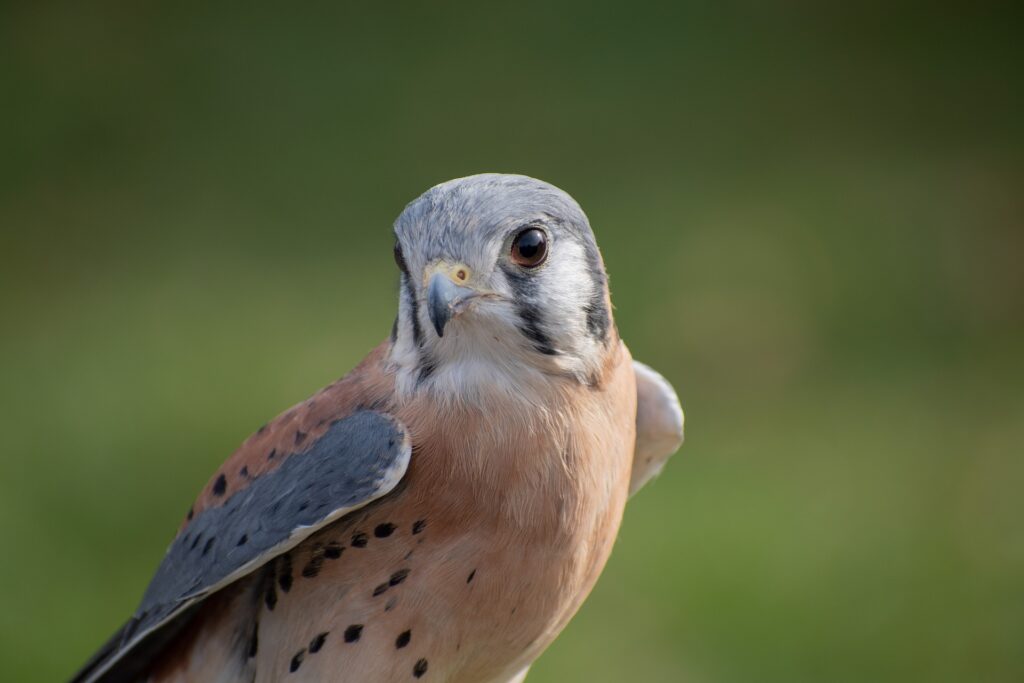
What types of food are kestrels on the lookout for when near roads?
Kestrels are a type of small hawk that can often be seen hovering near roadsides, looking for their next meal. Kestrels typically eat insects, snakes, and small rodents. While they will hunt for food in open fields and woodlands, kestrels are also drawn to areas where there is a steady supply of prey, such as along roadsides where insects are plentiful. In addition to hunting from the ground, kestrels will also perch on power lines or other high vantage points, keeping an eye out for movement below. When they spot their next meal, kestrels will dive down and snatch it up with their sharp talons. Thanks to their keen eyesight and quick reflexes, kestrels are adept hunters that help to keep the populations of pests in check.
Why do kestrels perch on powerlines or fences on the side of the road?
One of the most common sights along roadsides and in open country is a kestrel perched atop a powerline or fencepost. While this behaviour may seem odd at first glance, there is a good reason for it. Kestrels are owls of the day, meaning that they are active during the daytime hours. Since they are not nocturnal like owl species, they do not have the advantage of being able to see in low-light conditions. Therefore, perching on high, open perches like powerlines and fences gives them a vantage point from which they can scan the ground below for potential prey. In addition, kestrels often make use of thermals to help them stay airborne, and perching on exposed perches makes it easier for them to take advantage of these rising pockets of air. So next time you see a kestrel perched atop a powerline or fencepost, remember that it is just taking advantage of a good hunting spot.
Do kestrels come into contact with vehicles due to their love for the roads?
Kestrels are a type of bird of prey that is known for their habit of hovering in the air while searching for food. This behaviour often brings them close to roads, which can harm both the kestrels and motorists. Fortunately, kestrels are relatively small birds, and most vehicles are able to avoid them. However, there have been some reports of kestrels being struck by cars, usually with fatal results.
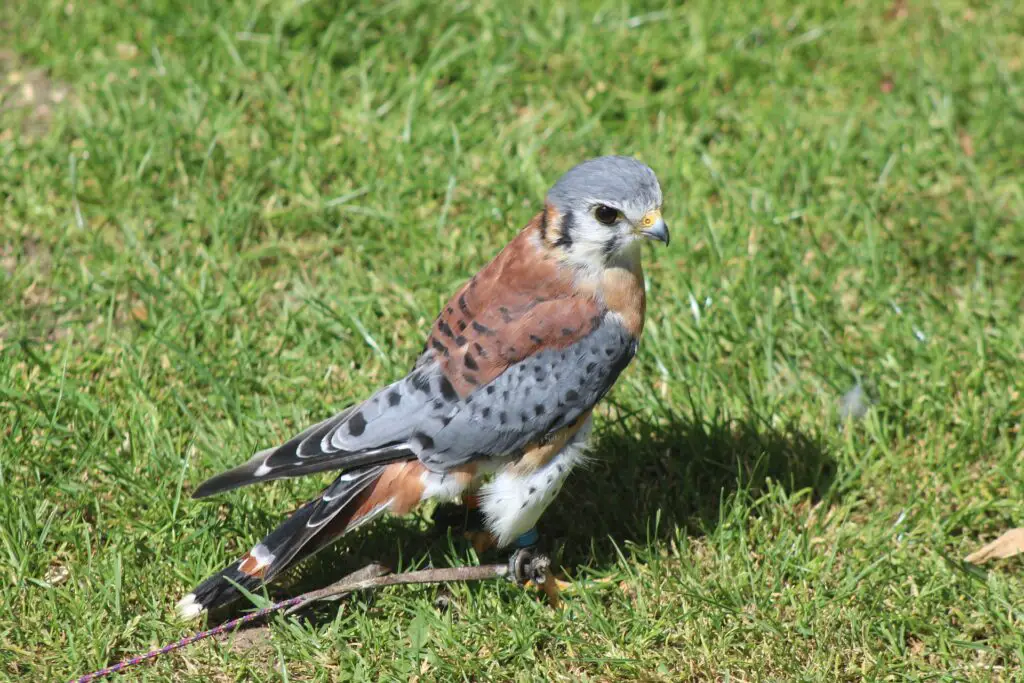
Kestrels hover near roads because they’re looking for food. Cars and trucks produce vibrations that make rodents and insects scurry out from around the area, and kestrels eat these creatures. So if you see a kestrel hovering near a road, don’t worry – it’s just doing what comes naturally to it.