

Most people have seen an osprey at some point in their lives if they have been near coastal lagoons. These magnificent creatures can be found all around the world, and they’re always a sight to see. Ospreys are known for their incredible hunting skills and often feast on fish. Although these birds are not used for falconry, they are still extremely magnificent birds with excellent hunting abilities.
An osprey is a fish-eating bird. Ospreys have razor-sharp talons that they use to catch fish. They also have a sharp beak that they use to tear the flesh off of their prey. Ospreys are very good at fishing and can catch fish that are much larger than themselves.
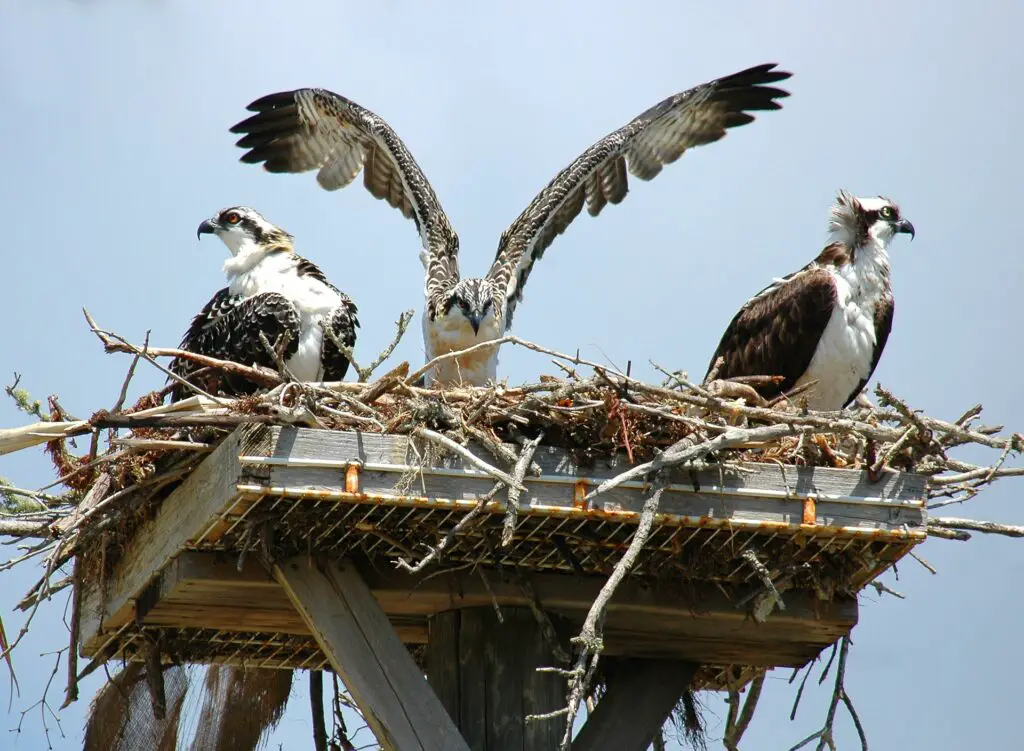
In this blog post, we’ll learn more about the eating habits of these amazing birds. We’ll also explore other foods that ospreys can eat. Stay tuned for more!
Is an Osprey a fish-eating bird?
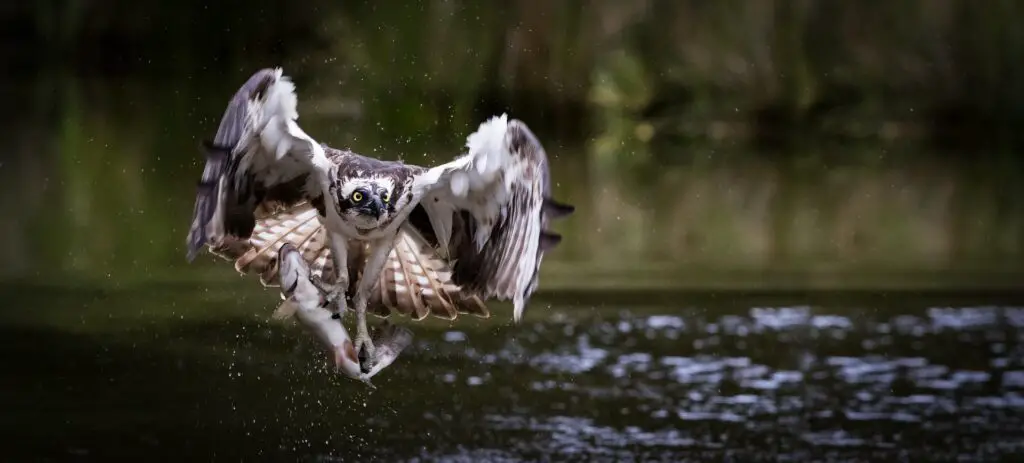
Yes, Ospreys are raptors that hunts and feeds on birds. This iconic bird of prey has long, narrow wings and a large, hooked beak that make it perfectly suited for diving into the water to catch its favourite prey: fish. Ospreys are particularly skilled hunters and are often found swooping over rivers and lakes in search of their next meal. They can dive at speeds up to 100 miles per hour, propelling themselves vertically into the water with powerful thrusts from their webbed feet. Thanks to this unique hunting style, Ospreys are able to capture fish that would otherwise be too fast or agile for other birds or animals to prey upon. Thus, it is clear that Osprey is truly a champion when it comes to fishing for their next meal.
What types of fish are preferred by Ospreys?
Ospreys are well-known for their love of fish and have a particular preference for certain types of prey. These birds prefer relatively large fish with plenty of flesh on them, and they typically hunt for fish weighing between two and four pounds. In addition, Ospreys are not limited to hunting in fresh water, as they have also been known to target larger fish in bodies of salt water like the sea or an ocean. Some of the most commonly encountered types of fish that Ospreys prey upon include trout, salmon, bass, catfish, and carp. Additionally, these birds will sometimes seek out other types of aquatic creatures, such as amphibians, crustaceans, and reptiles, in order to satisfy their voracious appetites. Whether hunting fresh or saltwater fish or something else altogether, Ospreys are clearly one of the most skilled hunters among the bird species. And given their impressive ability to catch even large and formidable prey like cattish, it comes as no surprise that so many people enjoy watching these magnificent birds in action. After all, there is simply nothing quite like witnessing first-hand the incredible aerial agility and remarkable hunting prowess exhibited by an Osprey in search of its next meal.
Will Ospreys eat other birds?
As any birdwatcher knows, the Osprey is a fierce predator that feeds primarily on fish. While most studies have shown that Ospreys mostly stick to fish when hunting, there has been some speculation in recent years about whether these birds will also eat other types of birds. Some people have reported seeing Ospreys eating gulls and terns, but the evidence for this is anecdotal at best. Therefore, it remains unclear whether or not Ospreys will actually go after other birds in the wild.
Are Ospreys carnivores or omnivores?
Ospreys is a piscivor and are carnivores. Reptiles, amphibians, small mammals, birds, and reptiles are mostly included in their diet.
Can Osprey eat vegetables and fruit?
Ospreys are not known to feed on fruits or vegetables. However, they eat a wide range of other foods, including small reptiles, mammals, invertebrates, and crustaceans. Ospreys tend to prefer hunting their prey in the water whenever possible since it is easier for them to spot and capture fish and other aquatic animals from above the water’s surface. They will also take advantage of opportunities to snatch prey out of the air by swooping down onto unsuspecting prey. Overall, ospreys are highly skilled hunters who hunt with talons on. So while they may not be particularly inclined towards eating fruits or vegetables, there is no doubt that these amazing birds can handle whatever nature throws at them!
How much do Ospreys eat in a day?
While the amount of fish an osprey consumes varies depending on a number of factors – including things like size, age, and season – scientists estimate that an individual adult osprey typically eats around 300g (10 oz) of food each day. Due to this, these birds have to work hard to stay healthy; as apex predators, they don’t have many natural enemies or competitors at their level in the food chain. And unlike some species of birds that can afford to be a bit lazier when finding food, ospreys always need to stay on top of their game if they want to survive and thrive.
When do Osprey babies begin to eat on their own?
Osprey chicks typically fledge or leave the nest at around eight weeks old. At this point, they are still dependent on their parents for food, although they will begin to practice hunting on their own. Once they have fledged, Osprey chicks will continue to beg for food from their parents for another four to six weeks. During this time, they will gradually increase the amount of time spent fishing on their own until they are completely independent. While it varies from chick to chick, most Ospreys reach full independence by around 12 weeks old. After that, they will continue associating with their parents and other members of their breeding colony for several years before moving off.
Ospreys are apex predators that play a vital role in the health of their ecosystem. They feed on various fish, making them an essential part of the food chain. By understanding what ospreys eat, we can better understand how they help to maintain balance in their environment.