

Buzzards are a type of raptor, and as such, they are used in falconry. These raptors are perfect for aerial hunting because they have relatively big wingspans, strong talons, and keen eyesight. Buzzards may be trained to hunt on demand and are reasonably simple to maintain, but are they frequently used in falconry, in my personal experience, I have found that
Buzzards are not usually used in falconry, because they are not considered very effective birds of prey. Many falconers swear that they are just not meant for the sport due to various factors. However, there are some exceptions. In some instances, a buzzard can be used to hunt small games if it is properly trained for a period of time.
While the usage of buzzards in falconry is limited, many falconers mainly skilled ones with years of experience find them useful and opt to hunt with them for a challenge, so let’s explore both sides and see if a buzzard is a raptor that you would choose to hunt with.
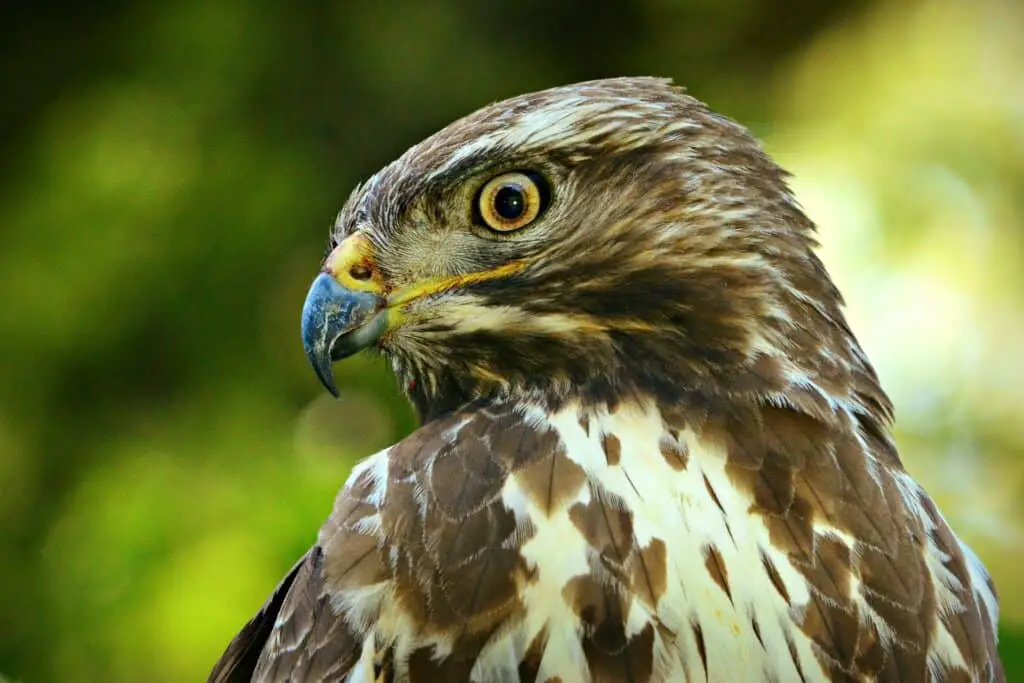
A guide on how buzzards are used in falconry
Buzzards are an uncommonly seen bird of prey in the world of falconry, which usually tends to fly under the radar. This is due to their timid nature and need for hunting skills compared to popular favourites such as hawks and kestrels. However, a well-equipped and experienced falconer can certainly train a buzzard into an effective hunting companion. In fact, their beating windpower, their razor-sharp talons, and their unique ability to see things from great heights make them quite adept at hunting small birds and mammals. With proper patience and training, it’s possible for a buzzard to become an incredibly useful asset in the pursuit of the game. So if you’re looking for a unique challenge or want something different than your everyday falconry experience, consider trying a buzzard.
How suitable are buzzards for falconry
Buzzards may make suitable hunting partners due to their power, speed, and judgment in the air, but they are rarely considered when looking for birds of prey adapted to the sport of falconry. Buzzards have become vilified by gamekeepers and farmers after being wrongly accused of taking too much game or stock. As a result, an unjustified stigma is attached to them, falconers. Despite this, buzzards are incredibly resilient and strong flyers capable of quickly adapting to different conditions. With proper training and commitment, buzzards could be excellent hunting companions with potentially successful outcomes as they will pursue quarry more passionately than many other species.
Bonding, exercising and training buzzards in falconry.
Falconry has been a traditional form of hunting for centuries, but it is only possible if the birds of prey are trained properly. Bonding with the bird is extremely important and must begin as soon as possible to ensure successful training. This includes spending time with them in daily handling exercises and giving them positive reinforcement when they respond correctly. Exercising is also essential, as it gets the buzzards used to flying and allows them to build muscle strength that will be useful when they hunt later. Finally, consistent and repetitive training helps embed these behaviours in the bird’s minds; combination commands such as clapping your hands or whistling can eventually be taught in order for the hunters to control their birds in the field. With patience, a deep bond between humans and birds of prey can be formed through extensive bonding, exercise, and training.
The differences between buzzards and other birds of prey
Buzzards are impressively large bird of prey species that differ from other birds of prey in a number of ways. Buzzards’ plumage tends to be brown and mottled, adding to their camouflage, while other birds of prey tend to have plain feathers with stripes or spots. Additionally, while other birds of prey often feed on smaller animals such as mice and rats, buzzards will eat almost anything they find edible, including carrion, insects, and other small animals. Furthermore, unlike many members of the Accipitridae family who use their sharp talons for killing and preening, the buzzard mostly uses its sharp beak to rip off flesh from its food items. Finally, it is worth noting that buzzards usually hunt during the day, unlike many other raptor species that can hunt both night and day.
What do I need from a legal standpoint to use buzzards in falconry?
Using buzzards in falconry requires careful attention to legal matters. Depending on your state, you may need to pass a test and/or obtain a license depending on the type of bird you are using. Additionally, you may be limited in how many birds you can possess and the methods and locations in which they can be used. There are also restrictions related to hunting games with a raptor – this is determined state-by-state and involves migratory bird laws that must be followed. To ensure all legal considerations are met, it is wise to research local regulations regarding raptor use. This is absolutely essential for anyone interested in participating in this sport and keeping their birds safe and healthy.

The pros and cons of buzzards in falconry
Falconry is a popular sport due to the opportunity of training and bonding with birds of prey. Buzzards are large, majestic birds, and they make an ideal choice for this pursuit, but some pros and cons need to be weighed before choosing to work with a buzzard. In terms of benefits, they are relatively easy to accumulate and maintain given their scavenging lifestyle and an affordable option given the abundant supplies needed. However, Buzzards also need better trainability, which can lead to challenges when working with them; plus, one must consider the legalities which encompass state and federal laws around falconry that frequently limit or outright prohibit the use of certain species of birds. Therefore, understanding the pros and cons of using buzzards in falconry is essential for those pursuing this exciting activity.
Even though buzzards are rare in falconry, they can make for excellent hunting partners if you research and train them properly. If you want to try something different from the typical hawk or eagle, give a buzzard a chance – you might be pleasantly surprised at how capable they are.