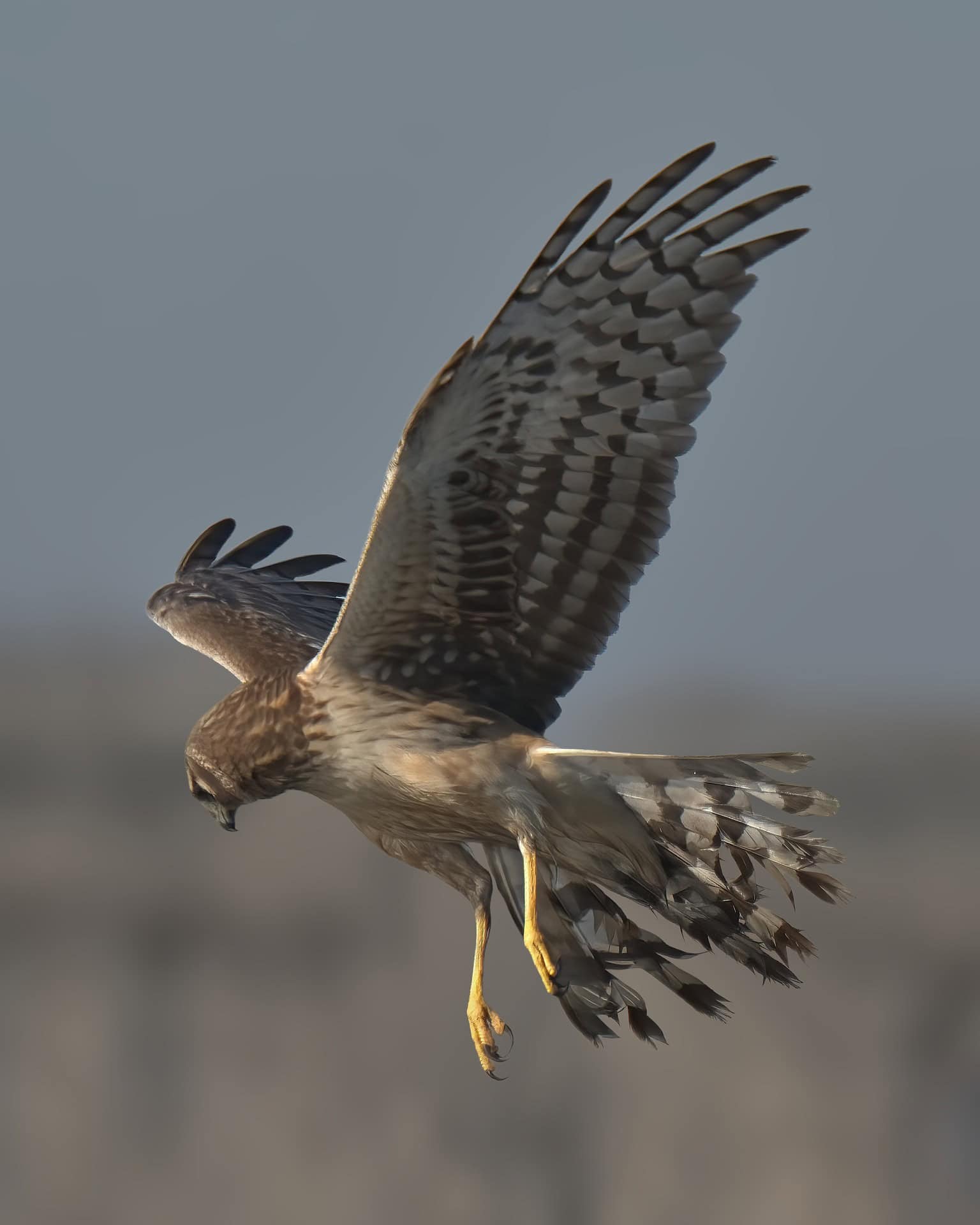
As a falconer, I have always seen the Coopers Hawk as a jewel in the avian world. The intricacies of breeding these majestic birds go beyond mere observation; it requires dedication, knowledge, and finesse. From understanding legal requirements to creating the perfect breeding environment, every step in the process is crucial. But how does one truly ensure success in breeding these raptors? The answer lies in a combination of expertise, patience, and a deep understanding of the Coopers Hawk’s unique breeding behaviours and needs.
The Breeding Process
When breeding Cooper’s hawks in falconry, the mating pair undergoes a meticulous courtship ritual to establish their bond and readiness for nesting. This ritual involves intricate aerial displays, mutual preening, and vocalizations that communicate their readiness to mate. Once the pair has bonded, they select a suitable nesting site together where they can build their nest.
The female Cooper’s hawk will lay a clutch of eggs, usually ranging from 2 to 5 eggs, depending on factors such as age, health, and environmental conditions. The eggs are then carefully incubated by both parents (mainly the female) for about 30 to 35 days until they hatch. During this incubation period, the parents take turns keeping the eggs warm and ensuring they are rotated regularly for proper development.

After the eggs hatch, the chick development phase begins. The parents work tirelessly to provide food and warmth to the chicks, ensuring their survival and growth. Their babies grow rapidly, and within a few weeks, they are ready to fledge and leave the nest.
Throughout this process, the genetic diversity of the breeding pair plays a crucial role in the health and vitality of the offspring. Genetic diversity helps reduce the risk of genetic abnormalities and ensures the long-term success of the Cooper’s hawk population in falconry.
Legal Requirements
I must stress the importance of securing proper permits before embarking on the journey of breeding Coopers Hawks. Aviary prerequisites play a crucial role in ensuring the well-being of the birds and compliance with legal standards. Documentation must be meticulously maintained to adhere to falconry regulations and protect the welfare of these magnificent raptors.
Permits
Two permits are required for breeding Coopers Hawks to ensure compliance with legal requirements and conservation efforts.
Permits for Breeding Coopers Hawks:
- Permit Process: Obtaining permits involves a thorough application process to demonstrate an understanding of breeding practices.
- Regulatory Compliance: Permits ensure adherence to laws governing the breeding of protected species.
- Breeding Restrictions: Permits outline specific conditions and limitations for breeding Coopers Hawks.
- Breeding Authorization: Once permits are granted, breeders are authorized to proceed with their breeding program under specified guidelines.
These permits are crucial for monitoring and managing the breeding of Coopers Hawks, contributing to the preservation of this species while allowing for responsible falconry practices.
Aviary prerequisites
Designing the appropriate aviary for Coopers Hawks is pivotal in creating a conducive environment for their breeding and well-being. The size of the aviary is one of the most critical aspects to consider, as it directly impacts the hawks’ ability to engage in natural behaviours such as flying, nesting, and privacy for mating.
Aviary Size Requirements:
- Minimum Dimensions: For Coopers Hawks, the aviary should offer ample space to allow for short flights. A minimum length of 20 feet (about 6 meters) is recommended. The width should be at least 8 feet (approximately 2.4 meters), with a height that permits the birds to fully extend their wings without hindrance, ideally around 8 feet as well.
- Flight Space: Providing enough room for flight is vital for the birds’ physical health and well-being. The length of the aviary is especially crucial, as it facilitates a more natural flying experience.
- Nesting Area: A secluded area within the aviary where the hawks can build their nest is essential. This can be achieved by incorporating natural or artificial barriers that offer privacy and security.
Safety and Construction Materials:
- Materials: The construction of the aviary should use safe, non-toxic materials that can withstand the elements and the hawks’ talons. Galvanized steel, stainless steel mesh, or heavy-duty netting are commonly used.
- Protection From the Elements: The design should offer sheltered areas to protect the hawks from adverse weather conditions, such as extreme heat or cold.
Accessibility for Maintenance and Observation:
- Maintenance Access: The aviary should allow easy access for cleaning, feeding, and medical examination without causing stress to the birds.
- Observation Points: Designing the aviary with discreet observation points enables monitoring of the hawks without intruding on their space, which is crucial during the sensitive breeding season.
In essence, the aviary prerequisites for breeding Coopers Hawks must prioritize the birds’ physical and psychological health. A well-designed aviary that simulates natural conditions as closely as possible will not only support successful breeding but also ensure the hawks thrive and exhibit natural behaviours.
| Aspect | Importance |
| Aviary design | Essential |
| Ventilation | Critical |
| Breeding behaviour | Crucial |
| Incubation period | Meticulous monitoring |
Documentation
Proper documentation throughout the breeding process of Cooper’s Hawks is paramount for several reasons. It ensures transparency and accountability, enabling breeders to track the health, development, and genetic lineage of each bird. This is crucial for maintaining a diverse gene pool within the population, which is essential for the species’ long-term viability. Documentation also facilitates compliance with legal and regulatory requirements, ensuring that the breeding program operates within the bounds of conservation laws and guidelines.
Setting up your breeding environment
When preparing the breeding environment for Cooper Hawks, it is crucial to bear in mind several key factors. Space allocation must be ample to allow for natural movement and territorial behaviours. Protection from predators is essential to ensure the safety and security of the parents and their offspring. Nesting areas should be carefully selected to mimic their natural habitat, and perch placement plays a vital role in promoting exercise and maintaining muscle tone. Temperature control is also a critical aspect of regulating and maintaining an optimal breeding environment for these birds.
Space
In setting up the breeding environment for Coopers Hawks, meticulous attention to detail is crucial to ensure the optimal space for successful reproduction and rearing of offspring.
- Adequate Space: Coopers Hawks require ample space for flight and exercise to maintain physical health.
- Nesting Area: Providing a secluded and safe nesting site mimicking their natural habitat is essential for breeding success.
- Perches and Roosts: Including various perches at different heights helps simulate natural environments and promote natural behaviours.
Protection from predators
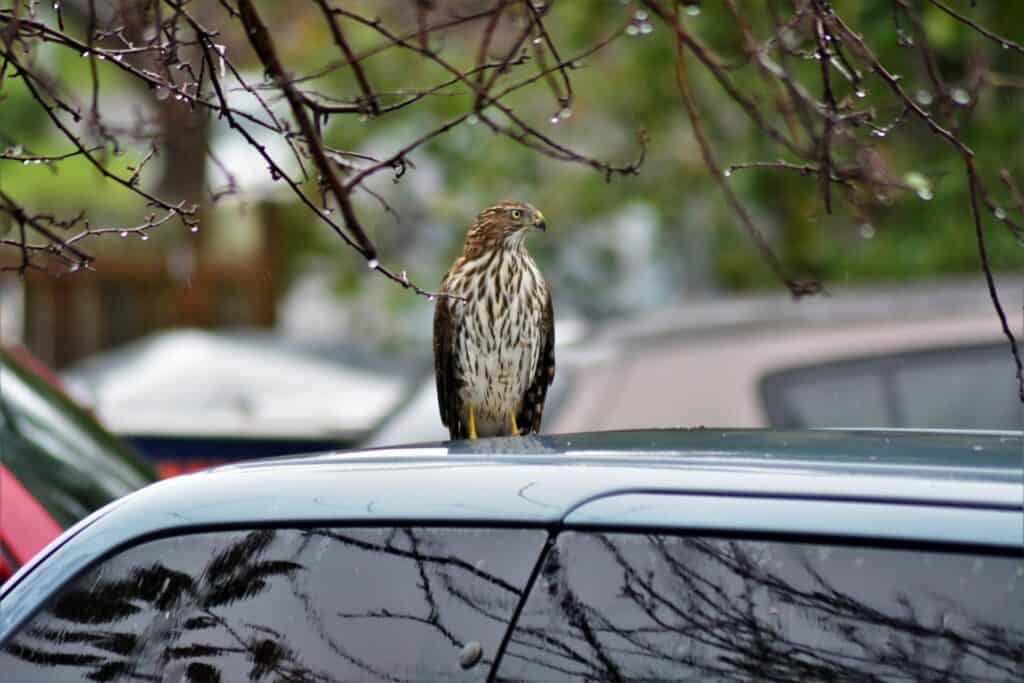
Ensuring protection from predators is paramount in the aviary environment, especially during the sensitive breeding season. Predators, both airborne, such as larger birds of prey, and terrestrial, like cats or foxes, can cause significant stress to Cooper Hawks, potentially leading to unsuccessful breeding or harm to the birds and their offspring.
Methods to Protect from Predators:
- Solid Barriers: Utilizing solid walls or barriers on at least one side of the aviary can deter terrestrial predators and provide a sense of security for the hawks.
- Secure Mesh or Netting: High-quality, durable mesh or netting that covers the aviary can prevent attacks from airborne predators. The mesh should be of a small enough gauge to prevent predators from reaching inside.
- Elevated Nesting Sites: Placing nesting sites higher within the aviary can provide additional security against ground-based threats and mimic the hawks’ natural preference for elevated nesting spots.
- Perimeter Fencing: A secure fence around the aviary can deter larger predators and unauthorized human access, further safeguarding the birds.
- Lockable Entry: Equipping the aviary with a secure, lockable entry point will prevent intrusion and ensure that only authorized personnel can enter.
Importance of Predator Protection During Breeding Season:
During the breeding season, the stakes are significantly higher. The presence of predators can cause distress to the breeding pair, potentially disrupting mating, egg-laying, and the incubation process. Stress in breeding birds can lead to lower hatch rates and impact the health and growth of chicks. Furthermore, young birds are particularly vulnerable and may not have fully developed their instincts and abilities to protect themselves from predators. Ensuring a predator-proof environment allows Coopers Hawks to breed in peace, focusing their energies on raising their offspring safely and successfully.
Nesting area
Implementing effective measures to create a suitable nesting area is crucial for providing a secure breeding environment for your Coopers Hawk.
- Nesting materials: Offer suitable materials like twigs, leaves, and soft bedding while ensuring the nest is predator-proof to safeguard the eggs and chicks.
- Nesting habits, breeding success: Understanding the hawk’s natural nesting habits can greatly increase breeding success rates.
- Nesting location, nesting behaviour: Choose a secluded spot that mimics their natural habitat, and observe their nesting behaviour closely to ensure they feel comfortable.
- Nesting preferences, nest construction: Take into account the hawk’s preferences for nest shape and size when constructing the nest to encourage successful breeding.
Perch Placement
Perch placement is of paramount importance during the breeding season for several reasons. Firstly, it influences the physical well-being of the Coopers Hawks, providing opportunities for them to engage in natural behaviours such as preening, stretching, and exercising. Proper perch placement can mimic the natural environment of the hawks, facilitating a stress-free atmosphere conducive to successful breeding. Varied heights and types of perches encourage these natural behaviours, which are essential for maintaining good health and promoting breeding readiness.
Secondly, strategically placed perches can enhance the security of the breeding pair, allowing them a vantage point to vigilantly monitor their surroundings for potential threats. This heightened sense of security can significantly reduce stress levels, contributing to a more successful breeding season. Additionally, perches positioned near the nesting area can offer the breeding pair quick access to their nest, enabling them to promptly respond to any disturbances or threats to their eggs or chicks.
Temperature control
Strategically maintaining optimal temperature levels in the breeding environment plays a pivotal role in ensuring the health and success of Coopers Hawks during their reproductive cycle.
- Temperature regulation: Precisely controlling the temperature can significantly impact breeding success.
- Seasonal variations: Understanding how seasonal changes affect temperature is crucial for favourable breeding outcomes.
- Heat lamps: Implementing heat lamps can enhance breeding efficiency by providing a consistent source of warmth.
- Cooling systems: Utilizing cooling systems can help manage temperature fluctuations, leading to better breeding results.
How to mimic the natural breeding environment
To mimic the natural breeding environment for Coopers Hawks, one must carefully consider the lighting conditions. Artificial lights that simulate the changing daylight hours can help regulate the breeding cycle. Additionally, providing natural nesting materials like twigs, leaves, and feathers can encourage the hawks to exhibit their natural nesting behaviours.
Artificial lights
Mimicking the natural breeding environment of Coopers hawk can be effectively achieved through the careful use of artificial lights. To create an optimal environment, consider the following:
- Light intensity: Ensure the light is bright enough to simulate natural sunlight.
- Light duration: Mimic the natural day length to regulate breeding behaviour.
- Light spectrum: Choose a light source that emits a spectrum similar to natural sunlight.
- Light source: LED lights are energy-efficient and provide a suitable spectrum for breeding.
Natural Nesting Materials:
Using natural nesting materials plays a crucial role in replicating the authentic breeding environment for Coopers Hawks. These birds exhibit specific nesting habits, constructing their nests mainly with twigs, bark, and leaves during their breeding season. The nest construction process is meticulous, with the female Coopers Hawk being responsible for most of the building while the male gathers materials. This attention to detail ensures a secure environment for egg development and successful incubation. Understanding the importance of mimicking these natural behaviours can significantly impact the breeding success of captive Cooper’s hawks.
| Nesting Material | Usage | Importance |
| Twigs | Nest structure | Provides support |
| Bark | Insulation | Regulates temperature| |
| Leaves | Cushioning | Protects eggs |
Selecting a breeding pair
When selecting a breeding pair of Coopers Hawks, it is crucial to carefully assess their physical attributes, behaviour, and genetic background for optimal breeding success.
- Genetic selection: Choose individuals with diverse genetic backgrounds to avoid inbreeding and increase genetic variability in the offspring, leading to healthier chicks.
- Behavioural compatibility: Look for pairs that display harmonious interactions, as this can indicate a strong bond and better cooperation during breeding and chick rearing.
- Breeding timeline: Consider the age of the potential breeding pair, as Coopers Hawks typically reach breeding maturity at around two to three years of age.
Observing the potential breeding pair closely will provide valuable insights into their suitability for successful breeding. Assess their plumage condition, overall health, and hunting skills to ensure they are in prime breeding condition. Understanding the nuances of their behaviour, such as courtship rituals and territorial displays, can also give clues about their compatibility and readiness for breeding. By considering these factors meticulously, you can increase the chances of a successful breeding season and the growth of a healthy Cooper Hawk family.

How to introduce the breeding pair and what to look out for
Introducing the breeding pair of Coopers Hawks involves carefully monitoring their initial interactions for signs of compatibility and bonding. Pair bonding is crucial for successful breeding, so observing their behavioural interactions is key. When introducing the pair, it is important to pay attention to their courtship rituals, as these behaviours indicate the development of a strong bond between the male and female hawk. Behavioural observations should focus on how they communicate, groom each other, and engage in mutual activities.
| Pair Bonding | Behavioural Observations | Courtship Rituals |
| Mutual grooming | Communication signals | Display flights |
| Shared activities | Body language cues | Food exchanges |
| Allopreening | Nest-building behaviour | Vocalizations |
As the pair starts to bond, you may notice them engaging in nest construction activities. The male and female Coopers Hawks will collaborate in building a nest, with the male providing materials while the female arranges them. This joint effort is a significant milestone in their relationship and indicates their readiness to breed. Additionally, as the pair solidifies their bond, they will become more vigilant in defending their territory. Territory defence is a shared responsibility, with both hawks actively patrolling and protecting their breeding grounds from potential threats.
Compiling data and analyzing it
I record laying dates meticulously, noting the subtle changes in behaviour leading up to this crucial event. The growth rate of the embryos is a critical metric, requiring careful observation and detailed documentation. The hatch date, typically occurring 35 days after laying, marks a pivotal moment in the breeding process that I meticulously analyze to understand the success of the pair’s efforts.
Laying dates:
- Note when the pair first starts displaying courtship rituals and building their nest.
- Observe the female’s behavioural changes as she prepares to lay eggs, such as increased time spent in the nest and decreased activity levels.
Embryo growth:
- Record weekly measurements of embryo size using callipers or a similar tool.
- Monitor any abnormalities or stunted growth that may indicate potential problems or complications.
Hatch date:
- Observe the female’s behaviour leading up to and during hatching, noting any difficulties or delays.
- Document the number of healthy chicks, their growth rate, and any behavioural observations as they develop.
By compiling this data and analyzing it closely, I can make informed decisions on ways to improve future breeding seasons. This information also contributes to the overall understanding of Coopers Hawks’ breeding behaviours and can be used for conservation efforts.
Breeding challenges and solution
Navigating the intricacies of breeding Coopers Hawks in falconry can present a myriad of challenges, requiring careful consideration and strategic solutions. During the breeding season, ensuring genetic diversity within the breeding pairs is crucial to maintain the health and vigour of the offspring. Introducing new bloodlines periodically can help prevent inbreeding depression and improve overall breeding success.
One significant challenge falconers face is the incubation period. Coopers Hawks typically have an incubation period of around 32-35 days. Monitoring the eggs closely during this time is essential to ensure they get proper care and stay at the correct temperature and humidity levels for successful hatching.
Understanding Coopers Hawk’s parental behaviour is also key to breeding success. These birds are known for their fierce protection of their nest and young, which can sometimes pose challenges for falconers trying to intervene for health checks or other necessary procedures. Developing a trusting relationship with the parent birds through positive reinforcement can help mitigate potential conflicts and ensure the well-being of both the adults and chicks.
How to tell if your raptor is ready to breed
Determining the pregnancy status of a raptor involves closely monitoring behavioural and physical changes that indicate potential breeding activity.
Key Indicators of Pregnancy in Raptors:
- Nesting Behavior: One of the earliest signs of pregnancy in a female raptor is the display of nesting behaviour. This includes gathering nesting materials, rearranging bedding, and exhibiting protective behaviour over the nesting area.
- Mating Rituals: Observing the mating rituals between the male and female raptor can provide valuable insight into the potential pregnancy. Mating behaviours such as courtship displays, vocalizations, and mutual preening indicate the birds are preparing for breeding.
- Pregnancy Signs: Physical changes like weight gain, increased appetite, and changes in the female’s demeanour can signal pregnancy. Additionally, the female may become more territorial and protective of her nesting site.
Nutritional, Weight Management, and Healthcare Requirements for Breeding Coppers Hawk
When breeding Cooper’s Hawks, understanding their nutritional needs, managing their weight, and ensuring proper healthcare is vital for successful reproduction. Providing a balanced diet rich in nutrients, monitoring their weight to prevent obesity or malnutrition, and regularly checking for signs of illness or injury are crucial aspects of caring for breeding Cooper’s Hawks. By meeting these requirements, I help ensure the health and well-being of my avian partners during the breeding season.
Nutritional requirements
- Feeding Schedule: Coopers Hawks require a consistent feeding schedule to maintain their energy levels and support breeding activities.
- Vitamin Supplements: Providing appropriate vitamin supplements is essential to ensure the birds receive all necessary nutrients for optimal health and reproduction.
- Protein Sources: Offering a variety of protein sources, such as mice, small birds, and insects, is vital for meeting the high protein demands of breeding Coopers Hawks.
- Calcium Intake: Adequate calcium intake is crucial for egg formation and skeletal health. Ensuring the birds have access to calcium-rich food sources is imperative during the breeding season.
- Hydration Needs: Coopers Hawks must have access to fresh water all the time to maintain proper hydration levels, especially during the demanding breeding period.
Weight management
Weight management plays a crucial role in the breeding process of Coopers Hawks, impacting both the health of the parent birds and the success rate of breeding. Maintaining an optimal weight for both the male and female is essential to ensure they are in peak physical condition for breeding. An overweight hawk may face difficulties during the mating process and could have issues with egg laying and fertility, while an underweight bird might lack the necessary energy and resilience for egg production and rearing of the chicks.
Proper weight management involves careful monitoring and adjusting of food portions to keep the birds’ weight within a healthy range. This not only prepares them physically for the demands of breeding but also optimizes their overall health, reducing the risk of diseases that can complicate or preclude successful reproduction. Additionally, managing the weight of Cooper Hawks can influence their hormonal balance, further affecting their readiness and ability to breed effectively.
Therefore, implementing a balanced diet that fulfils nutritional needs without leading to excess weight gain, alongside regular health checks, is pivotal in achieving a successful breeding season for Coopers Hawks.
Healthcare
To ensure the optimal health and breeding success of Coopers Hawks, meticulous attention to their healthcare requirements is essential.
Healthcare Requirements for Breeding Coppers Hawk:
- Health monitoring: Regularly observe the hawk for any signs of illness or abnormal behaviour.
- Dietary adjustments: Provide a balanced diet rich in proteins, vitamins, and minerals to support breeding and overall health.
- Exercise routine: Encourage natural hunting behaviours through simulated hunting activities to maintain physical fitness.
- Veterinary check-ups: Schedule routine check-ups with an avian veterinarian to ensure the hawk’s health and address any concerns promptly.
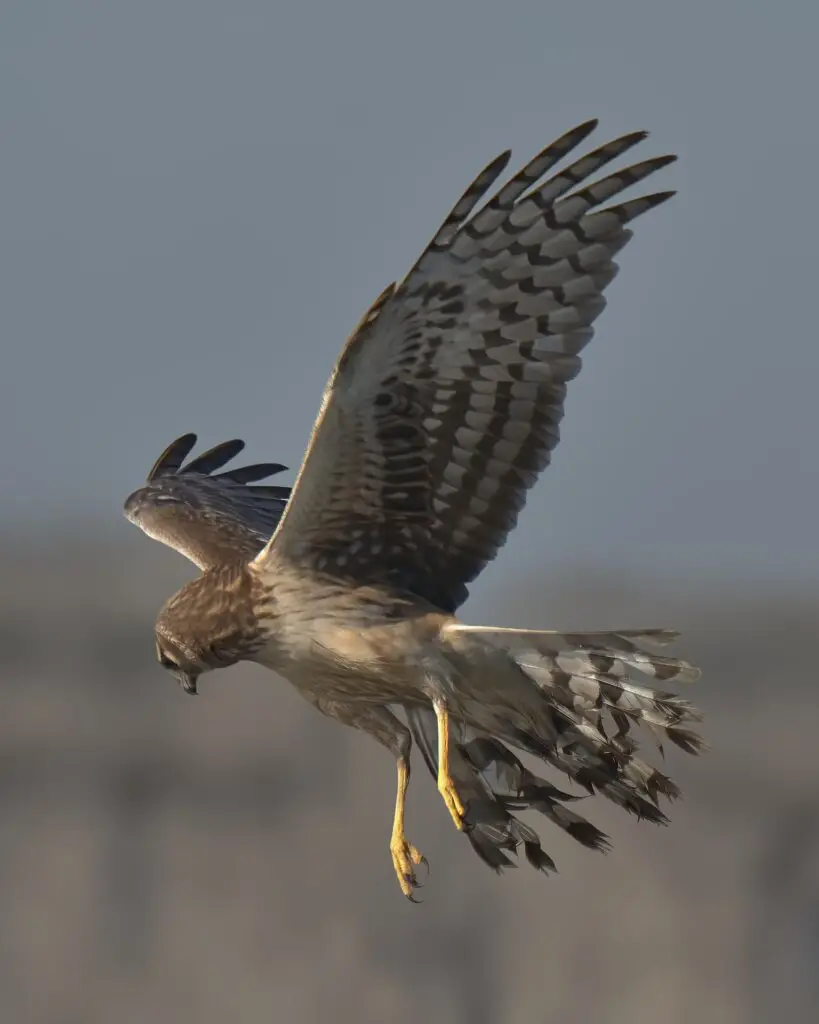
What exactly is artificial insemination, and how do they go about it for Cooper Hawks?
Artificial insemination (AI) is a controlled breeding technique widely used in various species, including birds, to ensure successful fertilization without requiring physical mating between a male and female. This method is particularly valuable in aviculture and the conservation of species, like the Cooper’s Hawk, where maintaining genetic diversity, overcoming breeding challenges, or protecting the health of birds is paramount.
The Process of Artificial Insemination for Cooper’s Hawks
The process typically begins with the careful collection of semen from a male Cooper’s Hawk, ensuring minimal stress to the animal. This requires expert handling to avoid injury and to efficiently obtain a high-quality sample. Once collected, the semen is evaluated for vitality and concentration, preparing it for insemination.
The female hawk, determined to be in the appropriate stage of her reproductive cycle through careful monitoring, undergoes a process where the collected semen is carefully and directly inserted into her reproductive tract using specialized instruments. This procedure is delicate and must be performed by skilled veterinarians or aviculturists to ensure it is done correctly and safely for the bird.
Post-insemination, the female’s health and behaviour are meticulously monitored to confirm successful fertilization and to manage any potential health issues arising from the process. If successful, this method enables the breeding of Cooper’s Hawks with desired genetic traits, supports the conservation of the species, and overcomes challenges associated with natural mating.
In conclusion, breeding Cooper hawks requires careful planning, attention to detail, and a deep understanding of their natural behaviours. By following the proper procedures, providing a suitable environment, and monitoring their health and nutrition closely, falconers like you can successfully breed these magnificent birds of prey.