
As a falconer, I’ve found the Cooper’s hawk to be an impressive companion, showcasing incredible agility and hunting skills. This bird thrives on a diet of small birds and mammals, and its adaptability makes it a joy to train. However, proper handling and building trust are essential for success. Navigating legal and ethical considerations is also important in responsible falconry. There’s much more to explore about its care and hunting techniques that I believe you’ll find fascinating.

Introduction
Scientific name: Accipiter cooperii (Astur cooperii)
Family: Accipitridae
Diet: Primarily birds, including starlings, doves, quail, and woodpeckers. Also, small mammals like chipmunks, squirrels, and mice. Occasionally, reptiles, amphibians, and bats
Lifespan: Wild raptors reach 8 -12 years, with highest mortality in the first year. In captivity, 10 -15 years, with the maximum recorded age at 20+
Habitat and Range: Forests, woodlands, and suburban areas with tall trees across North America, from southern Canada to Mexico
Temperament: Aggressive and skilled hunter, highly territorial during breeding season
Size: 14 to 21 inches in length
Weight: adults – 1.2lbs (0.54kg)
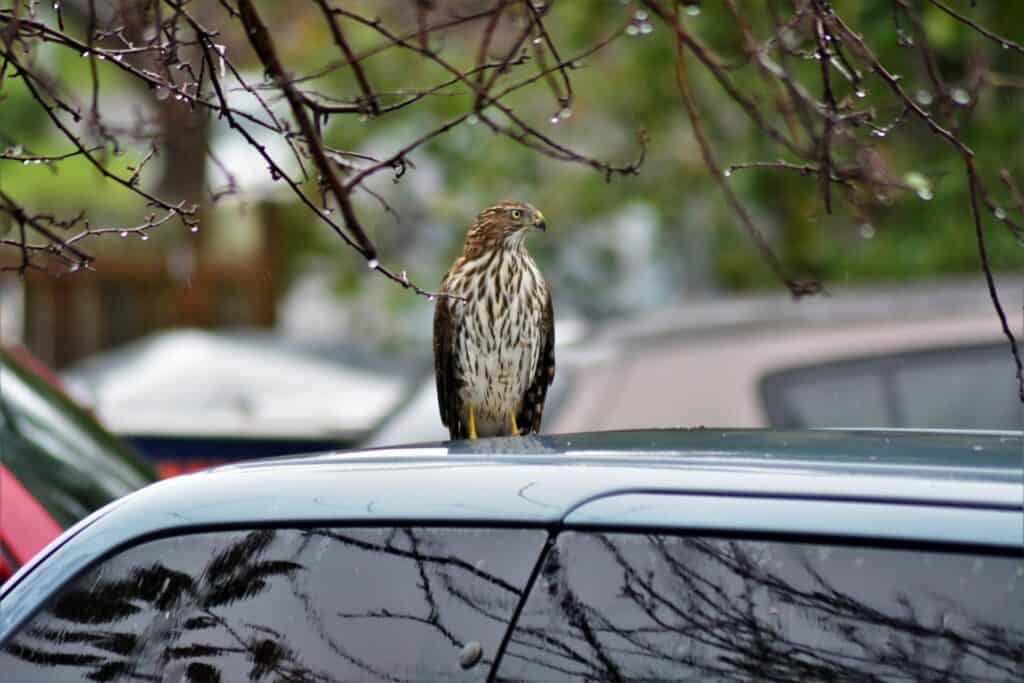
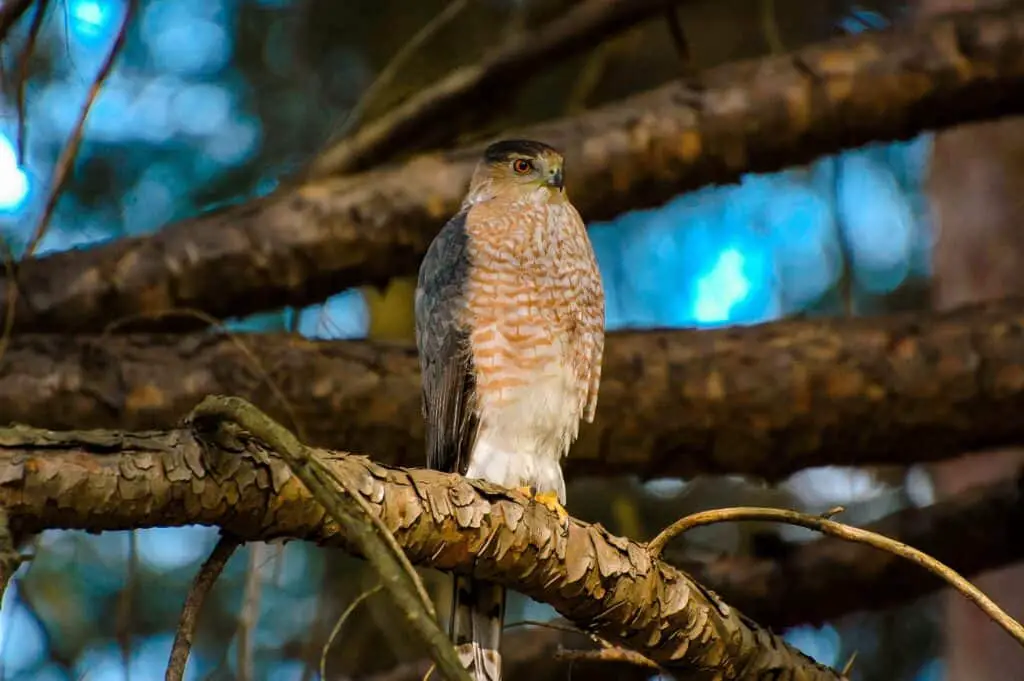
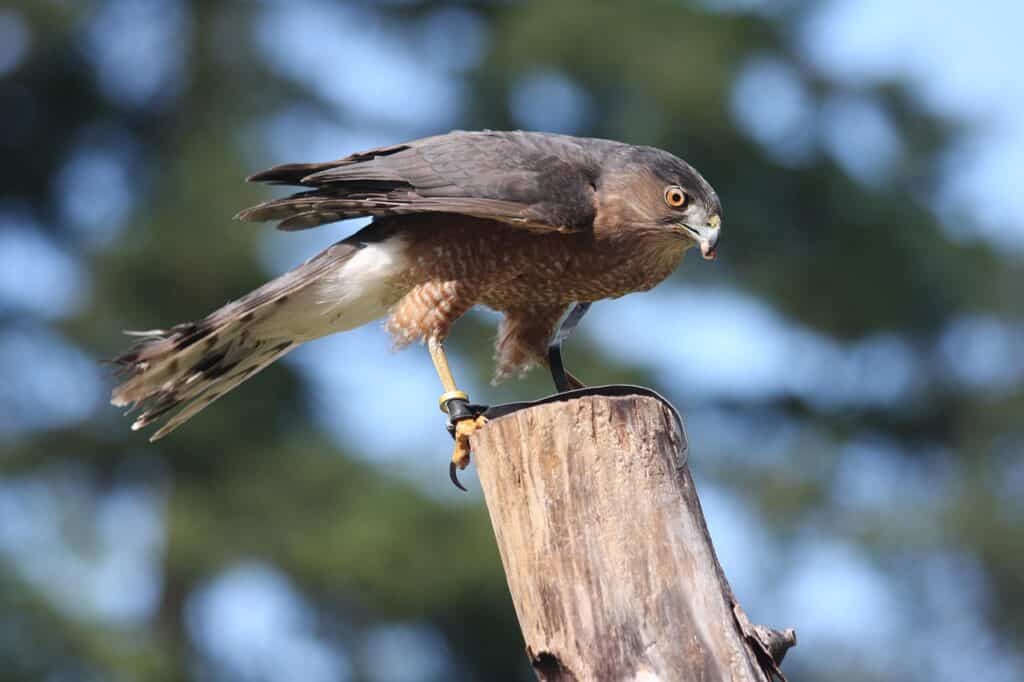
Color: Adults have blue-gray backs, rusty barred underparts, and dark caps. Juveniles are brown with vertical streaks.
Wingspan: 27 to 36 inches
Wing Shape: Short and rounded
Tail Shape: Long and rounded, with white-tipped feathers and three black bands
Cooper’s hawk, a fascinating falconry bird, captivates both enthusiasts and falconers alike with its agility and adaptability. Known for its remarkable hunting skills, this hawk showcases behaviors that make it a preferred choice in falconry. The way it swiftly maneuvers through dense vegetation to capture small birds reveals its unique hunting techniques. When I train Cooper’s Hawk, I face certain challenges, particularly in bird handling and establishing trust.
Unlike other hawks, they can be quite feisty and require patience and persistence during training sessions. Employing falconry techniques such as lure training and reward-based reinforcement helps overcome these hurdles. Additionally, their intelligence and quick learning ability can immensely reward the training process.
Biology and Natural History of Cooper’s Hawk
In exploring the biology and natural history of the Cooper’s hawk, I find it fascinating how its taxonomy reveals connections within the Accipitridae family. These raptors exhibit remarkable physical characteristics that not only distinguish them from other species but also adapt them to their native habitats. Their social structure and unique hunting behaviors truly reflect their role as agile predators in diverse environments.
Taxonomy and classification
The classification of Cooper’s hawk (Accipiter cooperii) reveals its intriguing place within the avian world. In the taxonomy hierarchy, it belongs to the family Accipitridae, which includes various raptors. This species showcases notable subspecies variations, reflecting adaptations to diverse habitats across North America. Recent genetic studies have enhanced our understanding of its evolutionary relationships, highlighting connections with other Accipiter species.
Physical characteristics
Among North American raptors, the Cooper’s hawk stands out with its distinctive physical characteristics that reflect its adaptability and hunting prowess. It is a known fact these birds exhibit notable size variations, with females generally larger than males. Their physical traits include a long tail and a relatively small head, which add to their agile flight capabilities.
Coloration differences are striking, as adults typically showcase a mix of gray-blue upperparts and warm, rufous underparts, while juveniles display brown streaks and lighter underbellies. The feather patterns, particularly on their wings, contribute to their camouflage among foliage, making them adept hunters.
Native habitat and range
These birds prefer wooded areas near open spaces, which provide both cover and hunting opportunities. Their geographic distribution spans across North America, from southern Canada to northern Mexico, showcasing their versatility in habitat preferences.
Interestingly, Cooper’s hawks engage in seasonal migration, with northern populations traveling south for the winter, while many residents stay put year-round. This migration plays a crucial role in their ecological significance, as it allows them to exploit diverse prey across different regions throughout the year. Overall, Cooper’s hawk’s ability to thrive in various habitats highlights its resilience and importance in the ecosystem.
Social structure and hunting behavior
Cooper’s hawks exhibit a fascinating social structure that reflects their adaptability and intelligence. Observing these birds, I notice their social hierarchy plays a crucial role in their survival.
They exhibit strong group dynamics, where individuals often hunt cooperatively. Their hunting strategies are finely tuned; they rely on stealth and agility to ambush prey, primarily birds, within dense foliage.
This preference for specific prey selection ensures they utilize their environment effectively, maximizing their success rates. I’ve seen firsthand how their ability to communicate and coordinate during hunts enhances their efficiency.
Lifespan and Health of Cooper Hawk
When considering the lifespan and health of Cooper’s hawks, it’s crucial to understand the differences between their life in the wild and in captivity. These birds face unique health challenges, including common diseases that can impact their well-being. I’ll guide you through recognizing signs of illness and the importance of veterinary care to ensure these magnificent raptors thrive.
Lifespan in the wild vs. captivity
Understanding the lifespan of Cooper’s hawks in the wild compared to those in captivity reveals significant differences influenced by various factors. For wild Birds, the average lifespan is around 1 to 2 years, though some may live up to 12 years, depending on natural threats and environmental challenges.
In contrast, captive-bred raptors can extend their lifespan significantly, often reaching 10 to 15 years, with the highest record indicating 20+ years. This lifespan comparison highlights the effects of captivity, where controlled diets and veterinary care mitigate many health implications faced in the wild.
However, it’s crucial to ensure that captive environments mimic natural conditions to promote optimal health and longevity, as prolonged captivity without proper stimulation can lead to stress and behavioral issues that ultimately impact their well-being.
Common Diseases and health concerns of Coopers hawk
While keeping Cooper’s hawks healthy is essential for their well-being, various diseases and health concerns can impact these birds both in the wild and in captivity.
It’s crucial to recognize common diseases like avian pox and aspergillosis, which can severely affect their health. Regular veterinary care is vital, along with preventative measures such as proper hygiene and nutrition.
| Common Diseases | Health Concerns | Preventive Measures |
|---|---|---|
| Avian Pox | Dehydration | Regular health checks |
| Aspergillosis | Stress-related issues | Balanced diet |
| Coccidiosis | Feather plucking | Clean living environment |
Signs of illness and veterinary care
Recognizing the signs of illness in Cooper’s hawks is vital for ensuring their health and longevity, whether in the wild or captivity. Common illness symptoms include lethargy, abnormal droppings, and changes in appetite or behavior.
It’s crucial to monitor these signs closely, as early detection can lead to effective veterinary treatments. Regular veterinary checkups should be part of a comprehensive preventive care routine, focusing on nutrition, housing, and stress management.
Rehabilitation practices are essential for sick birds recovering from illness or injury, providing them with a safe environment to regain strength. By staying vigilant and informed, we can enhance the well-being of these magnificent birds and ensure they thrive in their natural habitats or under human care.
Diet and Nutrition
When it comes to the Cooper’s hawk, understanding its diet and nutrition is crucial for successful falconry. I find that replicating its natural diet while also ensuring proper nutrition in captivity directly influences its health and training efficiency.
Additionally, managing weight effectively plays a pivotal role in both the hawk’s performance and overall well-being.
Natural diet
The natural diet of the Cooper’s hawk (Accipiter cooperii) highlights its agility and specialized hunting techniques. These swift and skillful predators primarily feed on medium-sized birds, which make up a large portion of their diet.
Cooper’s hawks utilize their speed and maneuverability to chase prey through dense forests, often capturing their target mid-air. During colder months, when bird populations may fluctuate, they adapt by preying on small mammals, such as squirrels or chipmunks.
Their ability to adjust their diet based on seasonal availability underscores their resourcefulness and survival skills.

Proper diet in captivity
Ensuring a proper diet for Cooper’s hawks (Accipiter cooperii) in captivity is vital for their health and well-being. Mimicking their natural diet while addressing their specific needs is critical. Here are three key considerations:
- Prey Sourcing: Provide fresh, high-quality prey such as small birds (quail or starlings) and occasional rodents to replicate their natural dietary preferences.
- Feeding Schedules: Establish consistent feeding times to support their natural rhythms and nutritional needs.
- Nutritional Supplements: Include vitamins, calcium, and other essential nutrients if prey items lack adequate nutritional value.
Weight management and its role in training
Weight management is crucial for training Cooper’s hawks, as it significantly affects their responsiveness and performance. Monitoring weight fluctuations ensures optimal motivation and behavior during training sessions.
Adjusting the frequency and intensity of training based on their weight helps maintain their focus and energy levels. Seasonal changes also play a role, as Cooper’s hawks may experience slight weight variations during winter, requiring careful adjustments to their diet and exercise.
| Weight Category | Training Frequency | Nutritional Balance Importance |
|---|---|---|
| Underweight | Increased frequency | High protein diet |
| Ideal weight | Regular frequency | Balanced diet |
| Overweight | Decreased frequency | Low-calorie diet |
| Seasonal gains | Adjust frequency | Focus on lean protein |
Care and Maintenance
When it comes to caring for this raptor species in falconry, proper housing and environmental enrichment are critical for their well-being. I ensure their mews and weathering yards provide safe perches, baths, and opportunities to engage with their surroundings. Regular health checks and maintenance of their beak and talons help prevent stress and aggression, fostering a happy and healthy bird.

Housing: Mews and weathering yards
Creating a suitable housing environment for Cooper’s Hawk is crucial for its overall well-being and performance in falconry. When I design the mew and weathering yard, I focus on specific environmental considerations to ensure my hawk’s comfort and health. Here are three key aspects to keep in mind:
1. Mew Design: Adequate space is essential, allowing for flight and movement. The design should include proper ventilation and protection from extreme weather.
2. Housing Materials: Use durable, non-toxic materials that withstand various weather conditions, ensuring safety and comfort for your hawk.
3. Weathering Yard: Create an enclosed area with perches, allowing your hawk to experience natural sunlight and fresh air while staying secure.
Perches, baths, and environmental enrichment
While ensuring your Cooper’s hawk thrives, a well-thought-out setup of perches, baths, and environmental enrichment is essential. I recommend using various perch types, such as natural branches and man-made platforms, to mimic their natural habitat.
Providing a bath offers numerous bath benefits, including maintaining feather quality and encouraging natural behaviors. Regular access to clean water helps keep your hawk hydrated and promotes hygiene.
To enhance environmental stimulation, incorporate enrichment activities like foraging toys and varied textures. These activities not only keep your hawk engaged but also promote mental well-being. By prioritizing these elements, you’ll create a dynamic environment that supports your hawk’s physical and psychological health, ensuring they remain happy and healthy in your care.
Routine health checks and beak/talon maintenance
Maintaining the health of your Cooper’s Hawk goes beyond providing a stimulating environment; it also involves regular health checks and meticulous beak and talon maintenance. I prioritize health monitoring to ensure my hawk stays in peak condition. Here’s how I do it:
Routine Checkups: I schedule regular vet visits to assess overall health and address any emerging issues.
Beak Maintenance: I check for overgrowth or irregularities, using a Dremel tool if needed to keep the beak properly shaped.
Talon Care: I inspect talons regularly for cracks or infections, using a suitable file to maintain their sharpness.
Preventing stress and aggression in captivity
To foster a calm environment for my Cooper’s hawk, I prioritize understanding its needs and behaviors, which helps prevent stress and aggression in captivity. I employ various stress management techniques, including establishing a predictable routine that reduces anxiety.
Recognizing the importance of social interaction, I ensure my hawk has opportunities for engagement, whether through regular interaction with me or exposure to other birds.
Additionally, I implement environmental enrichment strategies, like providing perches at different heights and varied toys, to stimulate its natural instincts. Utilizing behavioral observation methods, I closely monitor my hawk’s reactions and adjust its environment accordingly.
Training and Handling
When I start training Cooper’s hawk, the initial taming process, known as manning, is crucial for building trust. As we progress, I implement various training techniques, preparing them for free-flying and hunting, which are essential for a successful falconry experience.
Manning (initial taming process)
Manning, the initial taming process for Cooper’s hawks, is crucial for establishing a bond between the falconer and the raptor. I’ve found that employing effective manning techniques sets the stage for a successful partnership. Here are three key taming strategies I use:
1. Consistent Handling: Regular, gentle handling helps the bird acclimate to human presence.
2. Positive Reinforcement: Using treats during behavioral assessments encourages desired behaviors and builds trust.
3. Environment Familiarization: Gradually introducing the hawk to various environments minimizes handling challenges.
Through these methods, I ensure the hawk feels safe and secure, paving the way for a strong, respectful relationship. The emotional connection formed during this phase is foundational for training and long-term success in falconry.

Equipment training
When it comes to training a Cooper’s Hawk, the right equipment is crucial for effective handling. I rely on jesses, leashes, and perches to ensure my bird is secure and comfortable during training sessions. Additionally, hoods and telemetry play a vital role in managing their safety and tracking their movements in the field.
Jesses
Jesses are essential tools in falconry, serving as both a means of restraint and a way to connect a falconer with their bird. When choosing jesses, consider:
1. Jesses Materials: Leather or synthetic options offer different benefits.
2. Jesses Types: Different designs cater to various birds and preferences.
3. Jesses Sizing: Proper fit ensures comfortable handling and safety.
Regular jesses maintenance is crucial for longevity and function.
Leashes
After I’ve secured the jesses on my bird, the next important piece of equipment is the leash. I prefer using durable leash materials like nylon or leather for strength. Leash lengths typically range from 4 to 6 feet, allowing flexibility while maintaining control. Proper leash attachments are crucial for safety, and I emphasize leash training to ensure my Cooper’s Hawk remains responsive and secure during handling.
Perches
Choosing the right perches for my Cooper’s hawk is essential for its comfort and training. I focus on:
1. Perch types: I prefer natural wood or padded surfaces for grip.
2. Perch height: Ensuring varied heights mimic natural environments.
3. Perch placement: Positioning perches away from distractions helps my hawk feel secure.
These elements enhance my hawk’s training experience and promote its well-being.
Hoods
While training my Cooper’s Hawk, I find that using hoods is crucial for managing its focus and comfort. There are various hood types, each serving unique purposes. I prefer leather hoods for their durability and comfort. Proper hood fitting is essential to avoid stress. Through consistent hood training, my hawk becomes accustomed to wearing it, enhancing our training sessions significantly.
Telemetry
Telemetry is another important aspect of equipment training, providing critical data on my hawk’s location during free flights. Tracking devices like GPS transmitters or radio telemetry systems help me monitor its movements and retrieve it if needed. Regular maintenance and proper usage of these tools are crucial for their effectiveness in falconry.
Weight control for training effectiveness
Effective weight control is crucial for training Cooper’s Hawks, as it directly influences their performance and responsiveness during sessions. I meticulously monitor weight fluctuations, adjusting feeding strategies to ensure optimal health and motivation. By establishing clear training schedules, I can pinpoint the ideal weight range for each hawk, enhancing their eagerness to engage during training.
Behavioral observations play a significant role; I assess how each hawk reacts to different weights and tweak my approach accordingly. This tailored weight management improves their training effectiveness and fosters a stronger bond between us. Ultimately, understanding and applying these principles leads to successful training outcomes and a happier, healthier hawk.
Training techniques
When training a Cooper’s hawk, I find that creance flying is a fundamental technique to establish distance control and build confidence. Equally important is recall training, which ensures the hawk returns to me reliably, reinforcing our bond. Finally, lure training sharpens their hunting instincts and provides an engaging way to reward their efforts.
Creance flying
While many aspects of falconry require patience and skill, creance flying stands out as a crucial training technique for developing a hawk’s flying capabilities and honing its instinctual behaviors. Here are three key considerations:
1. Creance Types: Choose between cotton and nylon for durability.
2. Creance Length: Adjust based on your hawk’s experience and strength.
3. Creance Materials: Ensure the material is lightweight yet strong to prevent injury.
Recall training
To successfully train a hawk for recall, personal experience has taught me to establish a strong bond of trust and recognition between the bird and myself. I utilize various recall training methods, emphasizing the importance of consistency and positive reinforcement techniques to encourage desired behaviors. I’ve learned to avoid common training mistakes, ensuring a smoother process that strengthens our connection and enhances the hawk’s responsiveness.
Lure training
Lure training is one of the most effective techniques I use to enhance a hawk’s hunting instincts and responsiveness. By utilizing various lure types, I can optimize training success. My approach includes:
1. Selecting appropriate lure materials for different hawk species.
2. Establishing a consistent training duration for effective conditioning.
3. Reinforcing positive responses to build trust and skill.
Free-flying and hunting preparation
Free-flying and hunting preparation is crucial for ensuring that a Cooper’s hawk performs optimally in the field. I focus on effective free-flying techniques, allowing the hawk to develop its natural instincts in a controlled environment. I also implement tailored training methods that reinforce hunting strategies, such as practicing in various terrains to simulate real-life scenarios.
During this phase, I monitor the hawk’s health closely, ensuring it maintains peak physical condition and addressing any concerns promptly. Health precautions, like regular vet checkups and proper nutrition, are paramount to maximize performance. This holistic approach not only builds a strong bond between us but also ensures that the hawk is well-prepared for successful hunts.
Legal and Ethical Considerations
While engaging in the practice of falconry, it’s crucial to understand the legal and ethical implications that govern this ancient art. Legal compliance is paramount, as falconry requires proper licensing and permits from authorities like the U.S. Fish & Wildlife Service. Ethical dilemmas often arise in balancing the thrill of hunting with responsible practices, ensuring we respect wildlife and their habitats.
Here are three key considerations to keep in mind:
- Permit Requirements: Each state has specific regulations for capturing and training hawks, which must be strictly followed.
- Conservation Efforts: Supporting local wildlife conservation initiatives helps maintain healthy ecosystems, reinforcing our role as responsible falconers.
- Ethical Responsibilities: We must always prioritize the well-being of our birds and the natural environment, fostering a culture of respect and care in falconry.
Hunting with a Cooper hawk
When hunting with a Cooper’s hawk, I focus on ideal prey species like small birds and rodents, which perfectly match this raptor’s agility and speed. These hawks employ a unique hunting technique that involves quick, stealthy pursuits through dense cover, showcasing their remarkable adaptability. By understanding their strengths and preferred prey, we can enhance our falconry experience and deepen our connection with these incredible birds.
Ideal prey species for hunting with Cooper hawk
Hunting with a Cooper’s hawk can be an exhilarating experience, especially when targeting the right prey species. Selecting ideal prey is crucial for successful hunts and maintaining your hawk’s health. Here are three ideal prey species I often focus on:
1. Pigeons – They’re abundant and mimic natural hunting scenarios, enhancing my hawk’s skills.
2. Starlings – These birds are agile and present a challenge, refining my hawk’s hunting strategies.
3. Rabbits – A larger prey option, providing substantial nutrition and improving my hawk’s strength.
Using appropriate falconry equipment, I ensure my hawk is ready for each hunt while considering health considerations. This thoughtful approach not only optimizes our success but strengthens our bond.
Hunting techniques
Utilizing adult hawks for hunting demands a nuanced understanding of its agile and stealthy techniques. These birds exhibit remarkable hunting strategies, relying on sharp vision and quick reflexes. I’ve observed their flight patterns, which include rapid dives and sharp turns that allow them to maneuver through dense vegetation in pursuit of prey.
Prey selection is critical; they prefer smaller birds and mammals, often adapting to the available species in their environment. Their environmental adaptations make them exceptionally versatile hunters, able to thrive in urban settings as well as rural landscapes. Employing these traits effectively can lead to successful hunting outings, showcasing the true prowess of this magnificent raptor.
Advantages and Challenges of Cooper’s hawk in falconry
When I consider the advantages of using a Cooper’s hawk in falconry, their agility and adaptability in hunting small game stand out prominently. However, the challenges of their sometimes aggressive behavior and prey selection can complicate training and management. Balancing these pros and cons is essential for anyone looking to integrate this remarkable bird into their falconry practice.
Pros:
Cooper’s Hawks offer several compelling advantages in the world of falconry, making them a popular choice among enthusiasts. Their unique hunting techniques, adaptability, and keen instincts elevate them in the field. Here are three key benefits:
1. Versatile Training Methods: Cooper’s Hawks respond well to various training methods, allowing falconers to customize their approach for efficiency and effectiveness.
2. Health Assessments: They typically maintain good health, which allows for more consistent performance during hunts and reduces the frequency of medical interventions.
3. Legal Regulations: Regulations regarding their capture and use are often clear, providing guidance that helps ensure ethical and responsible falconry practices.
Cons
While Cooper’s hawks present a range of advantages for falconers, they also come with distinct challenges that can complicate the experience. Their behavior is often unpredictable, making training a test of patience. Cooper’s hawks thrive in varied habitats, but this adaptability can lead to difficulties in acclimating them to specific environments.
Moreover, their vocalizations, while beautiful, can disrupt training sessions, especially when they become agitated or excited. Lastly, conservation concerns play a role; as their populations fluctuate, ensuring ethical practices in falconry is crucial.
Balancing these challenges with the joy of working with such a magnificent bird is essential for any falconer committed to responsible stewardship and conservation efforts.
Breeding of Cooper’s Hawk
The breeding process of Cooper’s Hawks is a fascinating and carefully orchestrated natural event. These raptors typically begin their breeding season in early spring, with courtship behaviors including aerial displays and vocalizations designed to attract a mate. Once paired, Cooper’s Hawks build their nests high in trees, often using sticks, twigs, and other natural materials.
The female usually lays 3 to 5 eggs, which are incubated for roughly 30 to 35 days, primarily by the female while the male provides food. After hatching, the chicks are dependent on their parents for nourishment and protection, with both parents actively hunting to sustain their young. Fledging typically occurs about 4 to 5 weeks after hatching, though the young often remain near their nesting territory as they continue to develop their hunting skills under parental guidance.
Conclusion
In conclusion, Cooper’s Hawks are remarkable companions for any falconer, blending agility, intelligence, and beauty in one agile package. Their hunting prowess and adaptable nature make them an exciting choice, while the bond formed through training brings immense joy.
However, it’s crucial to approach falconry with respect for their needs and the legal landscape. By understanding their unique characteristics and requirements, we can ensure a fulfilling experience for both the hawk and ourselves, celebrating the art of falconry together.
If you’ve enjoyed learning about the fascinating world of Cooper’s Hawks and the art of falconry, why not take the next step in exploring this incredible niche? Dive deeper into the world of raptors and discover more about other birds of prey, training techniques, and conservation efforts. Check out our latest articles to expand your knowledge and strengthen your connection to these remarkable creatures. Start your journey today!
Resources
- Slug: coopers-hawk-falconry
- Meta Title: Cooper’s Hawk Falconry: Training, Care & Hunting Guide
- Meta Description: Learn everything about Cooper’s Hawks in falconry! Discover training tips, care requirements, hunting techniques, and legal considerations for these agile raptors.