
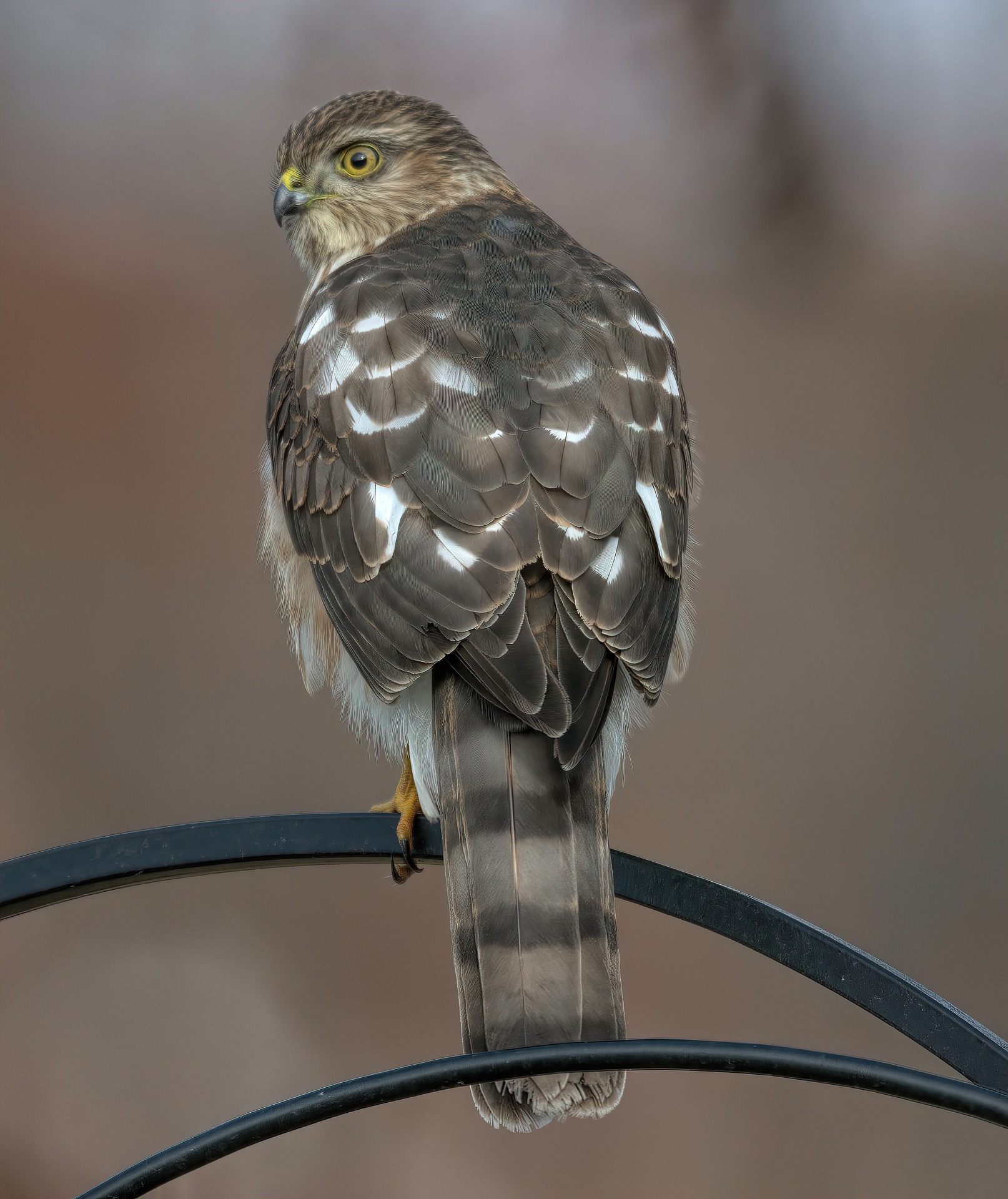
Cooper’s Hawks are among the most iconic birds in North America, from their signature red tail feathers to their unique chirping calls. Found across a wide expanse of wooded areas and grasslands, Cooper’s hawks have fascinated falconers for generations with their keen hunting skills and lustrous plumage. Whether enjoyed from afar or studied up close at falconry or birds of prey sanctuaries, studying this remarkable species can be a rewarding experience! So get ready to jump into the fascinating world of Cooper’s hawk biology, behaviour & most importantly, how to train them.
Training Cooper’s hawk requires dedication, patience, and understanding of the raptor’s physical and psychological needs. It would be best if you first started by teaching it to perch. This is done by luring the hawk to your glove with food and then teaching it to stay there until released by a signal such as a whistle or clicking noise. Use this same technique but increase the distance daily until you move on to creance training.
Hawks are highly intelligent animals that need consistent and devoted training to reach their full potential—but don’t worry! We have compiled this comprehensive guide on training Cooper’s hawk so that you can enjoy all the benefits of keeping these majestic birds as pets or hunting companions. With our step-by-step instructions, tips for successful taming, safety precautions, and more, we hope you will develop an even stronger bond with your beloved bird. So let’s dive in!

Getting Started: Preparing for a Cooper’s hawk Training.
Don’t get ahead of yourself, though. Make sure you have everything you need before you start. You’ll need a good understanding f these birds of prey if you want to start there. Because of their predatory nature, hawks require a large outdoor area in which to fly and hunt. Next, get your hands on some jesses (leather straps), some perches, and a lure. Another important step is ensuring that there is no one else nearby who may startle the bird, especially if the bird is not accustomed to human company. Do your homes work on any training processes or specific training methods; hence, you will know what to expect and how to handle any challenges. Remember, Cooper’s hawks are magnificent creatures, and it’s a privilege to work with them, so take the time to get everything in order before you begin. Good luck, and happy training!
Establishing Trust: Building a Relationship with Your Cooper’s hawk
It takes time and cares to build trust with your Cooper’s hawk. It is critical to building a connection based on mutual respect and consistency. Secondly, make sure you have all of the necessary equipment and setup in place to offer a pleasant atmosphere for your hawk. Then, begin with short sessions and gradually increase the time spent with your hawk. Offer food and treats to form a positive association with you. When handling your hawk, use a calm and confident approach to let them know you are in control. Consistency is key; develop a routine and stick to it. With time and effort, your Cooper’s Hawks will learn to trust and rely on you.
Basic Training Techniques: Lure, Tether, hoping to the glove, and Creance Training
Okay, let’s talk training techniques for coopers hawks. First up, we have the lure method. This involves using a piece of meat on a string to entice your bird to fly toward you. It’s a great way to encourage hunting skills and establish trust between you and your hawk. Next, we have tether training. This is where you tie your bird to a perch and gradually increase the distance of the rope as your hawk gets more comfortable flying. Then, there’s hopping to the glove. This is where your hawk learns to jump from one perch to your gloved hand. It takes some practice, but it’s a vital skill for any bird of prey. Lastly, there’s creance training. This involves using a long line to gradually increase the distance of your hawk’s flights. It’s a great way to prep your hawk for hunting in the wild with no restrictions. These techniques are essential for any coopers hawk owner looking to get the most out of their feathered friend.
Moving to the Field: Free-Flight Training
So, you’re considering moving to the field and trying your hand at free-flight training for your Cooper’s hawk. First, kudos to you for taking on such a challenge! Free-flight training is a great way to help your hawk grow and develop its natural instincts. The key is to start small and work your way up gradually. Begin with short, low flights and gradually increase the distance and altitude as your hawk becomes more confident and comfortable. Remember to prioritize safety and never let your hawk fly out of sight.
Perfecting the Basics: Fine-Tuning Your Cooper’s hawk Training.
So, you’ve finished all the necessary steps in training your Cooper’s hawk. Congratulations! You’ve come a long way since getting your bird and undoubtedly learned a lot. But don’t stop now; you can always fine-tune your training to perfect the basics. It’s important to keep up with your bird’s progress and continue challenging them, so they don’t get bored or complacent. Consider trying new training techniques or exposing your bird to new environments to different stimuli. Remember, it’s all about building a strong foundation so you and your bird can continue growing and learning together. Keep up the good work!
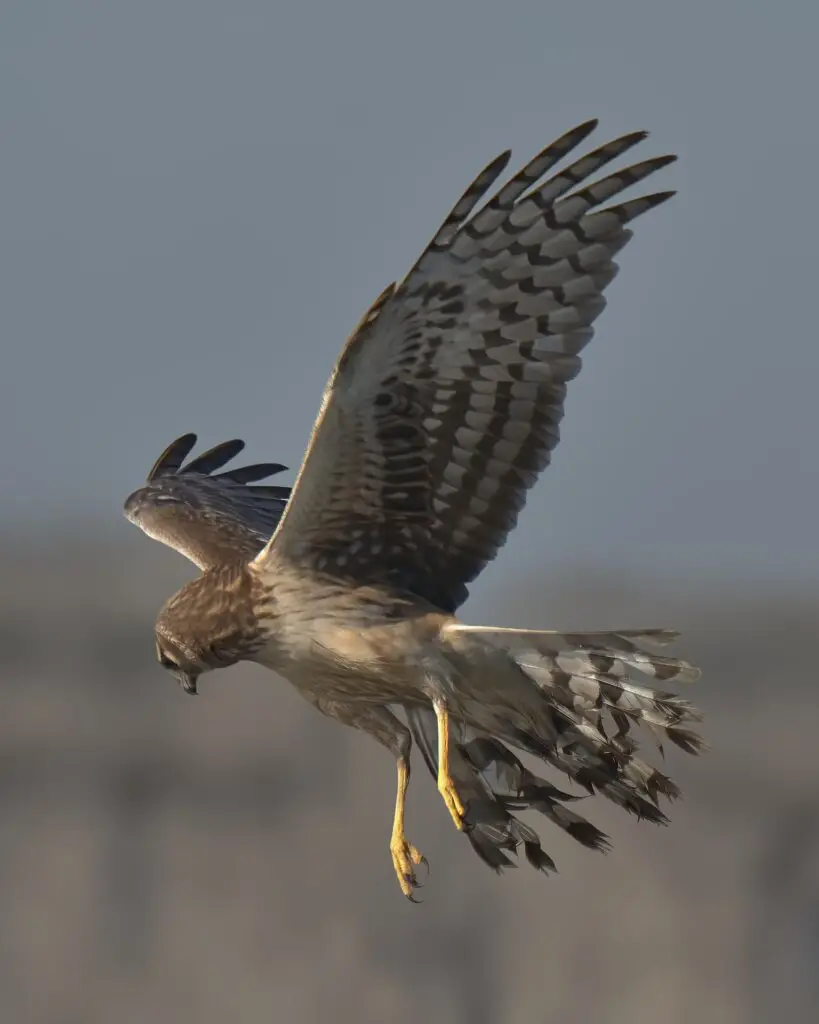
With patience and dedication, training Cooper’s hawk can be an incredibly rewarding experience. As predators, they are captivating animals to observe and work in the wild. It is important to remember safety first when working with raptors – wearing gloves and using a hood can help protect both you and the bird. Well-trained hawks often become adept at searching for and catching prey. After many years of enjoyable hunting, they can be released back into their natural environment. Training a Cooper’s Hawk is not something to take lightly. Still, with proper guidance, it can be a gratifying pastime for anyone looking to connect more deeply with nature.