
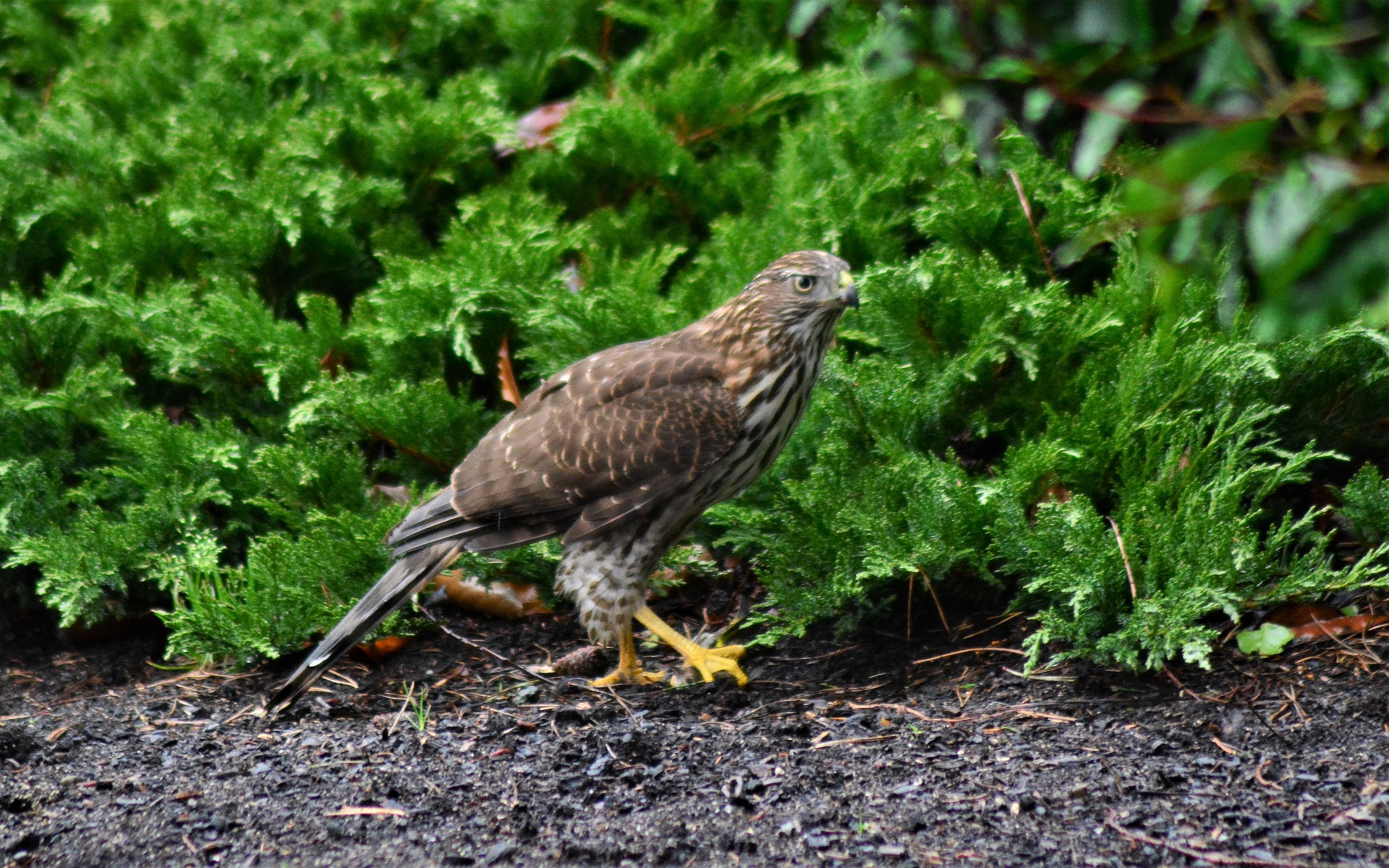
Being a falconer is more than just hunting with a raptor. It requires in-depth knowledge, patience, and dedication to both the sport and the birds being used for falconry purposes. But when it comes down to it, what ultimately matters is having a good understanding of how to feed them, when to feed them and above all, how to do it properly. It’s not just about finding something that tastes good; there are numerous considerations, like vitamins and proteins etc., that you must take into account if you want your Coopers Hawk to remain in good health and ready for action on any given day.
A coopers hawks is a bloodthirsty predator that will make a meal out of almost anything it can. Even road kill and carrion are options when food is scarce, and falconers replicate this by feeding them a mix of mice, rats, voles, small birds, reptiles, rabbits, squirrels and other small mammals. By offering them a variety of prey, they are able to obtain all the nutrients they require.
Even though a coopers hawk is not as demanding as other birds of prey, they still need an abundance of nutrients that can only be given through food sources. So today, we’re taking a deep dive into what kinds of foods work best for these raptors—from the nutritional requirements needed for their growing up through meal frequency preferences. Read on as I explain all you need to know when crafting an optimal diet plan for your Cooper’s Hawk!

Understanding the Coopers Hawks Dietary Needs
A coopers hawk’s dietary needs will vary based on its geographical location and the availability of prey within the area; however, they are known to eat
- Rats
- Mice
- Voles
- Small birds
- Lizards
- Snakes
- Squirrels
- Amphibians
- Doves
- Pigeons
- Insects
In the wild coopers, hawks are essential to the ecosystem as they keep rodents and other wildlife populations in check. Though they commonly eat lizards, reptiles and insects, this should not make up a large portion of their diet. These raptors should consume around 4-8 ounces (113. -226 grams) of food per day that should be made up of around 30-40% protein and around 20-25% fat. As a falconer trying to feed your bird, you should replicate this as much as possible by offering a varied diet. Ensuring that your raptor has the correct diet will increase its longevity and lifespan while keeping it healthy at the same time.
Safe and Nutritious Captive Diet Options
Are you looking for ways to make sure your cooper’s Hawk stays healthy and receives the right nutrition? Captive diet options can be tricky, so here’s a look at what to consider when crafting a nutrient-rich menu. It’s important to choose foods that are safe for the species. For coopers hawks, this means avoiding all processed foods (i.e., no fast food), sticking with fresh animal sources like chicks and mice or rats, and being high in protein and other essential nutrients.
It’s also important to vary your raptor’s diet as much as possible. Adding vegetables and fruits like apples or carrots is a great way to get some variety into their meal plan, so offering them insects or small rodents. Ensure you research each item carefully, though – only certain types of bugs are considered safe for consumption! Don’t forget about vitamins and minerals. Raptors need calcium, zinc, iron and other trace elements in order to stay healthy, so try adding supplements like powdered mineral mixes or vitamin-enriched pellets whenever necessary.
Remember: the goal is a full stomach and an optimal diet that makes your raptor healthy and strong! With consideration of the above guidelines, you will be able to come up with a captive diet plan that works best for your cooper’s Hawk and suits your pocket at the same time.
Feeding Schedule and Portion Sizes for Your Coopers Hawk
If you are the proud parent of a magnificent Cooper’s Hawk, you must be aware of its dietary needs. Providing it with the proper nutrition is essential to its health. Here, I will provide tips on how to create a feeding schedule and portion sizes that will properly nourish your Hawk.
Creating a Proper Feeding Schedule
When it comes to feeding your Hawk, consistency is key. Choose and stick with a specific time each day for meals; it should be the same time every day and avoid sudden changes in timing. We recommend creating a schedule that allows for breakfast in the morning and dinner in the evening; this ensures that your Hawk gets roughly 12 hours between meals.
The Right Portions For Your Hawk
Once you’ve set up a routine schedule, you must choose the right portions that will sufficiently nourish your bird without overfeeding it. The amount of food per serving should depend on your Hawk’s age, size, gender, and activity level; if in doubt, consult an avian veterinarian or experienced bird trainer. As a general rule of thumb, young hawks may require more food than adults because they are growing rapidly. Additionally, with adult hawks, males typically need larger portions than females due to their larger builds and higher energy levels.
Preparing and Storing coopers Hawk Food Safely
Preparing the food
A general rule that you should abide by is when preparing your Hawk’s food, you should always make sure the utensils being used are always hygienically safe, so items like your bowls, knives and cutting boards should be washed thoroughly with soap, and water, including your hands into this process to avoid the spread of any bacteria. Be conscious of spreading the juices from raw meat or fish onto other surfaces or ingredients. This will reduce the risk of contamination.
Storing the food
Storing your Hawk’s food is an important process and must be done with caution and knowledge to avoid unwanted bacteria or parasites. Raw meats should always be stored separately from cooked foods in airtight containers or any other type of resealable plastic bag. You should always freeze raw uncooked meats soon after you purchase them. Most frozen food will be safe to use for up to 3 months when stored properly. You should freeze it at around 0°F (-18°C). For meals that are already prepared/cooked, you should refrigerate them as soon as it turns cold after cooking. This can last you up to 5 days without spoiling, and this can be extended by using a vacuum-sealed bag or airtight containers!
Supplements and Vitamins for Optimum cooper’s Hawk Health
Essential Vitamins
The two most important vitamins for Cooper’s Hawks are Vitamin A and Biotin. Vitamin A helps with vision development, while biotin aids in metabolic processes such as gluconeogenesis (a process in which glucose is formed from other sources). Additional vitamins that may be beneficial to include in your Hawk’s diet are Vitamins C, E, K, and B6; these provide further support to immune functions and cognitive development.
Beneficial Supplements
In addition to vitamins, various supplements are available for Cooper’s Hawks. Some of the most beneficial ones include calcium carbonate, sodium bicarbonate, digestive enzymes such as lipase and amylase, and probiotics (such as Lactobacillus acidophilus) to boost digestion and gut health. Zinc sulfate can also be helpful in preventing skin problems associated with feather mites.
From quail to rabbits, falconers feed their Coopers Hawk a wide variety of small game. It is important that the prey have enough calories to keep the Hawk healthy and provide it with enough energy for its daily activities. Some falconers opt for specially formulated food, such as freeze-dried mice but most stick to the classic method of hunting their own prey. This could be any type of meadow or swamp bird-like a partridge, quail, grouse or rabbits, all of which can be caught with relative ease on a good day with suitable weather conditions. The beauty of falconry lies in its ability to work within nature’s bounty, and an experienced falconer can usually find something for their Cooper’s Hawk to hunt and enjoy.