
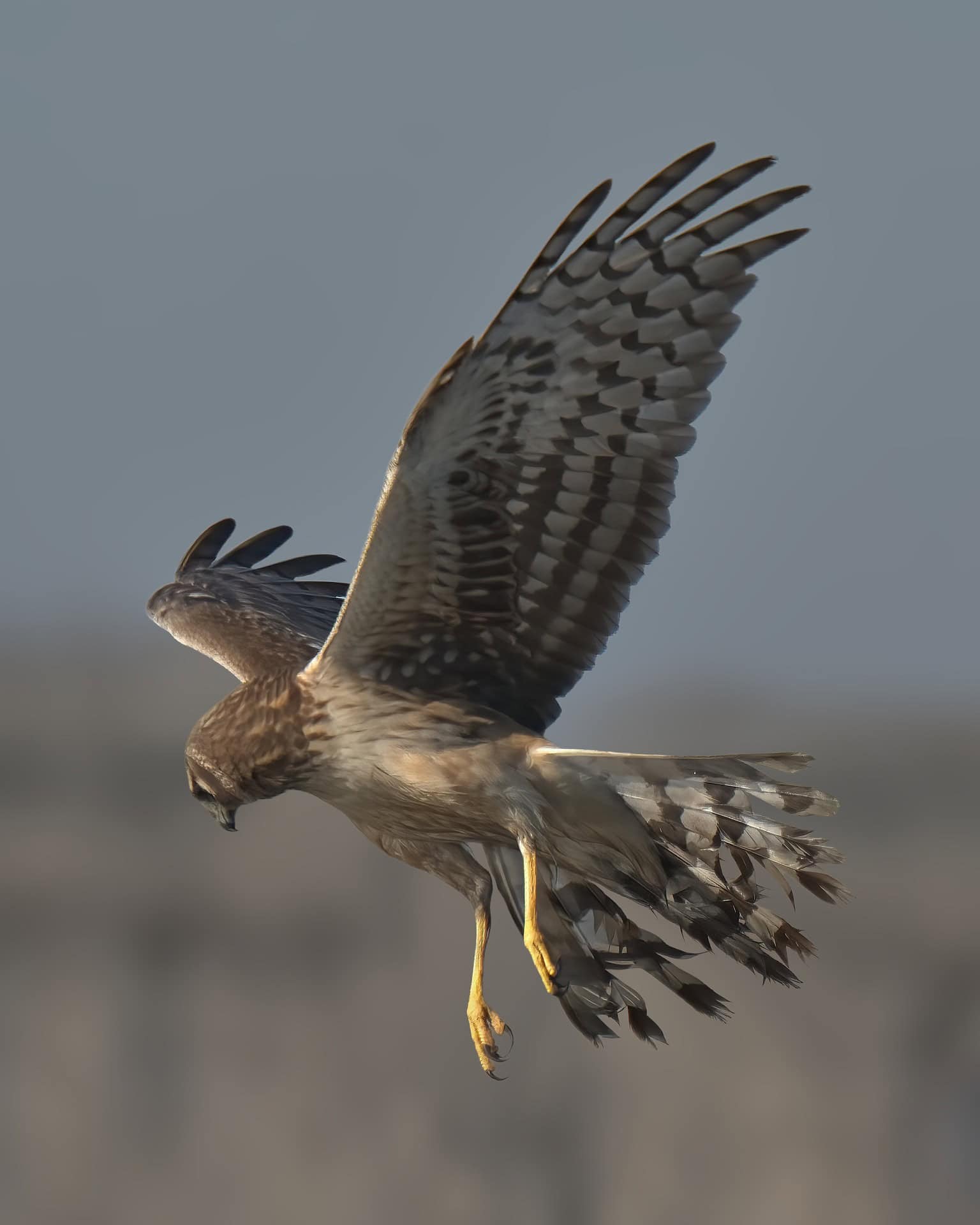
Falconry has been a tradition for centuries and continues to be practised today by enthusiasts around the world. For those unfamiliar with it, falconry is an activity that uses trained birds of prey – such as hawks, falcons and eagles – to catch small game animals. One of the most common birds used in falconry is the Coopers hawk (Accipiter cooperii). With sharp eyesight, speed and agility in flight, these raptors make amazing hunting partners–but what exactly do they hunt?
Falconers take their Coopers hawk out to hunt, and they often target prey such as mice, rats, voles, squirrels, and other medium-sized mammals. In the wild, they hunt other prey such as insects, worms, snails, frogs, small birds, chipmunks and tree squirrels. They are efficient predators that display skill when hunting, and that is why they rarely miss their target.
When I first attempted falconry with my Cooper’s hawk about seven years ago, I too was lost on what I should and shouldnt hunt, but after some research and hanging out with other falconers, I learnt that this powerful species could hunt loads of stuff, so based on what I did I will discuss below how and why some falconers choose Coopers Hawks as their hunting companion and what unique skills make them ideal for serving as aerial gunners.

Game species commonly hunted with Coopers Hawks.
Okay, picture this – you’re trekking through the woods with your faithful Coopers Hawk by your side, methodically stalking your prey. Suddenly, you spot a flash of movement – a rabbit! Without hesitation, you release your hawk, and it takes off like a rocket, soaring through the trees with precision and agility. After a quick chase, your hawk emerges victorious, clutching the rabbit in its talons. This is what falconry is all about – working with your hawk to hunt game species like rabbits, pheasants, fowl, reptiles, amphibians and other medium-sized mammals. It’s a time-honoured tradition that requires skill, patience, and, most of all, a bond with your hawk that’s stronger than anything else.
Training Techniques: Preparing a Cooper’s Hawk for Hunting Success
So, you’ve got a Cooper’s hawk, and you want to train it to be the ultimate hunting machine. Well, you’re in for a ride, my friend. This type of hawk is known for its agility and fierce nature, but it can still benefit from some good old-fashioned training. First, make sure your hawk feels at ease with you handling it before anything else. Start by holding it on a perch for a short period of time each day, and as it becomes more comfortable, gradually extend the time. Then, move on to introducing prey and training it to hunt on command. Remember, patience and consistency are key when training any animal, and your Cooper’s hawk is no exception.
Techniques for hunting rabbits with a Cooper’s Hawks.
Have you ever hunted rabbits with a Cooper’s hawk? It’s an experience that is thrilling, and this method dates back centuries, whereby falconers used trained hawks to hunt a variety of games. One specific hawk that is used is the Cooper’s hawk which is a small but ferocious bird of prey that can spot its prey from way out and pinpoint attacks from miles away. When hunting rabbits, your hawk will use speed and agility to chase down prey until it gets tired, then it swoops down and uses its powerful talons to grip and kill the rabbit. But don’t be fooled; it’s not an easy feat to execute. Some falconers also use other pets like hunting dogs such as Jack Russels and even pets like ferrets. It takes time and patience to train a hawk properly, and you need to be a skilled hunter to know where to look for rabbits.
Techniques for hunting squirrels with a Cooper’s Hawks.
If you’re looking to up your squirrel hunting game, there’s a technique you might still need to try: using a Cooper’s hawk as your partner. A coopers hawk is a skilled predator that usually hunts squirrels in mid-air. Before attempting this method, your hawk must be trained and used to working with you. This is done by associating the bird with you and creating the notion that you are associated with food. When performing this hunting technique, your main function is to ensure the area you are hunting in is rife with squirrels, and the rest your hawk will do instinctively. This is a highly effective method, but it does require a level of patience and skill, but I assure you that the rewards are far beyond what you could imagine, so if you’re up for it, why not take your coopers hawk out hunting for squirrels?
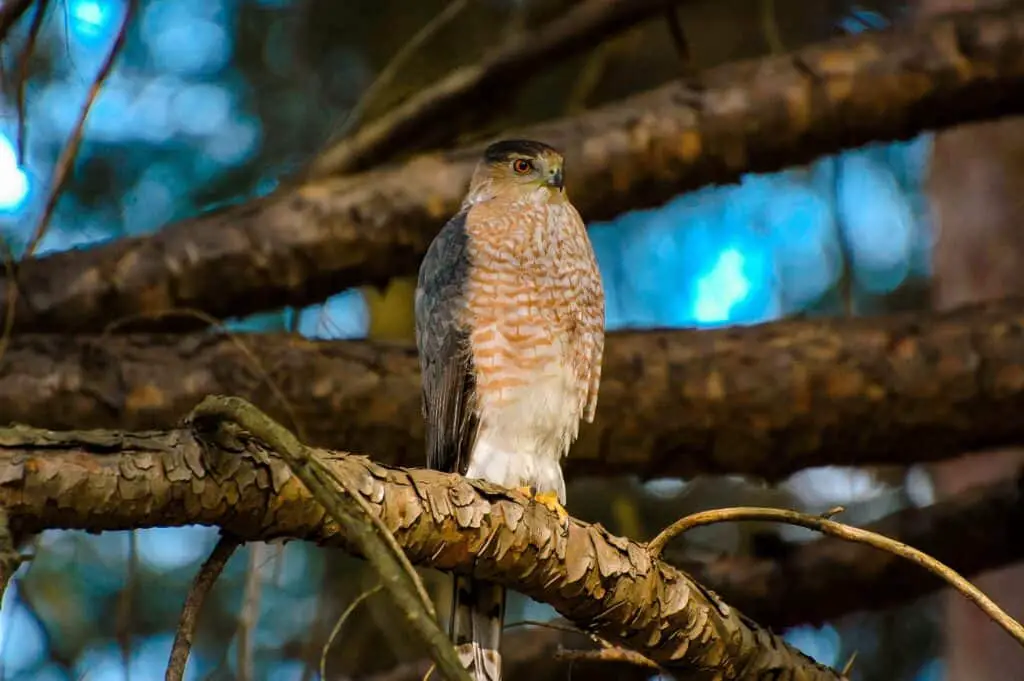
Techniques for hunting small game birds with a Cooper’s Hawks.
Alright, so you’ve got a Cooper’s hawk, and you’re ready to go hunting for some small game birds. First things first, make sure you’re familiar with the laws and regulations in your area around hunting. Safety is key for yourself and the birds you’ll be hunting. When hunting with a Cooper’s hawk, it’s important to understand their hunting style. These birds are swift and agile, relying on surprise attacks to catch their prey. Look for areas with plenty of covers, like woods or brush, where small birds are likely to congregate. Once you’ve found a spot, get ready to make some noise. A little rustling or rattling can attract birds to investigate, making them more likely to be caught off-guard by your hawk. Keep in mind that patience is also key – you may need to wait for the perfect opportunity to strike.
Falconers have long used Coopers Hawks for hunting small game, such as rabbits, squirrels and quail. However, this type of falconry has experienced a resurgence in recent years due to the popularity of films like The Hunger Games: Catching Fire and National Geographic’s A Falconer’s Journey. Aside from their use in the hunting field, many people find these Hawks to be beautiful creatures with an exotic allure that captures the imagination of both birdwatchers and animal enthusiasts alike.