
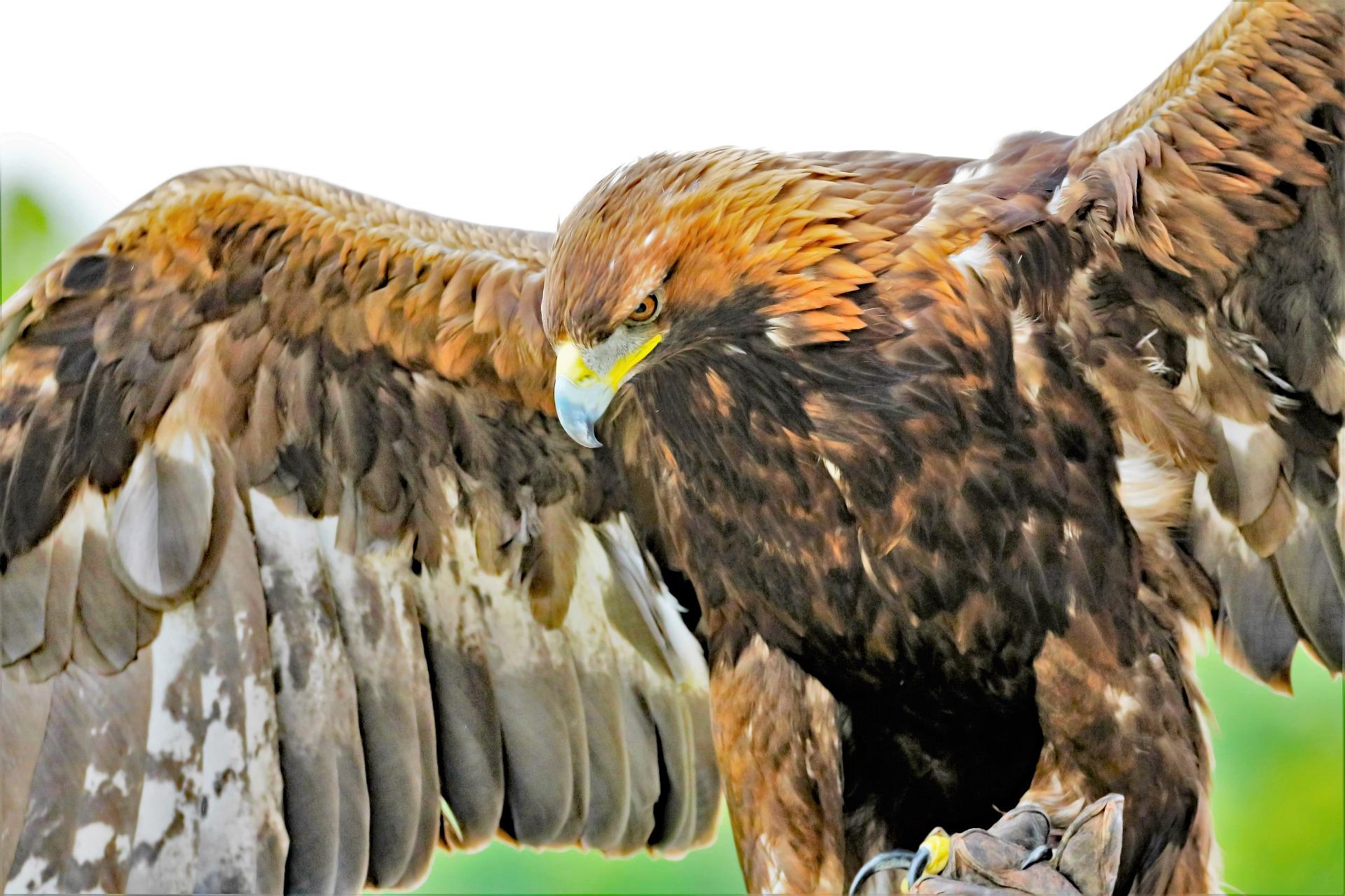
Balancing the nature of eagles with the care they require can be quite a challenge for many. From ensuring proper housing and facilities to managing their dietary needs, we falconers must stay attuned to every aspect of our eagle’s well-being. But what truly sets falconers apart is our dedication to the intricate details of health monitoring, enrichment, training, and exercise routines. Each factor plays a vital role in the holistic care of these magnificent birds and below i will highlight the key factor to accomplish this.
What falconers need to do to care for their eagles
As a falconer, ensuring the well-being of my eagle involves meticulous attention to the key points below:
Housing and Facilities
Ensuring proper housing and facilities for eagles is paramount in maintaining their health and well-being in falconry practices. Providing suitable nesting material supports natural behaviours, while temperature regulation and varied perches promote exercise and mental stimulation. Protection from predators is vital for their safety, and a strict cleaning schedule minimizes the risk of disease transmission, ensuring a healthy environment for the eagles in my care.
Dietary Management
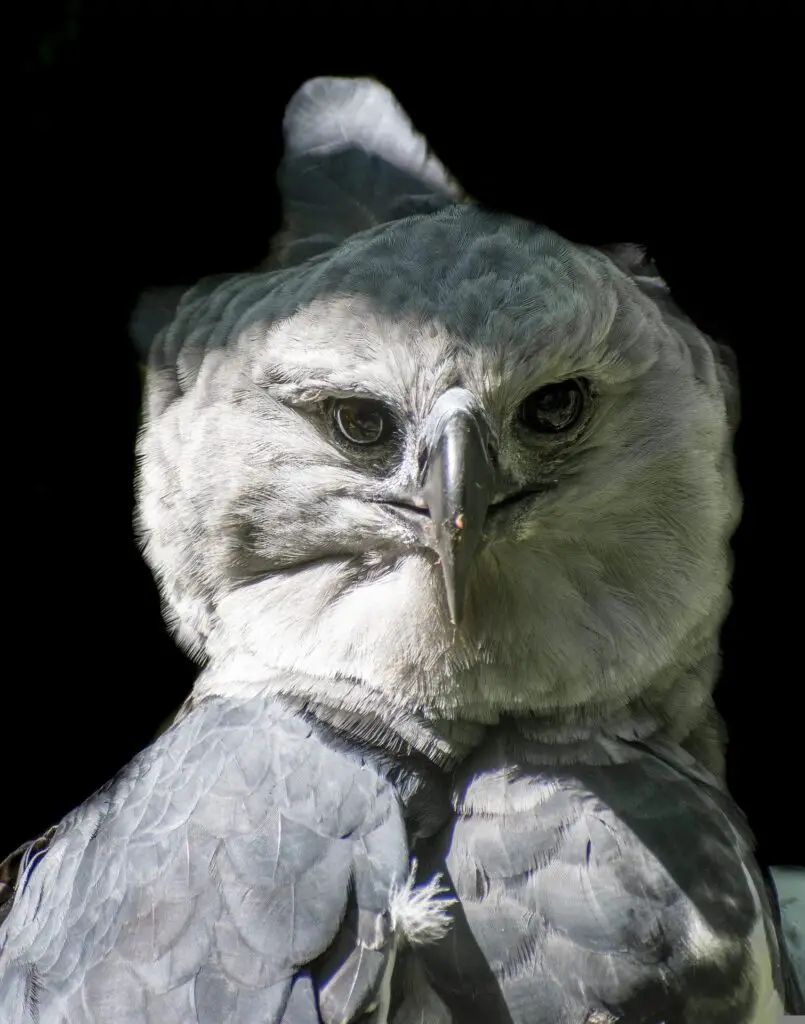
Proper dietary management is crucial for falconers to ensure the health and performance of their eagles in falconry practices.
- Proper nutrition: Providing a varied diet rich in essential nutrients.
- Feeding schedule: Establishing regular feeding times to maintain the eagle’s health.
- Weight management: Monitoring the eagle’s weight to ensure it remains within a healthy range for optimal performance in falconry practices.
Health Monitoring and Veterinary Care
Monitoring the health and providing veterinary care for eagles is essential for falconers to ensure the well-being and performance of their birds. Regular check-ups, preventive care, and prompt emergency responses are crucial. Falconers must also be mindful of parasite control to safeguard their eagles’ health. Additionally, receiving nutritional counselling plays a vital role in maintaining the optimal health and performance of these magnificent birds.
Enrichment and Behavioral Stimulation
To foster optimal well-being and performance in eagles, falconers prioritize providing enriching experiences and stimulating their birds’ behaviours.
1. Interactive toys engage the eagle’s natural instincts and promote physical activity.
2. Training exercises enhance the bond between falconer and eagle while improving the bird’s skills.
3. Environmental enrichment, such as varied perches and natural elements, encourages mental stimulation and prevents boredom.
Training and Behavioral Conditioning
Implementing structured training programs and employing behavioural conditioning techniques are essential for falconers to effectively care for their eagles. Training techniques, positive reinforcement, behaviour modification, socialization, consistency, patience, bonding, trust building, and communication through cues and signals play crucial roles in developing a strong and cooperative relationship between falconers and their eagles. These practices ensure the well-being and successful integration of the eagle into the falconry team.
Exercise and Physical Conditioning
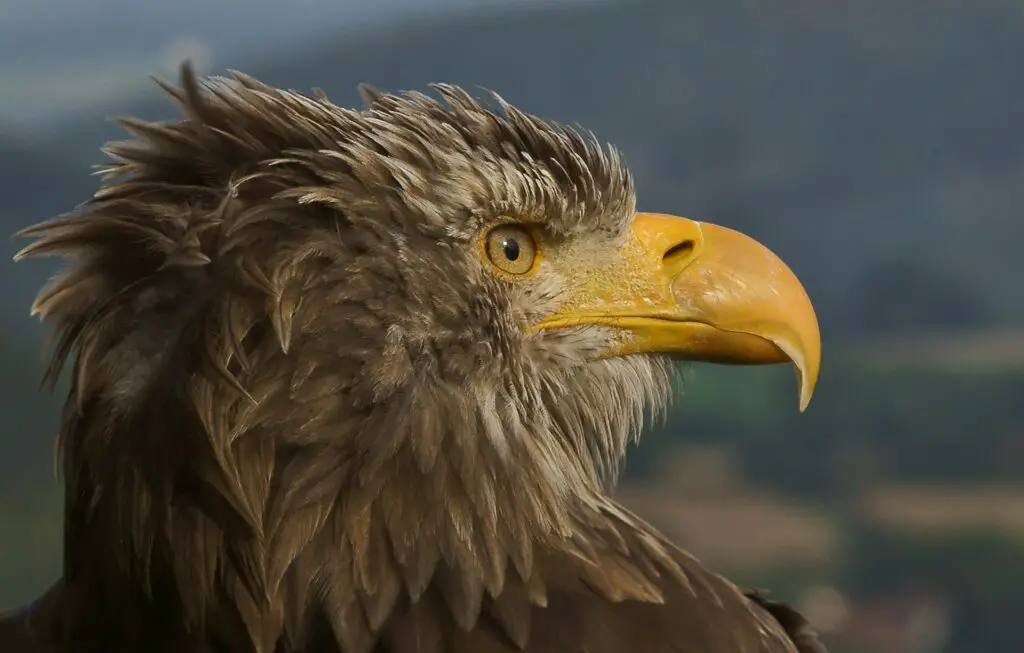
To ensure the health and performance of eagles in falconry, maintaining a rigorous exercise regimen and focusing on their physical conditioning is paramount for falconers.
- Flight training, weight management
- Outdoor activities, hunting practice
- Wing exercises, muscle building
These key elements of care allow falconers to build strong and trusting relationships with their eagles, ensuring the well-being and successful integration of these magnificent birds into the world of falconry. By dedicating ourselves to every aspect of their eagle’s care, we falconers showcase our passion for these majestic creatures and demonstrate how we are truly masters in the art of caring for eagles.
Frequently Asked Questions
Can Falconers Keep Their Eagles in the Same Living Space as Other Birds of Prey?
- Yes, falconers can house eagles with other birds of prey, but not small ones. By carefully monitoring social interactions, establishing feeding habits, and providing ample space for exercise, falconers can create harmonious living arrangements that cater to each bird’s needs.
What Kind of Training Is Involved in Getting an Eagle Used to Being Handled by a Falconer?
- Training methods for eagle handling involve trust-building, socialization techniques, and positive reinforcement. Understanding behavioural cues is crucial. Bonding through consistent interaction fosters a strong relationship.
Do Falconers Need to Provide Specific Types of Enrichment for Their Eagles to Keep Them Mentally Stimulated?
- To keep my eagle mentally stimulated, I provide environmental enrichment like interactive toys. I incorporate cognitive challenges to encourage problem-solving and mimic species-specific natural behaviours.