
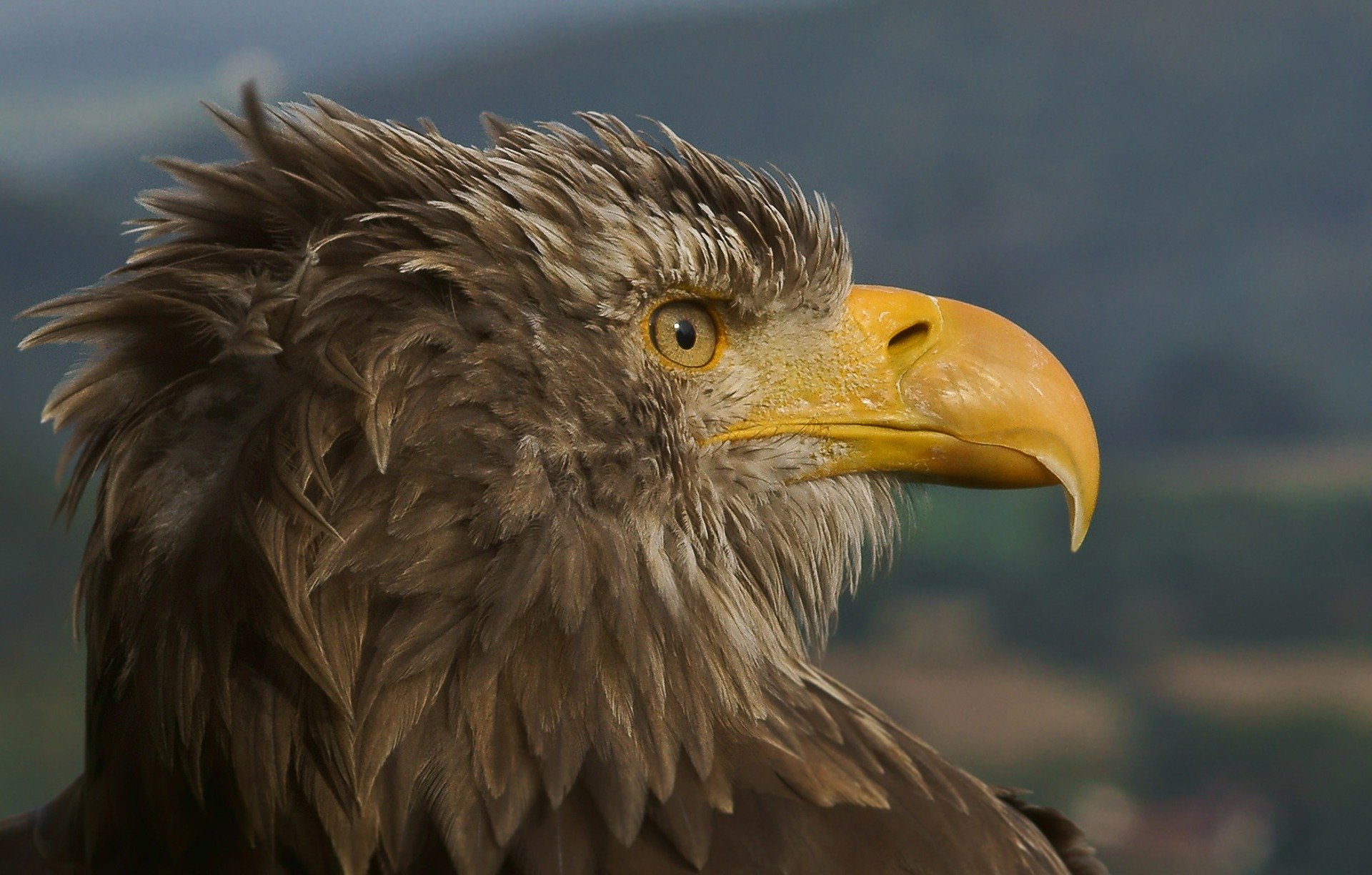
As a falconer, I’ve come to realize that eagles, like any living creature, can sometimes face certain health challenges. From frounce to avian vacuolar myelinopathy (AVM), several ailments can impact our eagles. But what exactly are these diseases, and how do they affect birds of prey? Let’s explore further and uncover the top 6 common ailments that can affect the well-being of our beloved eagles.
The top 6 diseases that affect eagles in falconry
The most common diseases that affect eagles in falconry include:
- Frounce
- Coccidia
- Bumblefoot
- Aspergillosis
- Avian Pox
- Avian Vacuolar Myelinopathy (AVM)
Frounce
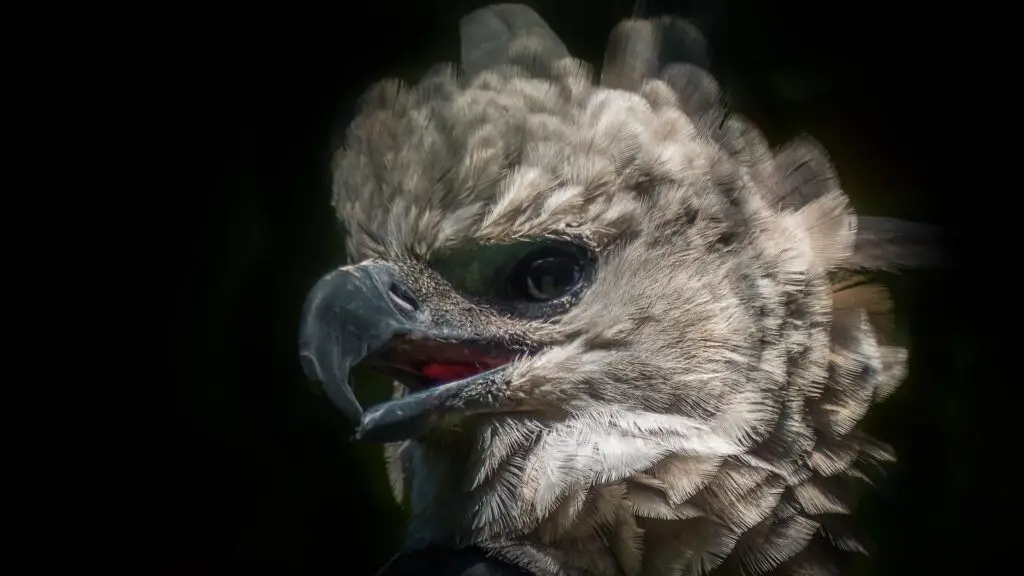
Frounce, one of the top seven diseases that affect eagles in falconry, is a highly contagious and potentially severe condition that can affect birds of prey. Frounce, also known as trichomoniasis, is caused by the protozoan parasite Trichomonas gallinae. It can be transmitted through the ingestion of food or water that is contaminated or direct contact with infected birds. Eagles can become infected with frounce when they consume prey that is infected with the parasite. The symptoms of frounce in raptors include drooling, difficulty swallowing, weight loss, and lesions in the mouth and throat. If left untreated, frounce can lead to severe debilitation and even death.
Prevention of frounce involves maintaining clean and hygienic conditions, providing uncontaminated food and water, and regular veterinary check-ups. Treatment options for frounce include medication to target the parasite, supportive care, and ensuring proper nutrition for the affected eagle. It is important to consult with a veterinarian for the best course of action when dealing with frounce in eagles.
Coccidia
Coccidia, another common disease affecting eagles in falconry, is caused by a group of microscopic parasites known as coccidia. These parasites can be contracted through the ingestion of contaminated food or water. Transmission also occurs through direct contact with infected birds or their faeces. Coccidia can have a significant impact on raptors, causing symptoms such as diarrhoea, weight loss, dehydration, and weakness.
Although it is not usually considered a severe disease, it can weaken the affected bird and make it more susceptible to other infections. Prevention is key in managing coccidia, and it can be achieved by maintaining clean and sanitary conditions, providing fresh and uncontaminated food and water, and practising good hygiene. Treatment options for coccidia include anti-parasitic medications prescribed by a veterinarian.
Bumblefoot
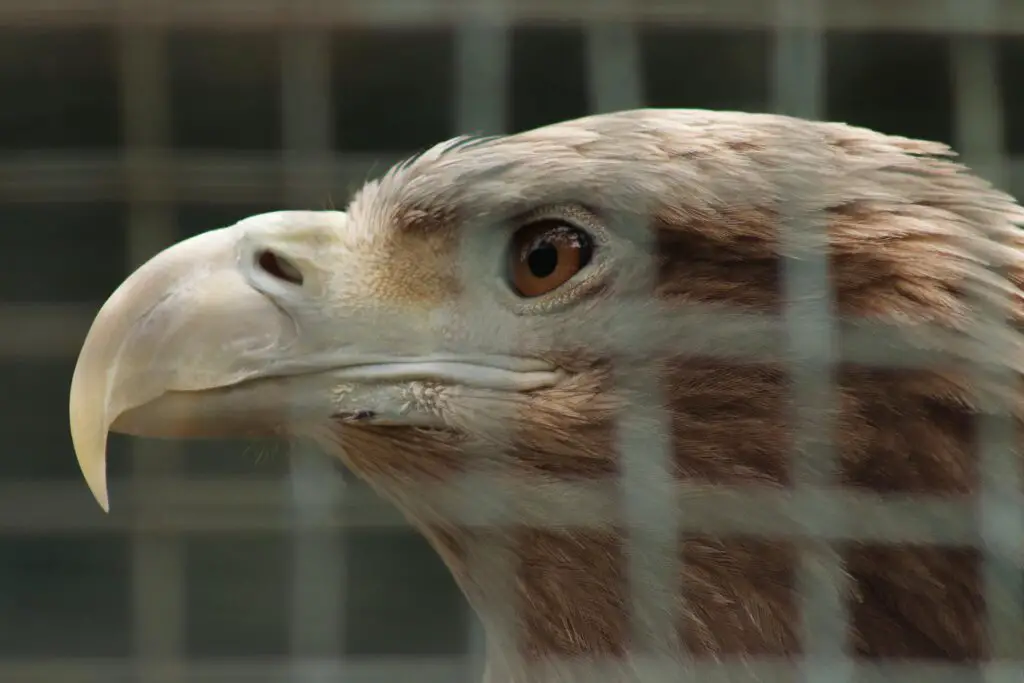
Bumblefoot, also known as pododermatitis, is a common disease that affects eagles in falconry, causing inflammation and infection in their feet. Here are some key points to ponder regarding Bumblefoot:
- Prevention methods: To prevent bumblefoot, it is essential to maintain clean and dry perches for the eagles. Regular inspections of their feet should be conducted to detect any signs of lesions or sores early on.
- Treatment options: Treatment for bumblefoot includes cleaning the affected area, applying topical antibiotics, and providing supportive care to the eagle. In severe cases, surgery might be required to remove the infected tissue.
- Risk factors: Bumblefoot can occur due to various factors such as poor hygiene, improper perch design, and obesity. Overweight eagles are at a higher risk due to increased pressure on their feet.
Bumblefoot can significantly impact an eagle’s hunting abilities, as it causes discomfort and reduces their mobility. Additionally, if left untreated, bumblefoot can lead to long-term effects such as chronic pain, lameness, and even systemic infections. Therefore, early detection and prompt treatment are crucial in managing this condition.
Aspergillosis
Aspergillosis, a fungal infection, is one of the top seven diseases that commonly affect eagles in falconry. This disease is caused by the inhalation of Aspergillus spores, which are commonly found in the environment. Once inhaled, the spores can colonize the respiratory system of the eagle, leading to a range of symptoms, including coughing, wheezing, and difficulty breathing. If left untreated, the disease can progress and result in severe respiratory distress, weight loss, and even death.
Treatment options for aspergillosis include antifungal medications prescribed by a vet, which can help to eliminate the infection. Prevention methods include maintaining clean and dry housing conditions, proper ventilation, and avoiding exposure to contaminated environments. The impact of aspergillosis on an eagle’s performance can be significant, as the disease can compromise their respiratory function and overall health. Additionally, the long-term effects of aspergillosis can include chronic respiratory issues and reduced lifespan.
Avian Pox
Avian Pox, another prevalent disease affecting eagles in falconry, is caused by a viral infection and presents a range of symptoms in raptors. Here are key points about avian pox:
- Avian pox transmission: The disease is primarily transmitted through direct contact with infected birds or contaminated surfaces. Mosquitoes can also act as vectors, transmitting the virus from infected to healthy birds.
- Symptoms in raptors: Infected eagles may develop wart-like growths on their skin, especially around the eyes, beak, and feet. These lesions can lead to vision impairment, difficulty eating, and decreased mobility. Some birds may also experience respiratory distress.
- The severity of avian pox: The severity of the disease can vary. In mild cases, the lesions may heal on their own over time. However, in severe cases, the virus can spread internally, affecting vital organs and leading to death.
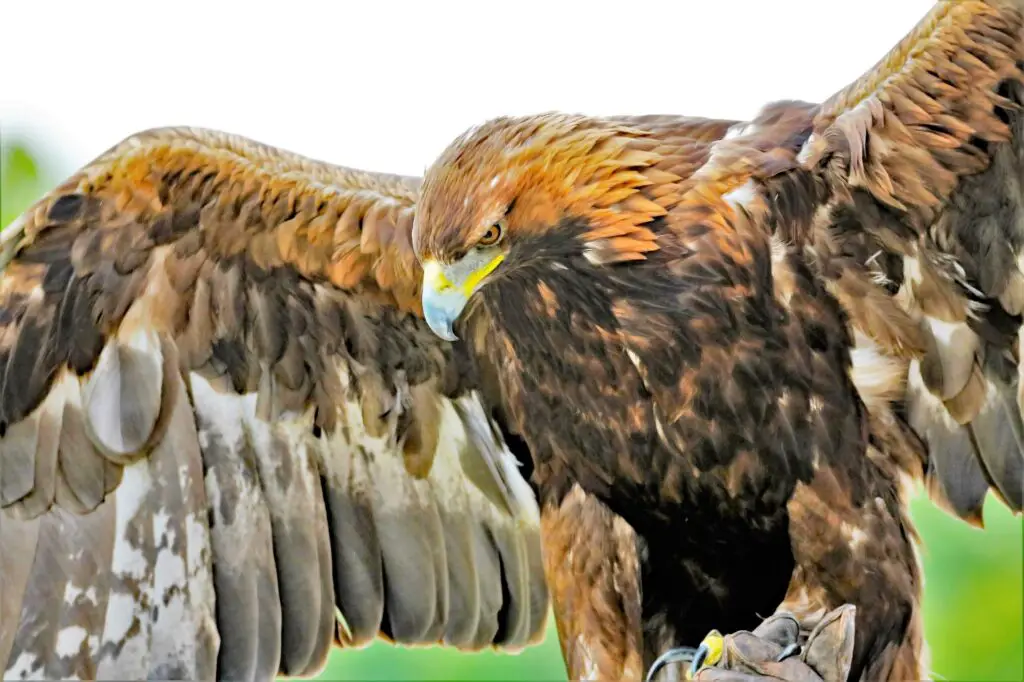
Prevention methods include minimizing contact with infected birds, using mosquito control measures, and maintaining good hygiene practices. Treatment options for avian pox are limited, and veterinary intervention may be necessary for severe cases.
Avian Vacuolar Myelinopathy (AVM)
Avian Vacuolar Myelinopathy (AVM) is a disease that commonly affects eagles in falconry and is characterized by a degenerative neurological condition caused by the ingestion of a toxin. To prevent AVM, it is crucial to identify and manage potential sources of cyanobacteria in the environment. Transmission routes include the consumption of toxic vegetation or prey that have come into contact with the cyanobacterial toxin.
Symptoms in raptors include ataxia, weakness, and difficulty in coordinating movements. AVM can be a severe condition, often leading to death in affected birds. Currently, there is no specific treatment for AVM, but supportive care can be provided to improve the bird’s quality of life.
Sour Crop
Sour crop is a condition that affects the digestive system of raptors, causing an overgrowth of unhealthy bacteria in the crop. The crop, located at the base of the bird’s neck, acts as a temporary storage pouch for food before it enters the stomach. Here are some key points to consider regarding sour crop:
- Causes: Sour crop can occur due to a variety of reasons, including bacterial or fungal infections, improper diet, and underlying health issues such as immune system disorders.
- Symptoms: Infected birds may show signs of regurgitation, loss of appetite, weight loss, and dehydration. The crop may also appear swollen and feel squishy to the touch.
- Treatment options: Treatment for sour crops includes supportive care, such as flushing the crop with warm saline, providing probiotics to restore healthy gut bacteria, and adjusting the bird’s diet. In severe cases, oral medications prescribed by a vet may be necessary.
Prevention methods include maintaining proper hygiene practices and ensuring a balanced diet for the raptor.
In conclusion, falconers must be aware of the common diseases that can afflict eagles in falconry. These ailments can pose significant threats to the well-being and longevity of these magnificent birds. By diligently monitoring their health, providing proper care, and seeking timely veterinary intervention, we can combat the risk of these diseases and ensure the continued thriving of our eagle companions in falconry.
Frequently Asked Questions
What Are the Common Signs and Symptoms of Diseases in Eagles Used in Falconry?
- The common signs and symptoms of diseases in eagles used in falconry may include weight loss, lethargy, respiratory distress, diarrhoea, changes in behaviour, and physical abnormalities such as lesions or growths.
How Can Falconers Prevent the Spread of Diseases Among Their Eagle Populations?
- Biosecurity measures like regular health screenings, proper hygiene practices, quarantine protocols, and vaccination strategies should be implemented to prevent the spread of diseases among eagle populations in falconry.
What Are the Potential Long-Term Effects of Diseases on the Overall Health and Performance of Eagles in Falconry?
- Long-term consequences of diseases on the overall health and performance of eagles in falconry include a decline in performance, deterioration of health, impact on training, and decreased lifespan.