
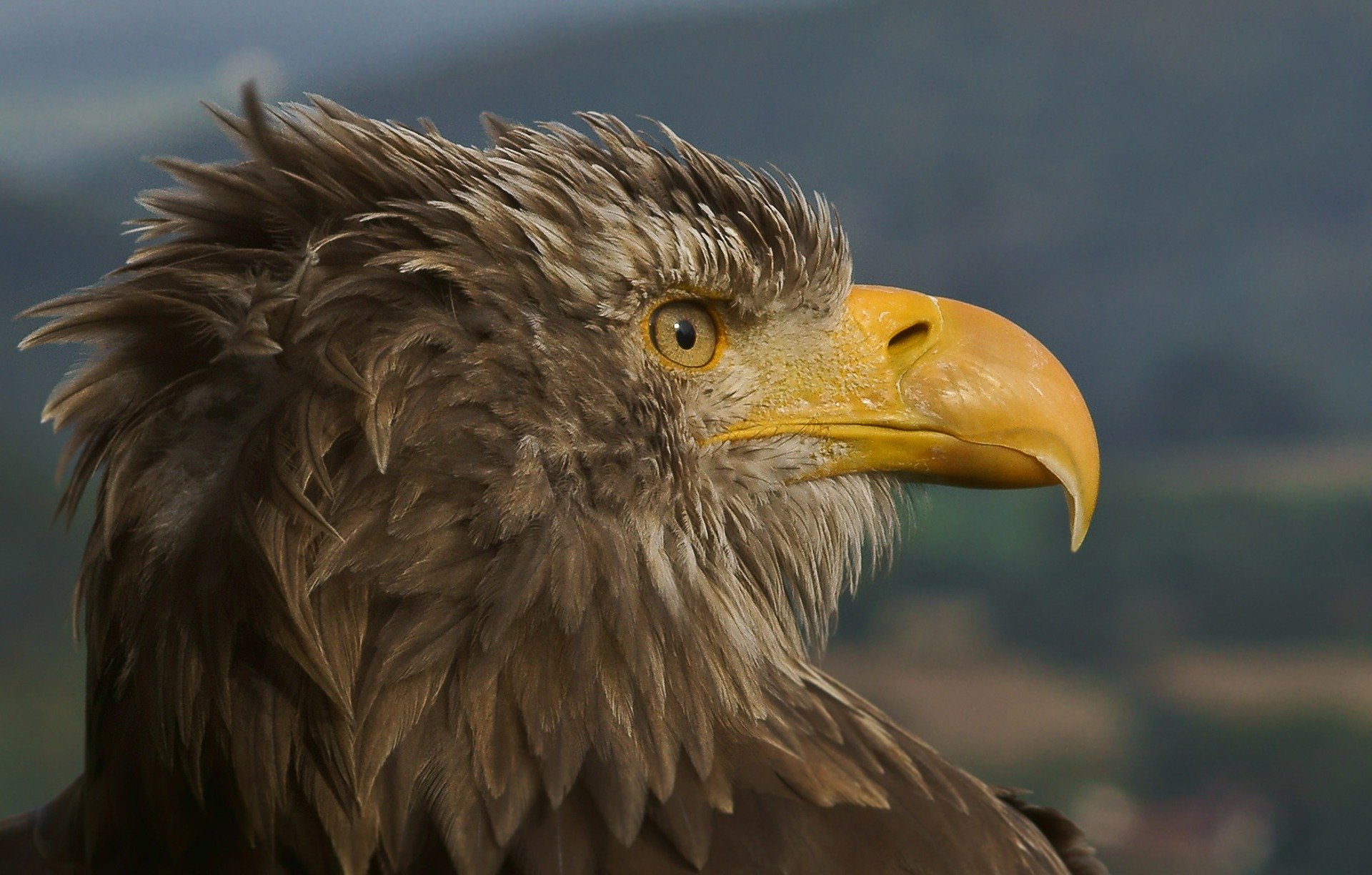
Are you curious to learn about what can be hunted with eagles in falconry? Eagles, when used in falconry, hunt a variety of prey. I have had the opportunity for several years now to hunt with these birds of prey, and I will share my experiences with you. From the Golden Eagle to the lesser-known Booted Eagle, these birds of prey have captured the attention and admiration of falconers worldwide. But what makes these eagles stand out from the rest, and what do they normally hunt?
Most commonly used
When it comes to falconry, the golden eagle (Aquila Chrysaetos) stands out as one of the most commonly used birds. Due to its impressive size and strength, the golden eagle is an ideal choice for hunting larger game. Its keen eyesight and powerful talons make it a formidable predator in the sky, capable of capturing prey with precision and agility.
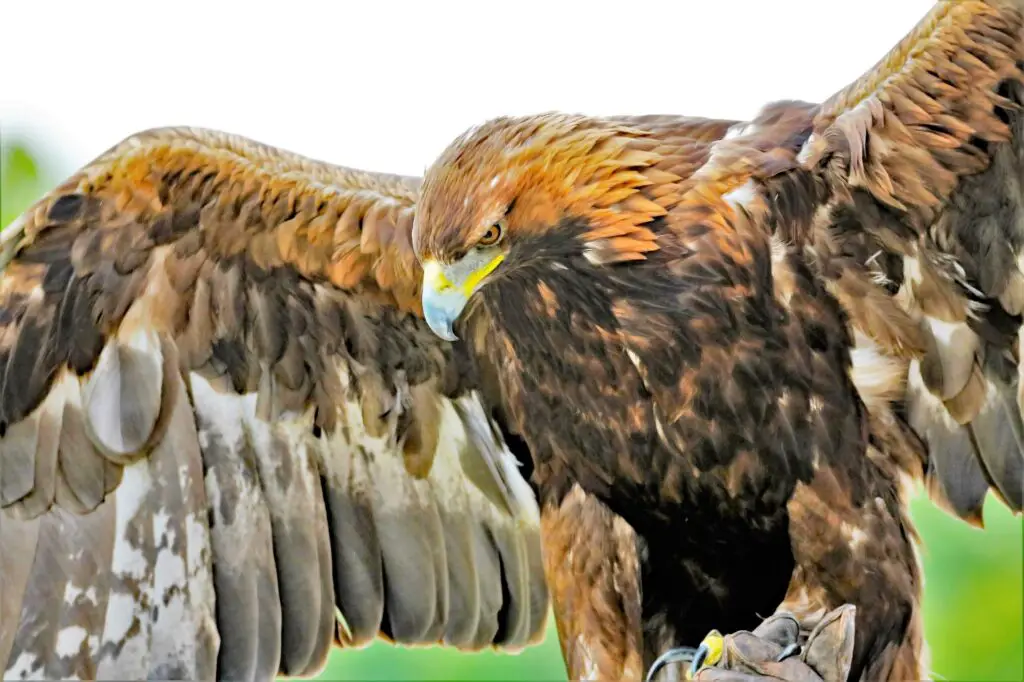
The golden eagle (Aquila chrysaetos)
The golden eagle (Aquila chrysaetos), renowned for its exceptional hunting prowess, is the most commonly used species of eagle in falconry. Their hunting abilities make them ideal for this ancient sport. With their powerful talons and keen eyesight, golden eagles can capture a wide range of prey, including rabbits, hares, and even small deer.
Golden eagles require large and open habitats, such as mountainous regions or open grasslands, to thrive. Conservation efforts are also made to protect and preserve these majestic birds, as their populations have been impacted by habitat loss and illegal hunting. The golden eagle’s combination of hunting abilities, training adaptability, specific habitat requirements, strong bond with the falconer, and ongoing conservation efforts make it the preferred choice for experienced falconers worldwide.
Not so frequently used but successfully used by other falconers
The Harpy Eagle (Harpia harpyja), Booted Eagle (Hieraaetus pennatus), Bonelli’s Eagle (Aquila fasciata), and Wedge-tailed Eagle (Aquila audax) are not commonly used in falconry, they have been successfully employed by other falconers. These eagles possess unique characteristics that make them suitable for specific hunting situations, such as their impressive size, strength, and ability to navigate through dense forests or open landscapes. Although they may require specialized training and handling techniques, these eagles offer an alternative and effective approach to falconry.
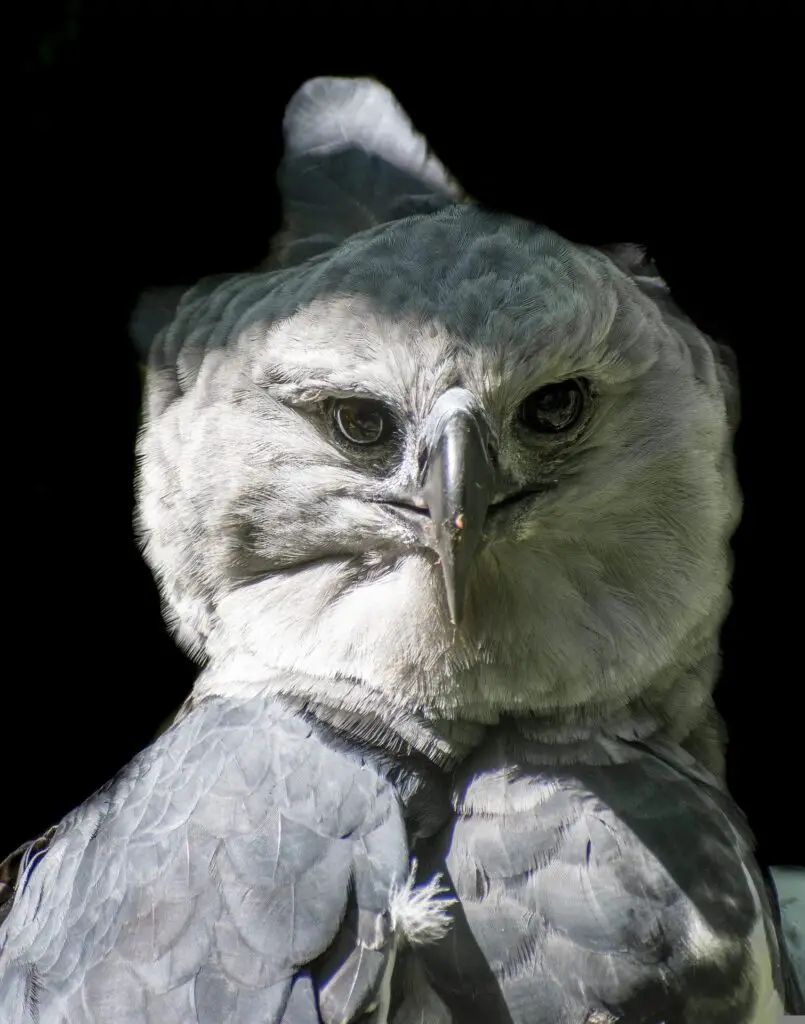
Harpy Eagle -(Harpia harpyja)
Occasionally employed by experienced falconers, the Harpy Eagle (Harpia harpyja) boasts impressive capabilities that make it a formidable asset in the world of falconry. Known for its immense size, the Harpy Eagle will reach up to 3 feet (91.44 cm) in height and possess a wingspan of over 6 feet. This species displays unique behaviour, preferring to inhabit dense, tropical rainforests where it can find an abundance of prey. Due to their specific habitat requirements, Harpy Eagles are not commonly used in falconry. Moreover, their conservation status as near-threatened further limits their availability. Harpy Eagles are known for their powerful hunting techniques, using their strong talons to snatch and carry off prey such as monkeys or sloths.
Booted Eagle-(Hieraaetus pennatus)
Booted Eagles, while not commonly used in falconry, have been successfully employed by other falconers. Conservation efforts for this species have contributed to its population stability. Unique behaviours of the Booted Eagle include its ability to soar effortlessly for long periods and its preference for open woodland habitats. This eagle primarily hunts small mammals, reptiles, and birds using a sit-and-wait hunting technique. Its distinctive hunting technique involves surprise attacks from a concealed perch. The Booted Eagle has the potential to excel in the sport due to its hunting prowess and adaptability. However, other eagles, like the Bonelli’s Eagle, are more commonly employed in falconry due to their larger size and greater strength.
Bonelli’s Eagle- (Aquila fasciata)
The Bonelli’s Eagle, a species known by its scientific name Aquila fasciata, is not commonly used in falconry but has been successfully used by other falconers. This majestic eagle is known for its behaviour patterns, which include soaring high above its territory and diving down at incredible speeds to catch its prey. Conservation efforts have been made to protect and preserve this species, as it is listed as endangered due to environmental loss and illegal hunting. When it comes to hunting techniques, the Bonelli’s Eagle is a formidable predator, using its sharp talons and powerful beak to capture a variety of prey, including small mammals and birds. Although not commonly used in falconry, the Bonelli’s Eagle has proven to be a successful hunting companion for those who have trained and flown them.
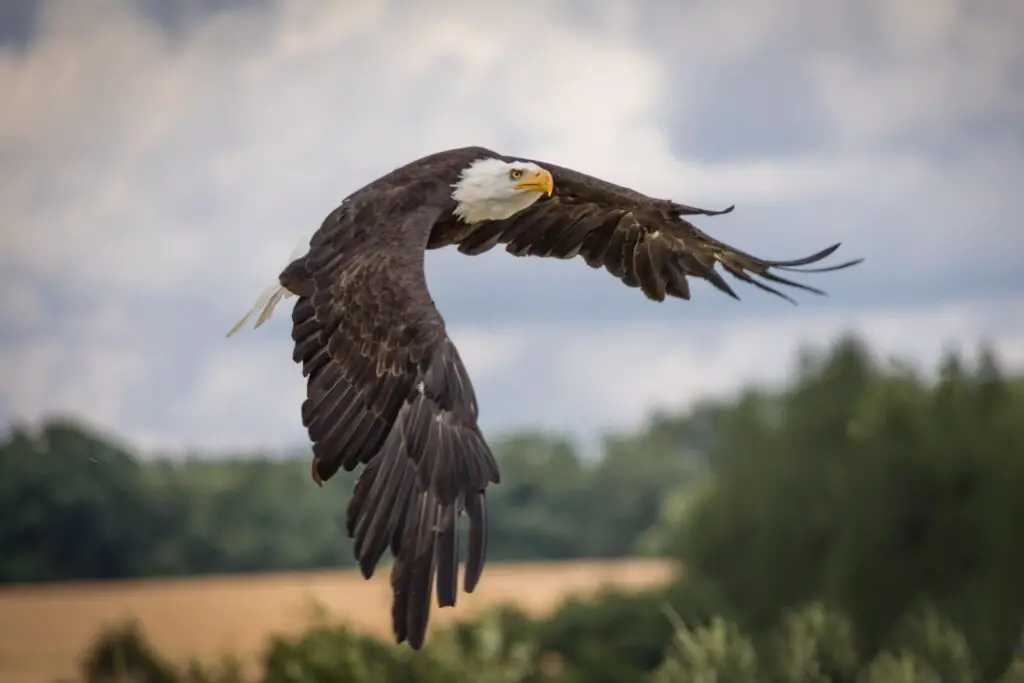
Wedge-tailed Eagle -(Aquila audax)
I have found that the Wedge-tailed Eagle, scientifically known as Aquila audax, is not commonly used in falconry, but it has been successfully done so by other falconers. Here are some key facts about the Wedge-tailed Eagle and its suitability for falconry:
Wedge-tailed Eagle behaviour: These eagles are known for their soaring flight and incredible agility. They have keen eyesight and are tremendously skilled hunters, often targeting small mammals and birds.
Training wedge-tailed eagles: Training a Wedge-tailed Eagle for falconry requires patience and expertise. They are large and powerful birds, requiring a strong bond and trust between the falconer and the bird.
Wedge-tailed Eagle diet: In the wild, these eagles primarily feed on carrion and live prey. A falconer must provide a suitable diet of fresh meat to meet their nutritional needs.
Conservation efforts for wedge-tailed eagles: Due to their large territories and specific habitat requirements, Wedge-tailed Eagles are protected in many regions. Conservation efforts aim to preserve their populations and suitable habitats.
In conclusion, in the world of falconry, the most commonly used eagle is the golden eagle. These raptors have proven to be highly effective in assisting falconers in their hunting endeavours. While there may be other eagles that are less frequently used, many falconers have achieved great success with these two species. Despite concerns about the availability and legality of obtaining these eagles, proper permits and ethical practices ensure their responsible use in falconry.
Frequently Asked Questions
Can Golden Eagles Be Used in Falconry?
- Yes, golden eagles can be used in falconry. They are revered for their strength and agility in hunting.
Are Bald Eagles Commonly Used in Falconry?
- Bald eagles are not commonly used in falconry due to their protected status.
Have Any Other Species of Eagles Been Successfully Used in Falconry?
- In the world of falconry, other eagle species have indeed been successfully used.
What are the specific hunting characteristics of eagles used in falter?
- When it comes to the hunting characteristics of eagles used in falconry, their training methods, flight characteristics, equipment used, and prey preferences all play a crucial role in their success.
Are There Any Legal Restrictions or Regulations Regarding the Use of Eagles in Falconry?
- There are legal restrictions and licensing requirements in place regarding the use of eagles in falconry. This is due to conservation concerns and ethical considerations surrounding the cultural significance of these majestic birds.