
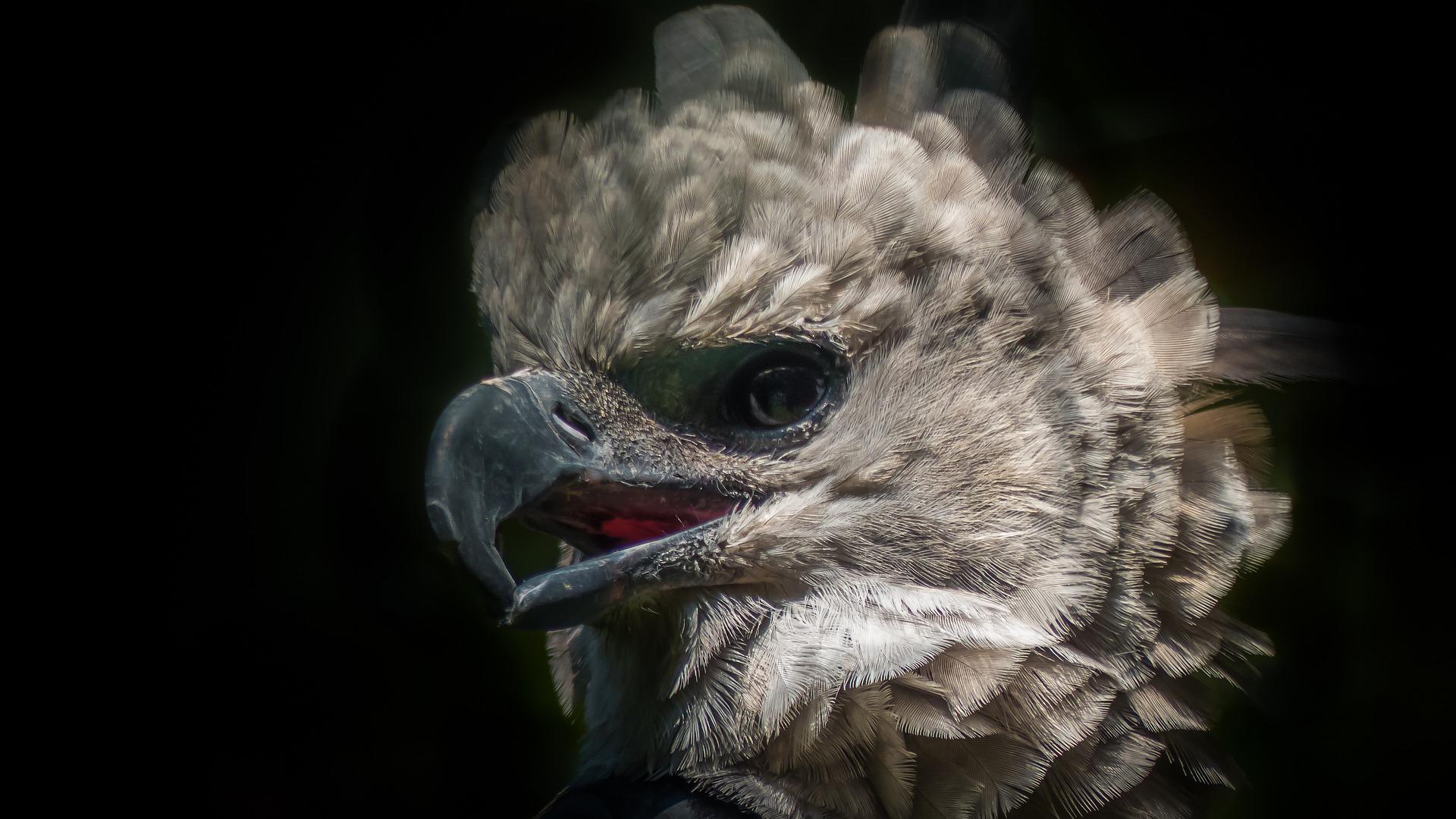
Falconry introduces us falconers to some exotic types of raptors, but when it comes to eagles, which are the largest ever used and the smallest? From the formidable Harpy Eagle, known as the giant of the sky, to the more petite, agile-booted eagle, falconry allows us to handle and train with some magnificent birds of prey species.
The largest eagle used in falconry, The harpy eagle
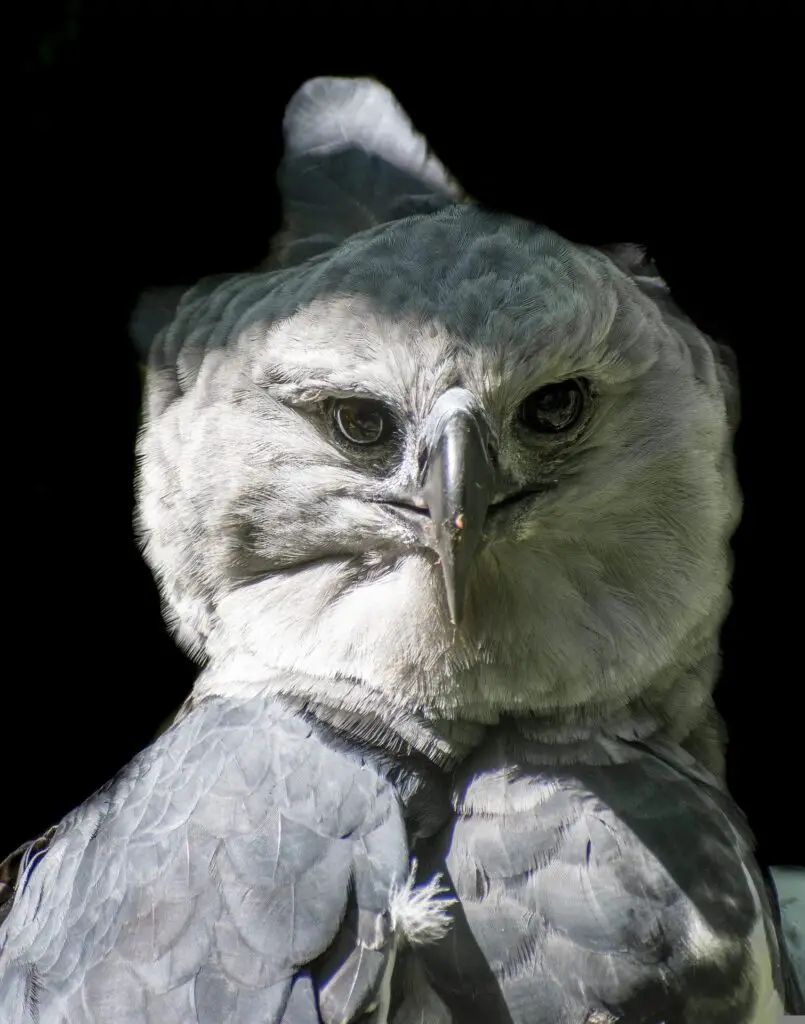
As a falconer, I am fascinated by the harpy eagle, the largest eagle used in falconry. It is not so common, but it has been used. This magnificent bird is known for its enormous size and striking appearance. With a wingspan reaching up to 7 feet and weighing up to 20 pounds, the harpy eagle is a true powerhouse in the sky. Its strong and formidable temperament makes it a force to be reckoned with in the world of falconry.
Characteristics and appearance
The harpy eagle, the largest eagle used in falconry, possesses awe-inspiring characteristics and a distinct appearance.
- Feather colouration: The harpy eagle’s feathers are predominantly grey, with a black-and-white pattern on its head and a greyish-white underside.
- Wing span: With an impressive wingspan of up to 7 feet, the harpy eagle can soar through the air with grace and power.
- Hunting techniques: This magnificent bird is an apex predator and employs stealth and speed to capture its prey. It uses its sharp talons to snatch animals from the canopy, including monkeys, sloths, and large birds.
Size and temperament
The Harpy Eagle’s size is one of its most defining features in falconry. Weighing between 6 and 9 kilograms (13-20 Pounds), with females being larger, this raptor commands respect with its presence alone. Its temperament complements its imposing physique; Harpy Eagles are known for their assertive nature and dominance that asserts their place at the top of the food chain. In falconry, their size necessitates an experienced handler, as they can be fiercely independent and require a keen understanding of raptor dynamics for a successful partnership.
The smallest eagle used in falconry, the Booted eagle
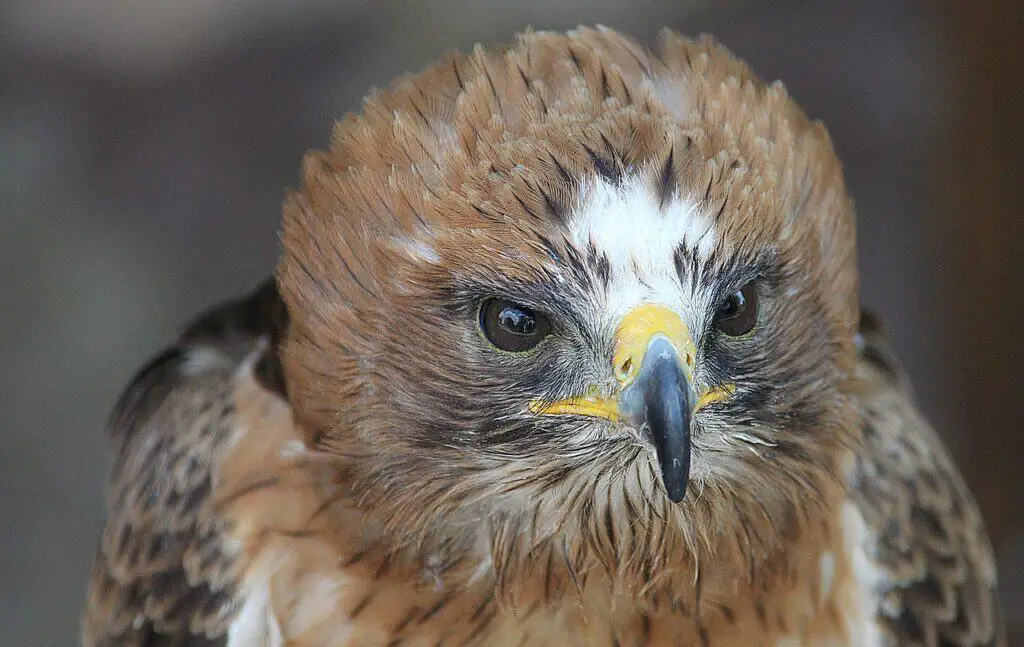
One of the smallest eagles that I worked with is the Booted eagle (Aquila pennata). This species is known for its unique characteristics and appearance. With a size ranging from 45 to 55 centimetres (18 to 21 inches) in length and a wingspan of around 110 to 132 centimetres (4ft), the Booted eagle is relatively small compared to other eagle species used in falconry. Despite its small size, this eagle possesses a strong and determined temperament, making it a skilled hunter and a valuable asset in the field.
Characteristics and appearance
Booted eagles, the smallest eagles used in falconry, possess distinct characteristics and appearances that distinguish them from their larger counterparts.
- Feather colouration: Booted eagles have a mottled brown plumage that provides good camouflage in their natural habitat.
- Wing span: Despite their small size, they have a relatively wide wingspan, measuring around 110-132 cm (4ft), allowing for agile flight and manoeuvrability.
- Hunting techniques: These eagles are skilled hunters, using a combination of soaring and perching to spot their prey. They mainly feed on smaller mammals and birds.
- Beak shape: Their beaks are short and hooked, enabling them to rip apart their prey with precision.
- Flight speed: Although not as fast as their larger counterparts, Booted eagles can reach speeds of up to 50-60 miles per hour in pursuit of their prey.
- Training requirements: Due to their small size, Booted eagles require careful training and handling. They are known for their intelligence and responsiveness, making them suitable for falconry enthusiasts with experience in training raptors.
Size and temperament
The Booted eagle, the smallest eagle used in falconry, stands out with its unique combination of size and temperament. Measuring around 45-55 cm in length and with a wingspan of approximately 110-120 cm, it is considerably smaller than other eagle species used in falconry. Training techniques for the Booted eagle may differ due to its smaller size, but its hunting abilities remain uncompromised. Booted eagles are skilled hunters, focusing primarily on small mammals, reptiles, and birds.
Eagles in falconry bring unique attributes. The Harpy Eagle symbolizes might and presence, while the smaller Booted Eagle showcases agility. Both are formidable hunters in their own right and are essential symbols of strength and beauty in the ancient art of falconry.
Frequently Asked Questions
How Does the Harpy Eagle Compare to Other Large Eagles Used in Falconry?
- The harpy eagle is much different from other large raptor species used in falconry because of its size and temperament. They require experienced handlers due to their assertive nature, while other large eagles may be more docile.
Are Booted Eagles Good for Beginners in Falconry?
- No, they are still a species of eagle that needs an experienced hand to train and handle them.
Are There Other Eagle Species Used in Falconry?
- Yes, there are species tried in falconry, like the Bonelli’s Eagle, Wedge-tailed Eagle, and others, but the most commonly used in falconry is the Golden eagle.
What Are Some Unique Hunting Techniques or Behaviors Exhibited by the Harpy Eagle?
- Unique hunting techniques and behaviours exhibited by the harpy eagle include its ability to snatch prey mid-flight, its preference for large mammals as prey, its impressive nest-building habits, its stealthy hunting strategies, and its exceptional parental care.