
Falconry is a centuries-old practice that requires both skill and the right equipment to maintain the well-being of birds of prey. Among the essential tools in an expert falconer’s kit is the “Aba.” Although it might not be as commonly discussed as hoods or gloves, the Aba plays a crucial role in ensuring the safety and comfort of the bird during handling and travel. In this comprehensive guide, we’ll explore what the Aba is, how it works, and provide tips and extensive knowledge for using it effectively.
What Is an Aba?
An Aba is a lightweight covering or restraint designed to wrap around a bird of prey. Its primary purpose is to calm and secure the bird during transportation or when it needs to be handled for medical checks, maintenance, or training. Abas are typically made from soft, durable materials like cloth or canvas that prevent harm to the bird while ensuring it remains comfortable and stress-free.
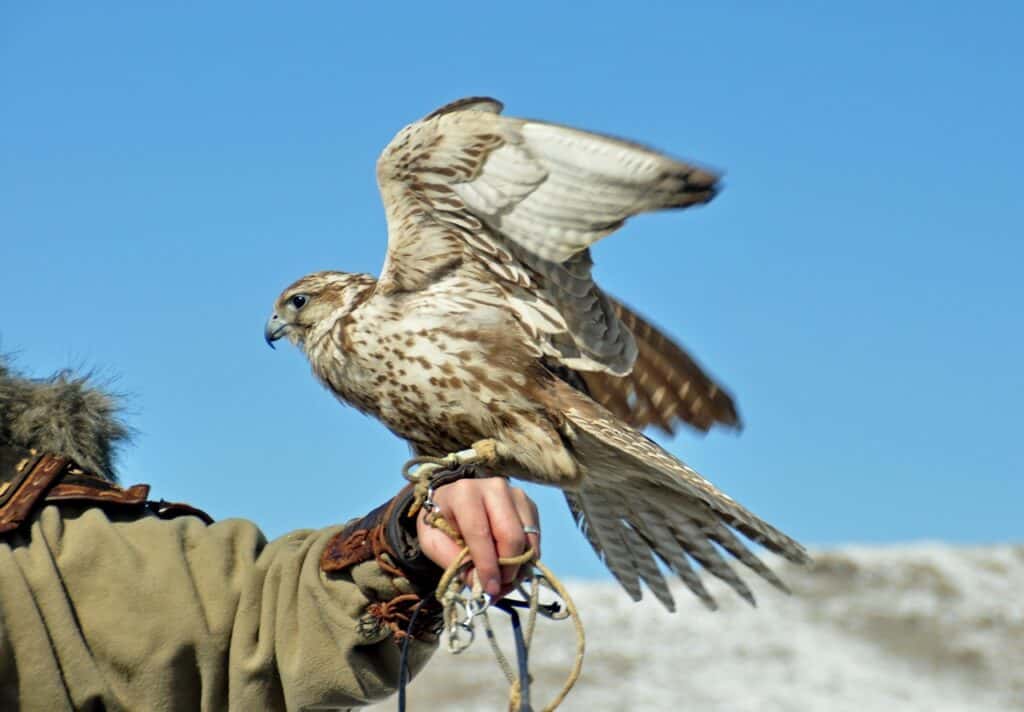
The concept behind the Aba is simple but effective: when a bird is gently restrained, and its movement is limited, it reduces stress and prevents injuries that might occur if it were to thrash or flap its wings. This makes the Aba an invaluable tool for both experienced and apprentice falconers.
How Does an Aba Work?
An Aba works by immobilizing a wild bird or a falconry raptor that is new to training in a secure yet gentle manner. Most Abas are designed to wrap snugly around the bird’s body, covering the wings without putting pressure on them. This design allows the falconer to safely transport the bird or perform necessary procedures without fear of injury to either the bird or themselves.
The bird’s head is typically left uncovered so it can still breathe and observe its surroundings, minimizing any feelings of panic. While in the Aba, the bird remains calm and less likely to react to external stimuli, making tasks like travel or health inspections much easier for the falconer.
How to Use an Aba Properly
Using an Aba requires practice and care to ensure the bird’s comfort and safety. Here’s a step-by-step guide:
- Choose the Right Aba: Make sure the Aba is appropriately sized for your bird. An Aba that is too small can cause discomfort, while one that is too large won’t provide adequate restraint.
- Prepare the Bird: Gently handle your bird, ensuring it is calm before placing the Aba. This is especially important for birds that are not yet accustomed to handling.
- Wrap Carefully: Carefully place the Aba over the bird’s wings, ensuring it is snug but not too tight. The wings should be securely tucked to prevent flapping, but the bird should still be able to breathe and move its head comfortably.
- Secure the Aba: Most Abas feature ties, Velcro, or other fasteners to hold them in place. Ensure these are fastened securely but not so tight that they cause distress or restrict circulation.
- Monitor the Bird: Always monitor the bird while it is in the Aba. If the bird shows signs of stress or discomfort, remove the Aba and reassess its fit or how it was applied.
Tips for Using the Aba
- Practice Makes Perfect: If you’re new to using an Aba, practice on a calm, cooperative bird to build confidence. Over time, both you and your bird will become more comfortable with the process.
- Inspect Regularly: Check your Aba for wear and tear before each use. A damaged Aba might not function properly and could compromise the safety of your bird.
- Use in Short Intervals: Avoid keeping your bird in the Aba for extended periods. Only use it when necessary and as quickly as possible to minimize stress.
- Introduce Gradually: If your bird is unfamiliar with the Aba, introduce it slowly. Let the bird see and smell the Aba before using it so it becomes accustomed to the new equipment.

Sizes available for Aba’s
Small:
Kestrels, Merlins, or similar-sized birds. (8″ wide x 11″ long / 20.3 cm wide x 27.9 cm long)
Medium:
Cooper’s, Male Prairie, or similar-sized birds. (11″ wide x 12″ long / 27.9 cm wide x 30.5 cm long)
Large:
Peregrine, Female Prairie, Male Harris, or similar-sized birds. (13″ wide x 16″ long / 33 cm wide x 40.6 cm long)
X-Large:
Red-tailed Hawks, Ferruginous Hawks, or similar-sized bird species. (15″ wide x 20″ long / 38.1 cm wide x 50.8 cm long)
Conclusion
An Aba is a valuable tool in the birding community. It provides a safe and effective way to handle and transport birds of prey. By understanding its purpose and learning how to use it correctly, falconers can ensure their birds remain calm, safe, and comfortable during necessary handling. The Aba becomes an essential part of a falconer’s toolkit with proper technique and care.
Want to deepen your knowledge of falconry tools and techniques? Explore our library of articles for insights, tips, and best practices to enhance your falconry journey. Keep learning and take your skills to the next level!