
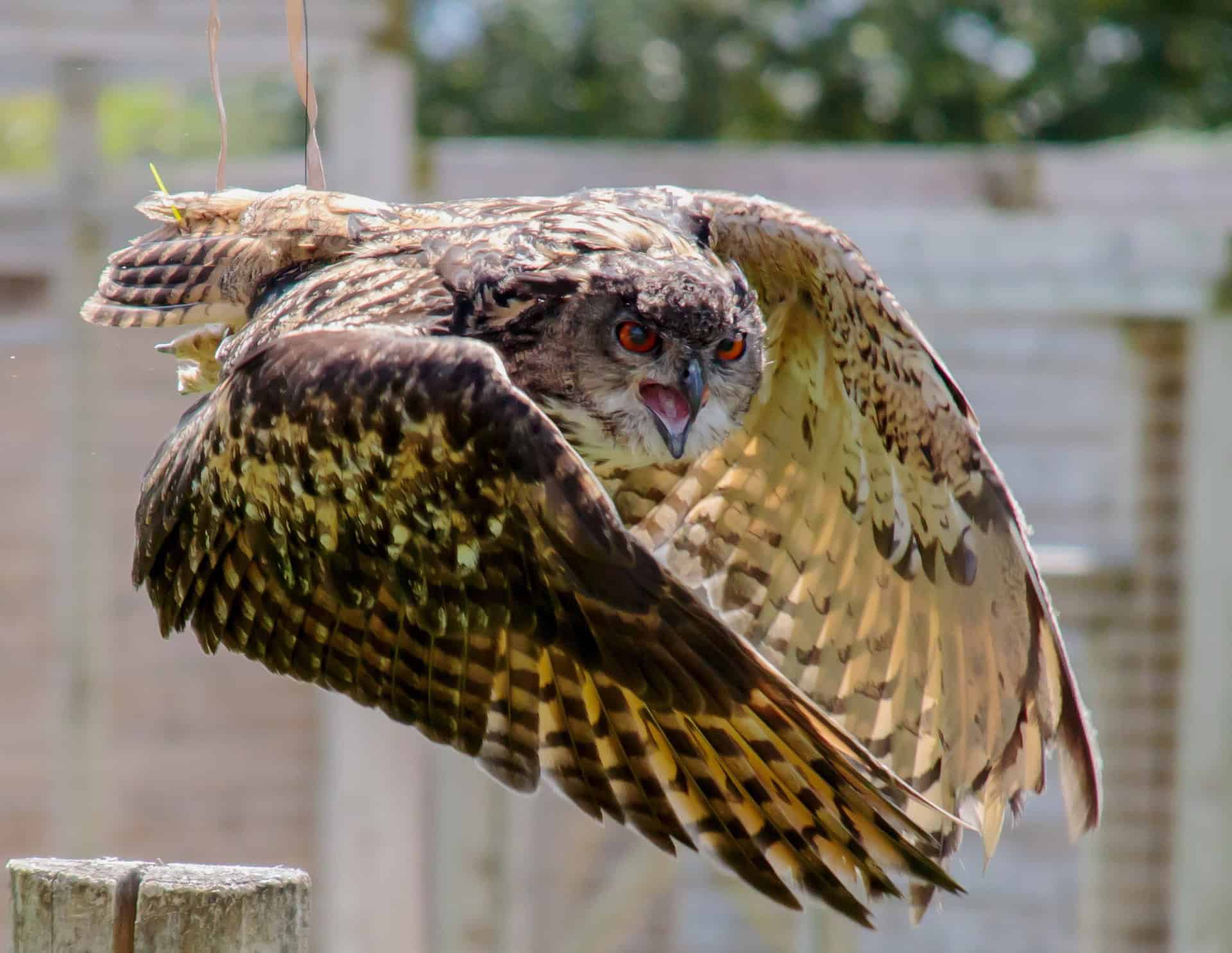
Falconry radio telemetry is a technology used in falconry to track and locate birds of prey. It has revolutionized the sport of falconry, making it easier for falconers to keep track of their birds and ensure their safety. In this guide, we will cover everything you need to know about falconry radio telemetry.
The Role of Radio Telemetry in Falconry
Radio telemetry plays a crucial role in falconry, allowing falconers to track and monitor their birds with precision and accuracy. This technology involves the use of radio transmitters attached to the falcon’s legs or tail feathers. These transmitters emit a unique frequency signal that can be picked up by a receiver held by the falconer. By monitoring the signal strength and direction, the falconer can determine the location and movement of the bird.
I believe that this tracking device is especially important during hunting expeditions, as it allows the falconer to keep a close eye on their bird’s activities. With radio telemetry, falconers can ensure that their falcons don’t stray too far or get lost during the hunt. This not only prevents the loss of valuable birds but also ensures the safety of the falcon in unfamiliar territories.

Furthermore, radio telemetry provides valuable data on the bird’s behaviour and flight patterns. By analyzing this information, falconers can make informed decisions about training, feeding, and overall health management of their falcons. This data-driven approach enables falconers to better serve their birds, optimizing their performance and well-being.
Components of Falconry Radio Telemetry Systems
The components of falconry radio telemetry systems consist of a transmitter, a receiver, and an antenna. These components work together to track and locate your bird in the field.
- The transmitter is attached to the falcon using a harness or anklet and emits a radio signal. This signal carries information about the falcon’s location, allowing the falconer to monitor its movements.
- The receiver is a handheld device used by the falconer to pick up the radio signal from the transmitter. It has controls to adjust the frequency and volume, as well as an LCD screen that displays the signal strength and the falcon’s location.
- The antenna is a crucial component that captures the radio signal and thereafter sends it to the receiver. It’s typically a flexible, telescoping rod that can be extended to increase its range.
The combination of these three components allows the falconer to accurately track and locate their falcon, ensuring its safety and facilitating successful hunting expeditions.
Transmitter Types: Choosing the Right Transmitter for Your Bird
There are several types of transmitters available for falconry radio telemetry, each with its own advantages and limitations. It’s essential to choose the right transmitter for your bird based on its species, size, and hunting behaviour. There are many things I take into consideration before choosing the right transmitter for my bird. Here are three key factors I always take into account when selecting a transmitter:
- Weight: It’s essential to choose a transmitter that’s lightweight and doesn’t hinder your bird’s flight performance. Heavy transmitters can cause discomfort and affect the bird’s agility in the air.
- Range: The range of the transmitter determines how far you can track your bird. Consider the typical hunting range of your bird and select a transmitter with a range that exceeds this distance to ensure you can maintain contact with your bird at all times.
- Battery Life: The battery life of the transmitter is crucial for extended tracking sessions. Opt for a transmitter with a long-lasting battery that can withstand several hours of continuous use. It’s also advisable to carry spare batteries in case of emergencies.
Tracking Process
Let me walk you through how I use my telemetry tracking device:
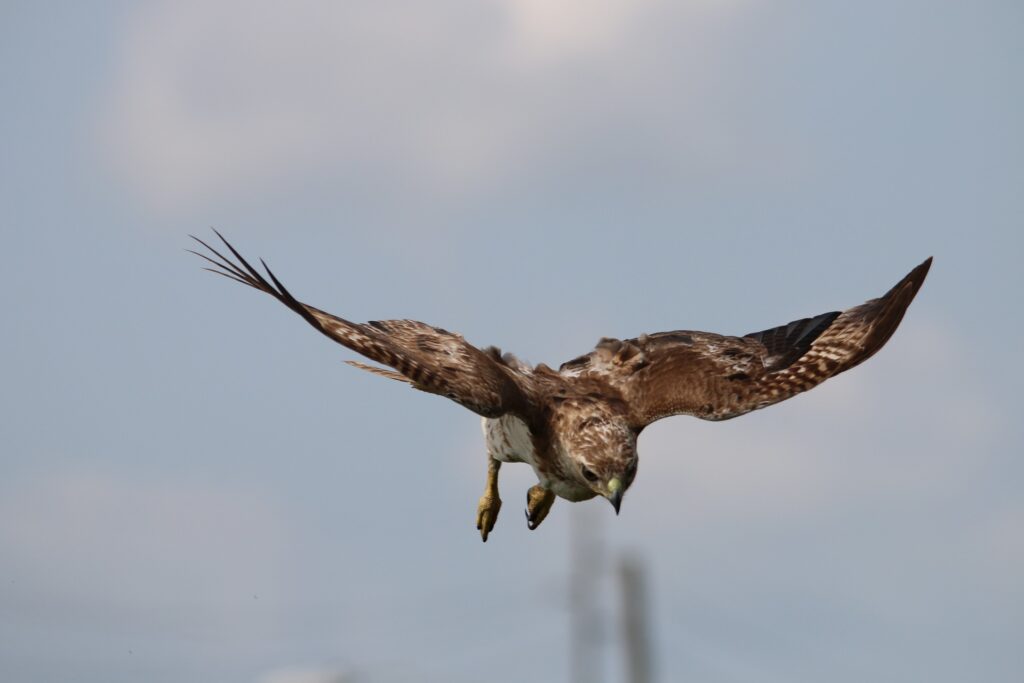
To initiate the tracking process in falconry radio telemetry, I activate the transmitter and establish a connection with the receiver. Once the transmitter is activated, it starts emitting radio signals that contain valuable information about the bird’s location. The receiver, which is equipped with an antenna, picks up these signals and converts them into audible beeps or visual cues on the display screen.
To accurately track my bird, I always adjust the receiver’s settings to match the frequency and code of the transmitter. This ensures that the receiver is tuned to the specific signal emitted by the transmitter attached to the bird. Once the connection is found, it will start tracking the bird’s movements.
As I move closer to the bird, the receiver becomes more sensitive to the signals, allowing me to pinpoint its exact location. The receiver’s display screen provides real-time information about the bird’s position, distance, and direction. This enables me to navigate through different terrains and obstacles, ensuring that I can locate the bird even in challenging conditions.
Over the years, radio telemetry has evolved into an essential tool for modern falconers, providing a safe and efficient way to track and monitor their birds. It not only enhances the overall experience of falconry but also plays a crucial role in bird conservation efforts.
Frequently Asked Questions
How Much Does a Falconry Radio Telemetry System Cost?
- A falconry radio telemetry system typically costs around $200 to $1000. It is an essential tool for tracking and monitoring falcons during flights, providing accurate location data for effective management and training.
Can Radio Telemetry Systems Be Used for Other Types of Birds or Animals?
- Yes, radio telemetry systems can be used for a variety of birds and animals. They provide vital data on movement patterns, habitat use, and behaviour, aiding in conservation efforts and scientific research.
What Is the Range of a Typical Falconry Radio Telemetry System?
- The range of a falconry radio telemetry system can vary depending on the transmitter and receiver used, as well as environmental factors. On average, most systems have a range of 1-2 miles, but some advanced systems may have a range of up to 100 miles or more.