

Falconry training lures are an essential tool in the process of training a falcon to hunt. They simulate prey and encourage the birds to chase and catch them, helping to hone their hunting skills and instincts. There are different types of lures available for falconers, each with its own purpose and benefits. In this article, we will discover the many different types of falconry training lures and their purpose.
List of training lures for falconry:
When training falcons for falconry, the use of training lures is an essential tool in fostering the development of their hunting skills. Training lures are designed to mimic the movement and appearance of prey, enticing the falcon to pursue and capture them. My lures are typically made of natural materials such as feathers, fur, or leather and are attached to a line or string for the falconer to manipulate.
By using training lures, we can simulate real hunting scenarios, allowing the falcons to practice their hunting techniques in a controlled environment. I’ve noticed that this helps to build their confidence, agility, and accuracy when hunting.
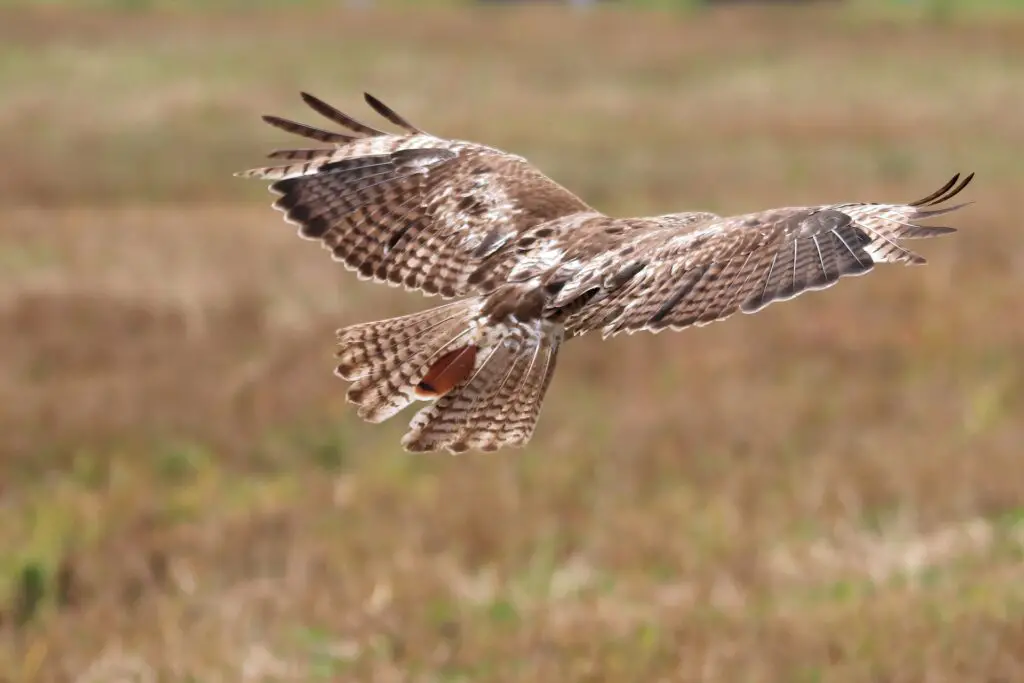
Falconry Rabbit Lure
A popular type of training lure that I have used in falconry is the falconry rabbit lure, which mimics the movement and appearance of a rabbit to train falcons in hunting skills. These lures are essential in teaching falcons how to effectively pursue and capture their prey. The falconry rabbit lure consists of a realistic rabbit-shaped decoy attached to a line, which is manipulated by the falconer to imitate the erratic movements of a fleeing rabbit. This not only helps develop the falcon’s agility and speed but also enhances its ability to track and intercept moving targets. The falconry rabbit lure is an invaluable tool for training falcons, as it allows them to hone their hunting instincts and prepares them for successful hunts in the wild.
| Pros | Cons |
| Mimics realistic prey | Requires skillful manipulation |
| Improves agility and speed | Can be time-consuming |
| Enhances tracking and intercepting skills | May not work for all falcons |
| Prepares falcons for successful hunts | Limited to simulated hunting scenarios |
| Facilitates training and conditioning | May not replicate real-life hunting conditions |
Falconry Lure Line
The falconry lure line serves as a crucial tool for falconers, allowing us to control the movement and direction of the lure during training sessions.
Here are three sub-lists outlining the key aspects of a falconry lure line:
- Material: Most falconry lure lines are made of materials that are durable and lightweight, such as nylon or polyester. These materials ensure that the lure line is strong enough to withstand the force exerted by the falcon while being light enough to avoid hindering its flight.
- Length: The length of the lure line is typically around 15 to 20 feet, providing enough distance between the falconer and the lure for safe training sessions. This length allows the falconer to maintain control while giving the falcon enough freedom to chase and capture the lure.
- Attachment: Falconry lure lines often come with a swivel attachment at one end, which allows for smooth rotation and prevents tangling. This attachment is crucial in ensuring that the falcon can freely manoeuvre without any hindrance or entanglement.
Shortline lure
A short line lure typically consists of a short line, usually around 10 to 15 feet, attached to a lure. This type of lure allows for greater control over the falcon’s movements and enables the falconer to guide the bird more effectively.
The shorter line reduces the risk of tangling or entanglement during flight, ensuring the safety of both the falcon and the falconer. Additionally, the shorter line allows for quicker and more accurate corrections, as the falconer can swiftly change the direction or speed of the lure to reinforce desired behaviours.
The use of a shortline lure is a valuable tool in the training process, enabling falconers to achieve greater precision and control over their falcons.
Long Line Lure
A long line lure is a valuable tool in falconry training, offering several benefits that aid in the development and conditioning of falcons. Here are three ways that a long-line lure can enhance falcon training:
- Extended flight training: By using a long line lure, falconers can extend the flight distance of the falcon, allowing for longer and more intense training sessions. This helps the falcon build stamina, endurance, and agility.
- Targeting accuracy: The long line lure provides a visual target for the falcon to focus on during flight training. This helps improve the falcon’s targeting accuracy and precision, which is crucial for successful hunting.
- Reinforcement of recall: The long line lure serves as a reinforcement tool for recall training. By practising recalls with the lure, falcons learn to associate returning to the falconer with a positive reward, strengthening their recall response.
Pole Lure
A pole lure is a fundamental tool that I use for training to simulate natural prey movement and stimulate a falcon’s hunting instincts. It consists of a long pole with a lure attached to the end, typically made of feathers or fur. The lure is made to mimic the movements of a small animal that a falcon would typically hunt in the wild.
By using a pole lure, falconers can train their birds to chase and capture the lure, helping them develop the necessary skills for hunting in the wild. This type of training also allows falconers to assess the bird’s hunting abilities and adjust their training methods accordingly.
Balloon lure
The balloon lure is a unique training tool that simulates the flight of the quarry, captivating the falcon’s attention and honing its hunting skills.
Made of durable materials like latex or Mylar, the balloon lure is designed to withstand the force of a falcon’s strike and can be filled with helium for buoyancy. The size and colour of the balloon lure can be adjusted to imitate different prey species, making it a versatile tool for training various hunting techniques.
Kite Lure
By mimicking the movement of birds, the kite lure provides a realistic target for the falcons to pursue and capture. I have made this lure out of lightweight materials such as fabric or plastic and thereafter attach it to a long string or line, allowing me to control its flight path. The kite lure is flown in a circular or zigzag pattern, imitating the erratic movements of prey animals. This challenges the falcons to adjust their flight and hunting strategies, improving their agility and hunting instincts. The table below provides a comparison of different types of falconry training lures that I use, including their materials, flight patterns, and purposes.
| Lure Type | Materials | Flight Pattern | Purpose |
| Balloon Lure | Rubber or latex balloon, attached to a line | Drifting or floating motion | Simulate the behavior of small mammals or birds |
| Kite Lure | Lightweight fabric or plastic, attached to a line | Circular or zigzag pattern | Imitate the flight patterns of birds |
| Dummy Lure | Feathered or furred object, attached to a line | Erratic or evasive movement | Teach falcons to pursue and capture prey |
| Winged Lure | Feathered wings attached to a line or pole | Flapping or gliding motion | Train falcons to recognize and intercept flying prey | |
| Drone Lure | Remote-controlled drone with a bird-like appearance | Various flight patterns | Introduce falcons to the presence of technology and prepare them for hunting in urban environments |
Using a variety of falconry training lures, including the kite lure, allows me to create diverse hunting scenarios and expose my falcons to different prey-hunting skills. This comprehensive training approach helps me develop my birds’ hunting skills and adaptability, ensuring they are well-prepared for successful hunting.

Swing lure
This type of lure is designed to mimic the movement of prey, capturing the attention of the bird and engaging its natural hunting instincts.
Here are three key benefits I’ve picked up on when using a swing lure:
- Realistic Movement: The swing lure swings back and forth, imitating the erratic flight patterns of small game animals. This realistic movement helps the falcon develop its agility and precision in mid-air attacks.
- Focus and Tracking: The swinging motion of the lure encourages the falcon to stay focused and track its target. This enhances the bird’s ability to maintain visual contact with prey during high-speed pursuits.
- Response and Recall: By using a swing lure, falconers can train falcons to respond to specific signals and return to them promptly. This is crucial for effective falconry, as it ensures that the falcon will reliably return to its handler after a successful hunt.
Incorporating a swing lure into falconry training sessions allows falconers to create a dynamic and realistic hunting experience for their birds, ultimately improving their hunting skills and overall performance.
How to use a training lure?
Here’s how I use a training lure effectively:
- Choose the right lure: Select a lure that closely resembles the prey the bird will hunt in the wild. This will increase the bird’s interest and motivation during training.
- Start with short flights: Begin by tossing the lure a short distance and gradually increase the distance as the bird becomes more proficient. This helps build the bird’s confidence and stamina.
- Vary the movements: Move the lure in different patterns to mimic the erratic movements of prey. This will keep the bird engaged and improve its hunting skills.
Why are training lures important?
Training lures play a crucial role in falconry by simulating the movement and behaviour of prey, enhancing the bird’s hunting skills and overall training effectiveness. These lures are important because they provide a safe and controlled place for the bird to practice and hone its hunting instincts.
By using training lures, falconers can teach their birds to focus on specific prey species, improve their accuracy in striking targets, and develop strategies for capturing prey. Additionally, training lures help build the bird’s muscle strength and endurance, as they require the bird to chase and capture the lure during training sessions.
Frequently Asked Questions
What Are the Different Materials Used to Make Training Lures for Falconry?
- There are various materials used to make training lures for falconry. They include leather, fur, feathers, and even synthetic materials. Each material has its own purpose and advantages in attracting and stimulating the falcon during training sessions.
Are There Any Specific Training Techniques Associated With Using a Falconry Rabbit Lure?
- I love using the falconry rabbit lure in my training sessions. It’s a fantastic way to simulate hunting and keep my falcon engaged. The lure’s realistic design and movement make it an effective tool for teaching hunting techniques.
How Long Should the Lure Line Be for Effective Falconry Training?
- I find that the length of the lure line for effective falconry training depends on various factors, such as the bird’s training level, environment, and specific training goals.
Can a Short Line Lure Be Used for Training Birds of Prey Other Than Falcons?
- A shortline lure may be suitable for training various birds of prey, not just falcons. However, it’s crucial to consider the specific species and their training needs. Consulting with an experienced falconer is always wise.
Are there any safety precautions to keep in mind when using pole or balloon lures in flight training?
- When using pole lures or balloon lures in falconry training, it is important to keep safety precautions in mind. These include ensuring a secure attachment, maintaining a safe distance, and using appropriate protective gear to prevent accidents or injuries.