

Falconry is an ancient practice that requires various specialized equipment to ensure the safety and effectiveness of training, handling, and caring for birds of prey. Knowing the right gear is essential whether you’re a beginner or an experienced falconer.
This list of equipment for falconers covers some of the key items used in falconry, from anklets to telemetry. These help falconers maintain control, monitor bird health, and ensure a smooth training process.
Falconry Equipment list
- Aba: An aba is a traditional garment worn by falconers to protect their arms from sharp talons. Made of thick leather or heavy canvas, it extends from wrist to elbow, offering protection during handling and training.
- Anklets or bracelets are leather straps placed around a bird’s legs for identification tags and attaching jesses (used for handling). They come in different sizes and can include the falconer’s contact info.
- Bal Chatri (BC): The Bal Chatri, also known as the Indian Hawk Trap, is a traditional trap used to catch birds of prey for training. It consists of a wire cage with a trap door and bait inside. When the bird enters to eat the bait, the door closes on its legs.
- Block perch: A block perch is a portable and adjustable stand used to tether birds of prey during training. It usually consists of a wooden or metal base, a vertical post, and a horizontal platform (called a block) where the bird can perch.
- Bow perch: Unlike a block perch, a bow perch is fixed and not adjustable. Its curved shape (hence the name) allows birds of prey to stand comfortably while being tethered. Bow perches are typically made of wood or metal.
- Bow net: A bow net is a large net used to capture birds of prey during training or hunting. Its frame is made of flexible rods that can be bent into an arc shape, and mesh netting is attached to it. When triggered, the frame snaps back into its original shape, trapping the bird inside.
- Brail: A brail is a looped string or cord used to restrain the bird’s wings during training. It prevents the bird from flying away while still allowing it some freedom of movement.
- Braces: Braces are metal or leather strips that attach to the anklets and are used to tether birds during training. They can also secure birds’ feet while inspecting or treating them.
- Button (also called knurl): A button is a metal or plastic knob placed on the end of jesses to prevent them from slipping out of anklets. They should be smooth and rounded to avoid injury.
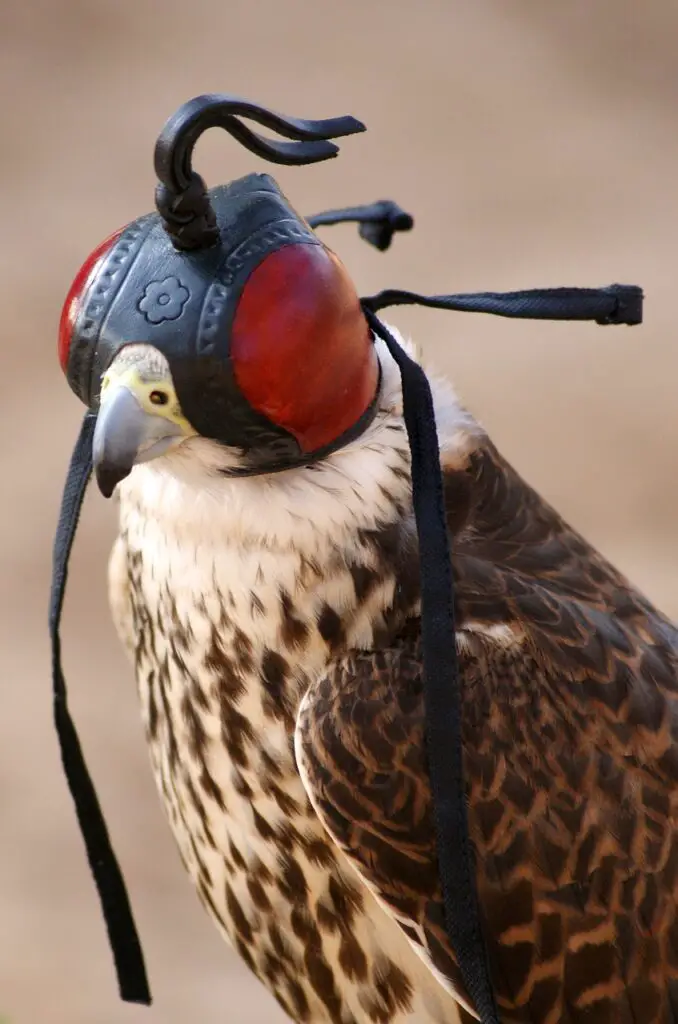
- Dho-Gazza: A Dho-Gazza is a traditional hood used to cover the bird’s head and eyes during transport or resting. It can be made of leather, cloth, or other materials and should fit snugly but comfortably.
- Hood for raptors: A specialized covering placed over a bird’s head to keep it calm and stress-free, particularly during transport or handling. Reduces visual stimuli to help maintain the bird’s focus.
- Halsband (also called jangoli): A halsband, also known as a leg leash, is a small cord attached to the anklets and used for tethering birds during training. It allows the bird some freedom of movement while ensuring it doesn’t fly away.
- Hawk Box: A hawk box is a portable, ventilated wooden or metal box used to transport birds of prey safely. It typically has a handle for carrying and may have compartments for storing equipment.
- Jesses or braided jesses: Durable leather or synthetic straps attached to a bird’s legs, allowing the falconer to handle and control the bird effectively during training and flights.
- Jess Extender: A small metal or plastic piece that connects two jesses together, extending the length for a better fit. Typically used when switching birds from glove to perch.
- Swivels: These are small but essential components that prevent the jesses from tangling when the bird is tethered, ensuring its safety and comfort.
- Leash: A strong, secure cord used to tie the bird to a perch or falconer’s glove, providing control and preventing unintended flight.
- Mangalah (also called mankalah): A cuff often used as a substitute for a gauntlet in the Middle East, occasionally referred to as mankalah.
- Glove/Gauntlet: A thick, protective falconry glove worn by the falconer to shield their hand and forearm from sharp talons during handling and while the bird perches.
- Perch (Block/Bow): A stable and comfortable resting spot for the bird when tethered, often designed with padded or sanded surfaces to protect the bird’s feet.
- Ring perch: A ring perch is a falconry training tool shaped like a large metal ring with a leather or wooden perch attached to it. It is used for luring and encouraging the bird to perform specific behaviors.
- Screen perch: A screen perch is a flat, rectangular platform with an adjustable screen on one side. It can block the bird’s view or provide visual stimuli during training.
- Lure: A training tool designed to mimic prey, used to exercise or teach the bird hunting techniques. Usually made of leather or other materials, often paired with food rewards.
- Telemetry System: A tracking device attached to the bird to monitor its location during free flights, providing extra safety and peace of mind for the falconer.
- Mew: A secure and spacious enclosure designed specifically for housing birds of prey, offering protection and a controlled environment.
- Creance: A long training line used to give the bird controlled freedom during flight practice, gradually building its confidence and skill.
- Bathing Pan: A shallow container filled with water, allowing the bird to bathe and maintain its feathers, which is crucial for its health and hygiene.
- Bells: Small bells attached to the bird’s legs to help the falconer track its movements by sound, especially when the bird is out of sight.
- Scales: Precision scales are used to monitor the bird’s weight, a critical aspect of its health management and training regimen.
- Knife/Game Shears: These are essential tools for preparing food or processing prey, ensuring the bird’s meals are appropriately portioned and ready.
- Block & Tackle: A lifting system used for handling heavy equipment or prey during falconry activities, making tasks more manageable.
- Aylmeri Anklets: Comfortable and secure leg straps made of leather or synthetic materials, designed for attaching jesses while protecting the bird’s legs.
- Varvels or Bands: Small metal rings used for identification or to connect the jesses, often engraved with the falconer’s details.
- Falconry Bag: A functional bag designed to carry tools, food, and essentials during outings, keeping everything organized and easily accessible.
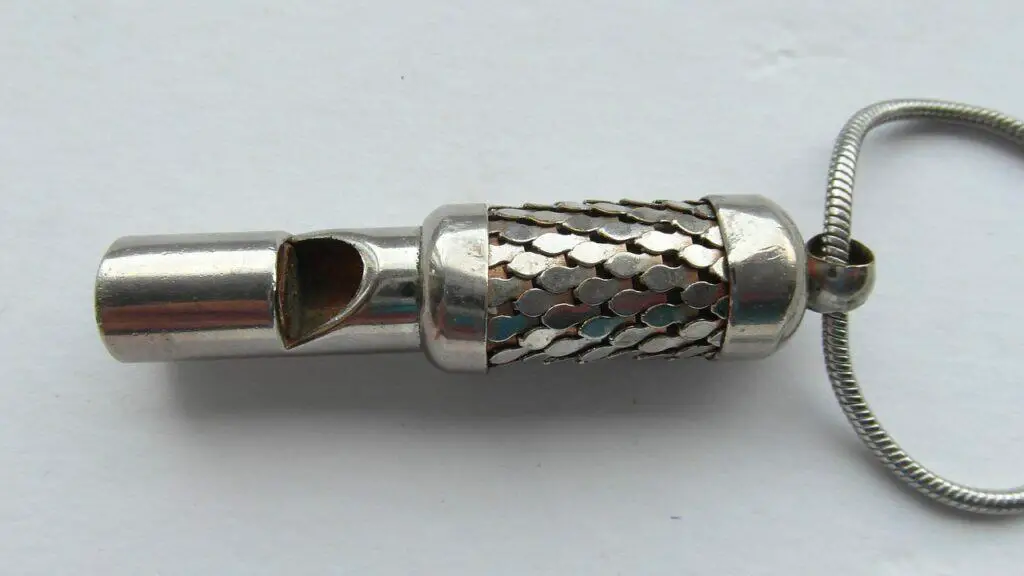
- Lanyard: A strap or cord used to secure small tools like whistles, ensuring they are always within reach during training or handling.
- Hawk Furniture Kit: A comprehensive set of gear, including essentials like hoods, jesses, swivels, and other equipment for equipping and managing the bird.
- Training Dummies: Artificial prey models are used for training purposes, helping the bird develop hunting skills and practising striking techniques.
- Artificial Prey: A training aid designed to imitate the look and behaviour of real prey, helping birds hone their hunting instincts.
- Cadge: A portable frame used to transport multiple birds safely and comfortably over long distances.
- Chaps: Protective leg coverings made of leather or other sturdy materials worn by birds to prevent scratches and bites during hunting, training, and handling.
- Bewits: Small straps used to attach bells or identification tags to the bird’s legs, ensuring they remain secure during activities.
- Imping Kit: A specialized kit for repairing damaged feathers, ensuring the bird maintains optimal flight performance.
- Coping Tools: Tools used to trim and maintain the bird’s beak and talons, preventing overgrowth that could affect its health or performance.
- Leather Punch: A tool for shaping and cutting leather materials, such as jesses or anklets, to ensure a precise and comfortable fit.
- Bating Line: A secure tether designed to manage sudden flight attempts, keeping the bird safe and under control.
- Mute Catcher: This is a practical tool for collecting bird droppings, making cleanup easier, and maintaining hygiene.
- Casting Jacket: A specially designed jacket worn to safely restrain the bird during handling or medical inspections.
- Casting Gloves: Thick gloves used to protect the handler’s hands when restraining or managing the bird during training or grooming.
- Tail Guard: A protective cover designed to shield the bird’s tail feathers from damage during transport or tethering.
- Anklet Spacers: Small inserts are used to prevent the bird’s jesses from rubbing or causing leg injuries.
- Quail Holder: A secure holder for quail or other prey, ensuring the meal remains stable and accessible during feeding.
- Meat Tubes: Convenient storage containers for carrying pre-portioned meat, making feeding on the go easier.
- Swing Lure: A lure designed for swinging motions to simulate moving prey, enhancing the bird’s hunting reflexes during training.
- Live Lure Harness: A harness used to secure live prey for advanced training exercises, teaching the bird to hunt real targets.
- Strike Perch: A specialized training perch designed to teach birds accurate prey-hitting techniques.
- Flight Restraint System: A tethering system that limits the bird’s flight range for safety during early training stages.
- Weighing Perch: A perch integrated with a scale allows the bird to be weighed comfortably and accurately.
- Hood Stand: A small stand used to store hoods, keeping them clean, organized, and ready for use.
- Training Pole: A long pole used during training to build the bird’s strength and agility by encouraging flight or strikes.
- Wind Dummy: A lightweight dummy used for training birds in wind-related flight scenarios, building their skills in challenging conditions.
- Field Knife: A versatile knife used for preparing food, processing prey, or handling tasks during outdoor falconry activities.
- Spur Covers: Protective covers placed over the bird’s spurs to prevent injuries to its legs or handlers.
- Tethering Ring: A durable ring secures the leash to a perch or glove, ensuring the bird’s safety while tethering.
- Hooding Block: A block used by falconers to shape and maintain hoods, ensuring a proper fit for the bird.
- Hooding Stick: A tool used to safely and easily place the hood on a bird, reducing stress during the process.
- Crop Bra: A lightweight band placed around the bird’s crop to prevent overeating and aid in portion control during feeding.
- Falconry Vest: This is a specialized vest designed with multiple pockets, making it easy to carry and access equipment during fieldwork.
- Yagi: The Yagi is the hand-held antenna receiver portion of telemetry used in falconry. It allows falconers to track their birds using a transmitter worn by the hawk, enhancing the ability to locate them during hunts or if they go astray.
Understanding and utilizing the proper equipment is crucial for any falconer. With the right tools, you can ensure the bird’s safety and your training’s success. As you continue in your falconry journey, investing in quality gear will make all the difference in building a strong, trusting relationship with your bird of prey.
Ready to Master Your Falconry Skills?
The right equipment is just the beginning. Dive deeper into the fascinating world of falconry by exploring more about bird behavior, training techniques, and the best practices for caring for your bird of prey. Whether you’re just starting or looking to refine your skills, learning more about the art of falconry will take you one step closer to success.
Explore more topics in falconry now!