
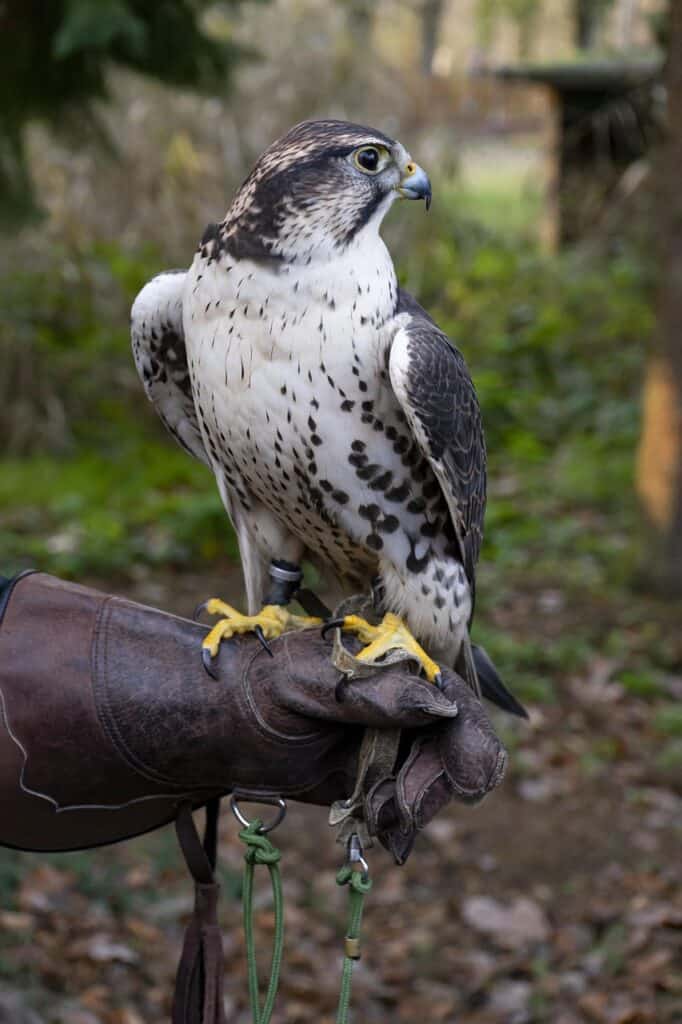
Falconry gloves, often referred to as gauntlets, are essential tools for any falconer. These gloves provide the protection necessary when handling powerful raptors while also serving as a stable perch for the bird. Having used various gloves myself, I can attest to the importance of choosing the right one, as it significantly impacts your safety and handling experience.
What is a Falconry Glove?
A falconry glove is a heavy-duty piece of equipment, typically made of leather, designed to shield your hand and arm from the sharp talons of birds of prey. Whether you’re working with a small kestrel or a formidable eagle, the glove acts as a barrier between you and the bird while allowing you to manage the raptor comfortably.
Key Features of Falconry Gloves
- Material
- Most gloves are made from durable leathers like cowhide, elk hide, or deer hide. From personal experience, elk hide strikes an excellent balance between toughness and flexibility, making it my go-to choice for medium to large birds.
- Length
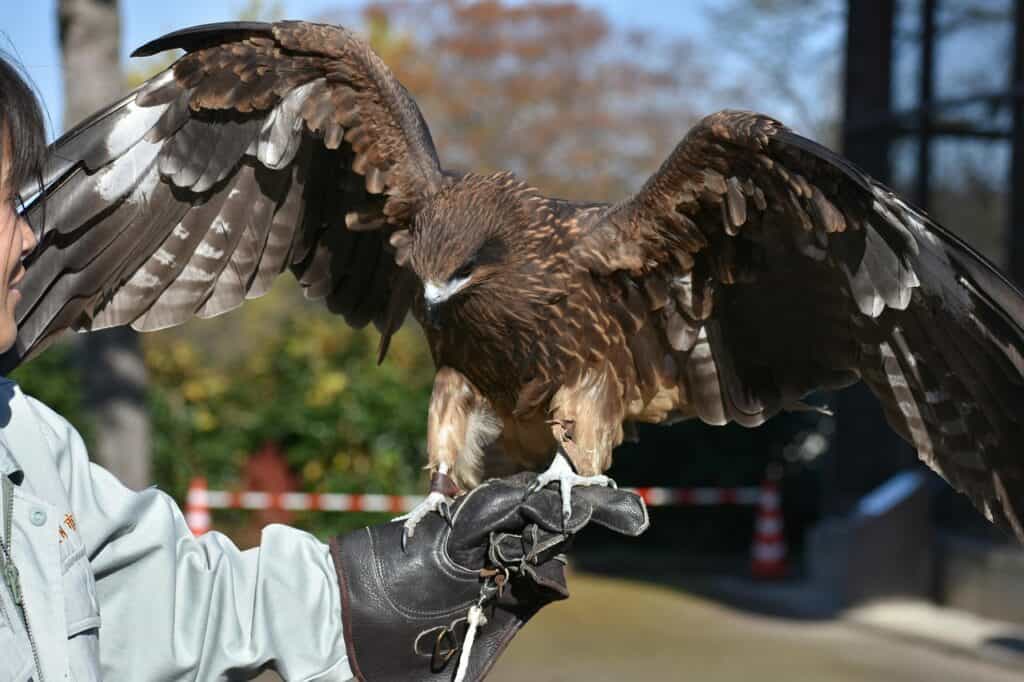
- Gloves range from wrist-length to elbow-length. A shorter glove suffices for falcons or smaller hawks, but when I’ve worked with larger species like buzzards, a longer gauntlet has been essential for protecting my forearm.
- Reinforcement
- Birds of prey can exert incredible pressure with their talons. Gloves with double layers in key areas (like the palm) offer added protection. I’ve learned the hard way that skipping this feature can lead to uncomfortable scratches or bruises.
- Attachment Points
- D-rings or loops allow you to attach jesses or leashes. I’ve found gloves with well-placed attachment points especially helpful during training sessions.
Choosing the Right Glove
Here are some factors to consider when selecting a falconry glove:
- Bird Size
- Larger birds like eagles require heavy-duty, longer gloves, while smaller raptors like kestrels can be handled with lighter ones.
- Comfort and Fit
- A glove that’s too tight can make handling difficult, while one that’s too loose may compromise control. I’ve always preferred gloves with a snug but flexible fit, as they make extended use much easier.
- Climate
- If you fly your bird in colder regions, a lined glove can be invaluable. During one particularly cold winter, my fleece-lined gauntlet saved both my hand and my bird-handling experience!
Maintaining Your Falconry Glove
To ensure longevity, follow these care tips:
- Cleaning
- After every session, I wipe down my glove with a damp cloth to remove dirt and debris. Avoid soaking the leather, as this can weaken it over time.
- Conditioning
- Applying a leather conditioner every few months keeps the material soft and prevents cracking. Beeswax-based products have worked best for me.
- Storage
- Store your glove in a cool, dry place away from sunlight. During my early falconry days, I left a glove in direct sunlight and learned the hard way how quickly leather can dry out and crack.
- Regular Inspections
- Always check for signs of wear, particularly in reinforced areas. Over time, even the toughest gloves may need replacing.

The Historical and Practical Significance
Beyond practicality, falconry gloves represent a deep connection to the sport’s history. Traditional gauntlets were often adorned with ornate designs to reflect the falconer’s status. Modern gloves, while more functional, still carry this sense of tradition.
Final Thoughts
Falconry gloves are indispensable for both protection and handling. A good glove not only safeguards your hand but also builds trust with your bird, as it provides a comfortable perch. Invest in quality and care for your glove, and it will serve you well for years to come.
When you’re ready to purchase, I highly recommend starting with trusted retailers like Western Sporting or Lammermuir Falconry. These vendors have consistently delivered gloves that meet the demands of serious falconers like myself.
Ready to take your falconry experience to the next level?
Explore our recommended suppliers and find the perfect falconry glove that meets your needs and exceeds your expectations. Don’t settle for anything less than exceptional quality and durability. Get started on your falconry journey today!
Recommended Places to Buy Falconry Gloves
Finding a reliable supplier is just as important as selecting the right glove. Here are some tried-and-tested options:
- Western Sporting– A personal favorite of mine for their wide range of high-quality gloves. They cater to all raptor sizes, and their elk-hide options are incredibly durable.
- Mike’s Falconry Supplies– Based in the U.S., Mike’s Falconry Supplies has gloves for every budget. Their reinforced designs are great for larger birds, and their customer service is excellent.
- Amazon – While these platforms can be hit or miss, I’ve occasionally found decent mid-range gloves here. Just be sure to check reviews carefully before buying.