Falconry Hooding Block


What is it?  

A hooding block is a specialized tool used in falconry to aid in the process of hooding a falcon. It provides a stable and steady surface, ensuring the bird remains calm and secure while the hood is gently placed and adjusted onto its head. This tool is particularly useful for new falconers or when handling more restless birds, as it helps create a safe and efficient environment for both the falcon and the handler.

How does it work?  

A rough cylindrical block is grasped by the falconer while they gently fit the hood onto the bird’s head. It ensures a quick and smooth action without unnecessary stress.
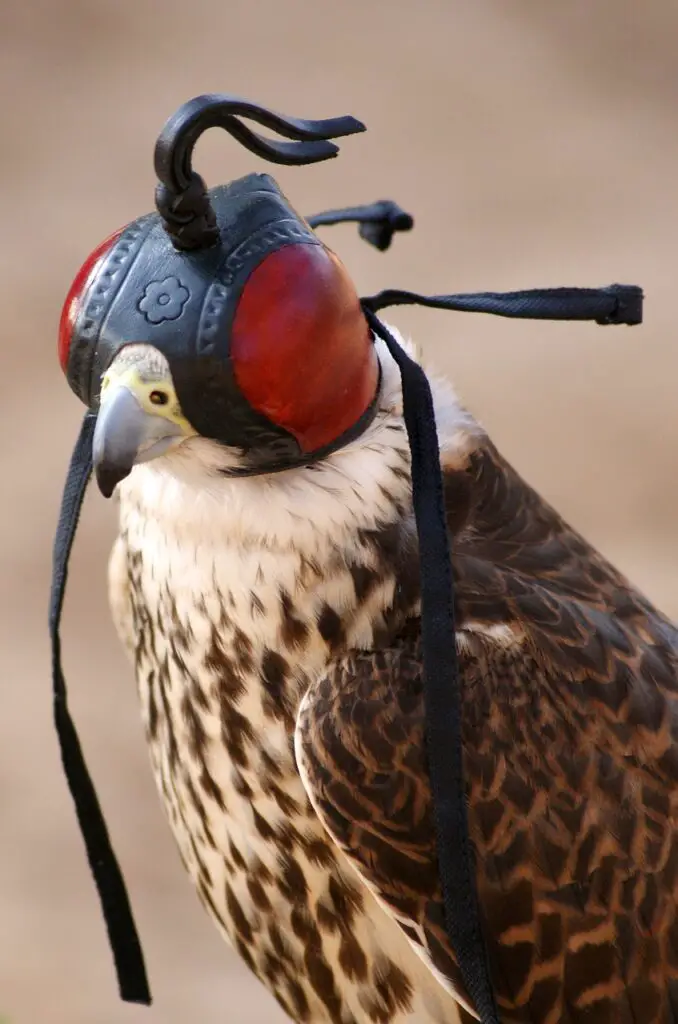
Close-up of a falcon wearing a traditional red-eyed hood used in falconry.

Tips and Recommendations:  

Ensure the block includes texture for proper handling of stable surfaces. Always add precise angle declension.  

Conclusion:

A hooding block is a practical tool in falconry, offering stability and control when holding a falcon. Providing a secure surface helps reduce stress for both the bird and the handler, making the process smoother and more efficient.

Want to refine your falconry skills? Discover more tools and techniques that enhance handling and training, from hooding strategies to essential gear. Explore our latest resources to deepen your knowledge and improve your falconry experience!

rick

Welcome to my falconry website! My name is Richard, and I have been practising the art of Falconry for over 15 years. My fascination with birds of prey began at a young age when I visited a falconry sanctuary as a kid. The experience was truly captivating, and from that moment on, I knew I wanted to learn more about these majestic birds. So my dad and I started to adventure towards the possibility of one-day becoming falconers, and that's how my journey in Falconry began. I find birds of prey to be remarkable at hunting prey. Their strength, speed, and intelligence are truly remarkable, and I've always been fascinated by the relationship between a falconer and their bird. The first bird I started my falconry journey with was a Harris Hawk, as I knew these were the easiest birds to start with. Unfortunately, I lost my Harris Hawk during the early days of training, which was devastating. However, this loss only made me want to try harder and do better in perfecting the art of Falconry to ensure I never lose a bird. Over the years, I have mentored many apprentice falconers and shared my knowledge and skills along the way. I have experience with a variety of birds, including different species of Hawks, Falcons, and Owls. Although my Best choice of bird to hunt with has always been my Peregrine falcon Jules. I have also worked with many experienced falconers and bird trainers, greatly expanding my knowledge and skill set while observing and learning. Unfortunately, due to a lack of information on the web, I struggled to find what I needed when I started in Falconry. Thus, I created this website to make learning about Falconry easier and faster for those interested. Now with the information and experience, I will provide throughout this site, understanding Falconry should be much easier than when I started out.

Recent Posts

Join Our Forum - Click Here

X