

Falconry is a time-honored practice that requires precision, patience, and the right tools. Among these tools, the falconry hood stands out as one of the most essential pieces of equipment. Designed to aid in the handling and training of birds of prey, the hood plays a crucial role in ensuring both the bird’s well-being and the falconer’s success. This guide explores everything you need to know about falconry hoods, from their purpose to how to choose the right one.
What is a Falconry Hood?
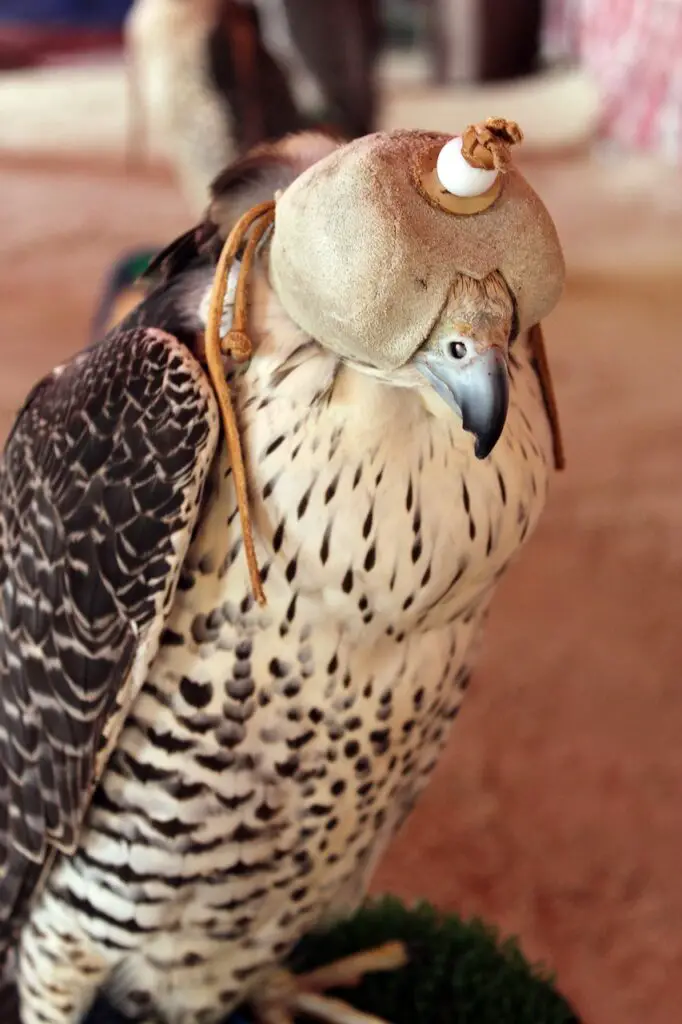
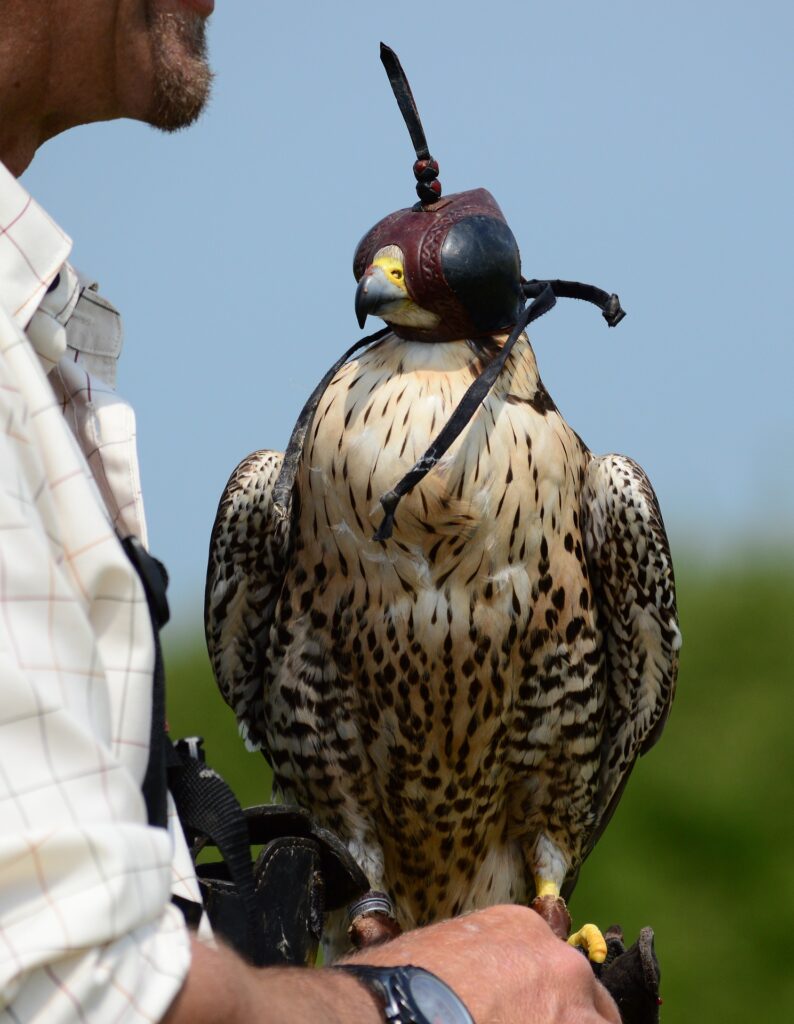
A falconry hood is a specially crafted cover that fits securely over a raptor’s head. Its primary function is to block the bird’s vision, helping to calm it in stressful or unfamiliar situations. Birds of prey have exceptionally keen eyesight, making them highly responsive to environmental stimuli. By limiting what the bird can see, the hood minimizes overstimulation and anxiety, fostering a more controlled environment.
The Purpose of a Falconry Hood
Hoods are indispensable for several reasons:
- Calmness and Focus: Whether during transport, training, or hunting, a hood helps keep the bird calm by shielding it from distractions.
- Stress Reduction: Hoods prevent sensory overload in noisy or crowded environments, ensuring the bird remains composed.
- Training Aid: A hood can help focus a bird’s attention during training, preventing it from becoming distracted by its surroundings.
Understanding a Falconry Hood
The craftsmanship of a hood is as important as its functionality. A quality hood typically consists of the following elements:
- Material: Most hoods are made from supple leather, ensuring durability and comfort.
- Fit: A well-fitted hood is snug but not tight, allowing the bird to breathe and move its head without discomfort.
- Style: Common designs include the Dutch hood, with its distinct shape and adjustable fit, and the Anglo-Indian hood, known for its lightweight and secure structure.
Each style offers unique advantages, and falconers often select a hood based on the specific needs of their bird.
Types of falconry hoods
Several types of falconry hoods are commonly used. These include the Dutch hood, the Anglo-Indian hood, and the Arabic hood. Each type has its own unique design and purpose, providing different levels of protection and visibility for the bird.
Dutch hood
The Dutch hood, a commonly used type of falconry hood, is designed to provide a secure and comfortable fit for the bird, ensuring optimal control during training and hunting sessions. It has been used for centuries and is still favored by many falconers today. While there are alternatives to the Dutch hood, its benefits include its ability to block the bird’s vision, reducing stress, and preventing distraction.
Anglo-Indian hood
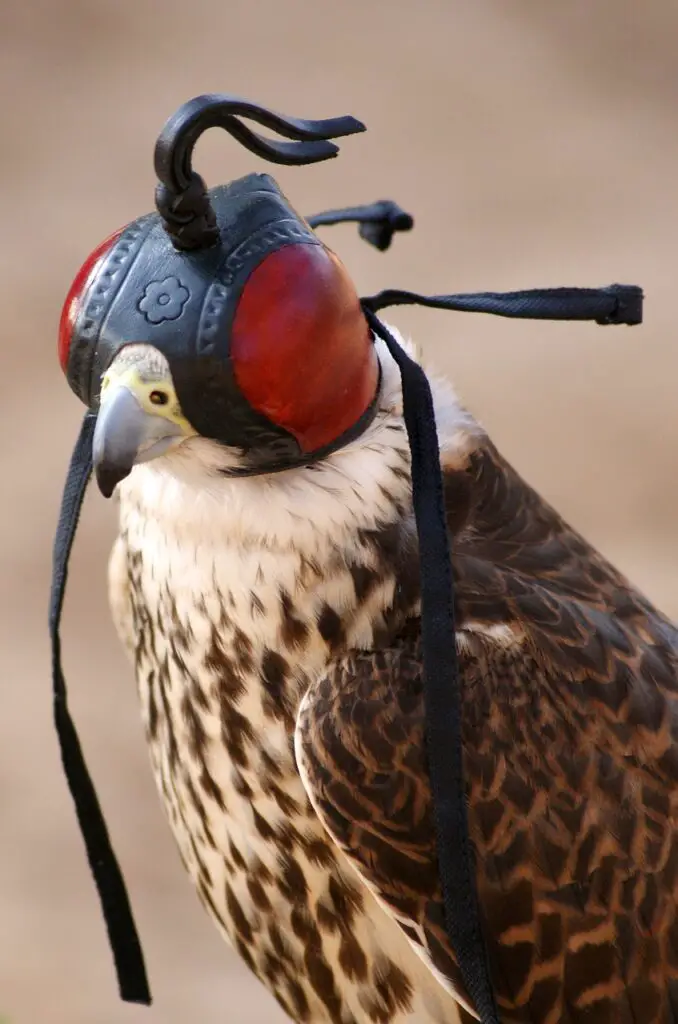
With its unique design and functional features, the Anglo-Indian hood is a popular choice among falconers for its effectiveness in training and protecting birds of prey.
- Anglo-Indian hood history: Developed during British colonial rule in India, it combines traditional Indian craftsmanship with European falconry techniques.
- Anglo-Indian hood design: It features a longer, tapered face opening, providing better visibility for the bird.
- Anglo-Indian hood materials: Made from high-quality leather, it offers durability and comfort for the bird.
- Anglo-Indian hood controversy: Some falconers argue that it greatly restricts the bird’s vision.
Compared to other hoods, the Anglo-Indian hood stands out for its historical significance, unique design, and choice of materials. However, the controversial aspect of vision restriction should be considered when selecting a hood for falconry.
Arabic hood
Moving on from the discussion of the Anglo-Indian hood, let’s now explore the Arabic hood, another significant type of falconry hood. The history of Arabic hoods in falconry dates back centuries, with their origins in the Middle East. These hoods are known for their unique design features, including a long, pointed brim and a large eye slit. Compared to other types of falconry hoods, Arabic hoods offer advantages such as better visibility and airflow, but they may also have limitations depending on the specific falconry needs. Additionally, Arabic hoods hold cultural significance in falconry traditions, representing the rich heritage of the Middle East.
Training Your Bird to Wear a Hood
Introducing a bird to a hood is a gradual process that requires patience and consistency. Begin by allowing the bird to examine the hood while associating it with positive reinforcement, such as treats. Once the bird is comfortable, practice placing the hood gently over its head for short periods, gradually increasing the duration. This process builds trust and ensures the bird’s acceptance of the hood as part of its routine.
When to Use a Falconry Hood
Falconry hoods are useful in a variety of scenarios:
- Transportation: Prevents agitation during travel by blocking the bird’s view of passing scenery and movement.
- Hunting: Keeps the bird focused and prevents premature flights toward prey.
- Veterinary Visits: Reduces stress during medical check-ups or procedures.
How to Choose the Right Hood
Selecting the right hood is essential for your bird’s comfort and your success as a falconer. Consider the following factors:
- Size: Ensure the hood fits your bird’s head snugly without causing pressure or irritation.
- Craftsmanship: Look for high-quality materials and meticulous stitching to ensure durability.
- Adjustability: Opt for a design with adjustable features, especially if your bird is still growing.
- Style: Choose a hood style that suits your bird’s temperament and activity level.
Caring for Your Falconry Hood
To extend the life of your hood, follow these care tips:
- Keep the hood clean and dry to prevent damage to the leather.
- Store it in a cool, dry place away from direct sunlight.
- Inspect it regularly for signs of wear and tear, replacing it as needed.
Conclusion
A falconry hood is more than just a tool—it’s an integral part of building trust and maintaining the well-being of your bird. By choosing the right hood and using it effectively, you can ensure a harmonious relationship with your raptor and enhance your falconry experience.
Ready to find the perfect hood for your bird of prey?
Take the next step in your falconry journey by investing in high-quality, well-crafted equipment from trusted suppliers like Mike’s Falconry Supplies and Western Sporting. These providers offer a range of expertly crafted hoods praised for their durability and comfort, ensuring the best experience for you and your bird.