
For centuries, falconry has embodied the intricate partnership between humans and birds of prey, blending tradition with skill and care. One of the key tools in this ancient practice is the jesses, a seemingly simple yet indispensable piece of equipment. In this guide, I’ll share what I’ve learned about jesses—their purpose, types, and tips for their effective use—to help both beginners and seasoned falconers alike.
What Are Jesses?
Jesses are lightweight straps or cords attached to a bird of prey’s legs, specifically around the tarsus. They serve as the falconer’s link to their bird, enabling safe handling and control during training, hunting, or transport. Traditionally, jesses were crafted from leather, such as kangaroo hide, due to its strength and flexibility. However, modern synthetic materials like paracord or braided nylon have gained popularity for their durability and resistance to wear.
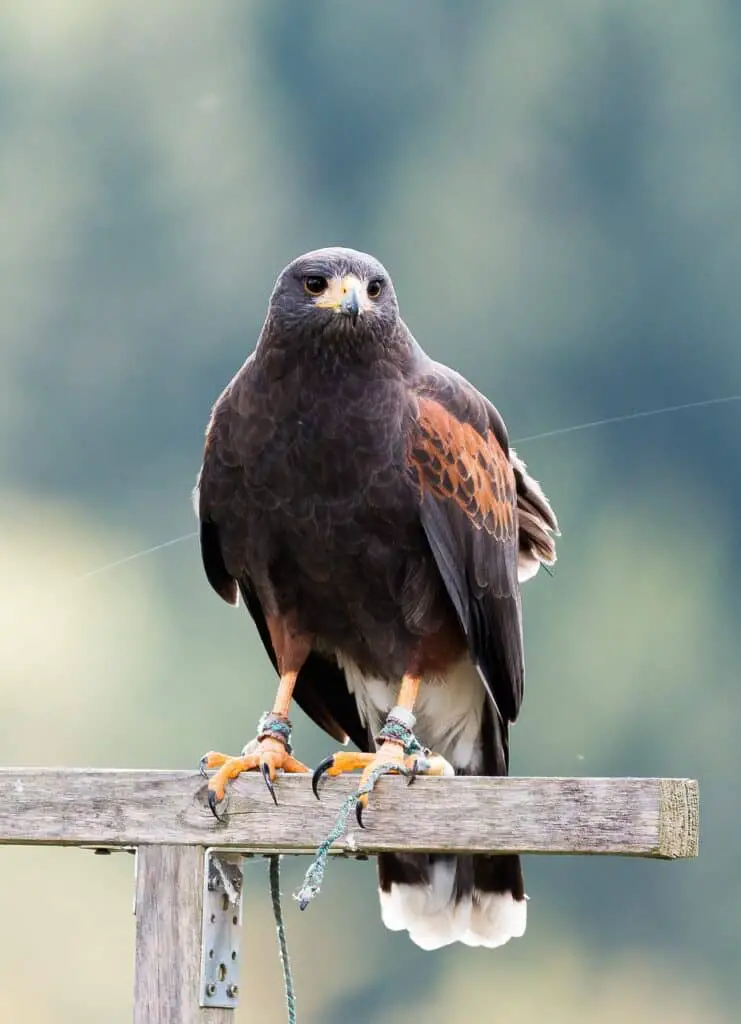
Jesses generally consist of two main components:
- The Anklets: Sturdy bands that encircle the bird’s legs, providing a base for attachment.
- The Straps: The extensions from the anklets that the falconer holds or connects to a swivel or leash.
This simple yet effective design ensures that the bird remains secure while retaining its natural range of movement.
Types of Jesses
There are various types of jesses available, each suited to specific situations and preferences:
- Traditional Jesses: A single piece of leather forming both the anklet and strap. While timeless, they can be less versatile than modern designs.
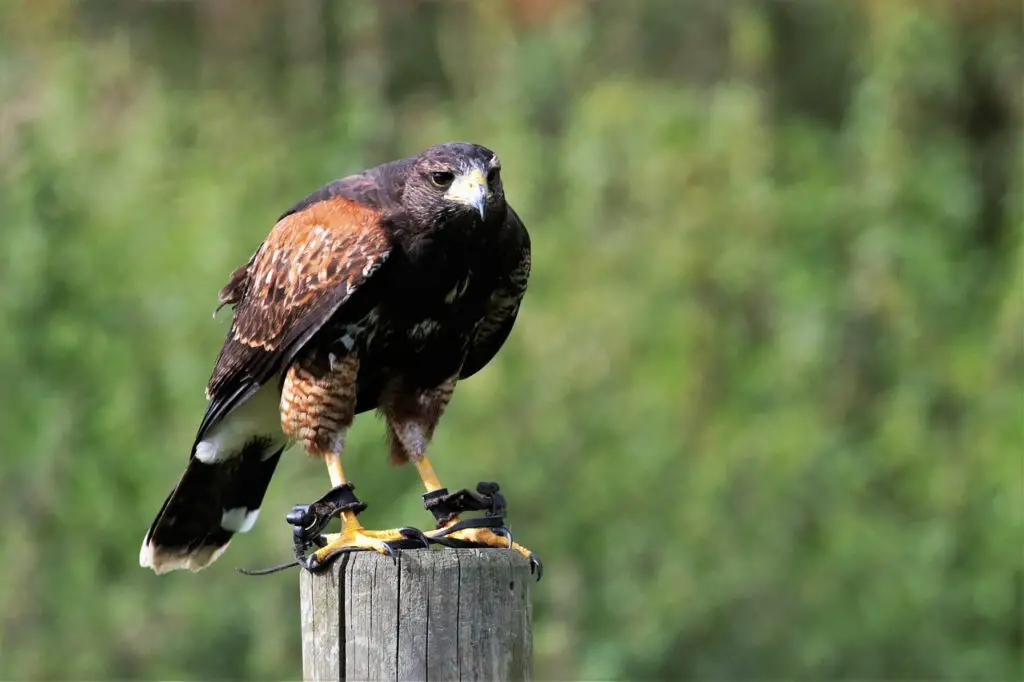
- Aylmeri Jesses: A two-part system consisting of separate anklets and removable straps. This design is widely favored for its convenience and adaptability.
- Flying Jesses: Shorter jesses used during free flight to reduce the risk of snagging on obstacles.
- Mews Jesses: Longer jesses ideal for securing a bird in its housing, known as the mews.
I remember when I first started falconry; deciding between these types felt overwhelming. Ultimately, I found that the Aylmeri style struck the perfect balance between functionality and ease of use for a beginner like me.
How Jesses Work
Jesses act as a secure tether, allowing falconers to maintain control over their bird without compromising its comfort or freedom. Here are their primary uses:
- Control on the Glove: Jesses enable the falconer to keep the bird safely perched on their hand.
- Tethering to a Perch: Birds can be securely fastened to a perch using jesses, ensuring they remain safe and stationary.
- Training Aid: During early training sessions, jesses act as a critical tool to encourage the bird’s trust and responsiveness.
Their simplicity belies their importance, as they serve as the foundation for many aspects of a falconer’s interaction with their bird.
Tips for Using Jesses
To ensure your bird’s safety and comfort, it’s vital to use jesses correctly. Here are some tips to guide you:
- Select the Right Material: Leather remains a traditional favorite, but I’ve found synthetic materials can be particularly useful in wetter climates. They’re less prone to stretching or rotting.
- Ensure a Proper Fit: Anklets should fit snugly around the bird’s legs without being too tight. Regularly check for signs of irritation or discomfort.
- Use a Swivel: Always attach a swivel between the jesses and leash to prevent tangling. This simple addition has saved me countless headaches.
- Maintain Cleanliness: Dirt and debris can accumulate on jesses, leading to potential skin irritation. Make cleaning a regular part of your routine.
- Inspect Frequently: Over time, jesses may show signs of wear or damage. Replace them promptly to ensure the safety of your bird.
Recommendations for Beginners
For those just starting their falconry journey, working with jesses can feel like a daunting task. Here are some recommendations:
- Practice First: Before handling a live bird, practice attaching and removing jesses on a model or dummy leg. This helped me gain confidence early on.
- Seek Expert Guidance: Reach out to experienced falconers for hands-on training and advice. Their insights can be invaluable.
- Consider Aylmeri Jesses: Their versatility makes them an excellent choice for beginners.
- Understand Local Laws: In some areas, regulations may dictate the type of jesses you’re allowed to use. Stay informed to avoid legal complications.
- Gradual Introduction: Allow your bird time to acclimate to wearing jesses. Start with short periods and gradually increase the duration.

Final Thoughts
Jesses are more than just tools; they’re a testament to the balance between control and freedom that defines falconry. Whether you’re a novice or an expert, mastering the use of jesses is essential for ensuring the safety and comfort of your bird while fostering a deeper connection.
Deepen Your Falconry Expertise
Jesses are just the beginning—falconry is a world full of fascinating techniques and tools. Whether you’re just starting out or looking to refine your skills, there’s always more to learn.
Check out our other guides on falconry training, equipment care, and expert tips. And if you’re looking for reliable falconry gear, we’ve had great luck over the years buying from [Mikes Falconry Supplies and Western Sporting]—they have everything you need to keep your bird safe and comfortable.