
Every piece of equipment plays a vital role in ensuring the bird’s and falconer’s safety and well-being. One such essential component is the swivel, a small but crucial device that prevents tangling and twisting of the leash or tether when the bird is active but not hunting, this helps to keep the bird safe. Over the years, I’ve come to appreciate just how indispensable this little piece of hardware is in maintaining a seamless and safe falconry experience.
What is a Swivel?
A swivel is a piece of hardware used between the leash and jesses (or jess extender) that keeps the leash and jesses from tangling while the bird is tethered. It consists of two parts that twist freely, each with a metal hoop on the end.
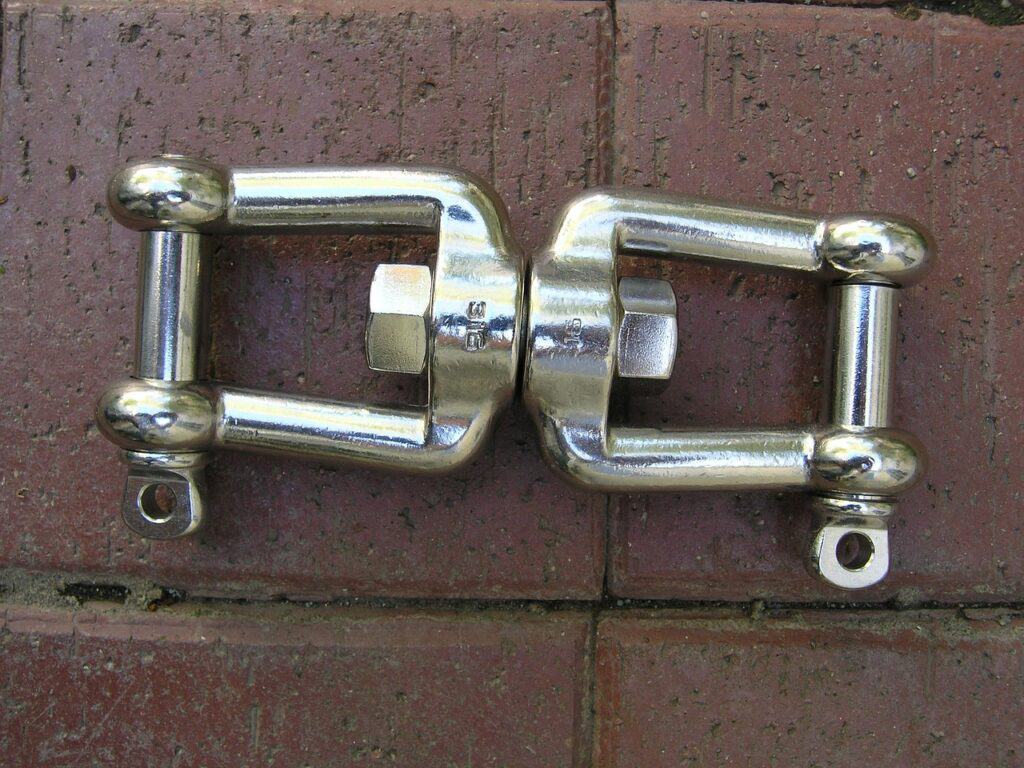
This simple yet effective design allows the bird to move naturally without risking entanglement. When I first started falconry, I underestimated the importance of this tiny tool, but it quickly became clear how essential it is for ensuring the bird’s comfort and safety.
Types of Swivels
Falconers have several options when it comes to swivels. Each type has its unique features and benefits, allowing you to choose the best fit for your species of raptor and style of falconry:
- Ball Bearing Swivels: Originally designed for deep-sea fishing, these swivels are built to withstand salt water, temperature changes, and tension. They’re easy to find, relatively inexpensive, and durable.
- Figure-8 Swivels: These feature an exposed mechanism where the swivel occurs. Some are made of titanium, which is lighter and less likely to tangle after a bird regains its perch.
- French Clip and Swivel: This type functions primarily as a clip that also swivels. It’s handy for quickly releasing a bird of the fist but shouldn’t be relied upon for weathering or as the only clip on a leash.
- British Swivels: Known for their reliability, these swivels are a popular choice among falconers.
- Traditional Leash: Typically made of leather, this leash is used to tether the bird while it’s on the fist. It can also be used for weathering or training.
For more on the different types of swivels, check out The Modern Apprentice.
How to Use a Swivel
Using a swivel correctly is essential to ensure its effectiveness:
- Attach the jesses from the bird’s anklets to one end of the swivel.
- Connect the leash to the other end of the swivel.
- Double-check all connections to ensure they are secure before allowing the bird to move freely.
I remember the first time I improperly attached a swivel; the leash tangled, and my bird’s movements were restricted. It was a quick lesson in the importance of attention to detail when handling this equipment.
Tips and Recommendations
Here are some practical tips to help you get the most out of your swivel:
- Regular Inspection: Frequently check your swivels for signs of wear or damage. Even a high-strength swivel can fail after prolonged use, especially if not properly maintained.
- Choose the Right Size: Match the swivel’s size and strength to your bird. A small swivel may not handle the stress of a large bird, while an oversized one could be cumbersome for smaller birds.
- Consider Weight: Lightweight materials like titanium are beneficial for smaller birds, reducing the overall weight of the setup.
- Keep Spares: Always carry extra swivels in your falconry kit. They’re easy to lose, especially in grass or rough terrain.
- Opt for Visibility: Brightly colored swivels or leashes are easier to locate if dropped during fieldwork.
- Proper Placement: Position the swivel to prevent the jesses or leash from getting trapped between the rings, which could lead to tangling.
- Combine with Other Equipment: For added safety, consider using a Jess extender along with the swivel. This combination further reduces the risk of tangling and enhances the bird’s mobility.
Why Swivels Are Essential
The swivel may seem like a small detail, but its role in modern falconry is significant. It allows the bird to move naturally without risking entanglement, ensuring both comfort and safety. For falconers, a good swivel simplifies leash management and minimizes the risk of accidents. With proper use and maintenance, this little device can make a big difference in your falconry practice.
Closing
Over the years, I’ve learned that investing in high-quality swivels and maintaining them properly is a cornerstone of responsible falconry. By understanding their importance and how to use them effectively, you can create a safer and more enjoyable experience for both you and your bird.
Expand Your Falconry Knowledge
The swivel is just one of many essential tools in falconry, but there’s so much more to explore! From equipment selection to training techniques, deepening your understanding will help you become a more skilled and responsible falconer. Check out Mike’s Falconry Supplies for a wide range of high-quality equipment and resources to support your falconry journey.
Discover more insights and tips on falconry—dive into our latest articles today!