
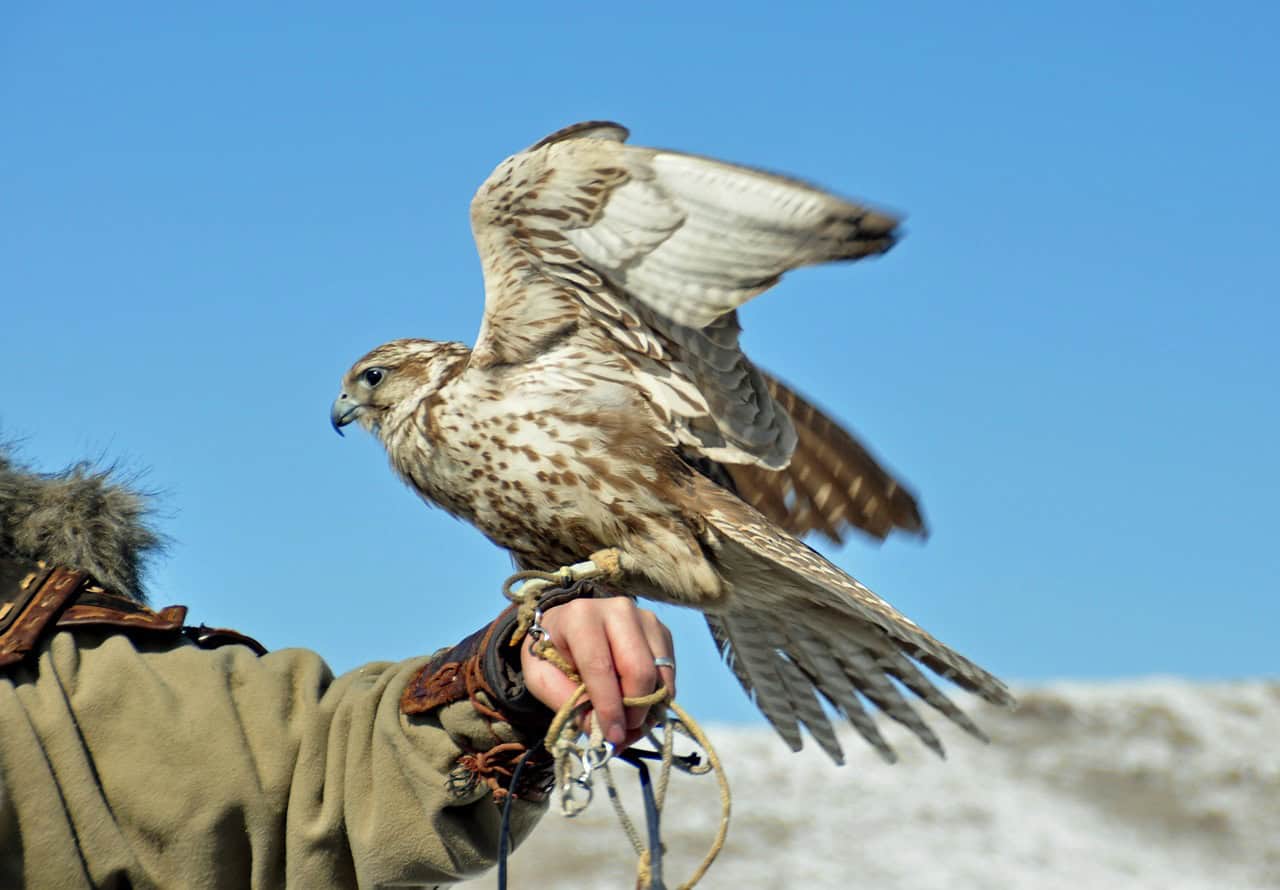
As a falconer, I have come to appreciate the importance of jesses in my field. Jesses serve as an essential tool that allows me to maintain a connection with my raptors. But what exactly are jesses, and how are they used in falconry? Well, let me take you on a stroll through the world of jesses, where we will look at the different types, their purposes, and the relationship they have with anklets. Trust me, you will want to take advantage of this.
What are jesses, and how are they used
Jesses are essential tools used in falconry to safely secure and handle birds of prey during training and hunting sessions. Over time, the design of jesses has evolved to maximize their effectiveness. They are typically made from durable materials like leather or synthetic materials to ensure longevity. Jesses must fit the bird properly to prevent any discomfort or injury. Training techniques involve gradually introducing the jesses to the bird and using positive reinforcement. Customization options include adding bells, GPS, or identification tags for easy tracking.
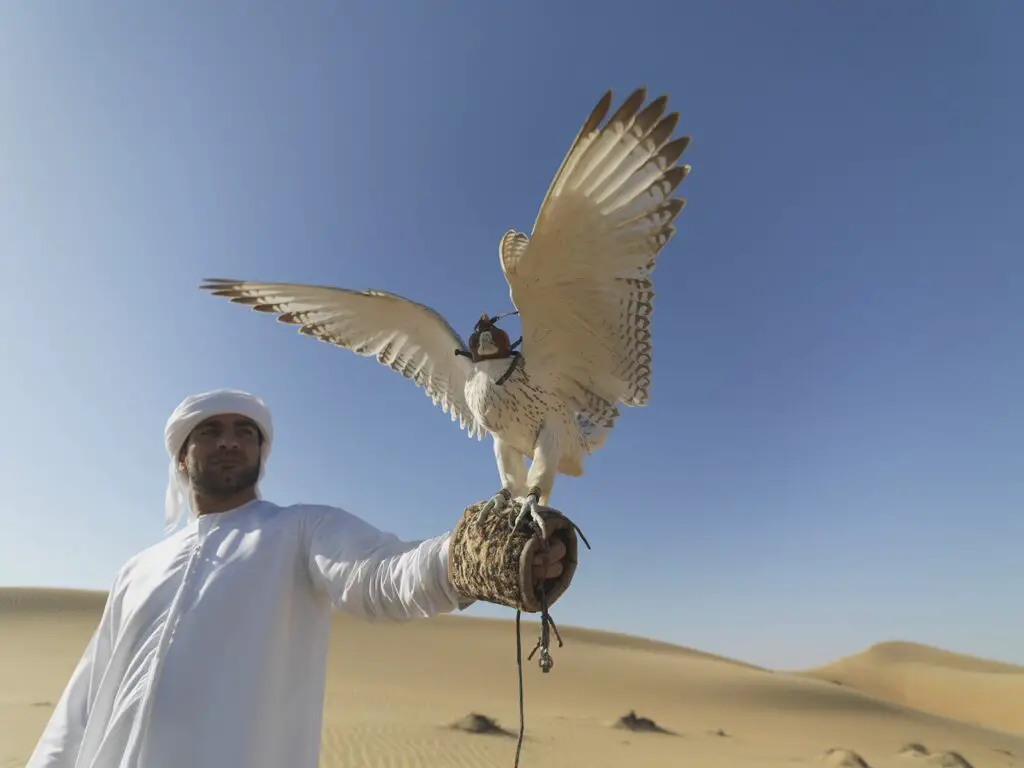
Types of jesses for falconry
- Short jesses
- Flying jesses
- Hunting jesses
- Mews jesses
- Aylmeri jesses
Short jesses
- Short jesses are straps that loop through the bird’s anklets, allowing falconers to grip them easily. They’re ideal for keeping the raptor secure during short periods when the bird is perched. Short jesses are generally used for transporting birds or when they are resting between activities, ensuring the birds can’t fly off unexpectedly while still allowing some freedom of movement. They are integral to safe falconry practice and bird handling.
Flying jesses
- Flying jesses are longer than short jesses and are typically used during flying activities. They allow for more movement while still providing a secure connection between the bird and the falconer. The length of the flying jesses can be adjusted depending on the type of bird or training technique being used.
Hunting Jesses
- Hunting jesses are specially designed to be streamlined and less obtrusive, allowing the raptors to hunt with minimal interference. They often feature a slit or a breakaway design, enhancing safety by allowing the jesses to detach if the bird becomes entangled, thereby reducing the risk of injury during the hunt. These jesses work by securing the bird while still permitting the full range of natural behaviours required for successful hunting.
Mews jesses
- Mews jesses are a type of tethering system specifically used when the bird is in the mews or enclosure. These jesses are often equipped with a swivel and leash setup, which allows birds to perch and move freely without getting tangled. Mews jesses securely attach to the bird’s anklets and facilitate the falconer’s quick release and retrieval of the raptor, essential for daily maintenance and care. Their design aims to be durable yet safe for the bird during prolonged periods of inactivity.
Aylmeri jesses
- Aylmeri jesses are a type of anklet/jess combination. They consist of two leather straps that form an X-shape over the bird’s foot, providing extra support and stability during flying sessions. These jesses are mostly used for larger birds of prey and are popular among falconers for their sturdiness and reliable grip.
There are various types of jesses available for falconry, each designed to meet specific needs and preferences. Leather jesses are a popular choice, known for their durability and flexibility. Nylon jesses, on the other hand, offer strength and resistance to wear and tear. For small birds, lightweight jesses are recommended to ensure comfort and ease of movement. For larger birds, heavier-duty jesses are required to withstand the bird’s weight and strength. Lastly, jesses specifically designed for training purposes provide added security and control during training sessions.

Falconry braided jesses
Braided jesses are a versatile and reliable option in the world of falconry, offering both strength and flexibility for the effective handling of birds of prey. When it comes to Jess materials, many falconers debate between leather and nylon. Different colours of falconry jesses add a touch of personalization and aid in bird identification during flights.
What are anklets, and how do they work with jesses
Anklets serve as additional attachments to jesses and play an important role in the practice of falconry by providing stability and promoting safe flight. These leather accessories are integral to falconry equipment and are used in training birds and bird management. Anklets are designed to hold the jesses securely in place, ensuring that the bird remains under control during flight. They are crafted with precision and expertise to ensure the utmost safety and effectiveness in falconry practices.
Jesses and anklets are an essential tool for falconry, allowing falconers to have a secure and controlled connection with their birds. Whether it’s the braided jesses for a comfortable fit, the hunting jesses for tracking and capturing prey, the mews jesses for housing the birds, or the flying jesses for training and flying, each type serves a specific purpose. Combined with anklets, jesses provide a reliable and effective way for falconers to communicate and bond with their birds of prey.
Frequently Asked Questions
How Long Should Jesses Be for Falconry?
- As a falconer, I’ve found that the optimal length for jesses in falconry is around 12-14 inches. This length allows for easy handling and training considerations. The length of the jesses can impact a bird’s flight, so it’s crucial to find the right balance. The length of the jesses can also affect hunting success, as it determines how well the bird can manoeuvre while pursuing prey.
Are There Different Types of Materials Used to Make Jesses?
- Yes, there are different materials used to make jesses for falconry. The length of the jesses can be customized according to the bird’s size.
Can Jesses Be Customized for Each Individual Bird?
- Yes, jesses can be customized for each bird. Customization options include adjusting the length to fit the bird’s leg properly and choosing the right material for durability and comfort.
How Often Should Jesses Be Replaced or Inspected for Wear and Tear?
- I replace and inspect my jesses regularly to prevent accidents and replace them every few years.