
Jesses are one of the most essential tools in falconry, playing a crucial role in safely handling birds of prey. For falconers, understanding what jesses are, how they work, and how to use them effectively is vital for maintaining control and ensuring the welfare of our birds. In this article, we’ll explore everything you need to know about jesses, provide tips for proper usage, and include a sizing guide to help you select the right fit for your raptor.
What Are Jesses and How Do They Work?
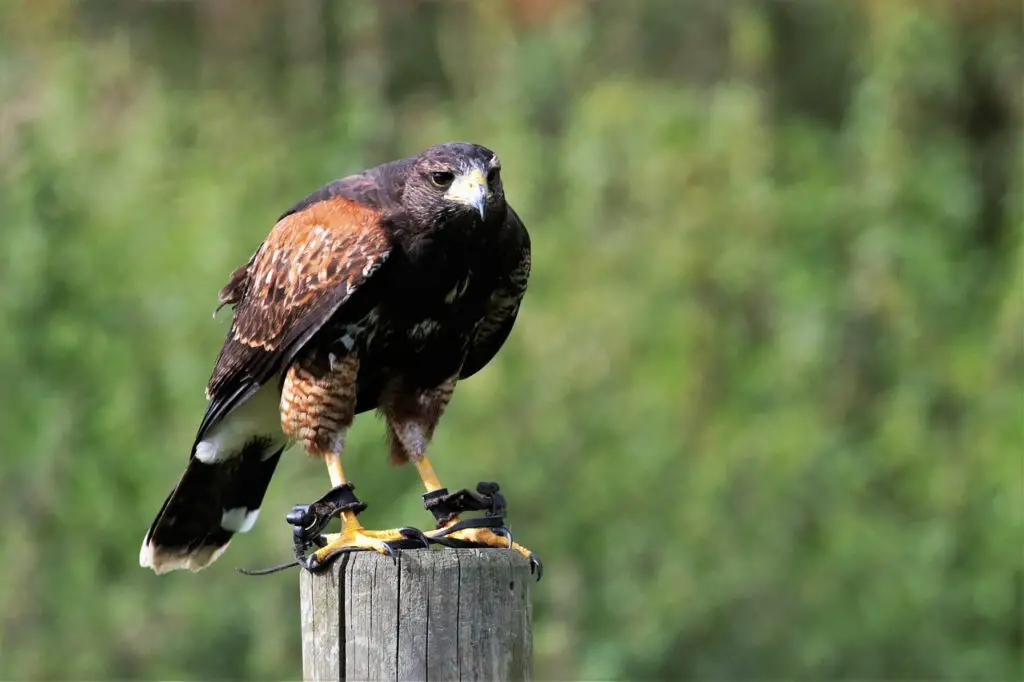
In falconry, jesses are leather or synthetic straps attached to a bird’s legs (typically around the tarsus) to help the falconer maintain control over the bird. They are an essential piece of equipment that enables handling during training, transportation, or tethering without causing stress or injury to the raptor.
A typical jess consists of two parts: the main strap that loops securely around the bird’s leg and the free ends (known as slitted jesses or mews jesses) that allow the falconer to connect the bird to a leash or perch. In modern times, jesses are often designed with quick-release mechanisms, making it easier to remove them when the bird is in flight.
Jesses work by providing a secure yet gentle way to tether or guide the bird, ensuring the falconer can maintain control while allowing the bird enough freedom to move comfortably. Properly fitted jesses are critical to prevent injuries and ensure the bird’s safety.
Types of Jesses
There are several types of jesses commonly used in falconry, each with its own purpose:
- Traditional falconry leather jesses are made from durable leather and are the classic choice for many falconers. They are strong, flexible, and comfortable for the bird.
- Synthetic Jesses: Made from modern materials like Biothane or Paracord, these jesses are lightweight, weather-resistant, and easy to clean.
- Field Jesses: Designed for use during hunting, these are shorter and more streamlined to avoid snagging on branches or obstacles in the bird’s environment.
- Mews Jesses: Longer jesses used in the aviary or mews to tether the bird securely to its perch.
Tips for Using Jesses
Using jesses correctly requires proper technique and attention to detail. Here are some tips to make the process easier:
- Measure Your Bird’s Legs: Jesses must fit snugly but not too tight. A poorly fitting Jess can cause discomfort or injury to the bird. Use a soft tape measure to determine the circumference of the bird’s tarsus before purchasing or cutting jesses.
- Choose the Right Material: Consider the bird’s size, activity level, and the environment when selecting jesses. Leather is ideal for larger birds, while synthetic materials work well for smaller species or wet conditions.
- Check Regularly for Wear and Tear: Over time, jesses can become worn or damaged. Inspect them frequently to ensure they remain safe and functional.
- Practice Attaching and Removing Jesses: Proper handling is key to keeping your bird calm and preventing stress. Practice attaching and removing jesses with patience and care.
- Keep Spare Sets Ready: It’s always a good idea to have extra jesses on hand in case of damage or loss.
Sizing Chart for Jesses
Use the following chart as a general guideline for selecting the right size of jesses based on your bird’s species:
| Bird | Jess Width | Jess Length |
| Kestrel | 4-5 mm | 15-20 cm |
| Peregrine Falcon / Harris Hawk | 6-7 mm | 20-25 cm |
| Red-Tailed Hawk | 8-10 mm | 25-30 cm |
| Golden Eagle | 12-15 mm | 30-40 cm |
Always tailor the fit to your bird’s unique measurements for the best results.
Ethical Considerations
Remember, jesses should always prioritize the bird’s comfort and safety. Never leave jesses or other equipment attached to an unattended bird for extended periods, as this can lead to entanglement or injury. Additionally, be mindful of the materials you use, ensuring they are free from sharp edges or weak points.
Conclusion
Jesses are indispensable tools in falconry. They allow falconers to maintain control while providing comfort and security for their birds. By choosing the right type, ensuring a proper fit, and practicing safe handling techniques, you can make the most of this essential equipment.
Interested in learning more about falconry equipment and techniques? Explore our site for in-depth guides, tips, and resources to enhance your journey in this fascinating sport!