
Falconry, the ancient practice of hunting with birds of prey, relies heavily on specific tools and techniques to train and maintain the bond between falconer and bird. One of the most essential pieces of equipment in this craft is the falconry lure. Understanding what a lure is, how it works, and how to use it effectively is crucial for anyone interested in mastering falconry.
What Is a Lure?
A lure is a carefully crafted tool used in falconry to train birds of prey and condition their behavior. Traditionally, it consists of a weighted piece of leather or fabric designed to mimic the appearance of prey, such as small birds or mammals. The lure is often adorned with feathers, fur, or even meat to make it more attractive to the bird.
The primary purpose of a lure is to simulate a hunting scenario and encourage the bird to focus, chase, and “catch” it. It’s a critical training tool that not only sharpens the bird’s hunting instincts but also reinforces the bond between the falconer and the bird.
How Does a Lure Work?
In practice, the falconer swings or tosses the lure to mimic the movement of prey. The bird, driven by its natural hunting instincts, chases and captures the lure. This process allows the falconer to train the bird on commands, improve its flying agility, and ensure it remains healthy and active.
Lures are also used to recall a bird if it ventures too far during training or hunting. By associating the lure with a reward, such as food, the bird learns to return to the falconer upon seeing it. This makes the lure an effective tool for both training and maintaining control over the bird during outdoor sessions.
Types of Lures
Different types of lures are used based on the bird species, training goals, and prey being simulated. Here are some common types of lures in falconry:
- Swinging Lure: Designed for high-speed practice, this type of lure is swung in circles to encourage the bird to perform agile aerial maneuvers. It is commonly used for falcons, which are known for their speed and agility.
- Ground Lure: This weighted lure is dragged along the ground to simulate prey running, making it suitable for training hawks and other birds that hunt ground-dwelling animals.
- Custom Lures: Some falconers create custom lures to closely resemble specific prey animals like rabbit fur, incorporating feathers or fur for added realism. These are often used when preparing birds for hunting particular species.
- Food-Based Lures: These lures include pieces of meat directly attached to the lure, providing an immediate reward and making them especially effective for reinforcing positive behavior.
Sizing and Materials
The size and weight of a lure should be appropriate for the bird being trained. A too heavy lure can tire the bird, while one too light might not simulate prey effectively. For example:
- Small falcons like kestrels may require lightweight lures weighing around 50–100 grams.
- Larger raptors like peregrine falcons or hawks may need heavier lures like leather lures ranging from 200 to 400 grams.
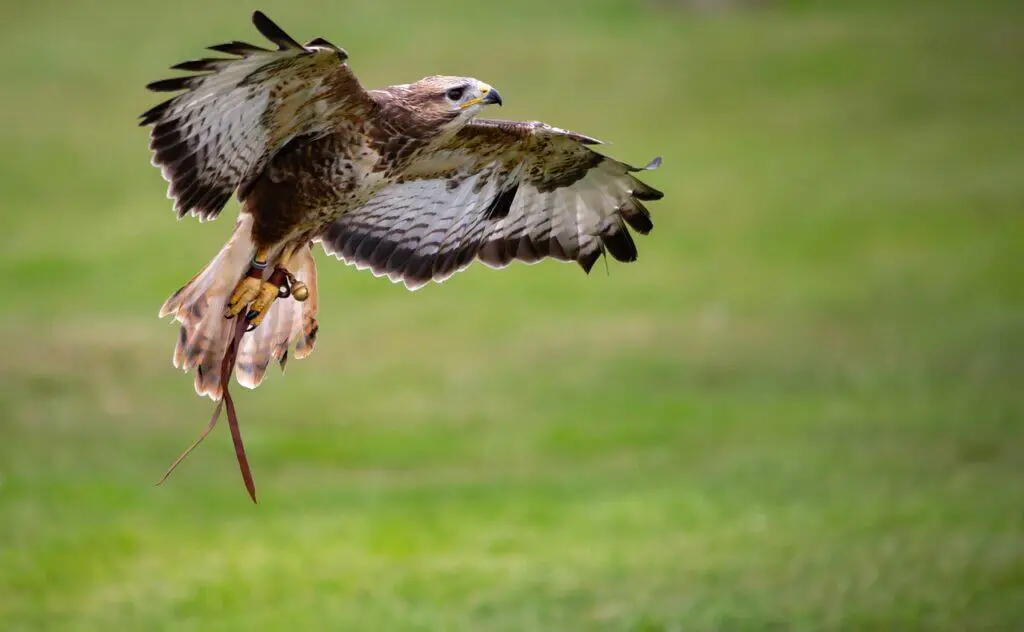
Materials used in lures often include durable leather, synthetic fabrics, or reinforced stitching to withstand repeated use. Feathers or fur are frequently added for realism, while weights ensure the lure can be thrown or swung accurately.
Tips for Using a Lure
To make the most of your lure training sessions, consider the following tips:
- Start Slowly: If your bird is new to lure training, introduce the tool gradually. Allow the bird to investigate the lure and associate it with a reward, such as food.
- Use Positive Reinforcement: Always reward your bird with food after it captures the lure. This creates a strong association between the lure and positive outcomes.
- Practice Regularly: Consistency is key. Regular training sessions will help your bird stay sharp and responsive.
- Keep It Engaging: Vary your techniques by changing the speed, direction, or type of lure used to keep your bird motivated and interested.
- Inspect the Lure: Regularly check your lure for wear and tear. Damaged lures can affect performance or even harm your bird.
Ethical Considerations
While lures are invaluable training tools, they should always be used responsibly. During training sessions, ensure that your bird’s welfare is a top priority. Avoid overworking your bird and provide plenty of rest and proper nutrition.
The lure is more than just a piece of equipment—it’s a vital link between the falconer and the bird. It helps hone the bird’s skills, reinforces trust, and ensures the bird stays healthy and focused. For falconers of all levels, mastering the use of the lure is an essential step toward building a successful partnership with their bird of prey.
Want to dive deeper into falconry techniques and tools? Explore our site for more tips, guides, and insights to enhance your falconry journey!