
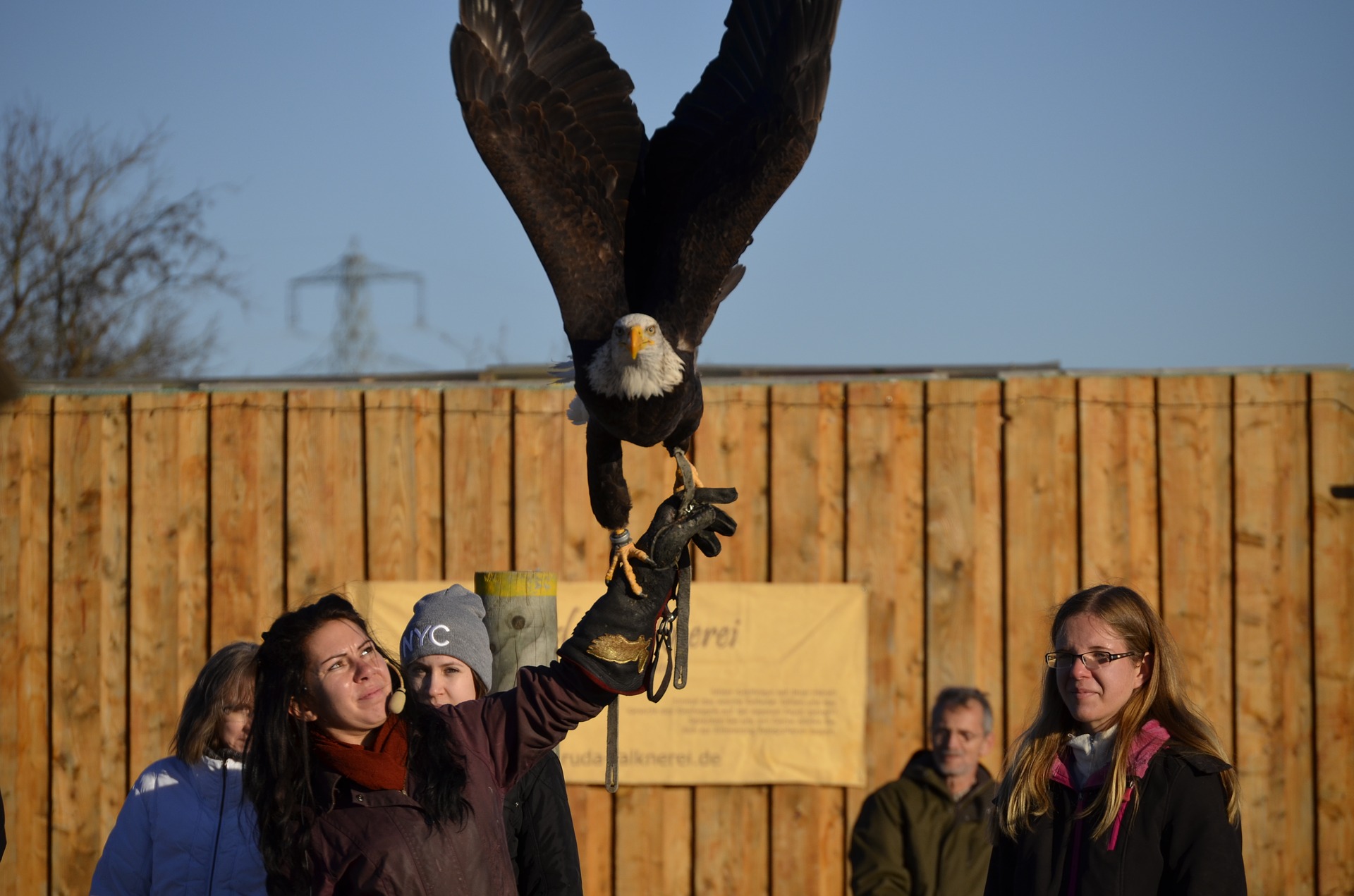
Wearing a Hawking Vest, also known as a falconry vest or a hawking waistcoat, is considered an essential practice for falconers engaged in the ancient art of falconry. The vest serves several crucial purposes that are integral to the safety, efficiency, and comfort of both the falconer and the bird of prey they handle. Here are some key reasons why wearing a Hawking Vest is important in falconry:
Protection:
Falconry involves handling birds of prey, such as falcons, hawks, and eagles, which have sharp talons and beaks. These birds can inadvertently cause injuries to their handlers during handling or transportation. The Hawking Vest typically has multiple layers of durable fabric, which provides a protective barrier against the bird’s talons and beak, reducing the risk of scratches and punctures to the falconer’s body.

Convenience:
One of the main reasons I like using a hawking vest is because it is designed with multiple pockets and pouches that allow me to carry essential equipment, such as jesses, leashes, bells, whistles, and telemetry transmitters. This eliminates the necessity of carrying an additional bag or satchel while handling the bird of prey in the field, streamlining the overall process. The pockets also keep these tools organized and easily accessible, saving time and effort.
Organization:
Falconry requires a variety of equipment and supplies, including food for the bird, telemetry devices for tracking, and first aid supplies. The vest’s pockets and compartments enable falconers to organize and carry these items efficiently, ensuring that everything they need is readily accessible during falconry sessions or while travelling with their birds.
Comfort:
A well-designed Hawking Vest provides comfort and support to the falconer by distributing the weight of the equipment evenly across the body. Additionally, vests made from breathable materials help regulate body temperature a prevent overheating during hot weather or strenuous activities.
In addition to protecting the falconer, the Hawking Vest can also safeguard the bird of prey. The vest serves as a barrier between the bird and potential hazards, such as sharp objects or abrasive surfaces, minimizing the risk of injury to the bird while it is perched on the falconer’s arm or shoulder.
Overall, wearing a Hawking Vest is not only a practical necessity but also a symbol of the deep bond and mutual respect between the falconer and their bird of prey. It enhances the safety, efficiency, and enjoyment of the ancient art of falconry while ensuring the well-being of both the handler and the magnificent birds they work with.
Frequently Asked Questions
Can a Hawking Vest Be Used for Other Types of Birds Besides Falcons?
- Absolutely, a hawking vest can be versatile for various birds, not just falcons. The design and functionality cater to different avian needs. It provides comfort, protection, and ease of movement, making it suitable for a range of bird species during training or hunting.
How Do You Properly Clean and Maintain a Hawking Vest?
- To properly clean and maintain a hawking vest, I gently hand wash it with mild soap, air dry it away from direct sunlight, and periodically condition the leather to keep it supple and durable.
Are there different sizes or styles of hawking vests available for different types of Falcon?
- Yes, there are various sizes and styles of hawking vests tailored for different types of falcons. Ensuring a proper fit is crucial for comfort and safety during flights, allowing the bird to move freely.