
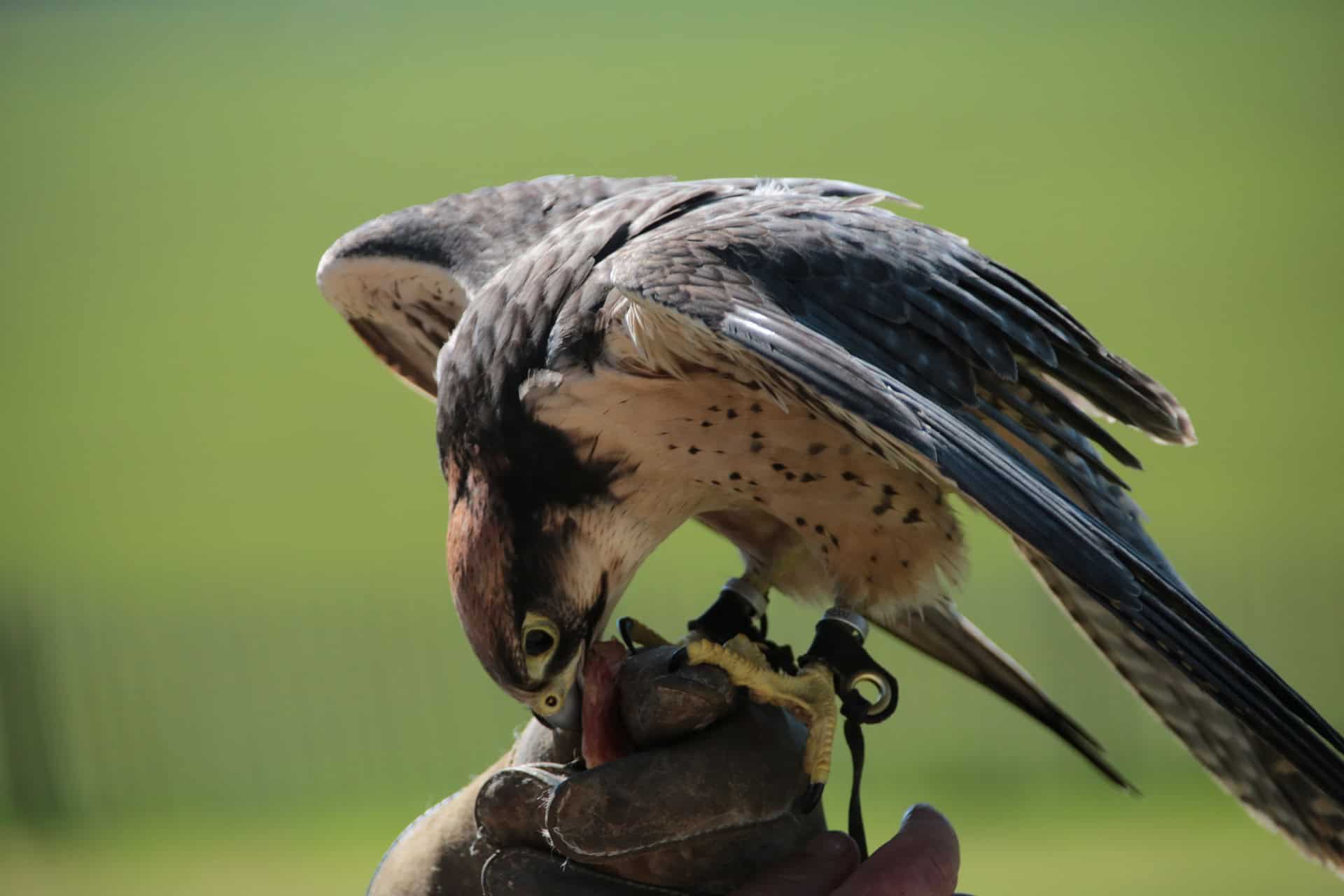
Swivels are an important tool used in falconry, which is the practice of training birds of prey to hunt. Falcons and hawks are popular birds used in this sport, and swivels are crucial in ensuring their safety and success during hunting. In this article, I’ll explain the various uses of swivels in falconry and explain why they are vital for both the bird and the falconer.
What is a Swivel?
A swivel is a small device that allows for rotation or movement at its connection points. In falconry, swivels are typically made of metal and have two ends – one end to attach to the bird’s equipment, such as jesses (leather straps) or leash, and the other end to attach to the hunting line or lure. Swivels come in various sizes and shapes, but their main function is to prevent tangling of the equipment and ensure smooth movement during flight.
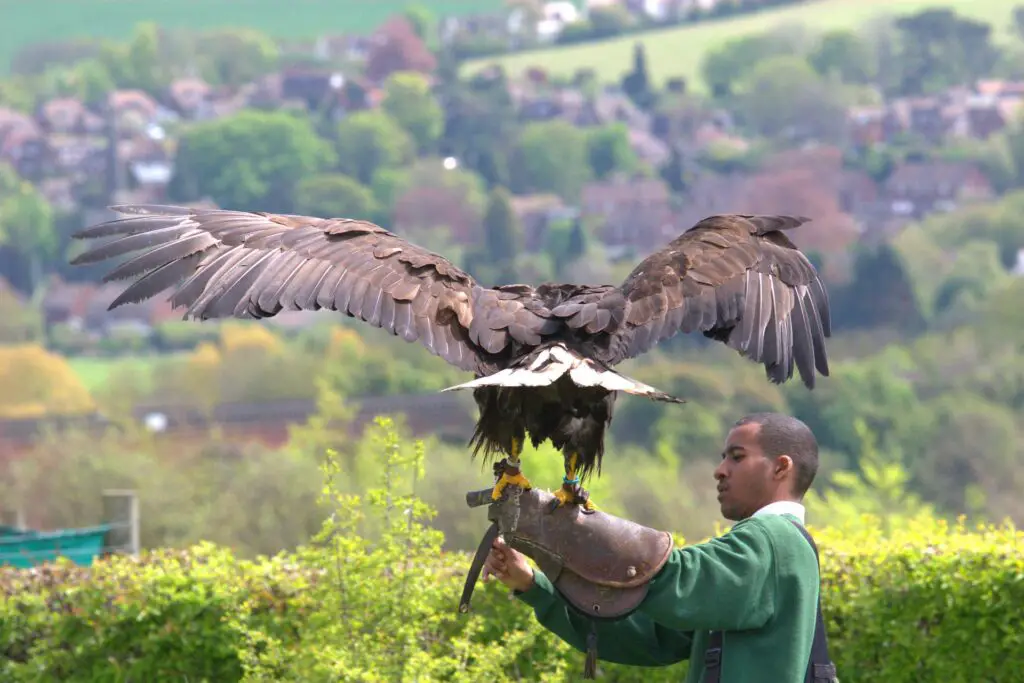
A step-by-step guide on how to use a swivel
Step-by-Step Guide to Utilizing a Falconry Swivel in the Sport of Falconry:
Step 1. Understand the importance of a well-chosen falconry swivel.
Step 2. Ensure proper positioning of the swivel.
- Attach the swivel to the bird’s anklets.
- Allow for free rotation without causing discomfort or hindrance to the bird’s movement.
Step 3. Choose the right size of swivel.
- Select a swivel compatible with the bird’s weight and size.
- Ensure optimal performance.
Step 4. Attach the swivel securely.
- Prevent accidental detachment during flight.
Step 5. Understand the limitations of swivels.
- Consider their weight-bearing capacity.
Step 6. Perform regular maintenance.
- Clean the swivel regularly.
- Inspect for any signs of wear or damage.
Step 7. Ensure swivel functionality for effective utilization in falconry.
By following these steps, you will effectively utilize a falconry swivel in the sport of falconry.
The Importance of the Swivel
Preventing Tether Tangles:
To prevent tether tangles in falconry, it’s imperative to utilize swivels. Swivels are essential components that allow for smooth rotation and prevent the entanglement of the tether. When a falcon is flying, its movements can cause the tether to twist and turn, potentially leading to dangerous tangles. This not only compromises the safety of the bird but also hinders its ability to hunt effectively.
Swivels act as connectors between the leash and the jesses, providing a pivotal point that allows the leash to rotate freely. They’re designed to withstand the force exerted by a flying falcon, ensuring smooth and unrestricted movement. By incorporating swivels into the falconry equipment, the risk of the tether becoming twisted and tangled is greatly reduced.

Reducing Strain and Stress:
Another crucial use of swivels in falconry is to reduce strain and stress on the bird’s equipment. When a falcon is flying, it exerts a considerable amount of force on its gear, including the jesses, leash, and hunting line. Without swivels, this force can cause significant wear and tear on the equipment and potentially lead to its failure.
By using swivels, I’ve noticed that the strain on the equipment is significantly reduced as it allows for smooth movement and rotation. This not only ensures the durability of the gear but also minimizes stress on the bird, allowing it to fly comfortably and freely.
Enhancing Flight Performance:
When falcons are hunting or flying, they require optimal manoeuvrability and agility to chase prey effectively and navigate their surroundings. Swivels help to achieve this by providing a smooth and unrestricted rotation of the leash, allowing the Falcon to make quick turns and changes in direction without any limitations or hindrances.
Enhancing flight performance is essential in falconry as it directly impacts the Falcon’s ability to catch prey and succeed in its hunting endeavours. Swivels enable the Falcon to maintain a high level of control and precision in flight, enhancing its overall flight performance. By reducing the strain and stress on the Falcon’s body, swivels ensure that the Falcon can fly with ease and efficiency, maximizing its speed, agility, and endurance.
In addition to improving flight performance, swivels also contribute to the safety and well-being of the Falcon. By reducing strain and stress, swivels help prevent injuries to the Falcon’s neck and shoulders, which are common in falconry. This ensures that the Falcon remains in optimal physical condition, allowing it to perform at its best during flights and hunts.
Safety and Injury Prevention:
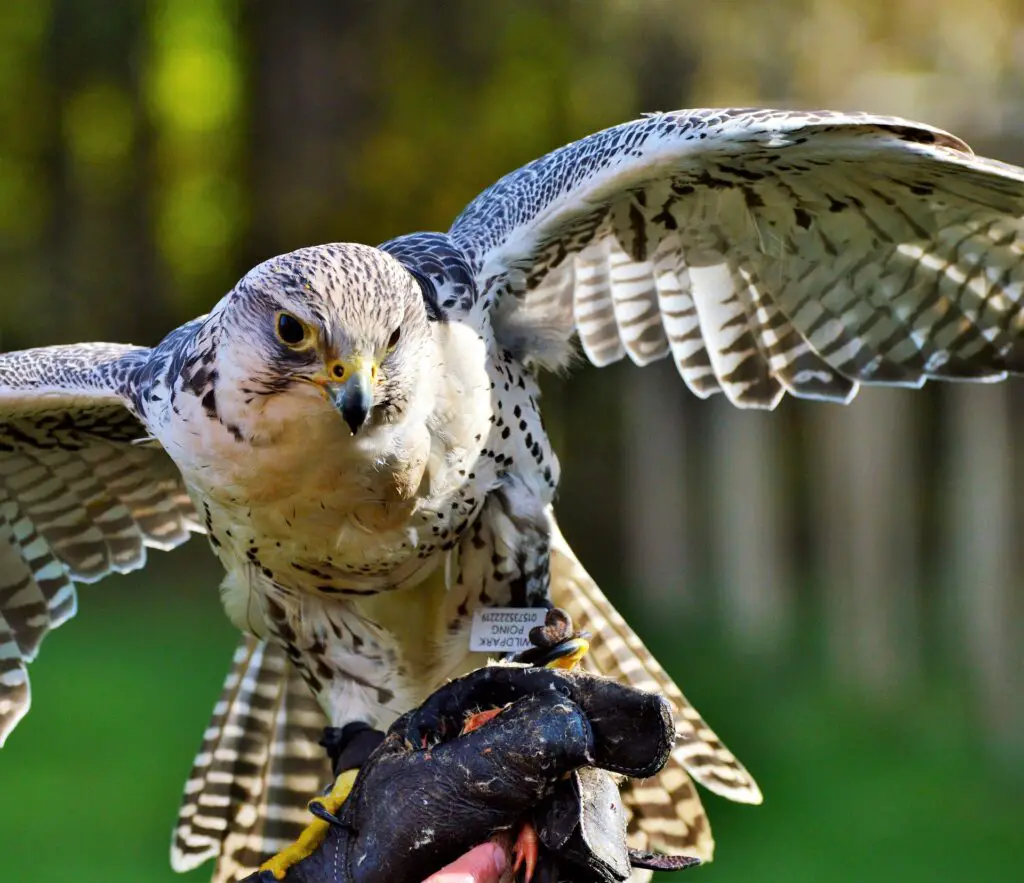
The implementation of proper safety measures and injury prevention techniques is of utmost importance in the practice of falconry. As a falconer, my top priority is ensuring the well-being and safety of both my Falcon and myself. Here are four key safety measures and injury prevention techniques that I adhere to:
- Personal Protective Equipment (PPE): Wearing appropriate PPE, such as a falconry glove, helmet, and sturdy boots, can minimize the risk of injuries from sharp talons and beaks. These protective gears serve as a barrier between the falconer’s skin and the bird’s powerful grasp.
- Regular Equipment Inspection: Before each training session or hunt, it’s crucial to thoroughly inspect all falconry equipment, including jesses, leashes, and swivels. This ensures that they’re in good condition and properly functioning, reducing the risk of accidents or equipment failure during flight.
- Proper Handling Techniques: Falconers must receive proper training on handling techniques to minimize the risk of self-inflicted injuries. This includes learning how to hold the bird properly, avoiding sudden movements, and knowing how to release the bird safely after the hunt.
- Emergency Preparedness: Accidents can happen, so it’s essential to be prepared for emergencies. Falconers should have a well-stocked first aid kit on hand and know basic first aid procedures for both themselves and their Falcon. Additionally, having a plan for emergencies, such as a lost bird or predator attack, can help mitigate potential risks.
Swivels not only prevent tether tangles and reduce strain on equipment but also enhance flight performance and contribute to the safety and well-being of both the bird and falconer. As a falconer, I highly recommend incorporating swivels into your falconry equipment for a safe and successful hunting experience.
Frequently Asked Questions
How Long Do Swivels Typically Last Before Needing to Be Replaced?
- Swivels typically last around 6 to 12 months before needing replacement. Regular inspection and maintenance of the swivel is crucial to ensure optimal function and prevent accidents. As a falconer, I prioritize the safety and well-being of my birds, and replacing worn-out swivels is an essential part of that.
Are There Different Sizes of Swivels Available for Different Birds of Prey?
- Yes, there are different sizes of swivels available for different birds of prey in falconry. Swivels prevent tangling and provide freedom of movement while the bird is tethered to the leash.
Can Swivels Be Used With Any Type of Tether or Leash?
- Yes, swivels can be used with any type of rope or leash. They provide flexibility and prevent tangling, allowing the bird to move freely while maintaining control. Swivels are essential tools in falconry.
Do Swivels Work Effectively in All Weather Conditions?
- Yes, swivels work effectively in all weather conditions. They are designed to rotate freely and prevent tangling of the leash or tether. This ensures that the Falcon can move and fly smoothly without any restrictions, regardless of the weather conditions.
Are Any Specific Maintenance Requirements for Swivels to Ensure Their Longevity and Functionality?
- Proper maintenance is important for preserving the longevity and optimal functionality of falconry swivels. This entails careful inspections to pinpoint any signs of wear or damage, as well as meticulous cleaning and lubrication when necessary. Additionally, promptly replacing worn-out components further ensures their reliable performance.