

Hi, it’s Rick again good to see that you are becoming modernized and looking at telemetry devices, so let me guide you along. As falconers, we are like shepherds guiding our flock. Just as a shepherd needs to keep track of their sheep, we need to monitor the whereabouts of our feathered companions at all times. This is where GPS devices come into play. Falconers use the following types of GPS devices for their raptors:
- Field Marshall receiver
- A4600 Avian Tailmount
- BS3401 GPS FOR FALCONS
- NanoFix GEO+RF
- Raptor GPS for birds of prey
- Solar Argos/GPS PTTs
- W510 Wildlink Logger
- Hallux Lightweight GPS
- GRACZA GPS SYSTEMS 500 mAh Streamlined set
GPS devices have revolutionized falconry like never before! Gone are the days when we had to rely on our instincts or hope for the best when sending our birds into unknown territories. With modern GPS technology, we now have access to real-time location tracking, navigation aids, and even weather reports. So if you’re curious about what kind of GPS devices falconers use for their birds, then stick around because I’m going to give you all the juicy details!
What Is A GPS Device?
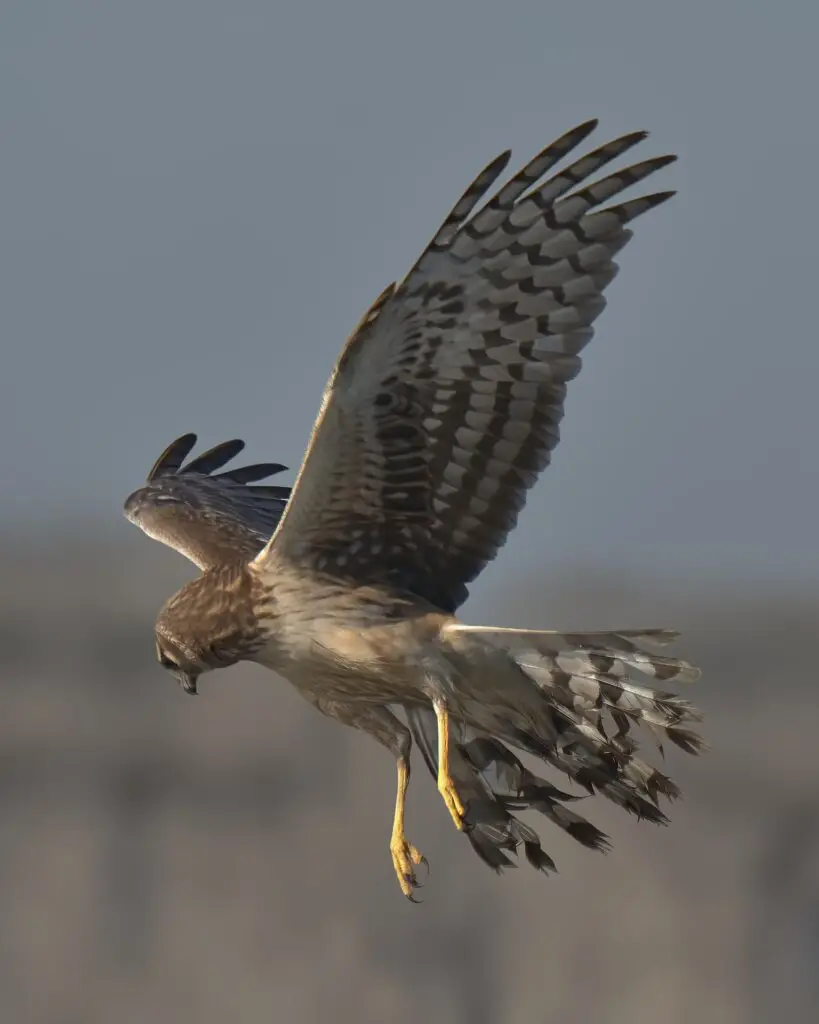
After using these devices throughout my time as a falconer the usefulness of GPS devices for our beloved birds, but before we jump into the specific models used by falconers, let’s first define what a GPS device is. In simple terms, it stands for Global Positioning System and utilizes satellite technology to pinpoint precise locations on Earth.
The most important feature of this device is allowing us to track and know the precise locations of our feathered companions. This helps us keep them within safe boundaries while allowing them enough room to fly freely. Moreover, these devices help us gather valuable data about their behaviour patterns, such as preferred hunting grounds or migration routes.
However, like any technology, GPS devices do have limitations. They heavily rely on satellite signals which can be disrupted by environmental factors such as dense foliage or bad weather conditions. Furthermore, some models may not provide real-time tracking information or offer limited battery life. That said, there are alternative methods available such as radio telemetry systems that use radio waves instead of satellites but require manual tracking efforts from the falconer themselves.
Top 9 Gps Devices Used By Falconers
Field Marshall Receiver
If you’re looking for a reliable GPS device to track your bird of prey, the Field Marshall receiver is definitely worth considering. This top-of-the-line gadget comes with numerous benefits and drawbacks that make it stand out from other GPS devices on the market.
One major benefit of using the Field Marshall receiver is its remarkable accuracy when tracking your bird’s location. You can easily monitor your bird while it’s flying high in the sky or diving down towards the ground without any issues. Additionally, this device offers excellent battery life, which means you don’t have to worry about losing connection during extended flights.
Compared to other GPS devices available today, the Field Marshall receiver also stands out thanks to its user-friendly interface. The display screen is easy to read and navigate, so even beginners won’t face much difficulty getting started with this tracker. The cost of purchasing one might seem steep initially but think long-term – investing in quality equipment will save you money in repairs and replacements later on!
A4600 Avian Tailmount
Have you ever lost sight of your beloved bird during a hunting trip? It’s every falconer’s nightmare to lose their feathered friend in the wild. Lucky for you, with all the advancements in GPS, avian tracking has become much more accurate and efficient than ever before.
The reason this device makes the list of most used devices is its ease of installation due to various tail mount options. This item is lightweight and won’t get in the way or cause discomfort. It also updates the GPS signal every 30 seconds.
Always consider durability when purchasing, and the A4600 Avian Tailmount boasts impressive resilience against harsh outdoor conditions such as rain, heat, and snow. This means that even if your bird takes flight in inclement weather, you won’t have to worry about losing track of them.
Bs3401 Gps For Falcons
When it comes to tracking your bird’s location during hunts or training exercises, you need a device that has high GPS accuracy. The BS3401 provides just that with a pinpoint precision of up to 100 km in open areas. This allows me to keep track of my bird’s movements in real-time so I can adjust my tactics accordingly.
Durability is also essential when choosing a GPS device for your bird, as they often fly at high speeds and may encounter tough terrain. The BS3401 is made from sturdy materials that can withstand harsh conditions without compromising performance. Additionally, its long battery life ensures uninterrupted use throughout extended hunting trips or training sessions.
While some GPS devices may come with complex features that require extensive technical know-how, the BS3401 prioritizes user-friendliness, making it easy even for beginners to use effectively.
Nanofix Geo+Rf
The Nanofix has many benefits, and from using them in the past, I would recommend this brand because of its small size, which means it won’t interfere with your bird movements, and its accuracy is second to none. With real-time tracking features, you can easily monitor your bird’s location on your phone. Additionally, its long battery life ensures that you never lose track of your feathered friend.
However, like any technology out there, there are limitations to consider when using Nanofix Geo+RF for falconry. For instance, while the device has a range of up to 15 miles in open terrain areas (which is great), it may not work as effectively within buildings or densely forested areas. Also, note that interference from natural elements, such as heavy rain or snow, could affect connectivity levels.
Raptor GPS For Birds Of Prey
The Raptor GPS. This device is designed specifically to track birds of prey in real time, enabling falconers to keep an eye on their feathered companions even when they are out of sight.
One key feature of these tracking devices is Avian telemetry, which allows them to transmit location data from the bird to a base station or receiver via radio waves. With this technology, it becomes much easier for falconers to locate their birds if they fly off too far during hunting sessions or training exercises.
| Statistic | Description | Importance |
| Altitude | The height above sea level at which the bird is flying | Helps determine optimal flight conditions based on species-specific needs |
| Speed | How fast the bird is moving through the air | Useful in assessing fitness levels over time |
| Distance Traveled | Total Distance covered by the bird within a given timeframe | Can help identify areas where there might be potential risks (e.g., hunters) |
Solar Argos/GPS Ptts
Solar-powered GPS devices are gaining popularity among falconers. These innovative tools utilize GPS technology along with solar panels, resulting in extended battery life and precise tracking.
Here are some advantages of using GPS PTTs:
- Increased safety: If your bird becomes lost or injured, you’ll be able to quickly find them and provide the necessary care.
- Improved training: By analyzing your bird’s behaviour through GPS data, you can develop more effective training techniques.
- A better understanding of migration patterns: Some species of birds migrate seasonally, and GPS data allows us to better understand these patterns for conservation efforts.
W510 Wildlink Logger
Another GPS tracking device that falconers commonly use for their birds is the W510 Wildlink Logger. We use a device that collects important data about our birds’ movements, which we can scrutinize. It also offers
- Good battery life
- It’s durable
- Doesn’t cause discomfort
- Easy to install
Using a Wildlink logger is simple and can attach to either the leg or tail feathers without causing any discomfort.
Hallux Lightweight GPS
One of the standout features of the Hallux GPS is its lightweight design. This makes it easy to attach directly onto your bird’s leg or tail without weighing them down too much. Plus, with long battery life, you can trust that the GPS will last throughout even some of your longer excursions.
But perhaps most importantly, the accuracy and durability of this device are top-notch. You won’t have to worry about losing signal or having a flimsy attachment fall off mid-flight. And when compared to other similar models on the market, the cost-effectiveness of the Hallux really stands out as well.
Gracza Gps Systems 500 Mah Streamlined Set
One great feature of the GRACZA GPS SYSTEMS is its compact design. You won’t have to worry about bulky equipment weighing down your bird or getting in their way during flight. It also comes equipped with real-time tracking capabilities, allowing you to keep an eye on your bird’s whereabouts at all times.
Aside from being lightweight and compact, the GRACZA GPS SYSTEMS are also waterproof and incredibly reliable. These devices can withstand even the toughest weather conditions and will continue to provide accurate location data no matter what. So if you’re looking for a reliable and durable GPS tracker for your feathered friend, look no further than the GRACZA!
– Battery life up to 72 hours
– Compact design
– Real-time tracking capabilities
– Waterproofing
– Reliable performance
Why I Chose The Device Field Marshall Receiver As My Choice For Tracking My Bird
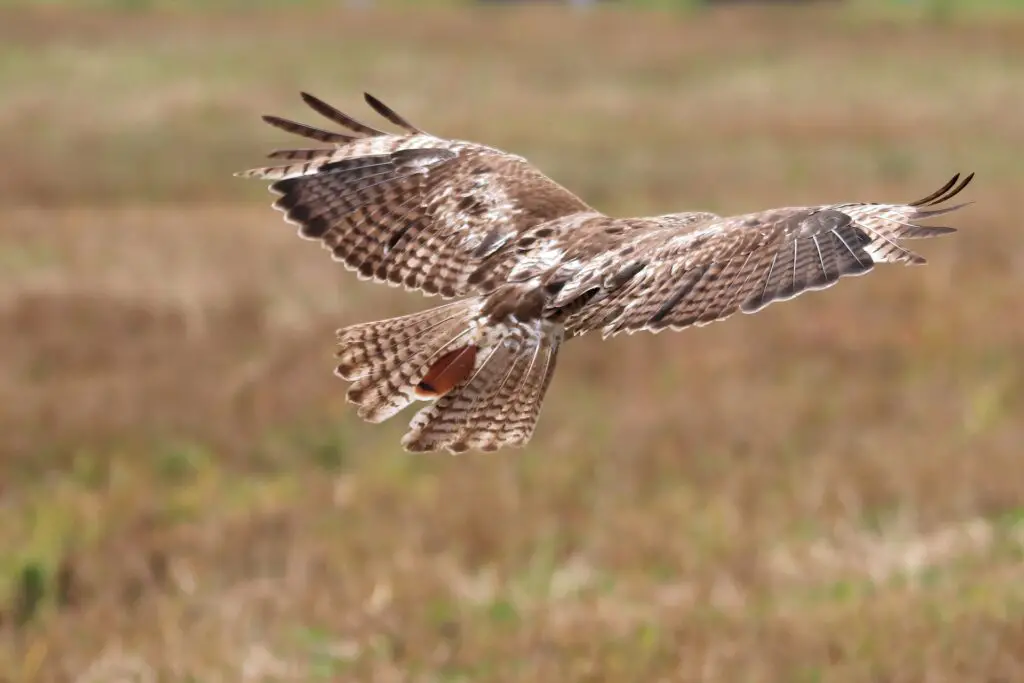
Being a falconer for nearly 3 decades now, I can attest to the fact that choosing The right GPS system is paramount to a successful experience. After usage of many different products, I decided that my best buy was the Field Marshall receiver as my primary tracking tool because one of the standout features of the Field Marshall receiver is its long battery life. This means that I don’t have to worry about running out of juice when I’m out in the field with my bird. It also has an impressive range which allows me to track my bird from quite far away.
When comparing the Field Marshall receiver with other GPS devices on the market, there really isn’t anything that comes close in terms of cost-effectiveness. It’s not only affordable but also provides all the necessary functions required by a falconer. Another advantage is its user-friendly interface which makes it easy to operate even for those who aren’t tech-savvy.
Did you know that according to a recent survey conducted by The Falconry Association, 80% of falconers use GPS devices for their birds? This goes to show just how crucial these tools have become in modern-day falconry practices. As technology continues to evolve, we must adapt and take advantage of these advancements to ensure the safety and well-being of our beloved raptors. Trust me when I say that investing in a high-quality GPS device will make all the difference in your hunting expeditions with your avian partner-in-crime.