
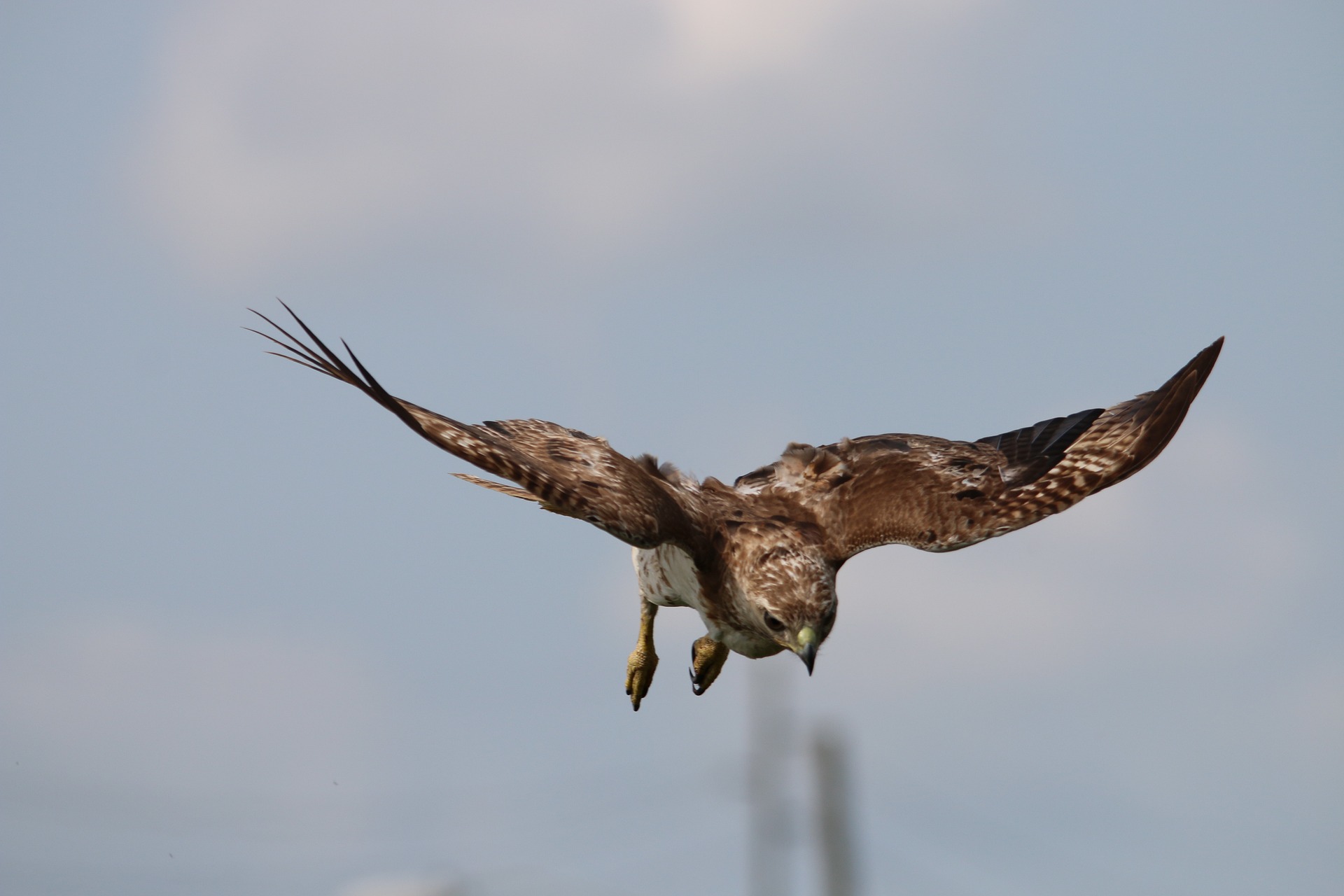
Have you ever wondered how falconers come to own and train a bird of prey? While the entire process may appear complicated, one of the first steps within this unique hobby is utilizing a specialized tool known as a “bird launcher”. Essentially, this device takes your interaction with birds and flying creatures from an observation-based pursuit to an interactive training experience. But what is the purpose of this piece of equipment?
A bird launcher is a versatile tool for anyone looking to get started with falconry. Using a bird launcher, you can teach your raptor to target and capture its prey from a distance by setting the quail or other smaller birds inside the launcher and launching them into the air. Your raptor will eventually take off and hunt down that prey.
This post will provide key information about bird launchers, from their usage in falconry and hunting to their important safety features for human handlers and their feathered friends. We’ll also discuss where these tools are available for purchase so you can confidently begin your journey to becoming a successful falconer!

What is a bird launcher used for in falconry, and how does it work?
A bird launcher is an important tool when training a hawk to identify and chase prey. It is also used when the hawk transitions from training to hunting. By firing a dove or pigeon high into the air, a bird launcher mimics a dog or falconer flushing prey, giving a hawk a practice flight accompanied by a falconer.
One bird launcher is suitable for launching smaller prey, such as pigeons or quails, and the other is suitable for launching ducks or pheasants. Hawks can be trained to catch small quails or similar-sized quarries with the smaller bird launcher, while hawks can be trained to chase waterfowl, pheasants or larger prey with the larger bird launcher.
You can choose from manual or remote-controlled bird launchers. The manual type has a simple and reliable operation with a light cord. The remote operation uses a receiver that a controller controls. A single remote control can control up to 16 bird launchers (each equipped with a receiver).
How do you train your bird to use the launcher correctly to catch its prey effectively in the wild?
Training a bird to use the launcher correctly is an important step in preparing them to compete and survive in the wild. The key is to start small, so begin by introducing your bird to a lightweight toy it can practice with. Start your training session indoors, using something as simple as a launching device or wand with a soft material attached to the end. Position your bird either on its perch or atop a table. Using treats and verbal cues, encourage your bird to interact with the toy and grab it when the launcher is released. As you progress, increase the weight of the material attached and slowly move outside, closer and closer to trees or poles where birds naturally circle. Once your bird is comfortable with this process, attach larger prey items using more rugged materials and provide plenty of motivation with success reinforcement. With patience, repetition and proper guidance, you can equip your bird with the skills necessary for an effective hunt in its natural environment.
What are some benefits of using a bird launcher when hunting with a falcon or hawk?
Bird launchers offer a significant advantage for the hunter when using a falcon or hawk. By limiting how far and high a bird can fly, the hunter can ensure that their bird stays in range and remains visible over large hunting grounds. This prevents them from losing sight of their bird or having it fly out of range. Furthermore, launching platforms allow hunters to move locations while quickly keeping their birds nearby. Finally, these devices are easy to assemble and take down, making them highly portable and versatile for indoor and outdoor use. Using a bird launcher for falconry or hawk hunts offers tremendous safety benefits without compromising the traditional techniques experienced hunters use.

Is there anything else you need to know about using a bird launcher while hunting with raptors?”
It’s important to note that not all types of launchers can be used depending on the size and breed of the prey, as well as the terrain being hunted in. Picking a launcher appropriate for your hunt is critical to ensuring a successful outing. When using the launcher, it should always be pointed away from yourself, other hunters, and any bystanders. Also, the straps must be securely tightened to keep the prey safe during takeoff and flight.
What can I use instead of a bird launcher for falconry?
Traditionally, bird launchers are used to get the prey airborne for your bird to chase and hunt down. However, some alternatives could be employed – using a crane or jesses, having an assistant use a pole with a lure attached, releasing the bird from your hand or throwing it into the air. These options provide owners with other ways to train in an increasingly popular activity. In addition, they give bird handlers more control over their bird’s takeoff, as they can control the direction and speed of flight by hand or pole, giving them greater accuracy when hunting.
So, there you have it! A bird launcher is a device that helps train young falcons how to hunt. By gradually increasing the difficulty of their target, they can learn how to use their natural abilities to capture prey successfully. As you can see, this tool plays an important role in developing these majestic creatures into expert hunters.