
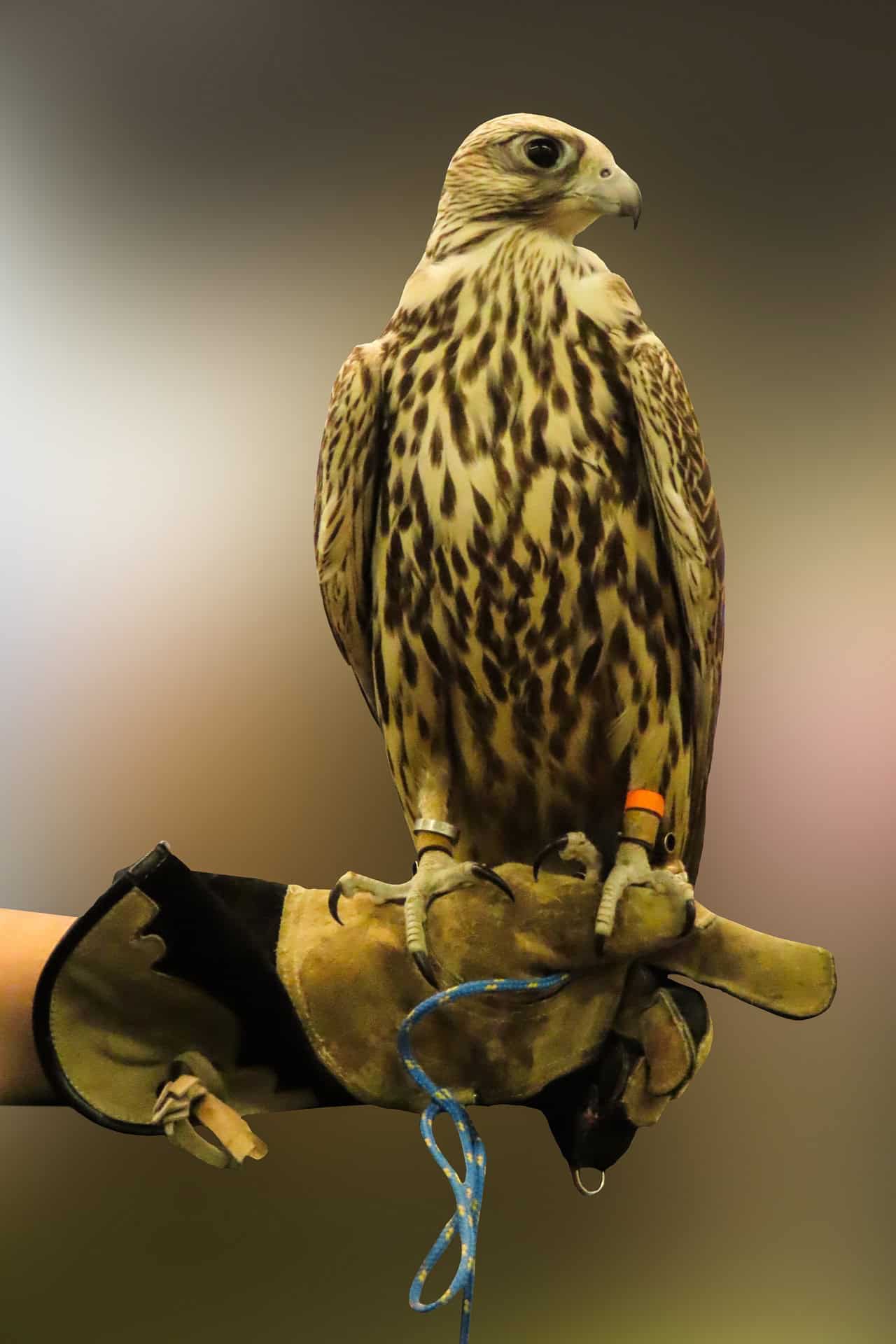
When it comes to falconry, you need the proper gear to succeed. Among the most important pieces of equipment you need are your gloves. Wide varieties of gloves on the market claim to be the most suitable for falconry. So how do you know which option to choose which one will be ideal for your needs? Well, from using these gloves for years, I will share my experience and expertise with you.
The best type of gloves to use in falconry is leather because it is more durable and provides better protection from the sharp talons of birds of prey. It also offers a good grip so you can easily hold onto the bird if needed. Additionally, you can choose how many layers it should be based on the bird you are using.
Using gloves in falconry is deemed by many a mandatory feature, so I will discuss the important factors you need to pay attention to when purchasing a glove for falconry. I will also recommend some of our favourite glove types for this purpose!

What are the different types of gloves used for falconry?
While falconry is an ancient sport, protecting the human handler and the bird of prey remains a vital part of the tradition. For practitioners to handle these majestic birds, appropriate gloves must be chosen. Leather gloves have traditionally been used for centuries in falconry due to their durability, ability to withstand high temperatures, and abrasive weather conditions. Also, heavier-duty leather gloves and full gauntlets provide added protection against a raptor’s talons. Alternatively, cloth glove options are also available, such as mittens and fingerless types with adjustable Velcro straps that can be used when weather worries are less pressing. Finding the right type of glove for the job to ensure safety while flying and handling a bird of prey is essential.
What is the most durable type of glove?
Finding the most durable type of glove is essential if you are serious about falconry. When searching for a glove, find one that can endure the wear and tear of training and hunt with birds of prey. You want one made from leather. Leather offers greater durability than other materials because it has a higher tensile strength and will retain its shape even after heavy use. A thicker glove with double stitching would also be more durable and help protect your hand in case the bird accidentally grabs too hard during training exercises. If a leather glove is unavailable, focus on finding one made from a synthetic material like fibreglass or Kevlar. With the right glove, you’ll have many years of enjoyable falconry ready to go!
What is the most important thing to consider when purchasing a glove for falconry?
When purchasing a glove for falconry, I have found that the most important thing to consider is the fit. To ensure that you and your bird are comfortable, it’s important to find a glove that fits your hand size perfectly, with no extra fabric or stretched areas. Additionally, the material should be strong but lightweight, as the purpose of the glove is to protect your hand while not overly restricting movement. The material’s texture should also be taken into account. As falcons typically have sharp claws, a smooth surface will help them grip securely without slippage. Finally, ensure that all the seams are in good condition to avoid injury to you or your bird. Considering these points when shopping for a glove will give you peace of mind that it is safe and comfortable for you and your raptor.
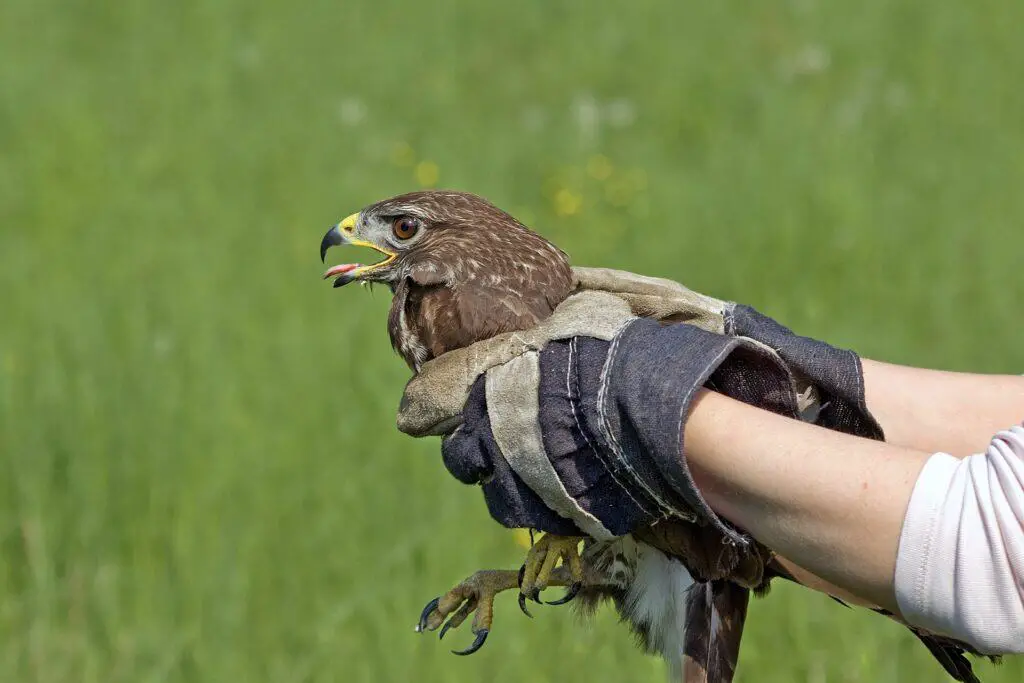
Gloves should also be fitted properly to ensure good grip and dexterity.
Falconry is a sport that requires intense concentration and skill. Keeping this in mind, ensuring that your hands are at peak performance during a hunt is essential. The most important gear for achieving this is gloves; however, simply having gloves is not enough–they must also be fitted properly for maximum effectiveness. From my experience, a glove that fits too loose will make it difficult to grasp prey efficiently. At the same time, one that fits too tight may make you feel confined and cause fatigue over a long day of hunting.
Further, the ideal fit should provide the falconer with incredible agility, allowing them to move precisely and swiftly when necessary. Finally, finding gloves with the right size is key for properly controlling your birds and keeping you safe from accidental cuts or scrapes. In short, while gloves are an essential part of a successful hunt, they must be selected and fitted very carefully to guarantee good grip and optimal dexterity.
How to take care of your gloves so they last longer
Taking care of your gloves is one of the falconers’ most important maintenance tasks. Proper cleaning and storage will keep your gloves in good condition for longer, saving you money and ensuring you’re comfortable using them. Start by removing any dirt from the glove surfaces as soon as possible after use. You can do this with a damp cloth or a brush made specifically for cleaning leather or suede. Once they’re clean, let them air-dry away from direct sunlight or heat. You’ll also want to store your gloves in a cool, dry place free from humidity and moisture so they don’t develop mildew or rot. Finally, you should apply a leather protector on the outside of your gloves occasionally to protect them from wear and tear over time. These simple steps will help ensure that your gloves last longer and provide comfort when training birds of prey!
We have a post covering a few reasons falconers choose to wear gloves. Understanding the safety reasons for a falconer glove will help you choose the best one for yourself.
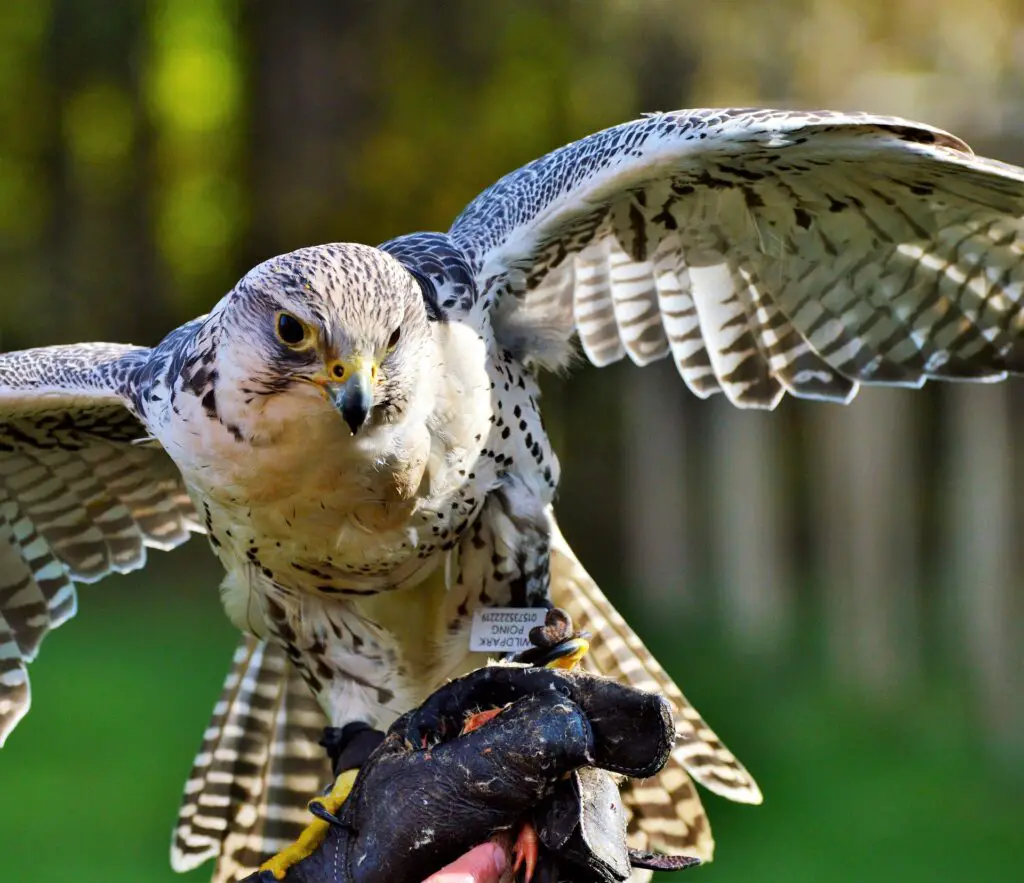
If you are stuck on which glove to use for falconry, it is important to consider your bird’s weight. A heavier bird will require a thicker and sturdier glove, while a smaller bird can get away with a thinner leather glove. Ultimately, it is up to the preference of the falconer as to which gloves they prefer. Some find that the gauntlet-style gloves offer more protection from getting scratched by their birds, while others find them too bulky. Do some research and ask around before making your final decision to ensure you are choosing the best option for you and your bird.