
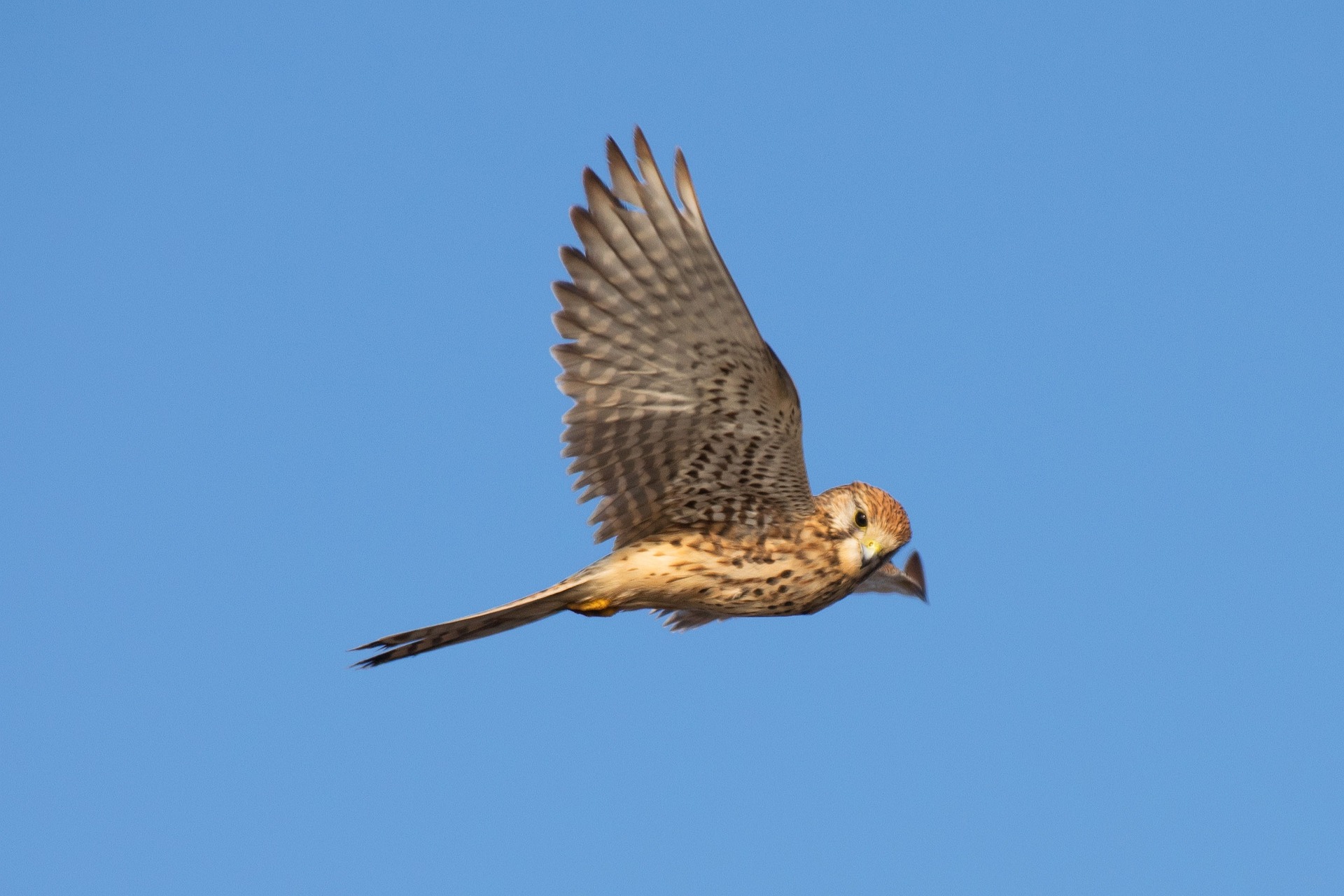
Merlins Are raptors or birds of prey that are pretty common in many regions. Many people have witnessed the speed of a Merlin and thought, how fast is that? This is a question that many people have asked over the years. The answer, however, is more complex. Many factors come into play when determining how fast a Merlin raptor can fly; however, we have a conclusion.
A merlin is typically recorded at speeds of around 30mph (48.2Kkmp). This can be faster during hunts and chases and typically much faster when diving. The max speed of a Merlin diving has been recorded at around 70mph (112.6kmph). The average cruising speed for a Merlin is thought to be approximately 25-35mph (40.23-56.32kmph), depending on the bird’s size and altitude.
A merlin soaring through the air is really a sight to behold, and they are pretty speedy. So below, we will discuss the Merlin raptor’s top speed and some of its other features. Also, we will examine how the Merlin compares to other birds of prey. So, if you’re curious about how fast a Merlin raptor can fly, be sure to keep reading!

How fast does a Merlin fly, and why is it so fast?
The Merlin is known for its quick flight and hunting ability. But just how fast can a Merlin fly? In short, very fast. Studies have shown that the Merlin reaches speeds of 70 mph when diving for prey. But what makes the Merlin so fast? One key factor is its wing size in relation to its body weight. The Merlin has a large wingspan for its size, and this helps to create more lift, allowing it to reach higher speeds. Another factor is its flying technique. Unlike other birds, the Merlin doesn’t flap its wings continuously while flying. Instead, it uses a trick called “stalls and dives” to gain speed. When diving for prey, the Merlin tucks in its wings and “falls” towards its target. This allows it to reach speeds that would otherwise be impossible. As a result, the Merlin is one of the world’s fastest and most agile birds.
How fast does a Merlin dive at its top speed?
The Merlin is a small falcon that is known for its incredible speed and agility. Diving for prey is capable of reaching speeds of 70 miles per hour. To put this in perspective, the average car only travels about 60 miles per hour. This makes the Merlin an extremely fast animal. The bird tucks its wings close to its body when it dives and plunges towards the ground. Then, just before it hits, it extends its wings and spreads its tail, which helps to slow it down. This allows the bird to easily make sharp turns and catch its prey. The next time you see a Merlin in action, take a moment to appreciate its fantastic speed and hunting prowess.
How fast can a Merlin fly at its top speed?
The Merlin is a small hawk that is found throughout North America. It is a famous bird of prey for falconers and is also known for its high speed. Just how fast can a Merlin fly? When diving for prey, Merlins have been clocked at speeds of up to 100+ miles per hour. However, their average flying speed is much lower, around 30-40 miles per hour. When migrating, Merlins will often travel in flocks, and they have been known to cover up to 1,000 miles in a single day. In terms of top speed, the Merlin ranks among the fastest birds in the world. But this small hawk is genuinely in a class by itself when it comes to long-distance travel.
Can the speed of a bird be affected by its age and weight?
The speed of a merlin can be affected by several factors, including its age and weight. Younger merlins tend to be faster than older ones, and males are typically faster than females. In addition, lighter merlins are usually quicker than heavier ones. These differences in speed are thought to be due to the fact that younger and lighter birds have less mass to carry around, making them more agile and able to reach higher speeds. Although the age and weight of a merlin can influence its speed, the bird can still achieve high speeds under the right conditions.
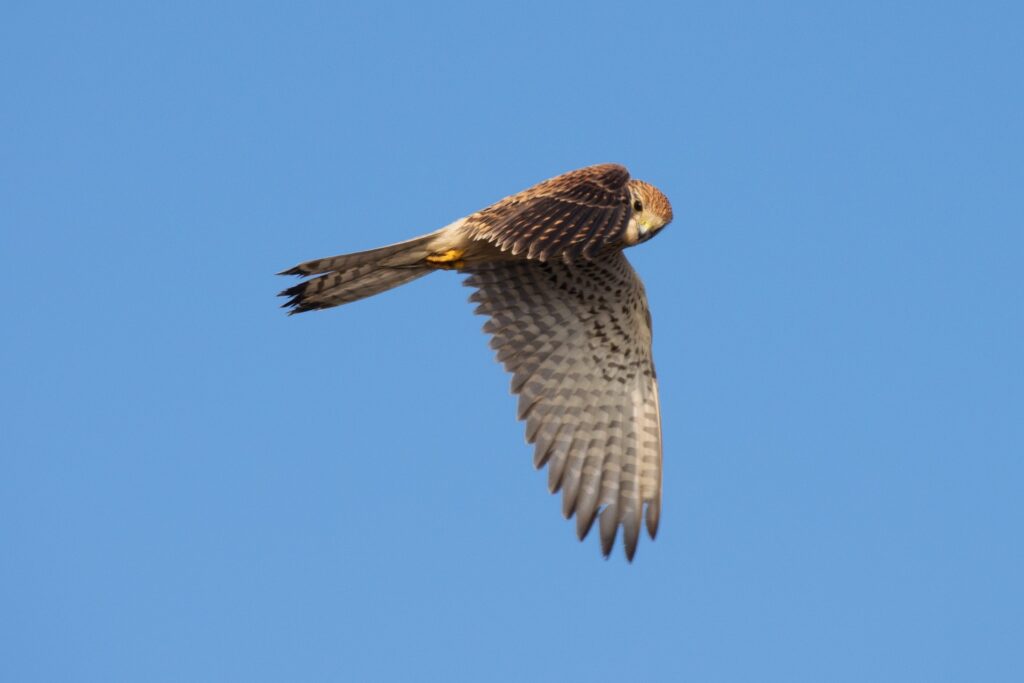
When a Merlin maintains high speeds, does it have endurance?
The Merlin is known for its speed and agility and can reach speeds of up to 100 miles per hour. But does this high level of speed come at the expense of endurance? To answer this question, scientists have conducted a number of studies on the Merlin. One study found that the bird’s heart rate increases significantly when it reaches high speeds. However, the bird is able to quickly recover from this increase, suggesting that it has a high level of endurance. Another study found that the Merlin’s body is highly efficient at using oxygen, which helps to explain why the bird is able to sustain high levels of activity. Taken together, these studies suggest that the Merlin can maintain high speeds without sacrificing endurance.
With prey in its talons, how fast can a Merlin fly?
The Merlin though it is only about the size of a crow, it is a fast and agile hunter. When flying with prey in its talons, the Merlin can reach speeds of up to 60 miles per hour. It typically feeds on small birds, such as sparrows and finches. However, it will also eat insects and rodents. Merlins nesting in northern areas migrate south for the winter, while those in southern regions generally stay put year-round. Regardless of where they live, these predators are an essential part of the ecosystem, helping to keep populations of small animals in check.
Merlins are incredibly fast, and it’s no wonder these birds successfully hunt prey. If you want to see a Merlin in action, be sure to visit your nearest bird sanctuary or falconry centre – you won’t be disappointed.