

When it comes to peregrine falcons, once you are bonded with them, it is sad to think of them getting old and perishing. So whether you are a falconer looking to purchase a peregrine or have one already, you may wonder how many joyful years you can expect companionship from these raptors.
Although many different figures fly around regarding the peregrine falcon’s lifespan. They all suggest that a peregrine falcon will live between 12-20 years. Many factors, such as the falcon’s food supply, habitat, and overall health, influence this figure. Therefore, it is challenging to pinpoint an exact lifespan for a peregrine falcon.
The oldest recorded wild peregrine falcon lived to be 20 years old, meaning that if you do things right, you could have a speedy hunting partner for the better part of 2 decades, so read on to find out how to expand their lifespan and how you can ensure you don’t shorten its lifespan.

How long does a peregrine falcon live in captivity compared to the wild, and what’s the difference?
The average lifespan of a peregrine falcon in the wild is around 15 years, although some raptors have been known to live for up to 20 years. In captivity, peregrine falcons can live for much longer – often 22 years or more. The main difference between the two lifespans is that captive birds are protected by falconers from many dangers their wild counterparts face. For example, they are not at risk of being hunted or poisoned and have a constant supply of food and water. In addition, captive birds receive regular veterinary care and are protected from harsh weather conditions. As a result, they are able to live much longer lives than their wild counterparts.
What can increase the lifespan of my Peregrine?
You can do several things to help your Peregrine live a long and healthy life. First, make sure to provide plenty of fresh, clean water for your bird to drink. Peregrines are also very active birds and need a diet that is high in protein to maintain their energy levels. A good quality peregrine food should contain at least 30% protein. It would be best if you also supplemented your Peregrine’s diet with fresh fruits and vegetables and calcium-rich foods such as a crushed oyster shell. Additionally, regular exercise is vital for all birds, and peregrines are no exception. Finally, providing your Peregrine with plenty of space to fly and explore will help keep its muscles strong and its mind sharp. Following these simple tips can help ensure that your Peregrine lives a long and happy life.
What can shorten the lifespan of my peregrine falcon
There are a multitude of contributing factors to this, including lack of exercise, malnutrition, and stress. Cardiac failure is one of the most common causes of early death in peregrine falcons. This can be caused by a shortage of exercise, as the bird’s heart muscle weakens from not being used regularly. Malnutrition is also a common problem, as these birds need a diet high in fat and protein to maintain their energy levels. In addition, peregrine falcons are highly sensitive to stress, and even small changes in their environment can cause them to become anxious or depressed. As a result, it is crucial to provide them with plenty of space and a stable routine. By taking these steps, you can help your peregrine falcon to live a long and healthy life.
How do regular vet check-ups contribute to a longer lifespan?
Peregrine falcons are one of the most iconic birds of prey, known for their impressive hunting skills and aerobatic displays. These powerful birds can live up to 15-20 years in the wild, but captivity can often extend this lifespan even further. One of the critical factors in maintaining a long and healthy life for peregrine falcons is regular vet check-ups. During these visits, the birds will be checked for any potential health problems and given a thorough physical examination. Blood tests can help to identify any possible infections or diseases, while X-rays can reveal any breaks or fractures. In addition, vets can also provide essential vaccinations that help to protect against dangerous illnesses. By ensuring that peregrine falcons receive regular check-ups, we can help them to enjoy a long and happy life in falconry.
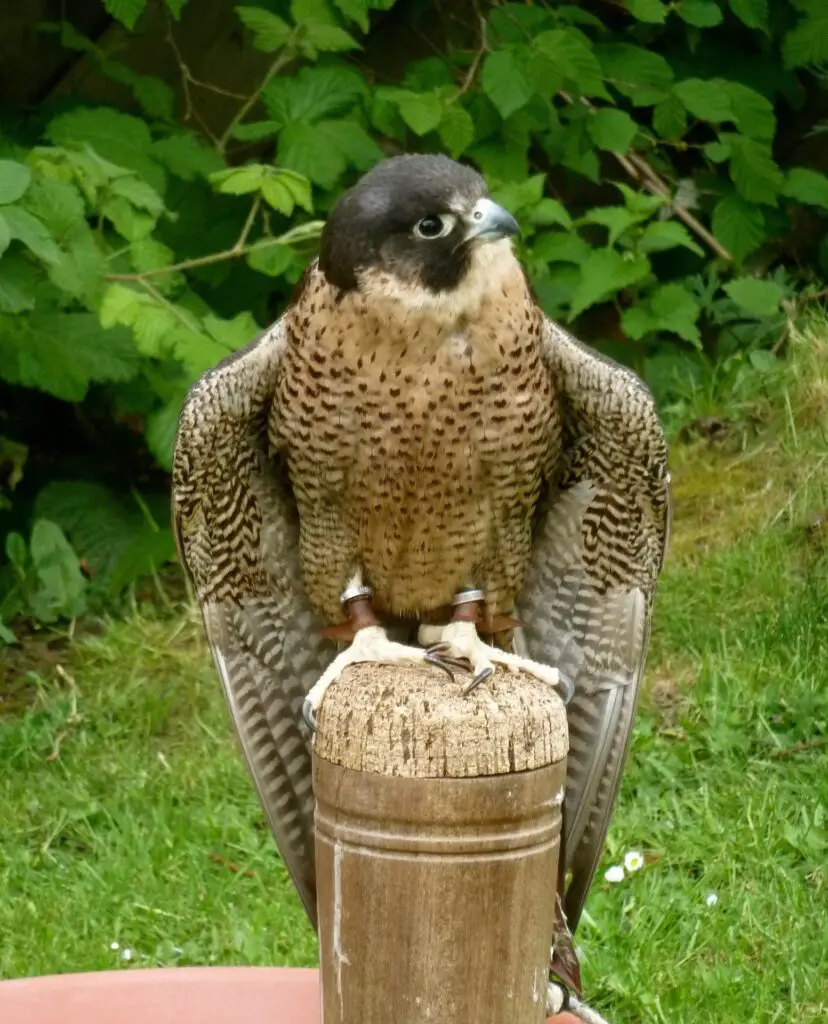
What are some of the things Peregrine Falcons can do during their lifespan to make it more enjoyable or beneficial for them and their environment?
Assuming you would like tips on caring for your Peregrine during its lifespan, we have outlined a few things you can do to ensure it remains healthy and comfortable:
- Provide a clean and spacious cage for your bird. Select a location for the enclosure that is quiet and free from drafts. The cage should also be placed out of direct sunlight.
- Offer a variety of perches of different sizes and textures to encourage exercise and help maintain your Peregrine’s feet.
- Include a variety of toys in the cage to stimulate your bird’s mind and provide entertainment.
- Feed your Peregrine a healthy diet of fresh fruits, vegetables, pellets, and seed mixes. Be sure to provide fresh water daily.
- Take your Peregrine for regular check-ups and vaccinations at the veterinarian.
Following these simple tips can help ensure a long and happy life for your Peregrine falcon.
What is the leading cause of death among peregrine falcons?
In terms of food chain hierarchy, they are apex predators, meaning that they dominate the top of the food chain. Consequently, they typically don’t have many natural predators and don’t fall prey to disease very often. In fact, the leading cause of death among peregrine falcons is human activity. This can include direct threats like being shot or caught in traps and indirect dangers like exposure to poisoned prey or habitat loss. Fortunately, many organisations like falconry funds are dedicated to protecting these magnificent birds, and their numbers have increased significantly in recent years. With continued conservation efforts, we can ensure that peregrine falcons will remain a part of our world for generations to come.
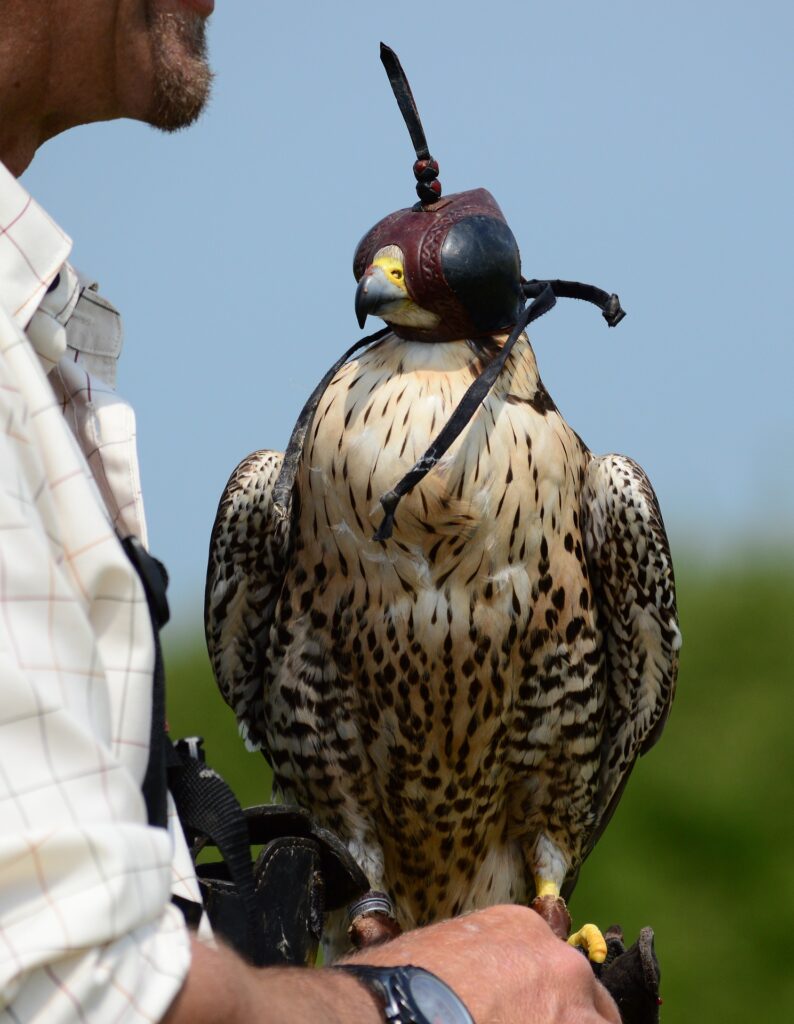
If you see a Peregrine Falcon, keep your distance! These birds are federally protected, and it is illegal to disturb them. The lifespan of a Peregrine Falcon is about 12 years in the wild, but they can live up to 25 years in captivity. Thank you for reading and learning about these beautiful creatures.