

If you’ve ever considered taking up falconry, you know that an essential tool is a reliable lure. Lures get your bird back to you when it’s in the air and allow you to do more with your feathered friend than watch it fly overhead. But what kind of lures work best?
Lures can be made from various materials, including fake prey models, fur pouches, or leather pouches with feathers attached. Falconers often create lures from natural items such as feathers or small animals. Other lures are:
1. The stoop
2. The creance
3. The balloon
4. The kite
5. Wings
6. Swing Lure
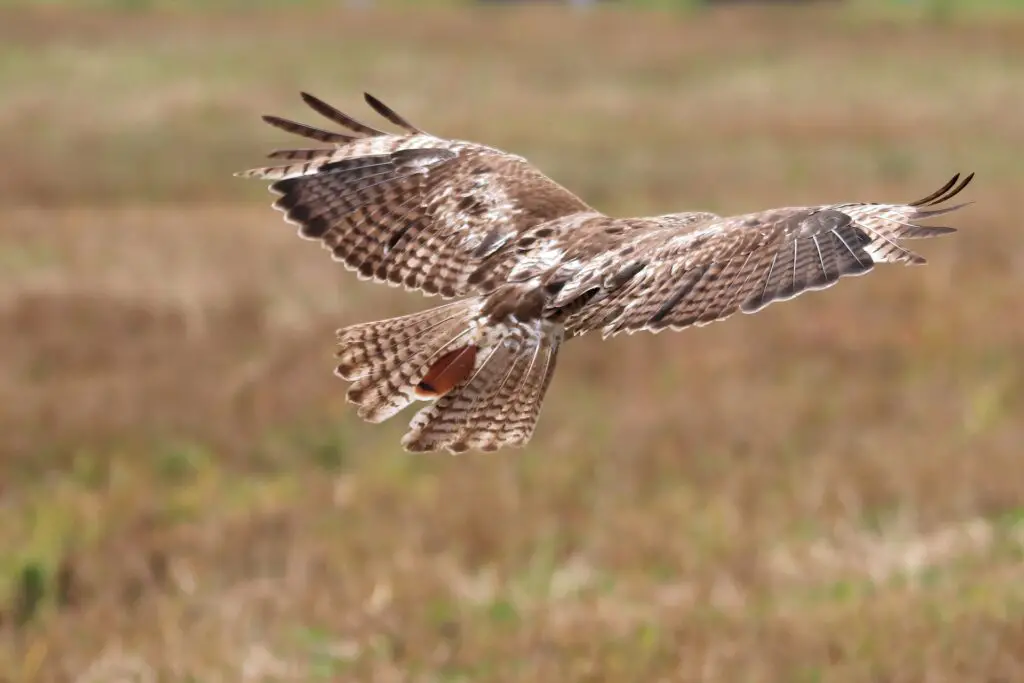
From leather jesses, creance lines, bells and whistles, flags, or decoys – diving into falconry requires familiarity with lures to choose which ones will suit your purpose best. Read on for an overview of each type of lure for a deeper look into how these tools play such an important role in falconry!
What are the different types of lures used in falconry?
There are two main types of falconry lures: ground and air. Ground lures are usually created with heavy materials such as leather or corn-filled bags. These attract falcons by swaying in the wind and making a sound for them to track down and pursue. On the other hand, air lures are flown in the sky using kites or balloons to create a visual presence for falcons to lock onto and return to their handlers. There are, however, a few different types of lures that falconers use to call theirs back.
1. The stoop
A lure is an important part of falconry when training your bird. A stoop is a cloth that resembles a species that you want to train your falcon to hunt, e.g. you will need to mould a cloth in a shape of a squirrel with meat inside to attract your bird to hunt that prey specifically.
2. The creance
During creancing, leather straps (the jesses) are attached to the bird’s lower legs, and the jesses are attached to a long line that can be as long as 300 feet. This is followed by transporting the raptor to an open outdoor space free of obstacles and flying it on the line. To the untrained eye, this may resemble flying a “bird kite.”
3. The balloon
A balloon that’s sometimes filled with helium is used as a lure with some meat attached to it to attract their birds back to them.
4. The kite
The kite is a large, wing-shaped object flying in the air with a reward tied to it. This method is done the same way as using a balloon.
5. Wings
Falconers often add wings to their lures to mimic a bird-like effect, e.g. pheasant or partridge wings are added to a lure with a piece of meat attached.
The benefits of using a lure in falconry:
A lure is a falcon’s reward in the form of food, and it can help falconers train their birds by motivating desired behaviours. When falcons learn to associate performing the requested task with receiving their reward, they are more likely to continue doing that action in the future. Providing incentives for falcons to perform desired behaviours and using lures also helps instil trust between falconers and birds. Using lures for falconry provides many benefits that make training easier and enjoyable for both falcon and falconer.

How do you choose the right lure for your bird of prey?
When engaging in falconry, choosing the right lure will determine whether it is a successful outing or time wasted. A falconer must assess several factors when deciding on their lure choice. The main factor to consider is the type of bird they are using. Different birds require different lures based on size, weight, and speed. Additionally, falconers need to choose a lure that matches the environment they will be in. For example, wind direction and local vegetation may influence the lure used for optimal results. With careful consideration of these elements when selecting the appropriate lure, falconers can successfully hunt with their birds of prey.
How do you make a lure that will appeal to your bird?
The bait needs to be visually attractive and create an appealing sound or scent at the same time. When working with your bird, you should try different items as lures, such as animal-based meats, feathers, fur pieces or natural herbs. Also, consider various colours or shapes based on what catches your falcon’s eye. Ultimately, strike a balance between something that excites and interests your bird while still being safe and efficient.
What are some of the hazards associated with using lures in falconry?
Using lures in falconry can be risky, and there are several potential hazards that falconers should be aware of. Lures are most dangerous when entangled in lines or strings. Falconers must take special care when dealing with the equipment to avoid tangling themselves or their birds in the lines. Be aware of your surroundings when flying the lure to avoid crashing into obstacles or other birds. Finally, falconers must always remember to wear protective gear when handling lures to minimize the risk of injury. Understanding and utilizing lures in falconry can be a great way to train.
How to store your lure when not in use?
When you need to store your lure away while falconry hunting, it is important to make sure it is kept free from dust and debris to ensure its longevity. It would be best if you wrapped the lure in some cloth, such as a clean light cotton fabric. Fold the fabric around the lure and secure it with an elastic or paper band. Keep the stored lure in a cool, dry place such as a closet or cupboard shelf. Any tackle box can also be used for storing lures and is often the preferred option if space allows. Whichever option you choose, the lures must be kept away from dust, moisture and humidity while not in use.
As you can see, many types of lures can be used in falconry. However, there are benefits and drawbacks to each type. As a falconer, it is important to understand the different types of lures to make the best decisions for your birds. Thanks for reading!