
Do you have a bird of prey that needs to be moved quickly and safely? For relocation, training, or medical treatment purposes, transporting a bird of prey poses challenges due to its relative size and delicate nature. But with the right preparation and knowledge, safely moving these majestic birds is achievable.
Transporting a bird of prey, such as an eagle, hawk, or falcon, requires careful preparation. First, you must choose the best method to ensure minimal stress on your bird. This would include using a hawk box or carrier box with padding, and you may want to use a hood that will limit your raptor’s exposure.
The purpose of this blog post is to explain how I prepared my birds for transportation and important tips on completing the journey efficiently while keeping your feathered friend safe and secure. So if you’re up for the challenge (and trust me – it’s worth it!), read on!

What essentials are required when transporting a raptor?
1. A hawk box:
A proper hawk box, also known as a falcon box or carrier, is essential for safely and securely transporting a raptor. Hawk boxes are designed to provide a cosy, secure environment for your bird during transportation. In addition to their many shapes and sizes, they also come in different designs, depending on the species of bird you need to transport. Many boxes feature air vents with mesh covers to give the bird fresh air during the journey. Ensure that you don’t attempt to put your
2. Secure restraints:
Once you have a suitable box for your raptor, you must secure it with straps or other appropriate restraints. Using the right restraints will ensure your bird is safe and comfortable inside its transport vessel while travelling and will not topple over in transit.
3. Food and water (for long-distance trips):
When transporting a raptor over long distances, it is essential to provide food and water during the journey. Providing your bird with sustenance will help ensure that it remains healthy and alert during the trip. Depending on the species of raptor, there are several food options available. For example, falcons may be fed small pieces of meat or game birds, such as quail or pheasant. Hawks and eagles can eat a variety of small mammals, like mice, rabbits, and squirrels.
4. Sufficient padding:
It is important to ensure that your hawk box has sufficient padding inside to keep your bird comfortable during transportation. This padding should be thick enough to cushion your bird against bumps or jostling while travelling. Also, ensure the box is well-ventilated to prevent your raptor from becoming too hot during transport.
5. Identification or Tracking
The fourth essential when transporting a raptor is identification. It is important to have some form of identification on the raptor in case it escapes from its carrier. This could include a band on the leg or a GPS tracker.
6. A permit
A permit is a last but most important thing to remember when transporting a raptor. In many jurisdictions, it is illegal to transport a raptor without a permit. Permits can usually be obtained from wildlife authorities or conservation organizations.
These are the most common requirements on my list whenever I travel from place to place with my raptors. However, I’ve also learnt that permits are not required in some countries, but in others, it is. So check the local authorities to get your paperwork to avoid surprise issues.
Ensure the carrier or transportation box is secure and well-ventilated:
Securing and properly ventilating the carrier or cage when transporting a bird of prey is an important part of falconry. A secure carrier not only reduces stress on the bird but can also protect them from dangerous environmental factors that could cause injury or death. In addition, by ensuring ventilation, falconers can ensure their birds are comfortable and don’t suffer from a lack of oxygen in the carrier. These are the precautions that I took to secure and aerate my birds during transportation!
Precautions to take whilst in transit
Keep food and water for long distances-
When transporting a raptor over long distances, it is essential to provide food and water during the journey. Providing your bird with sustenance will help ensure that it remains healthy and alert during the trip. Depending on the species of raptor, there are several food options available. For example, falcons may be fed small pieces of meat or game birds, such as quail or pheasant. Hawks and eagles can eat a variety of small mammals, like mice, rabbits, and squirrels.
Monitor the weather –
Weather conditions can have an impact on the safety of raptors in transit. If possible, plan your trip to avoid extreme temperatures and hazardous weather patterns. Also, make sure to check the local forecasts before departing.
Have a first aid kit-
Having a first aid kit when travelling with raptors is essential for providing basic medical attention in an emergency. Ensure your kit contains antiseptic wipes, ointments, bandages, gauze pads, and other basic medical supplies.
Check for stress-
It is important to monitor your raptor for signs of stress during the journey. If you notice any changes in behaviour or physical discomfort, provide rest and medical attention as soon as possible.
Keep the temperature in the vehicle stable-
Make sure to keep the temperature in your vehicle stable. The extreme temperatures that come with summer and winter can both be dangerous for raptors. Ensure your car has a working heater or air conditioner to maintain a comfortable temperature while travelling.
Remove scents or air fresheners in the vehicle-
Finally, remove any scents or air fresheners from the vehicle before transporting a raptor. These items may irritate some species of birds, causing undue stress and discomfort during the journey.
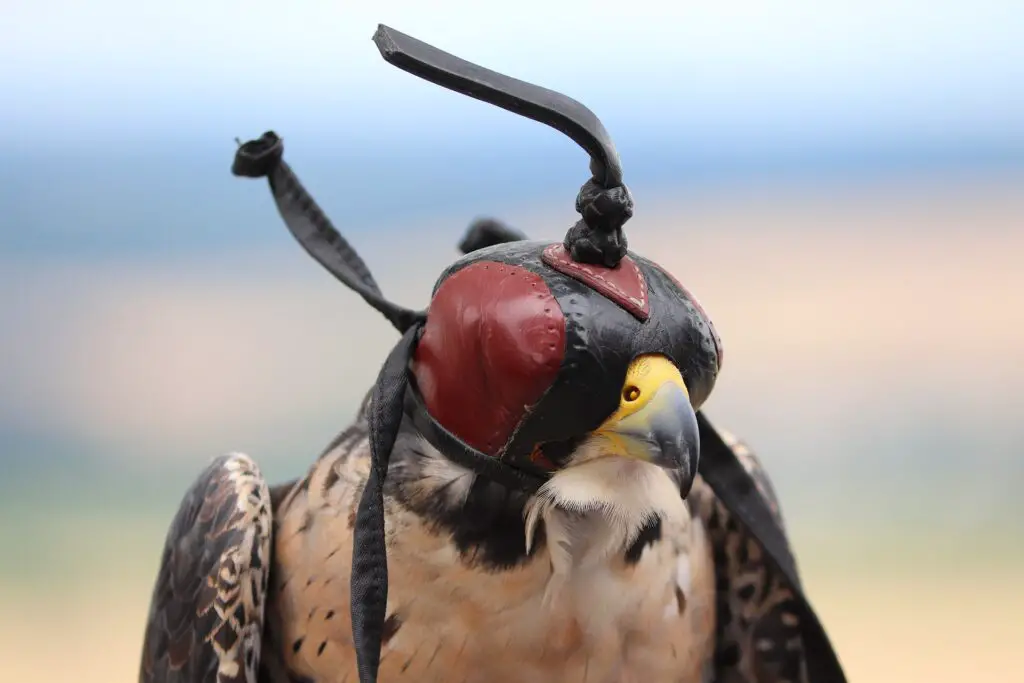
Should I put a hood on my falcon when travelling?
A hood on your falcon will help protect it from being startled and overexcited by loud sounds like aeroplanes taking off or cars zooming past. The falcon will also benefit from the shade, allowing for greater comfort as you travel in warmer climates. Additionally, hoods provide a sense of privacy for falcons and keep them safe from predators or stray cats who might wander too close.
Ultimately, it’s up to the raptor transporter to ensure that these magnificent and often dangerous birds arrive at their destination safely. By taking the necessary precautions and being aware of the potential risks, you can ensure that you and the raptors you’re transporting are safe throughout the journey.