
Are you keen on falconry but are unsure of the costs involved? Well, lucky for you, I have been through this process and will share my insights with you and provide some tips on how to keep things within budget.
Is falconry expensive
Bird cost
Obtaining a bird of prey can be a significant investment, as the cost of these majestic creatures can vary depending on factors such as species, age, shipping fees, and training. The cost of birds of prey can be anywhere from a few $100 to several $1000. Generally, the younger they are, the cheaper they are.
The most common species used in falconry include the :
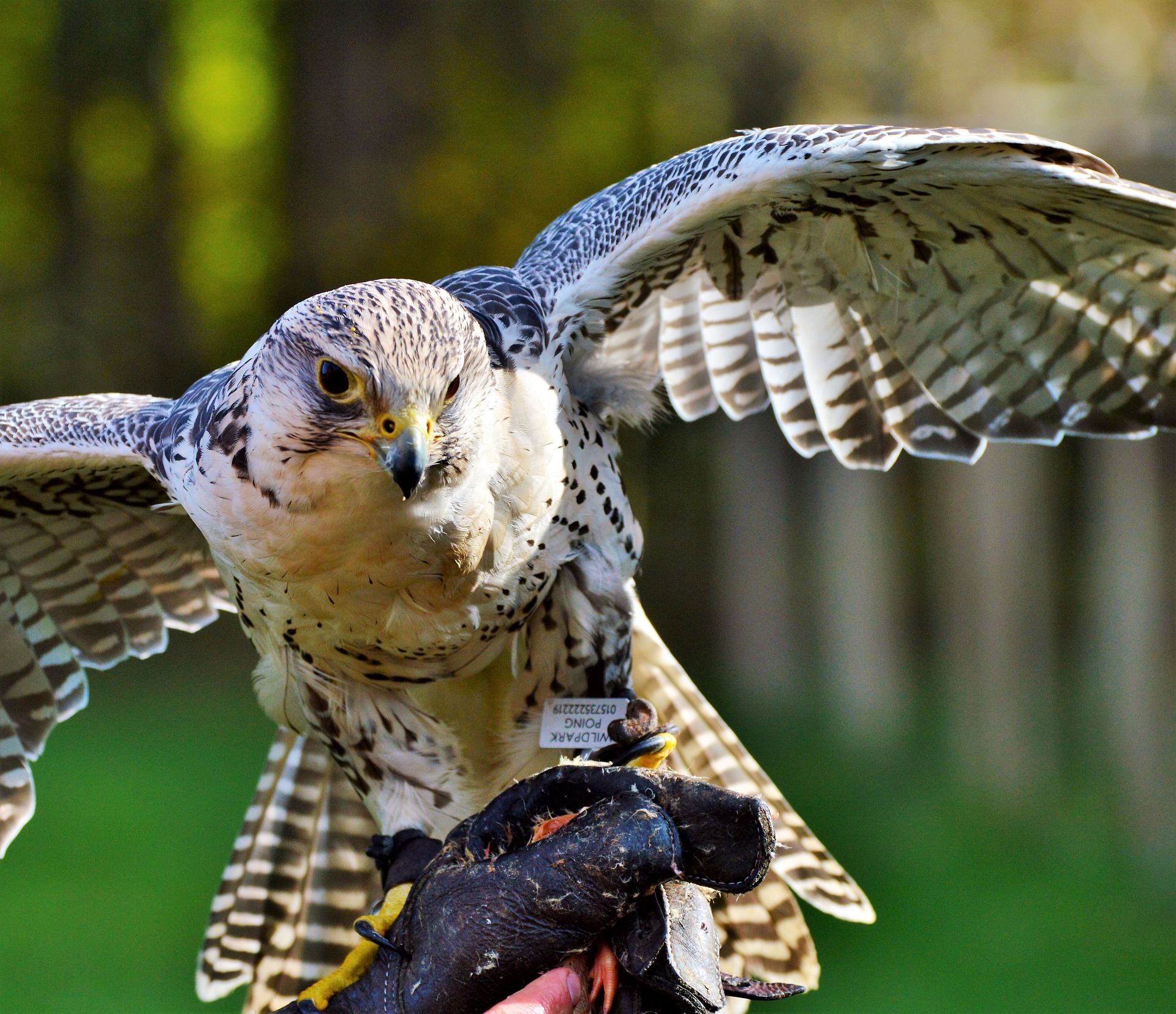
Peregrine Falcon – $2500-$10000 +
Harris’s Hawk – $600 -$2000 +
Red-tailed Hawk – $500 – $1500 +
American kestrel $200 -$1000 +
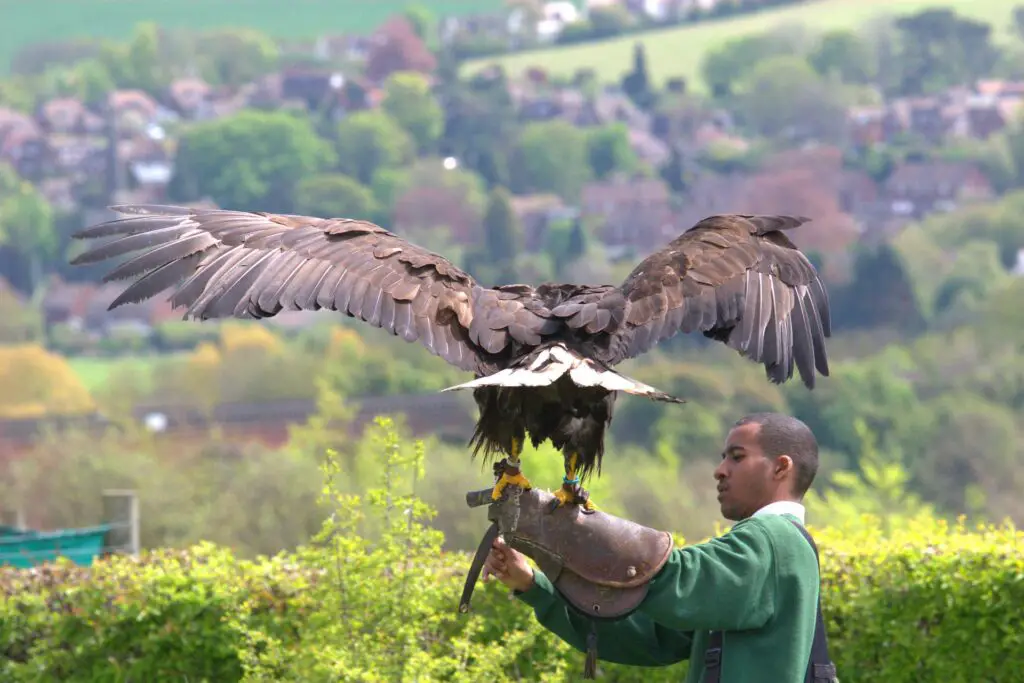
These birds are bred in specialized breeding programs, ensuring their availability for falconers. Conservation efforts are also taken into consideration, as some species may be endangered or protected by legal restrictions. Additionally, the cost of imported species may be higher due to transportation costs and legal requirements. Specialized training is another factor that can increase the cost, as falconers invest time and resources in teaching bird hunting techniques and obedience. However, this investment is necessary for a successful and fulfilling falconry experience.
Other species and their average costs:
- Cooper’s Hawk – $500 to $1,500
- Sharp-Shinned Hawk – $500 to $1,500
- Swainson’s Hawk – $500 to $2,500
- Red-shouldered Hawk – $500 to $2,000
- Ferruginous Hawk – $1,500 to $3,000
- Eurasian Sparrowhawk – $1,000 to $3,000
- Goshawk – $2,500 to $5,000
- Falcons – $200 – upwards of a $1000
- Rare or exotic breeds can range from a few thousand to upwards of $20000
License and Permit Costs
Not as significant but equally important as the cost of acquiring a bird of prey is the cost associated with the necessary licenses and permits. To legally own and hunt with a bird, you’ll need to secure a variety of permissions.
Firstly, there’s the falconry license. This is a requirement in most places, and the price can range from $30-$100 annually, depending on your location and the specific type of license you need. Keep in mind a falconry license needs to be renewed every three years.
In addition to the falconry license, you might also need a hunting license. The costs for these also vary depending on the location and type of game you’ll be hunting. It could range anywhere from $50 to $200 annually.
Import permits are another consideration if you plan to import a bird from another country. This could cost around $200 to $500, again depending on the specifics of your situation.
Finally, keep in mind that some of these costs are recurring. Falconry is not a one-time investment but rather a continuous financial and time commitment.
Aviary and equipment costs
Considering the expenses associated with setting up an aviary and purchasing the necessary equipment for falconry is important. The information I laid out is the basics you would need to start and pursue falconry but keep in mind that the better items you go for, the higher the cost. It is wise to speak to falconers in your area, who may have older (but still usable) items that won’t cost you a fortune.
- Aviary construction is a significant upfront cost that can cost anywhere from a few 100 to several 1000 dollars, depending on the size and materials used; steel, for example, is much more costly than wood. But also keep in mind that you do not want to use materials that are too cheap as they will perish and will cost you twice, but as a novice trying it out, it may provide enough time to get into it and see if it is for you before investing loads into this hobby.
- Falconry equipment, such as perches, jesses, gloves, and leashes, can add around $200 – $500.
- Training materials and educational resources, such as books and DVDs, are essential for a falconer’s learning journey and can cost an additional $200 or more.
- Training Equipment such as Whistles (used for training your bird) and Lures (used to train the bird to come back to you after flying can also add a few hundred dollars. These estimations are for novice falconers, but if you are looking at things like drones and telemetry items, this can go up to thousands of dollars, and ideally, when you start off, this is more of a luxury, and you surely can do without it.
- Maintenance supplies, including cleaning tools and mews accessories, may amount to $50 or higher. But this does not include the once-off cost for perches and toys, etc, which could go up to around $200- $1000 or more.

Cost for food
To properly budget for falconry, one must consider the cost of obtaining and maintaining the necessary food for their birds of prey. When it comes to feeding my raptors, I’ve found that there are several factors to consider. Birds of prey will consume 12% -50% of their body weight, so their food costs must be carefully considered. Here are some tips to help you.
- Purchasing fresh meat from the local grocery store can be a cost-effective option.
- Buying in bulk can help reduce expenses and ensure a steady supply of food.
- Hunting often and storing live game is the most cost-effective solution.
- Another option is to raise and breed your feeder animals, such as quail, mice, or rabbits. This will require additional time, space, effort, and costs for supplies and housing.
Vet bills
Caring for a bird of prey extends beyond feeding and training; regular veterinary care is crucial to ensure the bird’s health and well-being. The cost of veterinary bills can vary widely based on the bird’s species, age, health condition, and the local cost of veterinary care. On average, routine veterinary care for a bird of prey, including regular check-ups and vaccinations, can cost around £150 – £250 per year. However, this cost can rise dramatically if your bird requires special treatments or emergency care. For instance, surgical procedures can cost from £500 to £2,000, and ongoing treatments for illnesses can reach up to £1,000 per year. Therefore, allocating a contingency budget for unexpected veterinary expenses is advisable. It’s also worth exploring pet insurance options for birds of prey, which can help mitigate some of these costs.
Transportation and training cost
When it comes to budgeting for falconry, the transportation and training costs must also be taken into consideration. These costs will fluctuate depending on several factors, such as the type of training techniques used, travel expenses, time commitment, equipment rentals, and professional training services.
Different techniques can be employed to train a falcon, ranging from traditional methods to modern approaches. Each technique may require specific equipment or tools, which could add to the overall cost. Additionally, travel expenses can accumulate when attending training workshops or events, especially if they’re located far away.
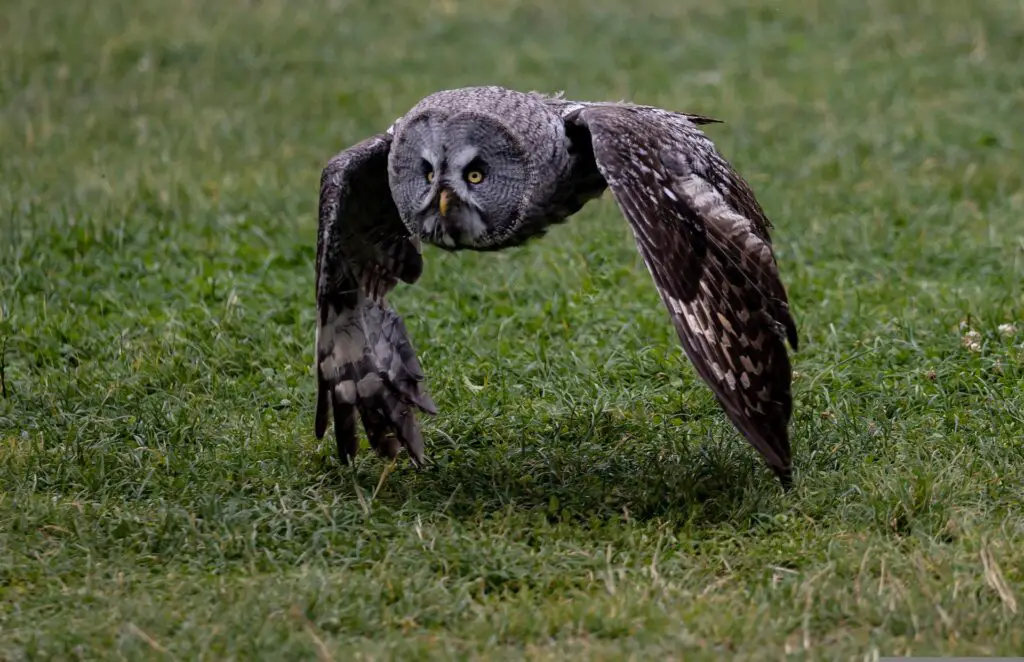
Furthermore, falconry requires a significant time commitment. Training a raptor requires consistent practice and dedication, which can take up considerable time. This time commitment should be factored into the budgeting process.
Lastly, for those who don’t possess the necessary equipment, rentals can be an additional expense. Moreover, professional training services are available for those who prefer to have an expert guide them through the falconry journey. These services can be beneficial but may come at an extra cost.
To conclude, falconry can be an incredibly rewarding yet somewhat costly hobby, necessitating substantial financial commitments. It is fascinating to note that the price of a trained falcon can vary significantly, ranging from $5,000 to $10,000, depending on factors such as species and quality. This highlights the level of dedication and investment required to participate in this ancient art form, making it a truly unique and exclusive pursuit.
Furthermore, engaging in falconry entails more than just monetary considerations. It demands a profound understanding of avian behaviour, meticulous training techniques, and a deep bond between falconer and bird. The commitment required to become proficient in falconry extends beyond financial means, necessitating hours of patient training, honing skills, and continuous education about these magnificent creatures. Falconry represents a captivating blend of art, science, and heritage. It offers a window into a world where humans and birds of prey form a remarkable partnership bound by mutual respect and admiration. The financial investment required may seem daunting, but the rewards are immeasurable for those passionate about this extraordinary pursuit.
Frequently Asked Questions
What Are the Legal Prerequisites for Owning and Practicing Falconry?
- Falconry regulations vary by country but generally require licensing and adherence to specific guidelines. Apprenticeships are often required to learn proper falconry techniques.
Are There Any Specific Permits or Licenses Needed to Own a Bird of Prey?
- Yes, specific permits and licenses are needed to own a bird of prey. These regulations ensure responsible ownership and protect the welfare of the birds.
How Long Does It Take to Train a Bird of Prey for Falconry?
- Training a bird of prey for falconry requires patience, dedication, and consistent training techniques. The time commitment will differ depending on the species and individual bird. The bonding process is crucial, and behavioural challenges are common. Success rates depend on the handler’s skills and the bird’s temperament.
Are There Any Ongoing Costs Associated With Maintaining a Bird of Prey Besides Food and Vet Bills?
- Maintaining a bird of prey involves ongoing costs beyond food and vet bills. Housing requirements, equipment, and gear can add up. Proper training techniques and daily care require a significant time commitment.
Can Falconry Be a Profitable Venture, or Is It Primarily a Hobby?
- Falconry can be a profitable venture if approached strategically. One can maximize profit potential in falconry by implementing effective marketing strategies, utilizing efficient training methods, managing equipment costs, and exploring potential revenue streams.