
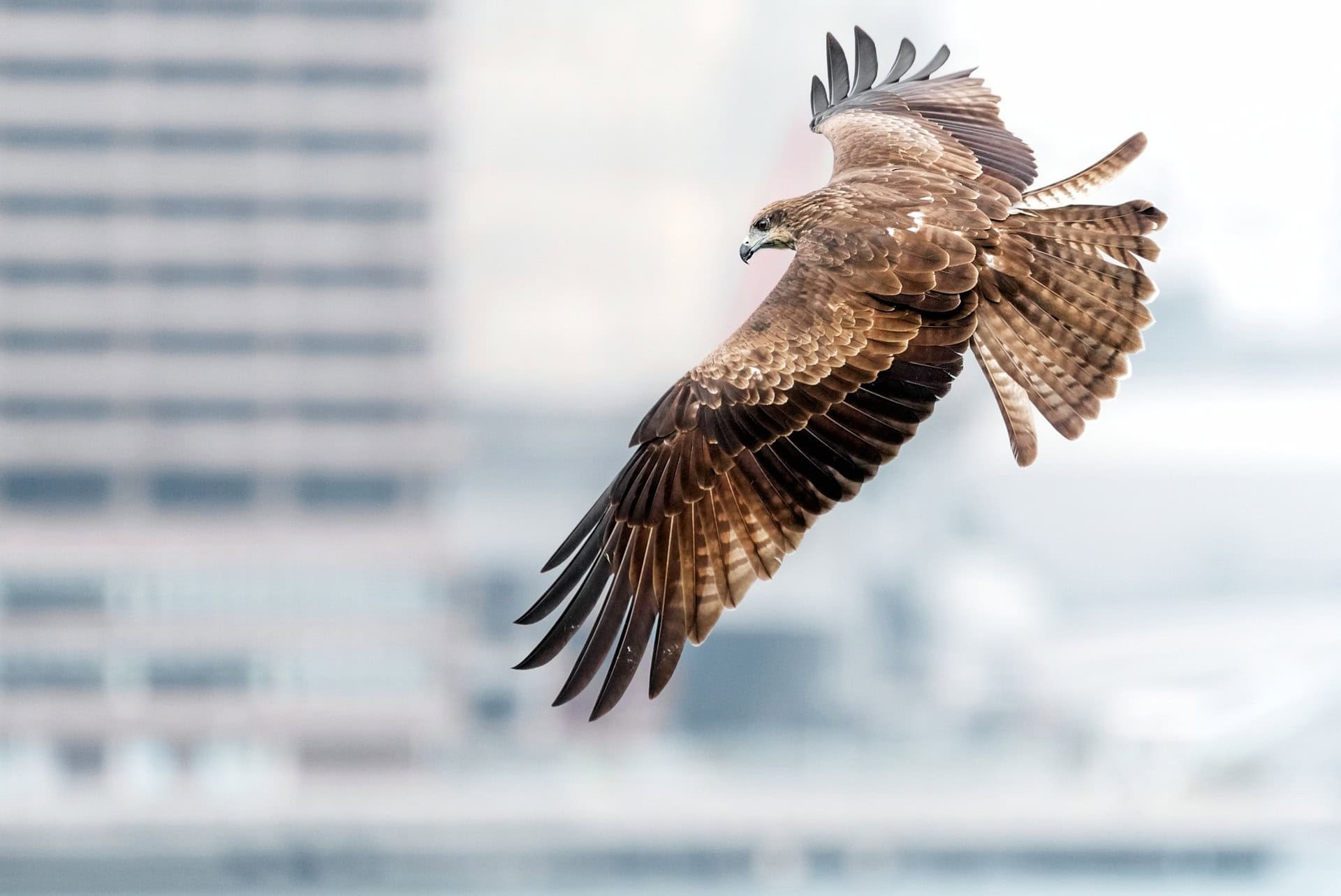
So, have you decided to take up falconry? Well, get ready for a challenge! Let me tell you, this art of hunting with birds of prey is no walk in the park. From the moment you strap on that falconer’s glove, you’ll face many challenges. But don’t stress because I am here to guide you through the most common difficulties in falconry.
Is falconry difficult
Perhaps one of the most challenging aspects of falconry is developing a bond with your bird. Birds of prey are not pets; they are wild creatures with instincts and behaviours that can be difficult for humans to understand. Establishing trust and respect with your bird is crucial, which can take months or even years.
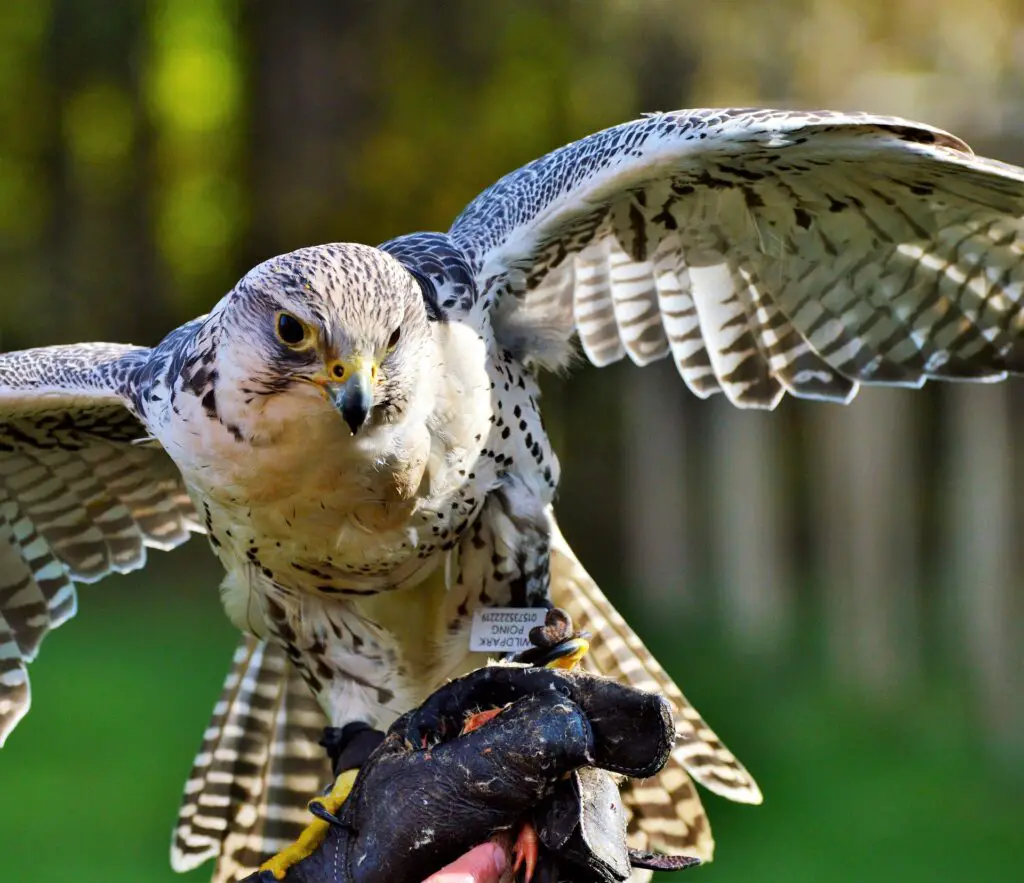
Additionally, there’s the issue of time commitment. Falconry is not a hobby that can be picked up and put down at will. These birds require daily care, including feeding, training, and exercise. This means that falconers often need to adjust their schedules to accommodate their bird’s needs.
Moreover, falconry is governed by strict legal regulations, including licensing, inspections, and hunting permissions. Complying with these laws, while essential, adds another layer of complexity to this already challenging pursuit.
Lastly, the financial cost of falconry should not be overlooked. Beyond the initial purchase price of a bird, there are ongoing costs for food, equipment, veterinary care, and potential rehabilitation costs should your bird become injured.
In summary, while falconry can be profoundly rewarding, it is a demanding pursuit that poses numerous challenges. But these challenges can be overcome with dedication, patience, and a willingness to learn.
What are the common difficulties in falconry?
The most common difficulty that falconers face is bonding with their bird, which, as mentioned before, is a significant difficulty. But that’s not the only one. The initial training of the bird, which includes acclimating it to human presence and teaching it to return on command, requires enormous patience and time commitment.
Ensuring the bird’s health is another difficulty, as falconers must be well-versed in avian health issues and have access to a specialized veterinarian. Legal regulations, which vary widely by location, can also pose challenges, making it crucial for those interested in falconry to understand the laws in their area. Lastly, the costs associated with maintaining suitable housing, feeding, and health care for the bird can be prohibitive for some.
What is the most difficult thing in falconry?
Arguably, the hardest challenge in falconry is the task of training and bonding with the bird. Training a bird of prey is not a straightforward task. It requires a careful and patient hand and a deep understanding of the bird’s natural behaviours and instincts. The trainer must gain the trust of the bird, teaching it to accept human proximity and to return upon command, a process that can take several months of consistent, daily work.
On the other hand, bonding is a more subtle and profound challenge. Birds of prey are not domesticated creatures; they are, at their core, wild animals. Establishing a bond with a creature so fundamentally independent requires time, effort, and a great deal of patience. It necessitates entering a world dictated by the bird’s instincts and rhythms, understanding its non-verbal cues, and responding accordingly.
Over time, a partnership based on mutual respect and trust can form.
Both training and bonding are intricate processes that demand commitment and dedication. They represent the essence of falconry, encapsulating its challenges and rewards and testifying to the remarkable connection that exists between humans and these magnificent birds.
What is the least difficult thing in falconry?
Surprisingly, one of the least challenging aspects of falconry is feeding and setting up an aviary for your bird. Feeding a bird of prey typically involves providing raw meat, often in the form of small rodents or other readily available game, which can be easily acquired from pet stores or online suppliers. Although handling such food might be initially disconcerting, it quickly becomes part of the daily routine.
Meanwhile, although it may require some initial research and effort, setting up an aviary is quite straightforward once you understand the bird’s needs. The aviary must be secure, well-ventilated, and large enough for the bird to move around comfortably. It should also protect the bird from adverse weather conditions. While procuring and setting up the aviary might present an up-front cost and require some labour, it’s a one-time task that can be accomplished with relative ease.
Therefore, although falconry as a whole presents numerous difficulties, feeding your bird and setting up an appropriate aviary are areas where even beginners can quickly become proficient.
How to overcome these difficulties
To successfully overcome these difficulties in falconry, here are some techniques I use to address these challenges:
– Training techniques:
– Implement positive reinforcement methods to encourage desired behaviour.
– Use consistent training sessions to reinforce commands and strengthen the bird’s skills.
– Equipment maintenance:
– Regularly inspect and clean equipment to ensure its proper functioning.
– Replace worn-out or damaged equipment promptly to avoid any accidents during falconry activities.
Handling different bird species:
– Study and understand the specific characteristics and behaviour of each bird species.
– Customize training approaches and techniques to suit the individual needs of each bird.
Dealing with weather conditions:
– Monitor weather forecasts to plan falconry activities accordingly.
– Take necessary precautions to protect the bird and yourself from extreme weather conditions, such as excessive heat or cold.
Building a strong bond with your raptor:
– Spend quality time with the bird to establish trust and mutual understanding.
– Engage in activities beyond hunting, such as socializing and playing, to strengthen your bond with your falcon.

Falconry is undoubtedly a challenging endeavour that requires patience, dedication, and expertise. One interesting statistic to note is that less than 1% of the global population actively participates in falconry. This highlights the niche nature of this ancient art form and the level of commitment required to master it. By understanding and addressing the common difficulties faced in falconry, enthusiasts can overcome these obstacles and fully appreciate the beauty of this centuries-old tradition.
Frequently Asked Questions
Can anyone become a falconer?
- While anyone can aspire to become a falconer, the process involves stringent regulations, apprenticeships, and a deep commitment of time and resources. It’s a pursuit for those genuinely passionate about birds of prey.
How long does it take to become a proficient falconer?
- The time it takes to become proficient in falconry varies, but it typically involves a two-year apprenticeship. Ongoing learning and experience are crucial for mastering the intricacies of handling and training birds of prey.
What are the main challenges in falconry?
- Challenges include building a strong bond with the bird, understanding its behaviour, dealing with unpredictable factors in training, and navigating legal requirements. Patience and persistence are key.
Is falconry a dangerous hobby?
- Falconry involves handling birds of prey, and while there are risks, proper training and equipment mitigate potential dangers. Safety precautions and ongoing education help minimize the inherent risks.